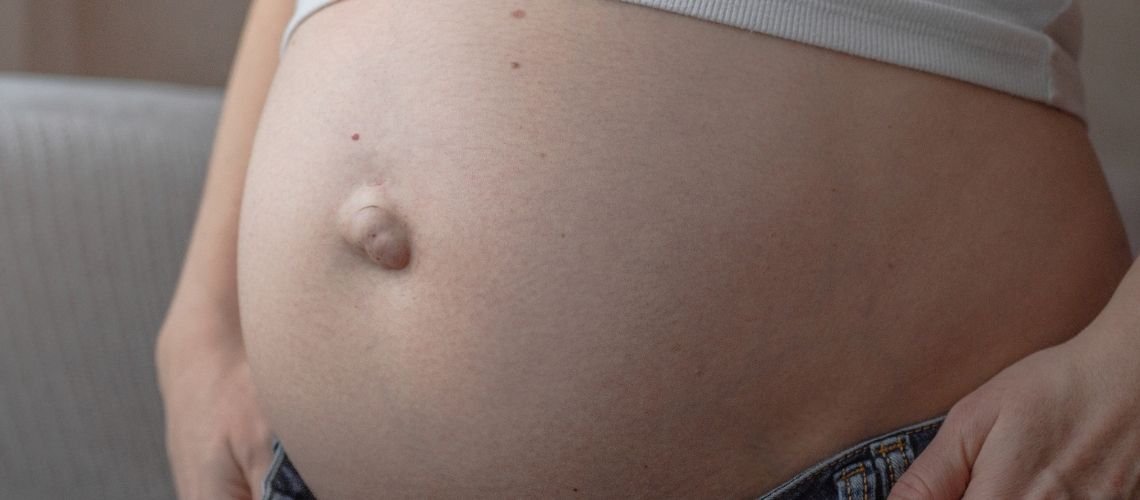


Umbilical hernia surgery is a common procedure performed to repair a weakness in the abdominal wall near the belly button, where tissue or intestines can protrude. This surgery may be done with open or laparoscopic techniques and sometimes involves mesh reinforcement, especially in adults. Costs differ across countries based on surgical method, hospital, and surgeon expertise.
In the USA, umbilical hernia repair typically costs $8,000–$14,000, in the UK private hospitals charge around £4,000–£6,500, in Canada private procedures average C$7,000–C$11,000, and in Australia the price is generally AU$8,000–AU$12,000. These fees usually include surgeon, anesthetist, and hospital charges, though patients should budget for consultations, anesthesia, and follow-up visits. Safety and surgeon experience are key considerations when choosing treatment.
İçerik
How Much is Umbilical Hernia Surgery in the USA?

In the United States, umbilical hernia surgery costs about $8,000–$14,000, depending on whether mesh is required, the size of the hernia, and the hospital location. Larger or complex hernias may cost more. Average city costs include:
- New York: $10,000–$14,000
- Los Angeles: $9,500–$13,500
- Miami: $9,000–$12,500
- Chicago: $8,000–$12,000
These fees typically cover the surgeon, anesthetist, and hospital stay. Insurance may cover umbilical hernia repair if it is considered medically necessary.
How Much is Umbilical Hernia Surgery in the UK?

In the United Kingdom, private umbilical hernia repair generally costs £4,000–£6,500, depending on hospital and surgeon experience. London prices are usually at the higher end. Typical averages are:
- London: £5,500–£6,500
- Manchester: £4,500–£6,000
- Birmingham: £4,200–£5,800
- Glasgow: £4,000–£5,500
Costs usually include surgeon, anesthetist, and hospital fees. On the NHS, umbilical hernia repair is available at no direct cost to patients if medically necessary, though waiting times may vary.
How Much is Umbilical Hernia Surgery in Canada?

In Canada, private-sector umbilical hernia surgery costs around C$7,000–C$11,000, depending on the clinic, hospital, and surgeon. Prices vary by city, with averages including:
- Toronto: C$9,000–C$11,000
- Vancouver: C$8,500–C$10,500
- Montreal: C$8,000–C$10,000
- Calgary: C$7,000–C$9,500
These fees generally cover the surgeon, anesthetist, and hospital charges. In the public healthcare system, the procedure is covered if required, but waiting times may be significant.
How Much is Umbilical Hernia Surgery in Australia?

In Australia, umbilical hernia repair costs about AU$8,000–AU$12,000 in private hospitals, depending on whether mesh reinforcement is used and the complexity of the case. Average costs in major cities are:
- Sydney: AU$9,500–AU$12,000
- Melbourne: AU$9,000–AU$11,500
- Brisbane: AU$8,500–AU$11,000
- Perth: AU$8,000–AU$10,500
These costs usually include the surgeon, anesthetist, and hospital stay. Medicare may cover part of the cost in the public system, while private health insurance can reduce out-of-pocket expenses for eligible patients.
How Much is Umbilical Hernia Surgery in the Philippines?

Umbilical hernia repair in the Philippines usually costs between ₱120,000–₱200,000, depending on whether the surgery is performed in a public or private hospital, the complexity of the hernia, and the surgeon’s expertise. Revision surgeries or complicated hernia cases can push the cost higher. Average city-specific costs include:
- Manila: ₱130,000–₱200,000
- Cebu: ₱120,000–₱180,000
- Davao: ₱120,000–₱170,000
How Much is Umbilical Hernia Surgery in South Africa?

In South Africa, umbilical hernia surgery typically ranges from R60,000–R95,000. Costs depend on whether the procedure is done in a private or public facility, the size of the hernia, and the surgeon’s level of expertise. Larger or recurrent hernias may increase the total expense. Average prices in major cities include:
- Johannesburg: R65,000–R95,000
- Cape Town: R60,000–R90,000
- Durban: R60,000–R85,000
How Much is Umbilical Hernia Surgery in Nigeria?

In Nigeria, umbilical hernia surgery generally costs between ₦2,000,000–₦3,500,000. Prices vary widely depending on whether the procedure is carried out in a teaching hospital, a private medical center, or an international-standard facility. Complex or recurrent hernias are usually more expensive to repair. Average city-specific costs include:
- Lagos: ₦2,200,000–₦3,500,000
- Abuja: ₦2,000,000–₦3,200,000
- Port Harcourt: ₦2,000,000–₦3,000,000
How Much is Umbilical Hernia Surgery in Kenya?

In Kenya, the cost of umbilical hernia repair is usually between KSh400,000–KSh700,000, depending on hospital standards, surgeon expertise, and whether it is a simple or complex case. International hospitals in Nairobi may charge higher fees. Average city-specific costs include:
- Nairobi: KSh450,000–KSh700,000
- Mombasa: KSh400,000–KSh650,000
- Kisumu: KSh400,000–KSh600,000
What are the main factors affecting surgery prices?
Umbilical hernia surgery prices can vary significantly—some on the lower end of the spectrum, others much higher. There are many reasons for this. These factors can be summarized as:
- The hospital’s location and quality
- Surgical technique (open or laparoscopic)
- Materials to be used
- The surgeon’s experience and expertise
- Additional examinations and treatments
- Postoperative care services
Is it important where the surgery is performed?
Choosing a hospital is crucial not only for health but also economically. In large cities, opting for prestigious and comprehensive private hospitals naturally increases the cost. This is due to their advanced technological equipment, specialized teams, and a wide range of laboratory and radiology services. Additional amenities such as companion accommodation, private rooms, and extra comfort can also increase expenses. Some hospitals may be preferred, especially for complicated cases or elderly patients with other health issues, due to more equipped intensive care units.
Open surgery or laparoscopic surgery?
Umbilical hernia surgery can be performed using two main methods: open surgery and laparoscopic (closed) surgery. Each method has its own advantages and disadvantages, and this choice can also affect the price tag.
Open Surgery:
- This is the traditional method, where the surgeon makes an incision around the umbilical area. After locating the hernia sac and pushing it back inside, the abdominal wall opening is repaired with stitches or a mesh.
- Due to the direct view of the surgeon, open surgery can be easier to perform in some cases.
- Although the operation duration is generally short, the recovery period may be longer compared to laparoscopic surgery.
Laparoscopic Surgery (Minimally Invasive Method):
- Performed through a few small incisions in the abdomen. The inside is magnified on a screen via mini cameras, and the surgeon operates using special instruments.
- There may be less bleeding and a faster recovery; patients can return to daily life sooner.
- Considering the technology used, surgeon’s experience, and operation time, the cost may be slightly higher.
With increasing technological advancements, laparoscopic surgery is becoming more common. However, the most important person to determine which method is suitable for you is your doctor. In some cases, the hernia size may be large or the patient may have additional health conditions; in such situations, the surgeon’s experience, the surgery plan, and the patient’s genetic/physical condition should guide the decision.
Why are the materials used in the mesh important?
In umbilical hernia repair, a synthetic mesh is often used. This mesh acts as a “patch” that supports the weakened area where the hernia has formed. The quality, brand, and material of the mesh significantly influence the price.
Just as the cost of repairing a house roof varies based on the insulation material used, the quality of the mesh in hernia repair also affects the cost. Higher quality mesh materials tend to be longer-lasting, more compatible with tissue, and carry lower risk of complications. Hence, prices vary depending on the quality.
How does the surgeon’s experience affect the price?
In the healthcare sector, working with an experienced and specialized surgeon is a priority for many patients. As a surgeon’s experience and expertise increase, consultation and surgical fees may also rise. Of course, it’s not correct to generalize that every experienced surgeon charges high fees. However, experience often brings advantages like reduced complication rates and greater patient confidence. It’s like trusting a master tailor to sew a suit with high-quality fabric—the fee you pay reflects the quality of the service you receive.
Why can additional tests and postoperative care increase the price?
The type and number of tests and analyses conducted before surgery may be included in the total cost. Blood tests, radiological imaging (ultrasound, MRI, or CT), and anesthesia consultation become especially important if the patient has an additional condition. For example, diabetic or cardiovascular patients may require more tests, increasing the overall cost.
Post-surgery, hospital stay duration, wound care, controlled nutrition, and pain management services can also affect the price. Some hospitals offer these within a “package price,” while others may charge separately for each service.
Should I postpone the surgery? Risk management
An umbilical hernia is not an emergency but is a condition that requires monitoring. In some patients, it may remain stable for years without causing much discomfort. In others, it may enlarge and cause frequent pain and swelling. Especially if there is a high risk of strangulation, the surgery should not be delayed.
Postponing surgery for financial reasons could lead to bigger expenses later (e.g., emergency surgery, ICU stay) and more serious health problems. As the saying goes, “Timely repairs prevent greater damage later.”
What should you pay attention to before and after surgery?
- Being overweight increases intra-abdominal pressure and hernia risk. Losing excess weight before and after surgery may help prevent future hernias.
- Smoking negatively affects tissue healing. Avoiding smoking throughout the surgical process improves healing speed.
- Even if your pain and swelling subside after surgery, do not skip follow-up appointments. These check-ups help detect potential complications early.
- During recovery, the body needs plenty of protein, vitamins, and minerals. Also avoid activities that strain the abdomen (e.g., heavy lifting, intense exercise).
These precautions not only improve the success of the surgery but also contribute to long-term health.
What can be done to reduce costs?
- Some private hospitals occasionally offer discounted packages for certain surgeries. You can inquire about such promotions.
- Just like shopping for an important item, consulting multiple institutions for surgery can benefit you financially.
- If you delay surgery for too long and the hernia enlarges, complications may increase—leading to a more extensive and costlier procedure.
What is the most important point when deciding?
Umbilical hernia surgery has the potential to cause complications if not handled properly. While price should certainly be considered, it should not always be the top priority. What matters most is the quality and safety of the surgery and the treatment plan your doctor offers. Remember: what appears “cheap” might lead to additional costs later, and the most expensive option may not always yield the best result.
The key is to consider all these factors carefully. By evaluating hospital capabilities, surgeon experience, material quality, surgical technique, and postoperative care services, you can find the most suitable option for both your health and budget.

Op. Dr. Ahmet Bekin was born in Istanbul in 1983. He graduated from the Faculty of Medicine at Kocaeli University in 2006 and completed his specialty training in the Department of General Surgery at Istanbul University Çapa Faculty of Medicine in 2011. After his specialization, he worked in the fields of hernia surgery, reflux surgery, obesity surgery, advanced laparoscopic surgery, and robotic surgery. In addition, he received training in endocrine surgery, oncological surgery, and minimally invasive surgery. He is currently accepting patients from Turkey as well as from countries such as Germany and France at his private clinic located in Istanbul.