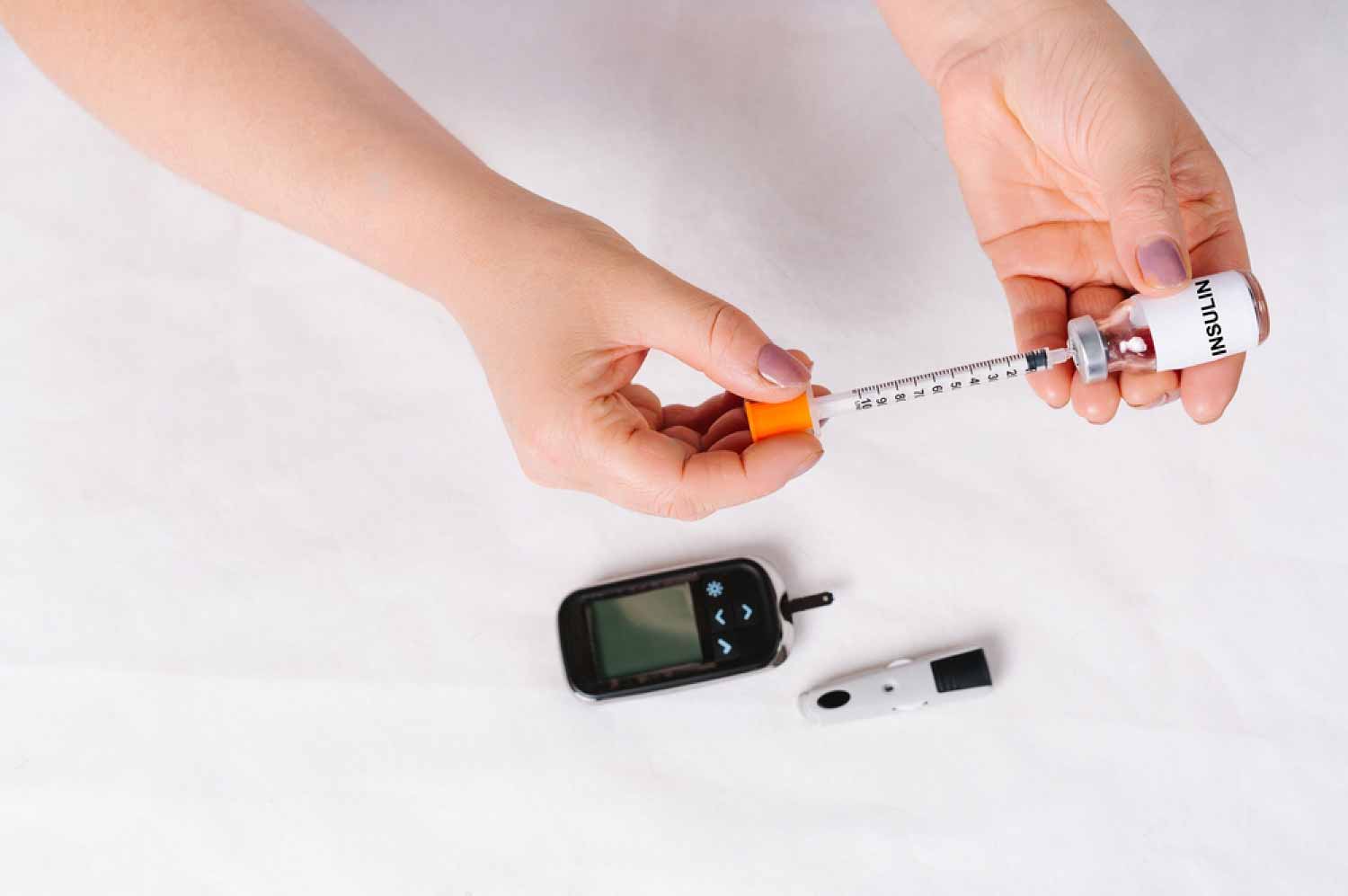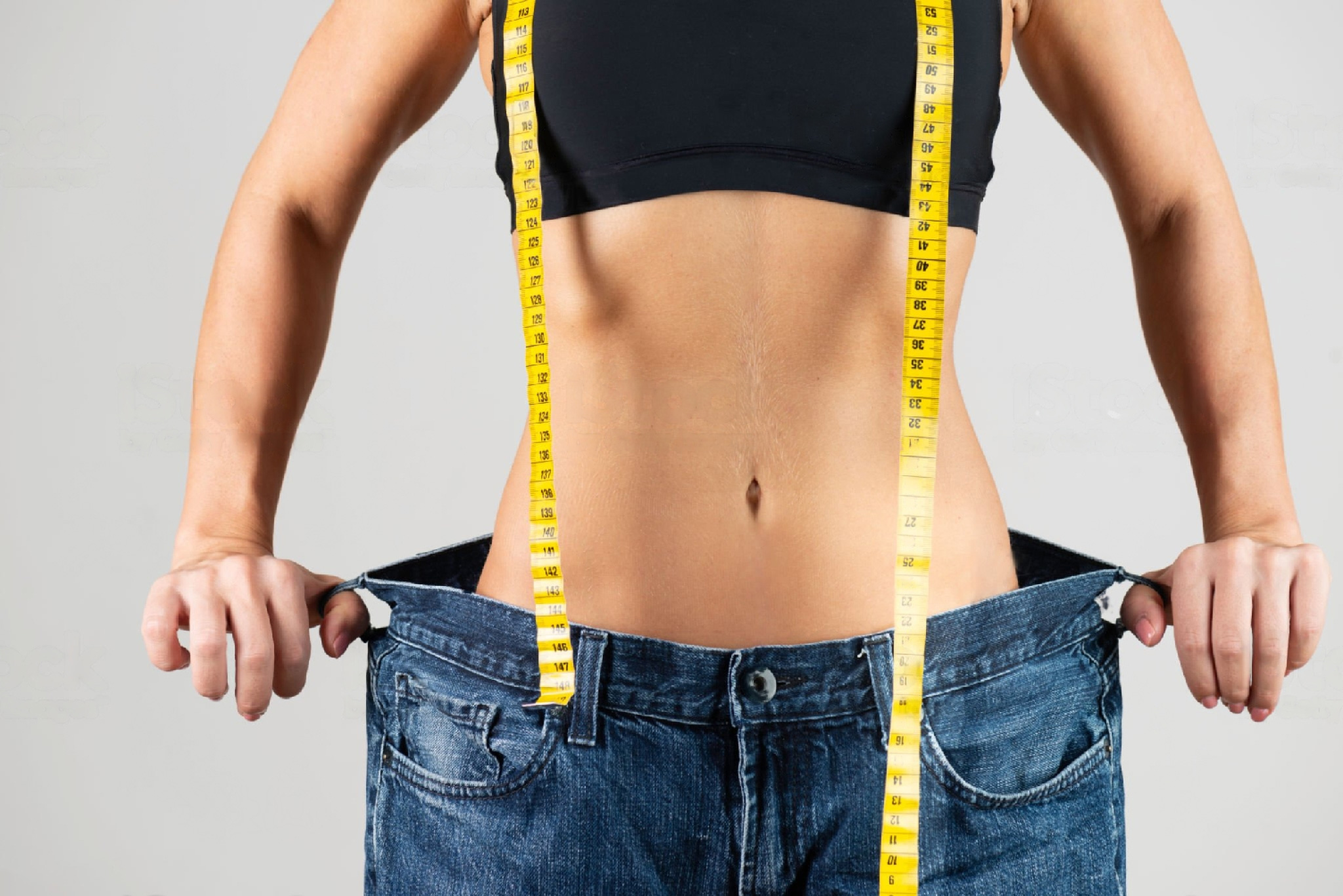


Gastric botox is an endoscopic procedure that delays gastric emptying and reduces appetite by injecting botulinum toxin into the stomach muscles. This non-surgical method is generally used as a supportive treatment for mild and moderate obesity.
The question of what gastric botox does can be explained by its effect on the weight loss process. Since the stomach treated with botox empties more slowly, the feeling of fullness lasts longer. This helps the person eat less, reduces calorie intake, and supports weight loss.
The issue of how many months gastric botox is effective is decisive in treatment planning. The effect of botulinum toxin usually lasts between 4 and 6 months. During this period, it is important for the patient to adopt diet and lifestyle changes for permanent weight control.
The advantages and disadvantages of gastric botox should be taken into consideration in the decision-making process for treatment. Its advantages include being applicable without surgery, a short recovery time, and a low risk of complications. However, its temporary effect and the fact that it does not provide the same result in every individual can be considered disadvantages.
| Definition | Gastric botox is a treatment method performed by injecting botulinum toxin into the stomach muscles and aimed at supporting weight loss. |
| Purpose | To help with weight loss by slowing stomach movements and reducing the feeling of hunger. |
| Application Method | It is performed endoscopically; botox is injected by entering the patient’s stomach with the help of a camera. |
| Type of Anesthesia | It is performed with mild sedation. |
| Procedure Duration | It takes approximately 10-15 minutes. |
| Time for Effect to Begin | It begins to show its effect within 2-3 days after the procedure. |
| Duration of Effect | Its effect usually lasts 4-6 months, after which the procedure can be repeated. |
| Side Effects | Side effects such as nausea, mild abdominal pain, and temporary bloating may be seen. |
| Advantages | Being a non-surgical method, being completed in a short time, and having a fast recovery process. |
| Disadvantages | It does not provide permanent weight loss; its effect is limited and may need to be repeated. |
| Suitable Patient Profile | It is suitable for every patient who does not want surgical intervention and has excess weight. |
| Unsuitable Conditions | People who are pregnant, breastfeeding, allergic to botox, have muscle diseases, or have serious stomach or intestinal disease. |
| Success Rate | Although it varies from person to person, it has a high success rate when supported by diet and exercise. |
| Alternative Treatments | Gastric balloon, sleeve gastrectomy, nutrition and exercise programs. |
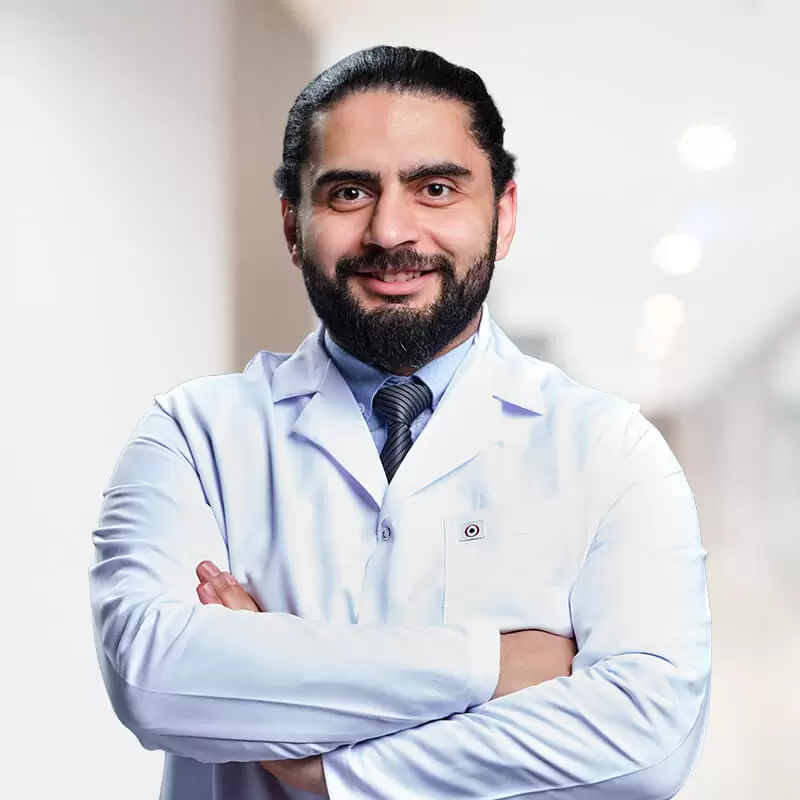
Who is Dr. Ahmet Bekin?
Dr. Ahmet Bekin, one of the doctors performing hernia surgeries in Istanbul, is specialized in general surgery. Throughout his medical career, he has gained extensive experience in hernia, reflux, and obesity surgery, as well as advanced laparoscopic and robotic surgical applications. He serves his patients with modern approaches such as minimally invasive surgery, laser surgical treatments, single incision surgery (Single Incision Surgery), endocrine and oncological surgery. He is fluent in Turkish, English, and Arabic.
- 2000 – 2006 Kocaeli University Faculty of Medicine
- 2006 – 2011 Istanbul University Faculty of Medicine (Çapa), Department of General Surgery – Specialization





İçerik
What Is Gastric Botox?
Gastric botox is a minimally invasive treatment method that aims to help with weight loss. In this procedure, botulinum toxin is injected into the stomach muscles, reducing the contraction strength of the muscles and slowing gastric emptying. Thus, patients can stay full for a longer time and their appetite can be suppressed. The effect of gastric botox usually lasts for 4-6 months, and during this period, a decrease in patients’ food intake may occur.
How Does Gastric Botox Work?

Gastric botox is a treatment method that aims to temporarily slow stomach movements with botulinum toxin applied to the stomach muscles. In this treatment, it is especially effective in the pylorus region, which controls the passage between the stomach and the small intestine. Botulinum toxin blocks acetylcholine release, causing the stomach muscles to relax and food to move more slowly. Thus, gastric emptying is delayed and the feeling of fullness is prolonged. The working principle of gastric botox is based on temporarily reducing the contractions of the stomach muscles and slowing the digestive process of food.
- Stomach muscles
- Pylorus region
- Acetylcholine inhibition
- Temporary muscle paralysis
- Delayed gastric emptying
In conditions such as pyloric spasm, gastric botox can be an effective treatment option. In this case, it can relieve symptoms such as nausea, bloating, and vomiting by accelerating gastric emptying. However, scientific studies have given conflicting results on whether gastric botox is effective in weight management or gastroparesis treatment. While it provides significant improvement in some patients, minimal effect may be seen in others. Results may vary depending on factors such as the patient’s health condition, age, and the dose applied. The effects of botox usually last for a few months and do not provide a permanent solution; therefore, the treatment period may need to be extended.
When Is Gastric Botox Used?
Gastric botox is a minimally invasive method used in the treatment of various stomach disorders. It is performed by injecting botulinum toxin type A into the stomach muscles and may be beneficial in patients with certain indications. The most common conditions in which gastric botox is used are:
- Obesity treatment
- Diabetic gastroparesis
- Functional dyspepsia
In obesity treatment, gastric botox is generally used as a supportive method for weight management. Botox delays gastric emptying, provides a long-lasting feeling of fullness, and may help reduce appetite. However, this treatment usually gives more effective results when combined with lifestyle changes such as diet and exercise. Its effect on long-term weight loss has not yet been fully proven and may vary from person to person.
In cases of diabetic gastroparesis, gastric botox may relieve symptoms such as nausea, vomiting, and bloating caused by delayed gastric emptying. The toxin is injected into the pyloric muscle, helping the muscles in this area relax and contributing to improvement in gastric emptying time. However, regular injections may be required for the continuity of the treatment effect.
There are also some experimental uses of gastric botox in patients with functional dyspepsia. Botox may relieve symptoms such as early satiety, bloating, and stomach discomfort by reducing stomach contractions.
Who Is Gastric Botox Not Suitable For?

Gastric botox is a treatment option that is not suitable for every patient and may pose serious risks in some cases. Therefore, before undergoing gastric botox, patients’ general health condition should be evaluated in detail. This treatment is generally not recommended for people with the following health problems:
- Active gastric ulcer
- Previous stomach surgery
- Neuromuscular diseases
- Pregnancy
- Breastfeeding period
Gastric botox performed without considering these contraindications may cause serious complications. Especially in patients with neuromuscular disorders, muscle weakness may increase further, while the risk of perforation increases in patients with ulcers. Since sufficient research has not been conducted for women who are pregnant or breastfeeding, these groups carry a safety risk. Before making a treatment decision, these risks must be discussed in detail with a specialist and suitable alternatives should be evaluated.
How Is Gastric Botox Applied?
Gastric botox is a minimally invasive procedure that aims to slow the digestive process by injecting botulinum toxin into the stomach muscles. This procedure is performed by a gastroenterologist with the help of endoscopy and is used especially in the management of conditions such as obesity and gastroparesis. During the procedure, sedation or general anesthesia is applied for the patient’s comfort, and the stomach is reached using an endoscope. The doctor injects botulinum toxin into the muscle layer of the stomach, thereby delaying gastric emptying. It is injected into the following regions of the stomach:
- Antrum
- Corpus
- Fundus
- Pylorus
Botulinum toxin helps the patient feel full for a longer time by slowing the movement of the stomach muscles. The injected dose usually varies between 200-500 units and is distributed across multiple injection points. Each injection targets the muscularis propria, which controls the stomach muscles. In this way, the passage of stomach contents into the intestines slows down and the patient’s satiety time is prolonged. The effectiveness of the treatment is evaluated by monitoring the patient’s weight loss and gastric emptying times during the weeks or months after the injection.
Since the gastric botox procedure is a non-surgical method, it is considered safe for patients. However, each patient’s response to treatment may be different and additional injections may be required in some cases. Although side effects of the procedure are rare, nausea, vomiting, or allergic reactions may occur.
What Are the Side Effects of Gastric Botox?
Although gastric botox injections are generally considered safe, side effects and complications may occur. These side effects may be mild or serious. Common mild side effects may affect patients’ quality of life. The common side effects and complications encountered in the gastric botox procedure are:
- Nausea
- Vomiting
- Abdominal pain
- Bloating
- Temporary constipation
In some patients, conditions such as delayed gastric emptying or worsening of gastroparesis may also be observed. Rare but serious complications include allergic reactions and weakness in distant muscle groups as a result of the toxin spreading to incorrect areas.
This treatment is being investigated especially as a non-surgical option in obesity treatment, but more long-term studies are needed regarding its effectiveness and safety. Nevertheless, each patient’s response may be different and careful follow-up is important.
How Successful Is Gastric Botox?
The success rates of gastric botox vary depending on the condition treated and the patient’s response. When applied for weight loss purposes, some patients experience moderate weight loss, while long-term effects generally remain below expectations. In gastroparesis treatment, higher success rates have been achieved on symptoms that delay gastric emptying. Different results are seen in weight loss and symptom improvement:
- Moderate weight loss
- 5-10% weight loss
- 70-90% symptom relief
Studies conducted for obesity management do not prove the superiority of gastric botox compared to other treatment methods. Especially when compared with saline injections, no significant difference has been found in weight loss. Nevertheless, high success rates have been observed in certain patient groups in relieving gastroparesis symptoms.
How to Prepare for Gastric Botox?
The preparation process for gastric botox is very important in terms of ensuring both safety and effectiveness. There are several steps that patients should pay attention to during this process. First, patients undergo a comprehensive medical evaluation. This evaluation is performed to determine suitability for treatment. At this stage, patients’ current health condition, previous illnesses, and medications they use are taken into consideration.
- Neuromuscular disorders
- Botox allergy
- BMI and weight history
- Eating habits
Pre-procedure instructions are also an important part of the preparation process. Before the endoscopy procedure, the stomach must be completely empty; therefore, patients should enter a fasting period of 6 to 12 hours. To make the procedure safer, blood thinners such as aspirin and warfarin should be stopped a few days before the procedure. This is necessary to reduce the risk of bleeding.
Although there is no strict rule regarding diet, some doctors may recommend light meals in the days before the procedure. This recommendation may help the stomach prepare more comfortably for the endoscopy procedure.
During the procedure, gastric botox is performed with a minimally invasive method. In this procedure, which is usually performed under mild anesthesia or sedation, botulinum toxin is injected into the stomach muscles. The aim is to delay gastric emptying and control appetite by reducing stomach motility.
How Should Care Be After Gastric Botox?

After gastric botox application, careful care is required for patients to have a healthy recovery process and optimize treatment results. During this period, it is very important to strictly follow the doctor’s recommendations. After the procedure, light foods that will not irritate the stomach and adequate fluid consumption should be prioritized. Physical activities should be limited and possible side effects should be observed. In order to protect patients’ general health, the following steps should be followed:
- Soft or liquid diet
- Drinking plenty of water
- Avoiding heavy physical activities
- Using prescribed medications
- Monitoring unexpected side effects
During the recovery process, it is important to avoid smoking and alcohol consumption and avoid behaviors that may irritate the stomach. In addition, the patient should regularly attend doctor check-ups and closely follow the treatment process.
How Does Resistance to Gastric Botox Develop?
Resistance to gastric botox may develop in some of the treated patients for various reasons, and this may limit treatment effectiveness. Neutralizing antibodies that develop against botulinum toxin are considered one of the leading causes of resistance to this treatment affecting the stomach muscles. In addition, insufficient dose and injection technique used during the procedure may also reduce the effectiveness of gastric botox. These factors may prevent the success of the treatment and make it difficult to achieve the expected results in patients.
- Development of neutralizing antibodies
- Incorrect injection technique
- Use of low dose
- Fibrosis or scarring in the pyloric muscle
- Advanced age
- Opioid use
In some patients, lack of response to gastric botox may be observed. Especially in diabetic and idiopathic gastroparesis cases, botulinum toxin treatment may not always show the expected effect. In addition, pyloric dysfunction may not be the main factor delaying gastric emptying, and in this case, gastric botox may result in treatment resistance. The phenomenon called tachyphylaxis causes the body’s response to repeated injections to decrease over time.
Resistance in botulinum toxin treatment may not occur for the same reasons in every patient. Patients’ health history, other medications used, or underlying stomach disorders may limit the effect of gastric botox. The fact that responses to treatment vary from person to person causes the results of such interventions not always to be predictable.
Frequently Asked Questions
How does gastric botox affect the weight loss process?
How long does it take to lose weight after gastric botox?
Can gastric botox be applied during pregnancy or breastfeeding?
Who cannot receive gastric botox?
How long does the effect of gastric botox last and can it be repeated?
What is the difference between gastric botox and gastric balloon?
How should nutrition be after gastric botox?
What are the reasons why gastric botox is not a permanent solution?
What are the side effects after gastric botox?
Is it necessary to exercise after gastric botox?
Op. Dr. Ahmet Bekin was born in Istanbul in 1983. He graduated from the Faculty of Medicine at Kocaeli University in 2006 and completed his specialty training in the Department of General Surgery at Istanbul University Çapa Faculty of Medicine in 2011. After his specialization, he worked in the fields of hernia surgery, reflux surgery, obesity surgery, advanced laparoscopic surgery, and robotic surgery. In addition, he received training in endocrine surgery, oncological surgery, and minimally invasive surgery. He is currently accepting patients from Turkey as well as from countries such as Germany and France at his private clinic located in Istanbul.