


Although the stomach does not completely return to its original state after sleeve gastrectomy, it may expand to some extent over time. This expansion is generally due to the flexible structure of the stomach walls and becomes more noticeable with the habit of overeating. However, this does not occur in every patient.
Which factors contribute to stomach expansion? In the long term, frequent and large meals, a carbohydrate-rich diet, and the consumption of carbonated beverages may increase stomach volume. These habits can strain stomach capacity and cause expansion, which negatively affects weight control.
Does stomach expansion lead to weight gain? An expanded stomach causes the feeling of fullness to occur later. This leads the patient to consume more calories, and over time weight gain may become inevitable. Therefore, portion control and dietary discipline are of great importance.
What measures should be taken to prevent stomach expansion? Eating slowly in small portions, exercising regularly, and keeping fluid intake under control help preserve stomach volume. Follow-up with a dietitian supports stomach health and weight control in the long term.
İçerik
What Is Done to the Stomach During Sleeve Gastrectomy?
Sleeve gastrectomy is performed by surgically removing approximately 75–80% of the stomach. The remaining portion takes the shape of a long, narrow tube. This new stomach structure is both smaller in volume and reduces the release of certain hormones that affect appetite.
The portion of the stomach removed during surgery is permanently separated from the body. In other words, returning to the previous, larger stomach structure is not possible. However, this does not mean that the stomach will never change over time.
Does Stomach Expansion Really Occur After Surgery?
It is not possible for the stomach to “return to its former state” after sleeve gastrectomy. However, since the remaining stomach tissue has a flexible structure, it may expand to some extent under certain conditions. This expansion is generally limited and volumetric.
The important point here is that this expansion does not occur in the same way in every patient and is often closely related to lifestyle. In other words, stomach expansion is not considered an inevitable consequence of the surgery alone.
What Factors Affect Stomach Expansion?
There are many factors that determine how the stomach behaves after surgery. These are generally related to daily habits.
Eating Habits
Consuming frequent and high-volume meals may cause continuous stretching of the stomach wall. Especially eating large amounts of food in a short time may pave the way for an increase in stomach capacity over time. In contrast, eating slowly and controlling portions have a protective effect on the stomach.
Consuming Liquids and Solid Foods Together
Drinking excessive amounts of fluids with meals may increase pressure inside the stomach. This may affect stomach flexibility, especially in the long term. Therefore, most experts recommend consuming fluids separately from meals.
High-Calorie and Soft Foods
High-calorie foods such as chocolate, ice cream, and desserts, which do not fill the stomach very much, may lead to excessive energy intake without being noticed. These foods are more closely associated with weight gain than stomach expansion; however, frequent consumption may negatively affect dietary habits.
Postoperative Follow-Up Process
Regular doctor and dietitian check-ups are important for monitoring stomach health and weight loss. Missing follow-up appointments may allow unhealthy habits to develop unnoticed.
Does Stomach Expansion Cause Weight Gain?
One of the greatest concerns for patients is whether stomach expansion leads to weight regain. An important distinction should be made at this point. Weight gain is not always caused by stomach expansion.
Some patients may experience weight gain even without a significant change in stomach volume. This is generally due to the frequent consumption of high-calorie foods, reduced physical activity, or emotional eating behaviors. Therefore, weight control is a multifactorial process that cannot be explained solely by stomach size.
How Can Stomach Expansion Be Recognized?
Stomach expansion is generally not something that can be felt on its own. However, some signs may attract patients’ attention. Situations such as being able to eat more than before and experiencing the feeling of fullness later may be observed.
When such changes are noticed, it is important to consult a specialist instead of making assumptions independently. If deemed necessary, the stomach structure may be evaluated using imaging methods.
Is It Possible to Prevent Stomach Expansion?
Protecting the stomach after surgery largely depends on the patient’s daily lifestyle. Small but sustainable habits play a decisive role at this point.
Eating slowly, chewing food thoroughly, and paying attention to portion sizes reduce pressure on the stomach. Protein-rich and fiber-rich foods may provide a longer-lasting feeling of fullness. Regular physical activity is also an important factor supporting weight control.
What Happens If Expansion Occurs?
In some patients, despite all precautions, an increase in stomach volume or weight regain may occur. In such cases, the course of action is individualized. Restructuring dietary habits, behavioral support, or medical evaluation may be necessary.
Additional surgical or endoscopic interventions are considered only under certain conditions and after specialist evaluation. It should not be forgotten that the same approach is not suitable for every patient.
The Role of Psychological Factors
Sleeve gastrectomy is not only a physical but also a psychological process of change. Stress, emotional eating habits, and expectations may affect long-term outcomes. Therefore, psychological support may contribute to a healthier recovery process for some patients.
Frequently Asked Questions
Does the stomach expand after sleeve gastrectomy, and is this considered normal?
Does stomach expansion after sleeve gastrectomy cause weight gain?
How long after sleeve gastrectomy can stomach expansion occur?
Does overeating enlarge the stomach after sleeve gastrectomy?
How can stomach expansion be recognized after sleeve gastrectomy?
What should be done to prevent stomach expansion after sleeve gastrectomy?
Is the risk of stomach expansion the same for everyone after sleeve gastrectomy?
Does the effect of sleeve gastrectomy continue even if the stomach expands?
Does stomach expansion after sleeve gastrectomy require revision surgery?
Can stomach expansion be permanently prevented after sleeve gastrectomy?
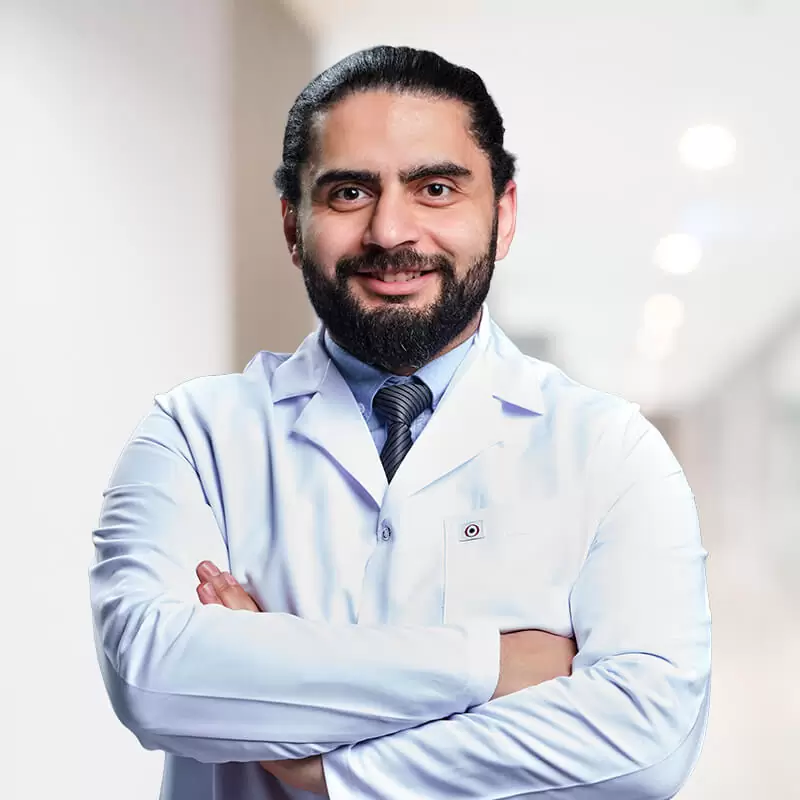
Op. Dr. Ahmet Bekin was born in Istanbul in 1983. He graduated from the Faculty of Medicine at Kocaeli University in 2006 and completed his specialty training in the Department of General Surgery at Istanbul University Çapa Faculty of Medicine in 2011. After his specialization, he worked in the fields of hernia surgery, reflux surgery, obesity surgery, advanced laparoscopic surgery, and robotic surgery. In addition, he received training in endocrine surgery, oncological surgery, and minimally invasive surgery. He is currently accepting patients from Turkey as well as from countries such as Germany and France at his private clinic located in Istanbul.


