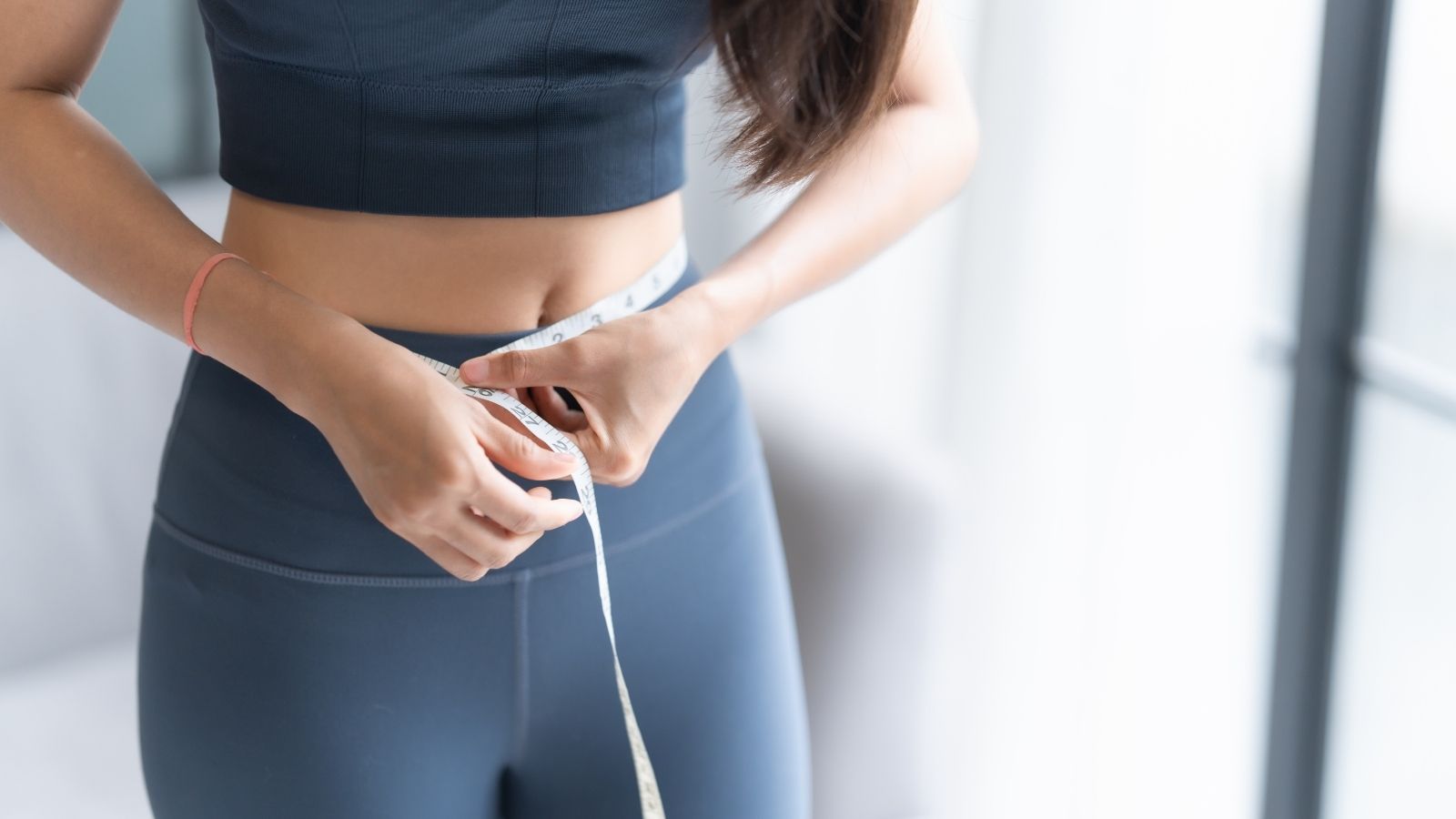


After sleeve gastrectomy surgery, there are certain restrictions that patients are required to follow. These restrictions are implemented to protect stomach health and increase the effectiveness of the surgery. Solid foods, carbonated beverages, excessively fatty or sugary foods are definitely not recommended during the postoperative period.
Which foods should be avoided after sleeve gastrectomy? During the first months, fried foods, pastries, fast food, chocolate, and high-calorie foods such as desserts are prohibited. These types of foods both strain the stomach and negatively affect weight control. Alcohol consumption can also damage the stomach lining.
What is prohibited in the postoperative lifestyle? Eating quickly, swallowing without chewing thoroughly, and eating immediately before going to bed pose serious risks. In addition, a sedentary lifestyle may prevent weight loss. Exercise should be made a regular habit with the doctor’s approval.
What are the restrictions regarding medication use and supplements? During the postoperative period, the use of certain medications, especially NSAID painkillers that may harm the stomach, is prohibited. Vitamin and mineral supplements should be taken under a doctor’s supervision, and the random use of products is definitely not recommended.
İçerik
What Does the Concept of Restrictions Mean During the Postoperative Period?
After sleeve gastrectomy surgery, “restrictions” are evaluated not as strict and lifelong rules, but as limitations recommended to support healing, reduce possible risks, and make the process safer. These limitations may vary depending on the time elapsed since the surgery, the person’s general health condition, and the doctor’s recommendations. Therefore, it should not be forgotten that the same practices may not apply to every patient.
Avoiding Solid Foods During the First Days
The first days and weeks after surgery are considered critical for the healing of stomach tissue. During this period, the consumption of solid foods is generally not recommended. Since the new stomach volume is still sensitive, solid foods may put pressure on the stomach and cause discomfort.
Patients generally follow a nutrition plan that starts with clear liquids and then progresses to pureed foods. This transition process is carried out under the supervision of a doctor and dietitian. Switching to solid foods too early may increase complaints such as nausea or vomiting.
Avoiding Carbonated and Sugary Beverages
One of the most commonly mentioned restrictions after sleeve gastrectomy surgery is carbonated beverages. Carbonated beverages may cause increased pressure inside the stomach, which may create a feeling of discomfort. In addition, gas may make it more difficult to adapt to the new stomach volume.
Sugary beverages may both fill the stomach quickly and lead to sudden fluctuations in blood sugar levels. Therefore, avoiding these types of beverages is generally recommended, especially during the first months. In the long term, the consumption of these beverages is evaluated according to personal tolerance and expert opinion.
Taking a Break from Alcohol Consumption
Alcohol is among the substances that are recommended to be restricted after sleeve gastrectomy surgery. Alcohol absorption may change after surgery and may take effect much more quickly. This may cause a feeling of intoxication sooner than expected.
In addition, alcohol may irritate the stomach lining and lead to the intake of empty calories. Therefore, alcohol consumption is generally not recommended during the first months after surgery. In later periods, alcohol use should definitely be evaluated in consultation with a doctor.
Eating Quickly and Not Chewing Thoroughly
One of the situations that can be considered a restriction after sleeve gastrectomy surgery is eating quickly. The new stomach volume can tolerate small amounts of food. When eating quickly, the stomach’s fullness signal may not be noticed, which may lead to discomfort.
Not chewing food thoroughly may similarly strain the stomach. Poorly chewed foods may create a sensation of getting stuck at the stomach outlet. Therefore, patients are expected to develop the habit of eating slowly and chewing every bite thoroughly.
Eating and Drinking Liquids at the Same Time
During the postoperative period, consuming liquids together with meals is generally restricted. The reason is that liquids quickly fill the stomach and shorten the time food remains in the stomach. This may make it more difficult to consume sufficient nutrients.
In most nutrition plans, it is recommended not to consume liquids approximately 20–30 minutes before and after meals. This rule aims to help the stomach adapt to its new volume. However, these time periods may vary from person to person and are adjusted according to expert recommendations.
Not Starting Heavy Physical Activities Too Early
Physical activity is important after sleeve gastrectomy surgery; however, the timing of each activity is different. During the first weeks, heavy lifting, intense exercise, or movements that strain the abdominal area are generally not recommended. Such activities may cause pain at the incision sites or prolong the healing process.
Light walking is considered supportive for most patients during the early period. The transition to more intense exercise is planned according to the time elapsed since surgery and the person’s general condition. At this point, expert opinion is the determining factor.
Restricting Smoking
Smoking is among the factors that may negatively affect the postoperative healing process. Nicotine may slow tissue healing and cause irritation in the stomach area. Therefore, restricting or completely quitting smoking after sleeve gastrectomy surgery is frequently emphasized.
Some patients may consider this process an opportunity to quit smoking. However, this decision is a personal process, and professional support is recommended when necessary.
Neglecting Vitamin and Mineral Supplements
Restrictions after sleeve gastrectomy surgery are not limited only to things that should not be done; neglecting what is expected to be done may also pose risks. Irregular use of vitamin and mineral supplements recommended by the doctor may lead to deficiencies over time.
The supplements required by each patient may be different. Therefore, generalizations such as “everyone needs the same supplements” are avoided. It is important to reassess needs through regular check-ups.
Postponing Specialist Follow-Up Appointments
The postoperative follow-up process is just as important as the surgery itself. Neglecting follow-up appointments may cause possible problems to be detected late. This may make the healing process more difficult.
Regular appointments with the doctor and dietitian are important for evaluating both physical adaptation and eating habits. Although the frequency of follow-up appointments varies from person to person, they are expected not to be neglected completely.
Frequently Asked Questions
Which foods and beverages should be avoided during the first weeks after sleeve gastrectomy surgery?
Why is consuming carbonated beverages prohibited after sleeve gastrectomy surgery?
Why should smoking be stopped after sleeve gastrectomy surgery?
How long is alcohol consumption prohibited after sleeve gastrectomy surgery?
Why is heavy lifting considered harmful after sleeve gastrectomy surgery?
Why is eating quickly prohibited after sleeve gastrectomy surgery?
Why is drinking water with meals not recommended after sleeve gastrectomy surgery?
Why are high-sugar snacks restricted after sleeve gastrectomy surgery?
Why is it risky to miss doctor follow-up appointments after sleeve gastrectomy surgery?
What problems may result from not following the restrictions after sleeve gastrectomy surgery?
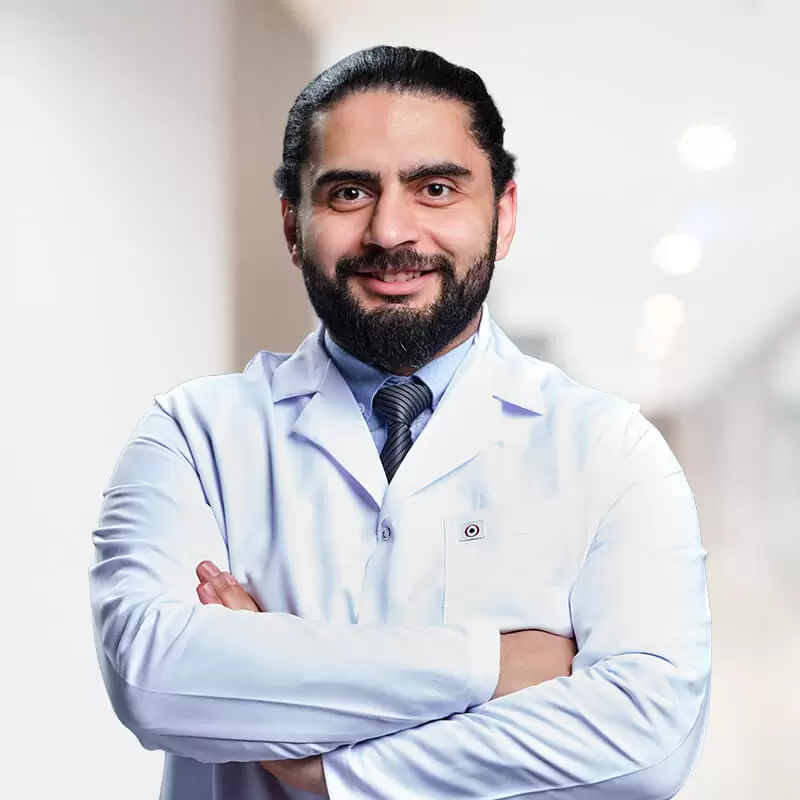
Op. Dr. Ahmet Bekin was born in Istanbul in 1983. He graduated from the Faculty of Medicine at Kocaeli University in 2006 and completed his specialty training in the Department of General Surgery at Istanbul University Çapa Faculty of Medicine in 2011. After his specialization, he worked in the fields of hernia surgery, reflux surgery, obesity surgery, advanced laparoscopic surgery, and robotic surgery. In addition, he received training in endocrine surgery, oncological surgery, and minimally invasive surgery. He is currently accepting patients from Turkey as well as from countries such as Germany and France at his private clinic located in Istanbul.