

After sleeve gastrectomy surgery, the stomach does not anatomically return to its previous state. During this surgery, approximately 75–80% of the stomach is permanently removed; therefore, the removed portion does not regenerate. The remaining stomach stays in a tube-shaped form with a significantly reduced volume.
Can the stomach expand after sleeve gastrectomy? Yes, a certain degree of expansion in the remaining stomach volume may be observed over time. This is generally associated with excessive and uncontrolled food intake. However, this expansion does not mean that the stomach returns to its original state.
How does the diet after sleeve gastrectomy affect the stomach? After surgery, a strict diet and lifestyle change are required. If a protein-rich diet with small portions and frequent meals is not adopted, the risk of stomach expansion increases, and weight control may become more difficult.
Can revision surgery be performed to restore the stomach after surgery? If the stomach volume increases significantly or weight gain starts again, sleeve gastrectomy revision surgery may be performed with a second surgical intervention. This procedure aims to reduce the stomach again or convert to another bariatric surgery.
İçerik
What is done to the stomach during sleeve gastrectomy?
Sleeve gastrectomy is a procedure in which a large portion of the stomach is surgically removed. After this procedure, the stomach takes on a long, narrow tube shape, and its volume is significantly reduced. At the same time, the part of the stomach where certain hormones affecting appetite are secreted is also removed, so many patients experience a decrease in hunger.
There is one important point here: The stomach tissue removed during surgery does not grow back. In other words, the stomach does not anatomically regain its previous volume. However, this does not mean that the stomach will never change over time.
Can the stomach expand after surgery?
After sleeve gastrectomy, the stomach has a very small volume, especially during the first months. During this period, a feeling of fullness occurs with a small amount of food. Over time, the stomach may gain a certain degree of stretching capacity. This is part of the body’s natural adaptation process.
However, this stretching is not enough for the stomach to reach its preoperative volume. Rather, it should be considered as a slight increase from the initially very limited volume. In other words, the stomach does not “return to its previous state,” but in some people, more expansion than expected may occur.
What factors affect stomach expansion?
The extent to which the stomach expands over time varies from person to person. Many factors affect this process, with eating habits being among the most important.
Frequently consuming high-volume portions, eating quickly, and continuing to eat despite feeling full may place pressure on the stomach wall. Carbonated beverages and high-calorie liquid foods, in particular, are among the factors that may strain stomach volume.
In addition, failing to follow the recommended postoperative follow-up program, missing regular check-up appointments, and neglecting the support of a nutrition specialist may also indirectly affect stomach expansion.
Does regaining weight mean the stomach has returned to its previous state?
People who experience weight gain after a certain period following surgery often think that the stomach has completely returned to its previous state. However, weight gain is not always directly related to stomach volume.
Factors such as easily consuming liquid calories, frequent snacking, emotional eating behaviors, and reduced physical activity may lead to weight gain even if stomach volume has not changed significantly. Therefore, weight gain does not always mean that the stomach has “failed.”
How does the stomach change during the postoperative period?
The process after sleeve gastrectomy is generally divided into several stages. During the first months, the stomach is quite sensitive, and nutrition progresses through liquid–pureed–soft food stages. During this period, stomach capacity is very limited, and the tolerance for mistakes is low.
As solid foods are gradually introduced in the following months, the stomach adapts to a certain extent. This adaptation is considered part of a healthy process. However, the habits developed during this stage directly affect the long-term behavior of the stomach.
Does everyone experience stomach expansion?
No. Not everyone who undergoes sleeve gastrectomy experiences stomach expansion. Some patients may preserve most of the postoperative stomach volume for many years. This is generally observed more frequently in individuals who have a high awareness of nutrition, eat slowly, and pay attention to fullness signals.
It should be emphasized that expecting “the same result for everyone” is not realistic. Metabolic structure, eating behaviors, psychological factors, and lifestyle may influence this process in different ways.
What happens if the stomach returns to its previous state?
From a medical perspective, it is not expected for the stomach to return completely to its original anatomical volume. However, in rare cases, significant expansion may occur. In such cases, the individual may be able to consume larger amounts of food, making weight control more difficult.
Such situations definitely require specialist evaluation. Personalized dietary adjustments, behavioral support, or additional medical approaches may be considered. The appropriate course of action is determined based on an individual assessment.
Is it possible to protect the stomach in the long term?
The long-term success of sleeve gastrectomy depends not only on the surgery itself but also on the lifestyle adopted afterward. Eating slowly, taking small bites, paying attention to the separation of liquids and solids, and engaging in regular physical activity may help preserve stomach capacity.
In addition, postoperative follow-up is not limited to the first year alone. Long-term check-ups are important for the early detection of possible risks.
Frequently Asked Questions
Does the stomach completely return to its previous state after sleeve gastrectomy?
How common is stomach expansion after sleeve gastrectomy?
If the stomach returns to its previous state after sleeve gastrectomy, will weight be regained?
What should be considered to prevent stomach stretching after sleeve gastrectomy?
Do frequent and large portions enlarge the stomach after sleeve gastrectomy?
How can stomach expansion be recognized after sleeve gastrectomy?
Can weight be regained after sleeve gastrectomy even if the stomach has not returned to its previous state?
Does stomach expansion occur to the same extent in everyone after sleeve gastrectomy?
If the stomach does not return to its previous state after sleeve gastrectomy, will weight loss be permanent?
Can excessive stomach expansion after sleeve gastrectomy be treated?
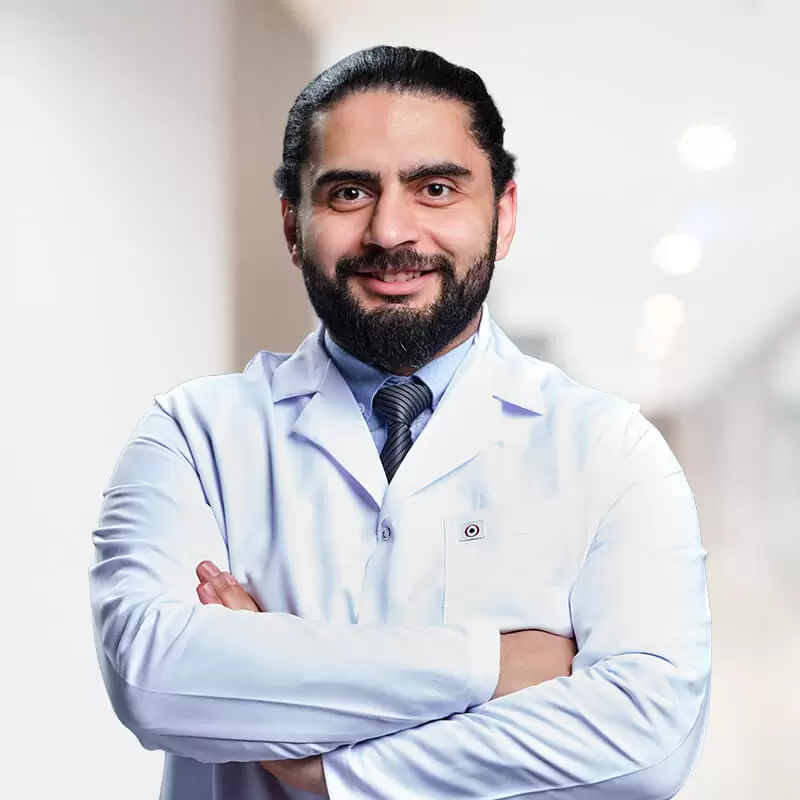
Op. Dr. Ahmet Bekin was born in Istanbul in 1983. He graduated from the Faculty of Medicine at Kocaeli University in 2006 and completed his specialty training in the Department of General Surgery at Istanbul University Çapa Faculty of Medicine in 2011. After his specialization, he worked in the fields of hernia surgery, reflux surgery, obesity surgery, advanced laparoscopic surgery, and robotic surgery. In addition, he received training in endocrine surgery, oncological surgery, and minimally invasive surgery. He is currently accepting patients from Turkey as well as from countries such as Germany and France at his private clinic located in Istanbul.