


Weight gain after sleeve gastrectomy surgery is primarily caused by unhealthy eating habits that develop over time. Although the stomach volume is reduced, consuming high-calorie and low-volume foods can disrupt calorie balance. This situation leads to weight regain.
Which dietary mistakes cause weight gain? Carbonated beverages, sweets, fried foods, and high-calorie foods consumed quickly trigger weight gain. In addition, skipping meals, irregular eating habits, and inadequate protein intake also negatively affect metabolism.
How does stomach enlargement affect weight gain? Over time, stretching of the stomach causes a reduced feeling of fullness. This creates a desire to eat more, increasing calorie intake. In the long term, this reduces the effectiveness of the surgery and paves the way for weight regain.
How do psychological factors and lifestyle changes affect weight gain? Stress, emotional eating disorders, and physical inactivity can make weight control more difficult. Therefore, supportive approaches such as psychological support, behavioral therapy, and an exercise plan are important for long-term weight control.
İçerik
Does Sleeve Gastrectomy Completely Prevent Weight Gain?
Sleeve gastrectomy is performed by surgically removing a large portion of the stomach. As a result, the stomach volume decreases, and the release of certain hormones that affect appetite is reduced. The surgery is a powerful tool that facilitates weight loss; however, it does not provide a permanent guarantee on its own.
Over time, the body adapts to the new condition. The stomach capacity may stretch to some extent, and old eating habits may return. Therefore, the surgery is considered the beginning of a long-term process.
Changes in Eating Habits Over Time
During the first months after surgery, patients are generally satisfied with very small portions. However, as months and years pass, some patients may begin snacking more frequently. Especially liquid or soft high-calorie foods can lead to high energy intake without straining the stomach.
Sugary drinks, packaged snacks, or desserts may increase daily calorie intake without being noticed. Even if the patient thinks, “I eat very little,” the quality of the calories consumed may pave the way for weight gain.
Carbohydrate-Based Nutrition Instead of Protein
Protein intake is important in nutrition after sleeve gastrectomy. Protein increases the feeling of fullness and helps prevent muscle loss. However, some patients gradually reduce their protein intake and turn to carbohydrates such as bread, pasta, or desserts.
This change may lead to both increased hunger and increased fat mass. In addition, reduced muscle mass lowers the metabolic rate, making weight gain easier.
Neglecting Physical Activity
A significant portion of weight loss after surgery occurs within the first year. During this period, regular physical activity both supports weight loss and helps maintain the weight that has been lost. However, some patients may gradually move away from an active lifestyle.
Stopping daily walks or increasing sedentary work can disrupt energy balance. When consumed calories are not burned, weight gain may become inevitable.
Emotional Eating and Psychological Factors
For many patients, the weight problem is not only physical. Emotions such as stress, anxiety, loneliness, or unhappiness may affect eating behavior. Even though the stomach becomes smaller after surgery, the tendency toward emotional eating may not disappear completely.
Some patients continue to use eating as a method of relief. This situation may lead to weight gain, especially when combined with high-calorie and easily consumed foods.
Expansion of the Stomach Over Time
After sleeve gastrectomy surgery, the stomach initially has a very small volume. However, when large portions are consumed frequently and without control, the stomach wall may gradually stretch. This enlargement means a greater capacity for eating.
Stomach enlargement is generally not sudden; it develops slowly and unnoticed. By the time the patient realizes they can eat more than before, weight gain may have already begun.
Neglecting Follow-Up and Checkups
Regular doctor and dietitian follow-up appointments after surgery are important for ensuring that the process progresses healthily. During these checkups, the dietary plan, vitamin-mineral balance, and weight changes are evaluated.
Some patients may neglect follow-up appointments after the first year. However, weight gain usually begins with small changes, and if detected early, it is easier to manage.
Hormonal and Metabolic Factors
Each individual’s metabolism is different. Thyroid diseases, insulin resistance, or hormonal fluctuations can make weight control more difficult. Sleeve gastrectomy alone does not eliminate such problems.
Therefore, endocrinological evaluation may be appropriate if necessary for patients who experience weight gain after surgery. Clinical decisions are always considered on an individual basis.
What Should Be Done If Weight Gain Occurs?
When weight gain is noticed after sleeve gastrectomy surgery, it is important to review the process without panicking. Eating habits, daily activity level, and psychological status should be evaluated.
Seeking support from a specialist may help correct unhealthy habits at an early stage. For some patients, reorganizing nutritional education is sufficient, while in some cases, a multidisciplinary approach may be required.
Frequently Asked Questions
Why may patients start gaining weight again after sleeve gastrectomy surgery?
How does stomach enlargement lead to weight gain after sleeve gastrectomy surgery?
Do sugary and high-calorie beverages cause weight gain after sleeve gastrectomy surgery?
Does a sedentary lifestyle affect weight regain after sleeve gastrectomy surgery?
Does emotional eating cause weight gain after sleeve gastrectomy surgery?
How does protein deficiency affect weight control after sleeve gastrectomy surgery?
Can hormonal changes cause weight regain after sleeve gastrectomy surgery?
Does missing follow-up appointments increase weight gain after sleeve gastrectomy surgery?
Why does snacking lead to weight gain after sleeve gastrectomy surgery?
Which habits are important to avoid regaining weight after sleeve gastrectomy surgery?
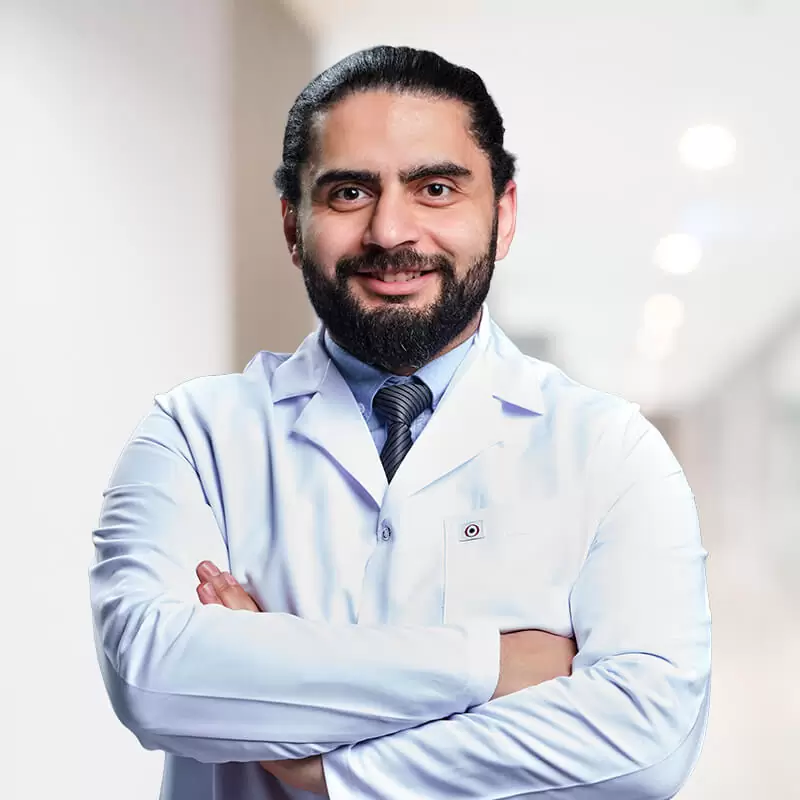
Op. Dr. Ahmet Bekin was born in Istanbul in 1983. He graduated from the Faculty of Medicine at Kocaeli University in 2006 and completed his specialty training in the Department of General Surgery at Istanbul University Çapa Faculty of Medicine in 2011. After his specialization, he worked in the fields of hernia surgery, reflux surgery, obesity surgery, advanced laparoscopic surgery, and robotic surgery. In addition, he received training in endocrine surgery, oncological surgery, and minimally invasive surgery. He is currently accepting patients from Turkey as well as from countries such as Germany and France at his private clinic located in Istanbul.


