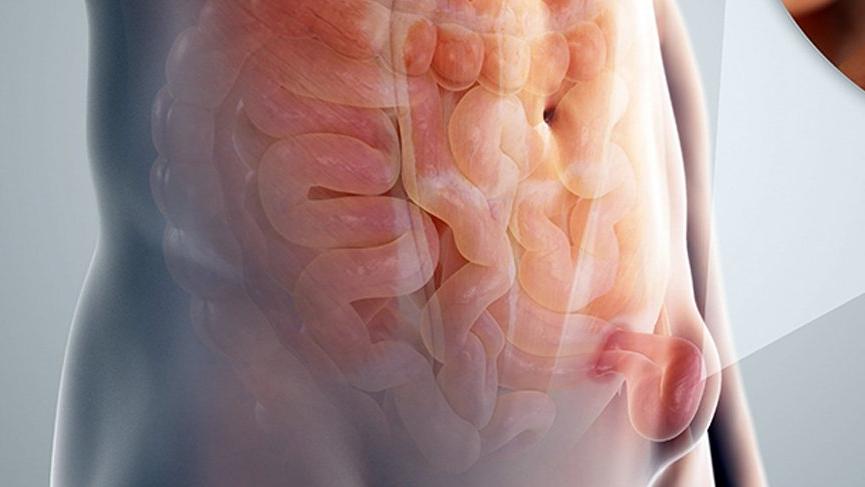


When consumed as a snack or before going to bed at night, kefir may support the weight loss process during a diet. Thanks to its probiotic content, it regulates the gut microbiota, facilitates digestion, and prolongs the feeling of fullness. With its low-calorie structure, it helps balance daily energy intake.
The question of when kefir should be consumed is especially important for individuals aiming for weight control. When consumed on an empty stomach in the morning, it may contribute to activating the metabolism. Consuming it after exercise supports the fat-burning process by helping control appetite while supporting muscle repair.
Whether drinking kefir at night helps with weight loss is among the frequently researched topics. Kefir consumed before bedtime contributes to balancing blood sugar and may reduce nighttime hunger attacks. This indirectly supports the weight loss process by preventing unnecessary calorie intake.
When evaluated in terms of whether consuming kefir as a snack helps with weight loss, it is seen that its high protein and probiotic content provides long-lasting satiety. It contributes to balanced nutrition, especially in low-carbohydrate diets, and optimizes the metabolic process by improving gut health.
İçerik
Nutritional Content and Metabolic Effects of Kefir
Kefir contains milk proteins, especially casein and whey proteins, calcium, B vitamins, and live probiotic microorganisms. These microorganisms may regulate digestive system functions by supporting the gut microbiota.
It is known that there is a strong relationship between the gut microbiota and energy metabolism. Disruption of the microbial balance, known as dysbiosis, is associated with insulin resistance, inflammation, and weight gain. Probiotic sources such as kefir are thought to positively affect metabolic processes by increasing microbial diversity.
However, this effect varies from person to person, and it is not scientifically accurate to expect significant weight loss from kefir consumption alone.
Drinking Kefir on an Empty Stomach in the Morning
Consuming kefir in the morning, especially on an empty stomach, is thought to activate the digestive system. Although probiotics consumed when the stomach is empty after fasting encounter stomach acid, some may reach the intestines and contribute to microbial balance.
In addition, kefir may increase the feeling of fullness due to its protein content. Proteins have an effect that slows gastric emptying and may contribute to a decrease in ghrelin, the hunger hormone. This may help control calorie intake throughout the day.
However, consuming dairy products on an empty stomach may cause discomfort in individuals with reflux, gastritis, or lactose intolerance. Therefore, it may not be a suitable time for everyone.
Consuming Kefir as a Snack
One of the most frequently recommended ways to consume kefir during weight control is as a snack. Particularly prolonged periods of fasting may lead to blood sugar fluctuations. Kefir may be preferred as a snack alternative due to its low to moderate calorie content and protein content.
This form of consumption:
- May reduce sudden hunger attacks
- May contribute to blood sugar balance
- May limit cravings for sweets
However, what is important here is total daily energy intake. If kefir consumption is added to other calorie sources, weight gain rather than weight loss may also occur.
Drinking Kefir Before Going to Bed at Night
There are studies suggesting that protein sources consumed at night may support muscle protein synthesis. Foods containing casein in particular may provide amino acid release throughout the night because they are digested slowly.
Consuming kefir at night may, in some individuals:
- Reduce the feeling of hunger at night
- Prevent high-calorie snacking late at night
However, liquid foods consumed immediately before bedtime may increase reflux symptoms in some individuals. It should also be remembered that calories consumed late at night are included in the total daily energy balance.
Consuming Kefir After Exercise
Protein intake after resistance exercise or aerobic training is important for muscle repair. Kefir may contribute to post-exercise recovery thanks to the whey protein it contains.
Preserving muscle mass is a critical factor in the weight loss process in terms of maintaining the basal metabolic rate. The goal is to achieve fat loss without muscle loss. Therefore, consuming kefir after exercise may indirectly support metabolic health.
However, portion size and the individual’s energy needs must definitely be taken into consideration.
Does Kefir Really Help with Weight Loss?
The effects of probiotics on weight loss have been examined in the scientific literature. Some studies show that certain probiotic strains may contribute to a slight decrease in body weight. However, this effect is generally limited and does not provide significant weight loss on its own.
The possible contributions of kefir are as follows:
- Prolonging the feeling of fullness
- Supporting bowel regularity
- Helping reduce inflammation
- Contributing to blood sugar balance
However, weight loss is a multifactorial process that includes creating a calorie deficit, balanced nutrition, regular physical activity, and a healthy sleep routine.
Who Should Be Careful?
Although kefir is considered safe for healthy individuals, caution should be exercised in certain situations:
- Lactose intolerance
- Milk protein allergy
- Irritable bowel syndrome, in certain subtypes
- Individuals with a suppressed immune system
For these individuals, evaluation by a physician or dietitian before consumption is important.
Frequently Asked Questions
When should kefir be consumed during a diet to support weight loss, and how does it contribute to the weight loss process?
Does drinking kefir on an empty stomach help with weight loss more effectively?
Should kefir be consumed as a snack or with main meals during a diet?
Can drinking kefir before going to bed at night contribute to weight loss?
Does kefir speed up metabolism and increase fat burning?
Can consuming kefir during a diet help control appetite?
Which foods can be consumed with kefir to stay full for longer?
Can drinking kefir every day be beneficial during the weight loss process?
Should full-fat or low-fat kefir be preferred while dieting?
Is it possible to achieve permanent weight loss by consuming kefir?

Op. Dr. Ahmet Bekin was born in Istanbul in 1983. He graduated from the Faculty of Medicine at Kocaeli University in 2006 and completed his specialty training in the Department of General Surgery at Istanbul University Çapa Faculty of Medicine in 2011. After his specialization, he worked in the fields of hernia surgery, reflux surgery, obesity surgery, advanced laparoscopic surgery, and robotic surgery. In addition, he received training in endocrine surgery, oncological surgery, and minimally invasive surgery. He is currently accepting patients from Turkey as well as from countries such as Germany and France at his private clinic located in Istanbul.