

Foods containing iron include animal-based foods such as organ meats, red meat, seafood, and turkey, as well as plant-based sources such as lentils, chickpeas, spinach, pumpkin seeds, and molasses. This mineral, which directly determines the body’s oxygen-carrying capacity and energy levels, works like a biological fuel, enabling tissue renewal and helping cells breathe. Properly including iron, the fundamental building block of blood cells, in your daily meals plays a critical role in every biological process, from strengthening the immune system to wound healing. Consuming these rich sources is the key to a healthy metabolism and strong blood values.
İçerik
What Are Animal-Based Foods Containing Iron?
The iron we obtain through nutrition is biologically divided into two main categories according to the body’s ability to process it. The first and most valuable form for our body is called “heme iron.” This type of iron is naturally found directly in the structure of animal tissues, blood, and muscle cells. The most remarkable feature of animal-based iron is that it encounters almost no obstacles as it passes through our digestive system. A low level of stomach acid or certain inhibitory substances in other foods consumed during the same meal do not significantly affect the absorption of this iron into the bloodstream. Our intestines seem to recognize this form in advance and absorb it directly into the blood through a special pathway. For this reason, animal foods are the first sources to consider when iron stores need to be replenished quickly.
The primary sources in this group are as follows:
- Liver
- Spleen
- Kidney
- Beef
- Lamb
- Oysters
- Mussels
- Shrimp
- Turkey meat
- Chicken meat
- Tuna
- Mackerel
The organ meats listed above, especially liver, are among the most concentrated natural sources of iron. In fact, a serving of only one hundred grams of liver may be sufficient to meet a very large portion of the daily iron requirement on its own. Moreover, a significant proportion of the iron in liver is in a form that can be absorbed into the bloodstream immediately. Beef and lamb, which we know as red meat, are fundamental components of a strong nutrition plan because they contain high-quality protein and are easily accessible in our meals. These meats, which nourish muscle tissue and accelerate tissue repair, help patients get out of bed more quickly after a surgical procedure.
For those who enjoy seafood, shellfish, especially oysters and mussels, contain much more iron than expected. For individuals who prefer white meat, the darker parts of chicken and turkey, namely the thigh and drumstick sections, have a much richer iron content than breast meat. In addition, consuming fatty fish such as tuna and mackerel not only provides the body with iron but also creates an excellent healing environment together with Omega-3 fatty acids, which repair cell membranes and reduce inflammation.
What Are Plant-Based Foods Containing Iron?
A very large portion of the iron we consume in daily life actually comes from plant-based foods. However, plant-based iron undergoes a highly challenging biological process in the body. The iron found in plants is not in a directly absorbable form. To pass from the intestines into the bloodstream, it must first undergo an intense acid bath in the stomach and have its chemical structure completely altered. This conversion process depends heavily on how effectively the stomach produces acid and on the presence of other supportive substances consumed during the same meal. Because of this difficult process, no matter how rich plant sources are in iron, only a very small percentage of the iron they contain may successfully enter the bloodstream.
The most important plant-based sources in this group are as follows:
- Lentils
- Dried beans
- Chickpeas
- Spinach
- Swiss chard
- Tofu
- Pumpkin seeds
- Dark chocolate
- Dried apricots
- Raisins
- Figs
- Carob molasses
- Grape molasses
The foods on this list are invaluable for people following a plant-based diet and those who want to reduce meat consumption. Legumes such as lentils, dried beans, and chickpeas not only provide iron but also help the digestive system function regularly like a clock due to their high fiber content. Dark green leafy vegetables such as spinach and Swiss chard are indispensable parts of our traditional cuisine. Tofu, made from soybeans, is an excellent alternative that provides both plant-based protein and iron.
Pumpkin seeds, which may be consumed as a snack or between meals, provide the body with valuable iron support together with other essential minerals such as magnesium and zinc. For those who want to maintain healthy blood values while controlling sweet cravings, dark chocolate with a high cocoa content is a unique choice. Dried fruits and varieties of molasses, which hold an important place in our traditional culture, naturally balance blood sugar and provide significant raw materials for blood production processes, especially at breakfast or during times when energy is needed most.
What Should We Do to Increase Iron Absorption from Foods?
Preparing a plate rich in iron is only the beginning. The real skill lies in ensuring that the iron on that plate enters the bloodstream without being wasted. Nature offers us a remarkable key for increasing the absorption of plant-based iron: vitamin C. Vitamin C combines with plant-based iron molecules in the stomach, preserves their structure, and ensures that they remain in the special form that can be easily absorbed through the intestines. Combining the right foods in the same meal can instantly multiply the benefits received.
The following foods strongly support iron absorption:
- Orange
- Lemon
- Grapefruit
- Strawberry
- Kiwi
- Broccoli
- Carrot
- Cabbage
- Tomato
- Red pepper
Applying this information to daily life is extremely simple. For example, squeezing plenty of fresh lemon over spinach or leek dishes greatly increases the absorption rate of the iron in those foods. Likewise, consuming a green salad with fresh tomatoes, peppers, and plenty of lemon dressing alongside dried beans or lentils makes plant-based iron much more usable for the body. Drinking freshly squeezed orange juice or grapefruit juice with molasses or eggs at breakfast is one of the smartest steps an individual who wants to improve blood values can take. In addition, vitamin A, which is abundant in vegetables such as carrots and cabbage, directly supports blood cell production by accelerating the transport of absorbed iron to the bone marrow.
Which Habits Prevent Iron Absorption from Foods?
While some foods support iron absorption, certain seemingly harmless daily habits may cause the iron we consume to be eliminated from the body without ever entering the bloodstream. One of the most common dietary mistakes in our country is consuming large amounts of tea immediately after or during meals. The tannins in tea and the polyphenols in coffee attach to iron molecules in the stomach like magnets. As a result of this binding, such a large and complex molecule is formed that the intestinal walls cannot absorb it into the cells. Consequently, the iron in those valuable foods is excreted through stool without providing any benefit to the body.
The factors that significantly inhibit iron absorption are as follows:
- Black tea
- Green tea
- Coffee
- Milk
- Yogurt
- White cheese
- Yellow cheese
- Ayran
- Kefir
To eliminate this interference, tea and coffee consumption should be completely separated from meals. Avoiding tea or coffee for at least one hour before and one hour after a main meal rich in iron allows sufficient time for iron to be processed freely in the stomach. Another important inhibitor is calcium. Calcium is a particularly interesting mineral because it is the only nutrient that can slow the absorption of both animal-based and plant-based iron at the same time. Milk, yogurt, cheese, and ayran are excellent for bone health; however, they should be avoided during meals that include red meat or are intended to replenish iron stores. For example, choosing freshly squeezed fruit juice or lemonade instead of ayran with meatballs helps maximize the absorption of iron from the meatballs. Consuming dairy products at different times of the day, during snacks that do not contain iron, is a much healthier plan.
Why Does Iron Absorption Deteriorate After Bariatric Surgery?
The digestive system of individuals who struggle with severe obesity and therefore undergo surgery involving anatomical changes, such as sleeve gastrectomy or gastric bypass, functions through a completely different mechanism compared to before surgery. While these operations help individuals lose weight and recover from metabolic diseases, they also significantly impair the absorption of essential minerals such as iron. These patients need to understand this new biological system very well to avoid developing anemia in the months and years following surgery.
The main factors that impair iron absorption in individuals who have undergone bariatric surgery are as follows:
- Reduction in stomach volume
- Decrease in stomach acid production
- Bypassing the duodenum
- Development of intolerance to red meat
- Reduction in the amount of food consumed daily
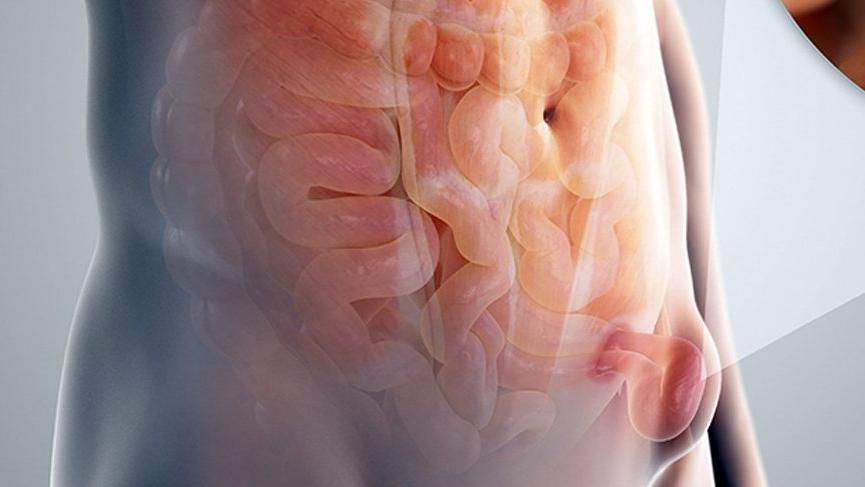
In sleeve gastrectomy procedures, a large portion of the stomach is removed, dramatically reducing the amount of stomach acid needed to digest foods and convert plant-based iron into an absorbable form. Iron that does not pass through a sufficient acid bath cannot become ready for absorption when it reaches the intestines. In bypass procedures, the situation is somewhat different. After food leaves the stomach, it normally passes through the duodenum, which is the main site where iron is absorbed into the body. However, in bypass surgery, food completely bypasses this area and is directed to lower sections of the intestine. In other words, iron continues on its path without passing through the primary site where it should be absorbed.
Moreover, after these operations, a large proportion of patients, especially during the first months, develop an aversion to and difficulty digesting red meat, which is the most valuable source of iron. Portion sizes become very small due to volume restriction. When all these factors come together, patients who have undergone bariatric surgery must eat in a highly conscious and strategic manner to keep their iron stores full. Strictly following the rule of not consuming liquids with meals, prolonging the time solid foods remain in the stomach, and allowing them to stay in contact with acid for longer are extremely valuable for these patients.
Why Is Iron Important for Wound Healing in Hernia Surgery?
The treatment of hernias that develop in the abdominal wall, groin, or over a previous surgical incision involves surgically reconstructing the body’s disrupted mechanical integrity. Even if a mesh is placed or strong sutures are used during this repair, the ultimate durability depends on the strength of the scar tissue, namely the collagen fibers, produced by the patient’s own body in that area. Collagen acts like a biological cement that holds our tissues together, and iron is an indispensable building block for the production and strengthening of this cement.
If a person who has undergone hernia surgery has iron deficiency in the blood, the collagen tissue produced becomes weak, poor in quality, and less flexible. Because oxygen-carrying capacity decreases, insufficient oxygen reaches the wound area, slowing healing and reducing the region’s resistance to infection. Months later, pressure generated during daily activities may cause this poorly healed tissue to tear again and lead to hernia recurrence.
However, there is a very delicate balance here. Oral medications used to correct iron deficiency often tend to slow bowel movements and cause severe constipation. Straining during bowel movements due to constipation after hernia surgery greatly increases intra-abdominal pressure and may endanger newly placed sutures. To resolve this paradox, a surgical patient receiving iron treatment must include foods in the diet that help keep bowel movements soft.
The high-fiber and bowel-friendly foods that should be consumed during this process are as follows:
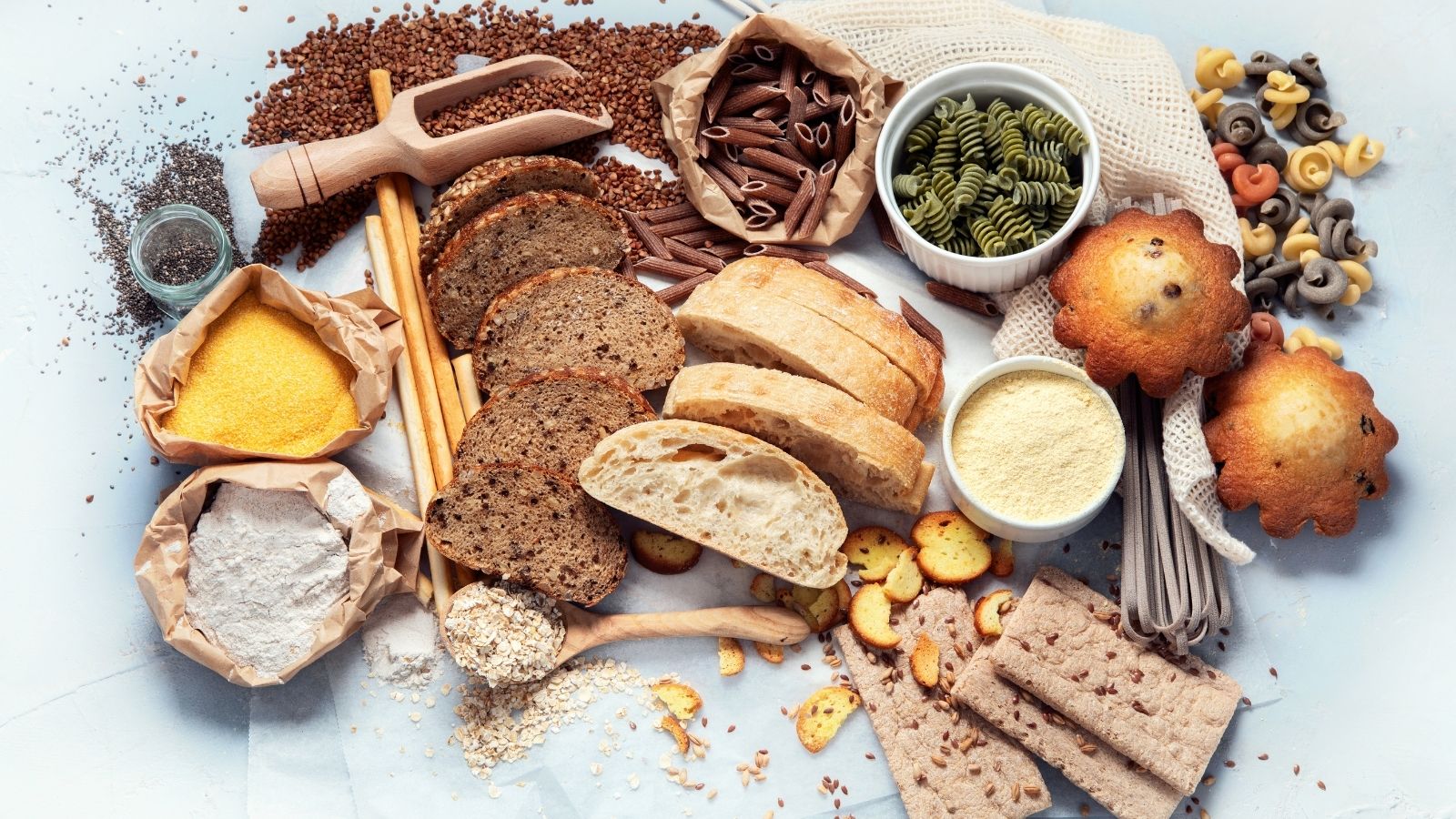
- Oatmeal
- Prunes
- Flaxseed
- Chia seeds
- Vegetables cooked with olive oil
- Fresh fruits
- Plenty of water
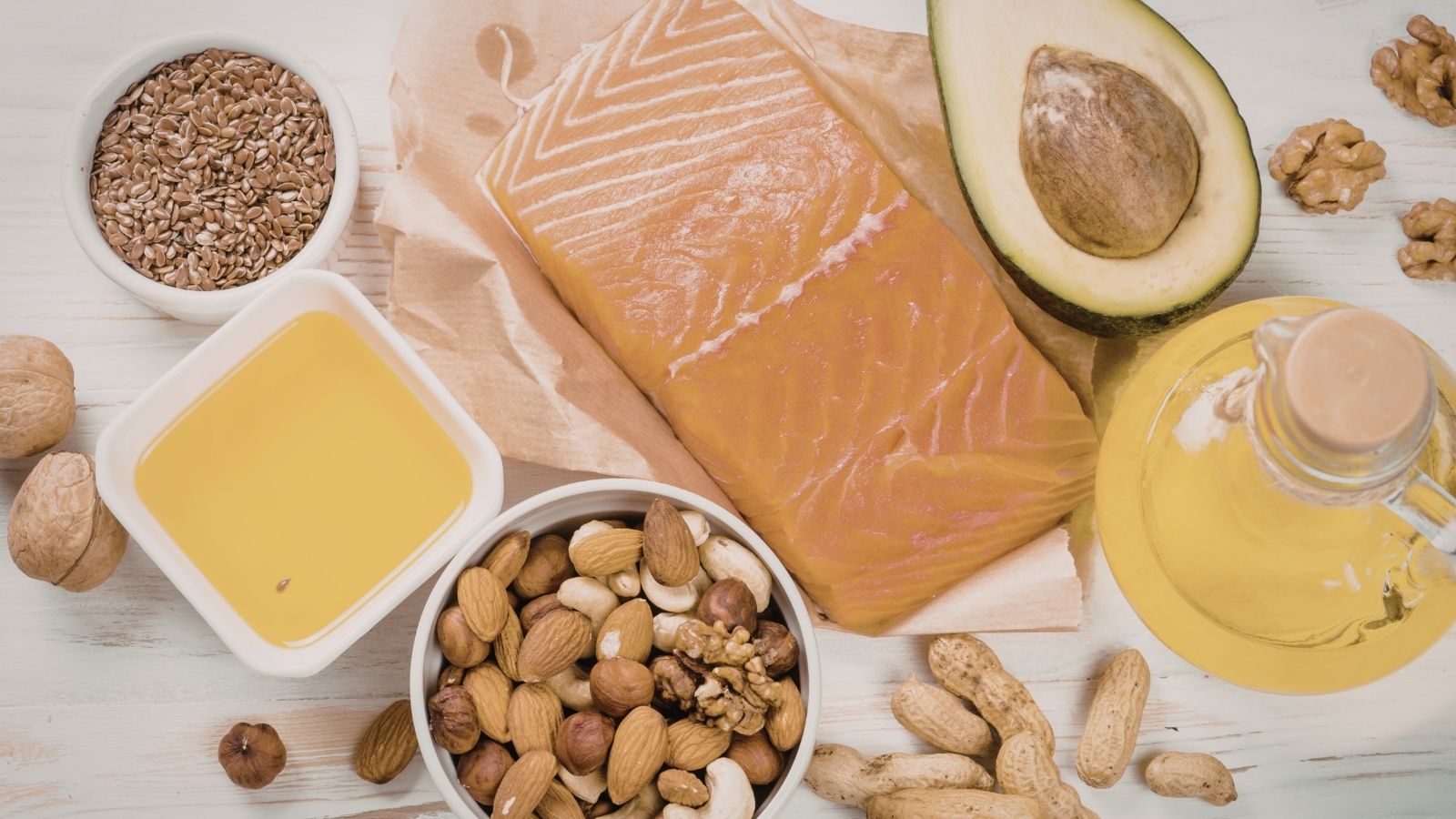
Consuming plenty of water while taking iron supplements and incorporating these high-fiber foods into the daily diet in a balanced way ensures that the patient can both improve blood values and experience a smooth recovery process without causing any damage to the sutures.
How Is Intravenous Iron Therapy Administered When Nutrition Is Insufficient?
Although nutrition and lifestyle changes form the basis of the fight against iron deficiency, in certain special cases it is not possible to solve the problem with food or oral tablets alone. If a patient has undergone bariatric surgery and has anatomically lost the ability to absorb iron, or if a major operation is scheduled within a very short period and blood values need to recover quickly, the most effective and rapid method offered by modern medicine is intravenous iron therapy, administered directly into the vein.
With this method, the intestinal absorption barriers are completely bypassed. The amount of iron that a patient would normally accumulate by taking tablets regularly for weeks or months can sometimes be delivered to the body in a single session through a safe infusion administered with a special intravenous solution in a hospital setting. In this way, the patient reaches the operating table much stronger, with excellent tissue oxygenation and a biological foundation fully prepared for postoperative recovery. The amount of iron administered intravenously is never determined by estimation. Precise medical calculations based on the patient’s weight and current blood values are used to identify the exact deficiency, and the exact amount needed is safely administered down to the milligram.
Frequently Asked Questions
Which foods contain iron?
Red meat, organ meats, fish, chicken, eggs, lentils, chickpeas, dried beans, spinach, Swiss chard, and dried fruits are among the foods rich in iron. Balanced consumption may help meet daily iron requirements.
Which animal-based foods contain the highest amounts of iron?
Liver, followed by red meat, turkey, chicken, and seafood, are important sources of iron. Animal-based iron may be absorbed more easily by the body than plant-based sources.
Which plant-based foods contain iron?
Lentils, chickpeas, dried beans, kidney beans, spinach, Swiss chard, pumpkin seeds, and sesame are among plant-based sources of iron. Consuming these foods together with foods rich in vitamin C may increase absorption.
Which foods should be consumed more in cases of iron deficiency?
Individuals with iron deficiency may include more red meat, eggs, legumes, green leafy vegetables, and other iron-rich foods in their diet. The treatment plan should be determined according to a physician’s recommendation.
Does vitamin C increase iron absorption?
Yes, foods rich in vitamin C, such as oranges, lemons, mandarins, kiwi, strawberries, and peppers, may increase the absorption of iron from the intestines. Therefore, consuming them together with iron-containing meals may be recommended.
Do tea and coffee affect iron absorption?
Certain compounds found in tea and coffee may reduce iron absorption. It may be more beneficial to wait for a period of time instead of consuming tea or coffee immediately after meals rich in iron.
What are the symptoms of iron deficiency?
Weakness, fatigue, shortness of breath, dizziness, difficulty concentrating, pale skin, and heart palpitations are among the common symptoms of iron deficiency. Blood tests are required for a definitive diagnosis.
How can vegetarians meet their iron requirements?
Legumes, green leafy vegetables, nuts, seeds, and whole grains are important sources of iron in a vegetarian diet. Consuming them together with vitamin C may help increase iron absorption.
Which dried fruits are rich in iron?
Dried fruits such as raisins, dried apricots, prunes, and mulberries contain certain amounts of iron. When consumed in balanced portions as snacks, they may contribute to daily iron intake.
What should be considered to prevent iron deficiency?
Eating a balanced diet, consuming iron-rich foods, increasing vitamin C intake, and using supplements under a physician’s supervision when necessary may help prevent iron deficiency. Regular health check-ups are also important.
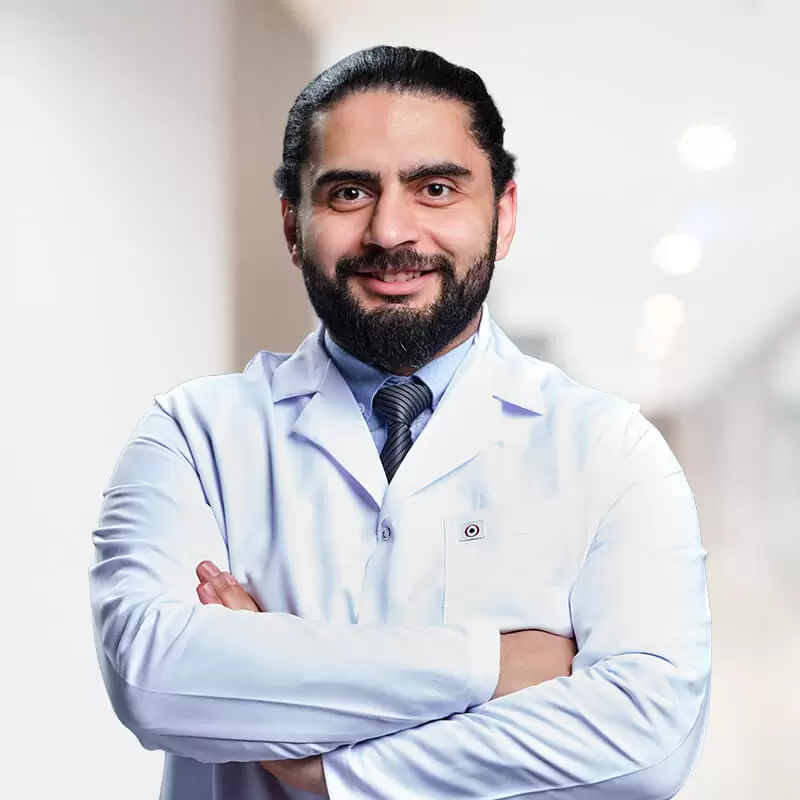
Op. Dr. Ahmet Bekin was born in Istanbul in 1983. He graduated from the Faculty of Medicine at Kocaeli University in 2006 and completed his specialty training in the Department of General Surgery at Istanbul University Çapa Faculty of Medicine in 2011. After his specialization, he worked in the fields of hernia surgery, reflux surgery, obesity surgery, advanced laparoscopic surgery, and robotic surgery. In addition, he received training in endocrine surgery, oncological surgery, and minimally invasive surgery. He is currently accepting patients from Turkey as well as from countries such as Germany and France at his private clinic located in Istanbul.