


Reviews and complaints after gallbladder surgery often focus on postoperative pain, digestive changes, or wound healing issues. While most patients recover without major problems, some report diarrhea, bloating, or difficulty tolerating fatty foods in the first months.
Patient experiences after gallbladder removal highlight long-term digestive adjustments. Some individuals complain about persistent indigestion, while others adapt quickly without dietary restrictions. Monitoring nutrition and following medical advice are key factors in maintaining quality of life post-surgery.
Complaints related to gallbladder surgery can also involve bile reflux or chronic abdominal discomfort. Although these cases are less frequent, they may require medical evaluation and additional treatment. Regular follow-up appointments help prevent complications and improve patient outcomes.
Many reviews emphasize satisfaction with gallbladder surgery when performed with minimally invasive techniques. Patients report faster recovery, shorter hospital stays, and fewer postoperative complications compared to open surgery, making laparoscopic procedures the preferred choice.
İçerik
What Are the General Comments After Gallbladder Surgery?
The answer to this question is overwhelmingly positive. The most common phrase uttered by patients who have had gallbladder surgery is, “I wish I had done it sooner.” The basis of this high satisfaction lies in the deep relief of being completely free from those unpredictable and severe pain attacks that turned life into a nightmare before surgery. Imagine being free from the fear of pain at any moment, from canceling social plans, and from worrying about every bite you eat. This sense of freedom is the most prominent theme in patient comments.
Of course, the fact that the surgery is performed laparoscopically (minimally invasive) plays a huge role in this satisfaction. Patients often state that, instead of the large scar, long recovery, and greater pain of open surgery, they enjoy the comfort of returning to normal life within a few days with much less pain and just a few small incisions. The post-operative period is described not as a torment but as an exciting step into a pain-free life. In summary, for most patients, this surgery is seen as a turning point where they regain their quality of life.
What Do Comments Say About Quality of Life After Surgery?
“Quality of life” might sound like an abstract concept, but patient comments make it very concrete and tangible. The surgery not only eliminates pain but also brings positive changes to many areas of life. Patients say they notice marked improvement in the following aspects of their lives after surgery:
- Physical mobility
- Pain-free living
- Returning to social life
- The enjoyment of eating
- Better mood
- Peaceful sleep
- Increased energy levels
Let’s elaborate on these points. Imagine being able to go out to eat with friends without worrying if the food will upset you, being able to lift your grandchild without fear of pain, or planning vacations without the anxiety of when the next attack will occur. This is the quality of life improvement described in patient comments. It is not just a physical recovery but also the mental and emotional relief that comes from the removal of a chronic source of anxiety. This is the most valuable gain that helps patients feel “normal” and “healthy” again.
Why Are Comments About Surgeon Selection Important?
One of the most critical issues patients emphasize when describing their surgery experience is the relationship they have with their surgeon. Of course, the success of the operation depends on the technical skill of the surgeon, but patient satisfaction is much more than this. Research reveals an interesting truth: for patients, the length of the operation or whether they stay one day more or less in the hospital is not as important as the experience and communication with their surgeon.
Patients who start this journey with a surgeon who listens to them, answers their questions patiently, gives clear and understandable information about the process, honestly explains possible issues, and most importantly, inspires confidence, have a much more positive surgical experience. “My doctor explained everything to me, so I knew what to expect” is a recurring part of positive feedback. This shows that patient satisfaction lies not only at the tip of the scalpel but also in the human bond with the physician. A surgeon you trust is your most important supporter during recovery.
Are Diarrhea and Bloating Complaints Common After Surgery?
Yes, this is among the most commonly mentioned “complaints,” but it is best to view this as a natural part of the body’s adjustment process rather than a problem. Being informed about this before surgery prevents panic if it happens. After the gallbladder is removed, the bile produced by the liver flows directly into the intestines without being stored. It can take some time for the body to adapt to this new arrangement.
During this adaptation period, some patients may experience softer stools or diarrhea, especially in the first few weeks. Similarly, a feeling of gas or bloating may occur after certain foods. While this is sometimes described as “annoying” in patient comments, the most important point is that it is largely temporary. Some simple recommendations to make this process easier include:
- Avoiding fatty foods
- Reducing fried foods
- Taking a break from very spicy foods
- Limiting processed and packaged products
- Eating small, frequent meals
- Gradually increasing fiber-rich foods (vegetables, fruits, whole grains)
Over time, your digestive system will adapt to this new situation and most of these complaints will disappear on their own. If they rarely persist, there are effective medical treatments available to help manage them.
What Do “Post-Cholecystectomy Syndrome” Complaints Mean?
This medical term, which sounds alarming, is actually an “umbrella” concept used to describe various digestive complaints that continue or newly emerge after surgery. Sometimes patients comment, “I had the surgery but my complaints didn’t completely go away.” It is very important to understand this situation correctly. This syndrome does not mean that the surgery failed.
Most of the time, other pre-existing conditions are responsible for these complaints, such as:
- Irritable Bowel Syndrome (IBS)
- Indigestion (Functional Dyspepsia)
- Gastric reflux
- Bile reflux gastritis
What happens is this: the gallbladder causes such severe pain that it overshadows other, milder digestive problems. Once you are free from the major issue through surgery, underlying sensitivities (such as IBS or indigestion) become more noticeable. In other words, the surgery successfully treated the pain caused by the gallbladder, but other digestive issues may continue. The correct approach in this case is to consult a gastroenterologist to plan the right diagnosis and treatment.
What Are the Complaints About Surgical Site Pain?
Recovery after minimally invasive surgery is usually quite comfortable. There are two types of pain that are expected and considered normal. The first is mild soreness at the small incision sites in the abdomen, which can be easily relieved with simple painkillers. The second, which may initially surprise patients but is completely harmless, is right shoulder pain. This pain results from irritation of the diaphragm nerve by the gas used to inflate the abdomen during surgery and disappears completely within a few days.
However, sometimes patients mention a different pain in their comments: “Months after surgery, I still have sharp, stabbing pain at a single spot.” This is very important and often overlooked. This is not an internal organ pain but a wall pain. The cause is a nerve at one of the incision sites becoming trapped between the abdominal wall layers. The typical features of this pain are:
- Sharp and stabbing at a single spot
- So localized that it can be pointed to with a finger
- Worsening when tightening abdominal muscles (for example, when sitting up in bed)
- Tenderness when touching the area
The best part is that both diagnosis and treatment of this complaint are usually very simple. A small local anesthetic injection at that spot both confirms the diagnosis (by instantly relieving the pain) and often provides a permanent solution. If you have such a complaint, you should definitely share it with your surgeon.
What Are the Comments and Concerns About Returning to Work?
Physically, patients recover very quickly after minimally invasive surgery. Most people can comfortably perform daily activities within a week. However, returning to work can sometimes take a bit longer. Patient comments indicate that this delay is usually due to psychological concerns rather than physical limitations. Fears such as, “Will my stitches open?”, “Will there be a problem if I lift something heavy?”, “What if the pain comes back?” can prevent a person from returning to normal activity levels.
This is a completely human and understandable fear. Your body has undergone surgery and it is only natural to want to protect it. At this point, it is important for your surgeon to provide you with a clear roadmap on how to gradually increase your activity level. A structured plan such as, “First week only walking, second week light housework, after the fourth week normal activity,” helps patients regain confidence and return to work and social life more surely.
Do the Comments of Obese Patients Differ After Surgery?
Obesity is a risk factor for gallstones, so a significant portion of patients who undergo this surgery are overweight. The biggest concern of these patients is whether their surgery will be riskier due to their weight. Comments and scientific data on this subject are quite reassuring. Laparoscopic gallbladder surgery is just as safe and successful in obese patients. The main risks related to internal organs (such as bile duct injury) do not increase in overweight patients. The improvement in quality of life and relief from pain are also completely the same as for other patients.
However, to be honest, a few minor differences are noted in the comments. Although the overall success and relief are the same, there are a few points to be more careful about in overweight patients:
- The operation may take a little longer
- The risk of infection at the wound site is slightly higher
- There is a somewhat higher long-term risk of hernia at the port site
These are situations your surgeon is aware of and takes extra precautions to manage. For example, extra care is required for wound care. As a result, the comments of overweight patients are also overwhelmingly positive, and obesity is not an obstacle to this life-saving surgery.
How Do Elderly Patients Comment on Their Surgery Experience?
With an aging population, we are safely performing this surgery for many patients in their 70s and 80s. The biggest concern for elderly patients and their families is, “Can they handle surgery at this age?” Comments and data show that the minimally invasive method is truly a blessing for this patient group. It is much less risky and far more comfortable compared to open surgery.
The main difference in the experience of elderly patients is that their hospital stay may be a day or two longer. This is not due to a problem with the surgery itself, but because of other pre-existing health conditions (such as heart, hypertension, or diabetes). These patients require closer monitoring after surgery to ensure their bodily functions have returned to normal. This is a safety precaution. Apart from this careful follow-up process, elderly patients benefit just as much from the surgery as younger patients. They are freed from pain, enjoy improved quality of life, and experience a more comfortable old age.
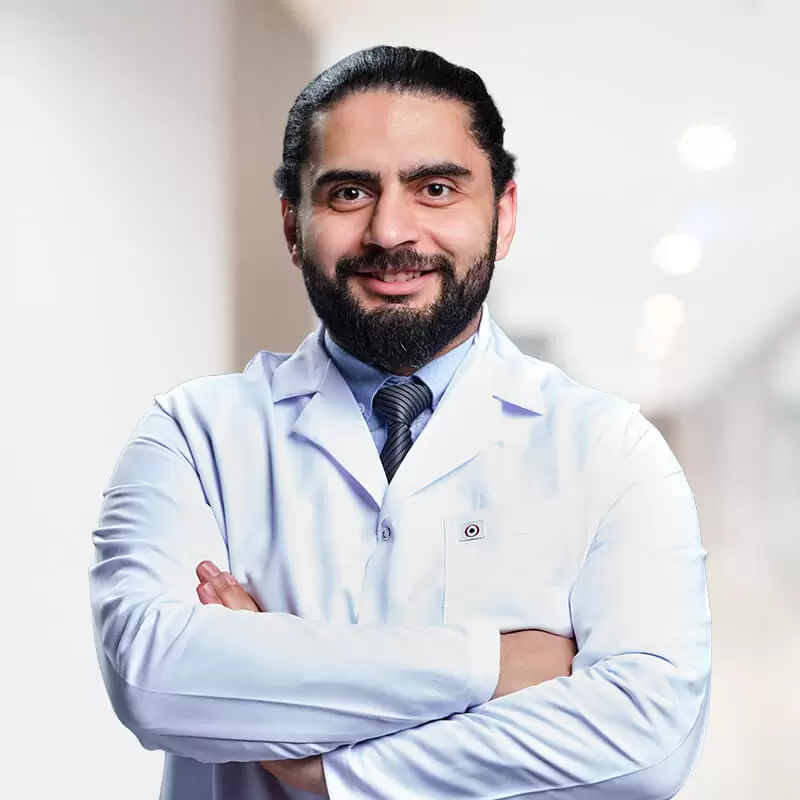
Op. Dr. Ahmet Bekin was born in Istanbul in 1983. He graduated from the Faculty of Medicine at Kocaeli University in 2006 and completed his specialty training in the Department of General Surgery at Istanbul University Çapa Faculty of Medicine in 2011. After his specialization, he worked in the fields of hernia surgery, reflux surgery, obesity surgery, advanced laparoscopic surgery, and robotic surgery. In addition, he received training in endocrine surgery, oncological surgery, and minimally invasive surgery. He is currently accepting patients from Turkey as well as from countries such as Germany and France at his private clinic located in Istanbul.

