


*We recommend filling in all fields so that we can get back to you in the best way.
Incisional Hernia Surgery in Turkey
Incisional hernia surgery in Turkey is a trusted and effective treatment for repairing hernias that develop at the site of a previous surgical incision. This condition occurs when the abdominal wall weakens after surgery, allowing tissue or organs to protrude through the scar area. In Turkey, experienced surgeons use advanced repair techniques, including mesh reinforcement when necessary, to restore abdominal strength and reduce the risk of recurrence, all within modern, fully equipped hospital environments.
Incisional hernia surgery cost in Turkey is generally more affordable compared to many Western countries while maintaining high medical standards. The total cost can vary depending on the size of the hernia, the surgical approach, and the patient’s overall health. Many healthcare packages for international patients include pre-operative assessments, the surgery itself, hospital accommodation, and follow-up care, offering a cost-effective yet comprehensive solution.
Incisional hernia surgery results in Turkey are often highly successful, with most patients reporting significant improvement in comfort and daily function. Minimally invasive or laparoscopic techniques are commonly used, which can help minimize post-operative pain, reduce scarring, and promote a quicker recovery.
Incisional hernia surgery reviews in Turkey consistently reflect high levels of patient satisfaction. Feedback often mentions the detailed pre-surgical information, attentive hospital care, and thorough follow-up process. Patients value the combination of skilled surgical expertise, clear communication, and supportive medical teams, which together make the treatment experience smooth and reassuring.

General Surgery Specialist
Who is Dr. Ahmet Bekin?
Who is Dr. Ahmet Bekin?
Dr. Ahmet Bekin, one of the doctors performing hernia surgeries in Istanbul, is specialized in general surgery. Throughout his medical career, he has gained extensive experience in hernia, reflux, and obesity surgery, as well as advanced laparoscopic and robotic surgical applications. He serves his patients with modern approaches such as minimally invasive surgery, laser surgical treatments, single incision surgery (Single Incision Surgery), endocrine and oncological surgery. He is fluent in Turkish, English, and Arabic.
- 2000 – 2006 Kocaeli University Faculty of Medicine
- 2006 – 2011 Istanbul University Faculty of Medicine (Çapa), Department of General Surgery – Specialization
Certificates






| Definition | An abdominal-wall hernia that develops in the surgical incision line after a previous operation. |
| Causes | Poor tissue healing, obesity, infection, intense physical activity, inadequate surgical technique, chronic cough or constipation. |
| Symptoms | Swelling in the abdomen, pain or discomfort along the incision line, bulge that becomes pronounced when coughing or straining. |
| Risk Factors | Advanced age, obesity, smoking, connective-tissue disorders, malnutrition, diabetes, infection or wound complications. |
| Diagnostic Methods | Physical examination, ultrasonography, Computed Tomography (CT) or Magnetic Resonance Imaging (MRI). |
| Treatment Methods | Surgery is generally required: primary repair (sutured closure) or repair with a mesh graft. Open or laparoscopic techniques can be used. |
| Complications | Recurrence, infection, chronic pain, mesh-related complications. |
| Prevention Methods | Smoking cessation, weight control, proper postoperative care, limitation of physical activity. |
| Who Is Affected? | Anyone who has undergone surgery is at risk, especially those who have had abdominal procedures. |
İçerik
What Is an Incisional Hernia?
An incisional hernia develops at the site of a previous surgical incision in the abdominal wall, where the muscles have weakened. Tissue or intestine can bulge through the area, creating a noticeable lump. It may cause discomfort, especially during physical activity. These hernias can enlarge over time and may require surgical repair, often with mesh reinforcement, to prevent complications such as obstruction or strangulation.
Incisional Hernia: Definition, Causes, Symptoms and Treatment
During the Middle Ages surgical progress was limited, whereas the Renaissance became an era in which human anatomy was re-examined. Surgeons began to document postoperative complications in more detail, and awareness of hernias arising from surgical incisions increased, though treatment methods remained primitive.
The nineteenth century saw significant advances in surgical technique. Edoardo Bassini’s method for inguinal hernia became an important model for abdominal-wall repair. At that time the need to strengthen the abdominal wall was recognized and the foundations for preventing incisional hernias were laid.
In the twentieth century incisional hernias appeared frequently in medical literature, and treatment methods changed, especially with the development of laparoscopic surgery. Laparoscopic repair offers a less-invasive approach and better outcomes for patients. Today robot-assisted surgery improves precision and patient satisfaction even further.
What Are the Causes of Incisional Hernia?
Many factors can contribute to the development of an incisional hernia. These can be grouped into surgical techniques, postoperative complications, patient-specific characteristics, mechanical stress and wound healing.
Surgical techniques during the operation directly influence hernia risk. Suture technique and materials play a critical role. For example, using a continuous stitch with a suture-length-to-wound-length ratio of at least 4 : 1 can reduce hernia formation, but poor closure techniques or incorrect suture materials weaken wound integrity and predispose to herniation. Midline incisions are particularly high-risk.
Surgical-site infections (SSIs) are a major risk factor; infection impairs collagen synthesis, which is essential for wound healing. Postoperative increases in intra-abdominal pressure—caused by persistent cough, vomiting or straining—can also weaken the wound.
Patient characteristics are decisive. Collagen quality declines with age, and insufficient muscle mass in males increases risk. Obesity raises intra-abdominal pressure and impairs healing. Smoking hampers oxygenation and collagen synthesis, delaying repair. Chronic diseases affect immune response and microcirculation, worsening healing.
Chronic cough, constipation, pregnancy or ascites all raise intra-abdominal pressure. Continuous pressure disrupts the integrity of healing tissue, leading to hernia development.
An imbalance in the ratio of type I to type III collagen affects tissue strength. Defects in collagen synthesis or elevated matrix metalloproteinase (MMP) activity result in poor wound healing.
*We recommend filling in all fields so that we can get back to you in the best way.
How Common Is Incisional Hernia?
Incisional hernia (IH) is a significant postoperative complication. About one-third of people in industrialised countries undergo abdominal surgery during their lives, so IH risk merits close attention. Studies indicate that within the first two years after surgery the risk of IH can reach 30 %, and within five years up to 60 %, especially in high-risk groups.
Prevalence is influenced by patient factors and the surgical procedure. Age-related connective-tissue weakness, chronic diseases and hormonal changes increase risk. A higher prevalence is reported in women, associated with hormonal effects and abdominal changes during pregnancy.
Obesity and smoking are clear risk factors. Increased intra-abdominal pressure and impaired healing mechanisms trigger hernia formation. Procedure type also matters: colorectal, hepatobiliary and vascular surgeries carry higher IH rates. Open operations pose greater risk than laparoscopic ones.
Beyond harming quality of life, IH imposes a serious economic burden because of frequent re-repairs and rising treatment costs.
How Does an Incisional Hernia Develop?
An incisional hernia develops through a combination of factors—wound healing, mechanical stress, biological influences and genetic predisposition. The fascia must provide adequate strength in the multilayered abdominal wall. Wound healing proceeds through haemostasis, inflammation, proliferation and remodelling; disruption of any phase weakens tissue and allows herniation.
Collagen synthesis is vital: type I collagen adds tensile strength, type III provides elasticity. In IH the balance between these two may be disturbed, lowering tissue strength. Postoperative mechanical stresses—coughing, straining, heavy lifting—raise intra-abdominal pressure and harm the healing fascia; improper suturing or excessive tension can cause fascial separation.
Biologically, matrix metalloproteinases are important. Their overactivity increases collagen breakdown and weakens the wall. Research shows raised MMP levels in IH patients. Trace-element deficiencies (zinc, copper) can impair collagen cross-linking and compromise tissue integrity.
Genetic predisposition and fibroblast dysfunction also play roles: congenital connective-tissue disorders or genetic factors that reduce collagen synthesis facilitate IH development.
What Are the Symptoms of Incisional Hernia?
Incisional hernia manifests in several ways and can impair quality of life. The most common sign is a bulge or swelling at or near the previous incision. It typically becomes more obvious when standing, coughing or straining and may disappear when lying down. Size varies but tends to enlarge if untreated.
Pain and discomfort around the scar are also common. Pain can range from mild ache to severe distress and may intensify during heavy lifting, coughing or bowel movements.
Patients may feel pressure, fullness or heaviness in the abdomen, especially after long periods of standing or activity. Bowel changes—constipation, rarely diarrhoea, difficulty passing gas or incomplete evacuation—can occur if bowel loops are trapped.
In advanced cases nausea, vomiting, and redness and tenderness over the hernia may develop. These may signal incarceration or strangulation and require urgent care.
Untreated hernias enlarge and carry a high complication risk; even asymptomatic hernias can eventually cause serious problems.
Contact us for detailed information and to schedule an appointment!
How Is Incisional Hernia Diagnosed?
Diagnosis begins with a detailed medical history and physical examination. Patients present with swelling, discomfort or pain at the incision, often worsened by activities that increase intra-abdominal pressure. Examination is performed while the patient stands, coughs or performs the Valsalva manoeuvre. Physical exam may be insufficient in obese patients or with small hernias.
Imaging then becomes crucial. Ultrasonography (US) is accessible, non-invasive and inexpensive, providing real-time assessment of defect size, contents and complications. Its accuracy depends on operator skill and patient habitus.
Computed Tomography (CT) is the gold standard. CT precisely delineates defect size, location and contents and detects complications such as obstruction or strangulation, offering critical data for surgical planning.
Magnetic Resonance Imaging (MRI) excels at soft-tissue detail and is useful in patients allergic to contrast or avoiding radiation, though cost and scan time limit its use.
How Is Incisional Hernia Treated?
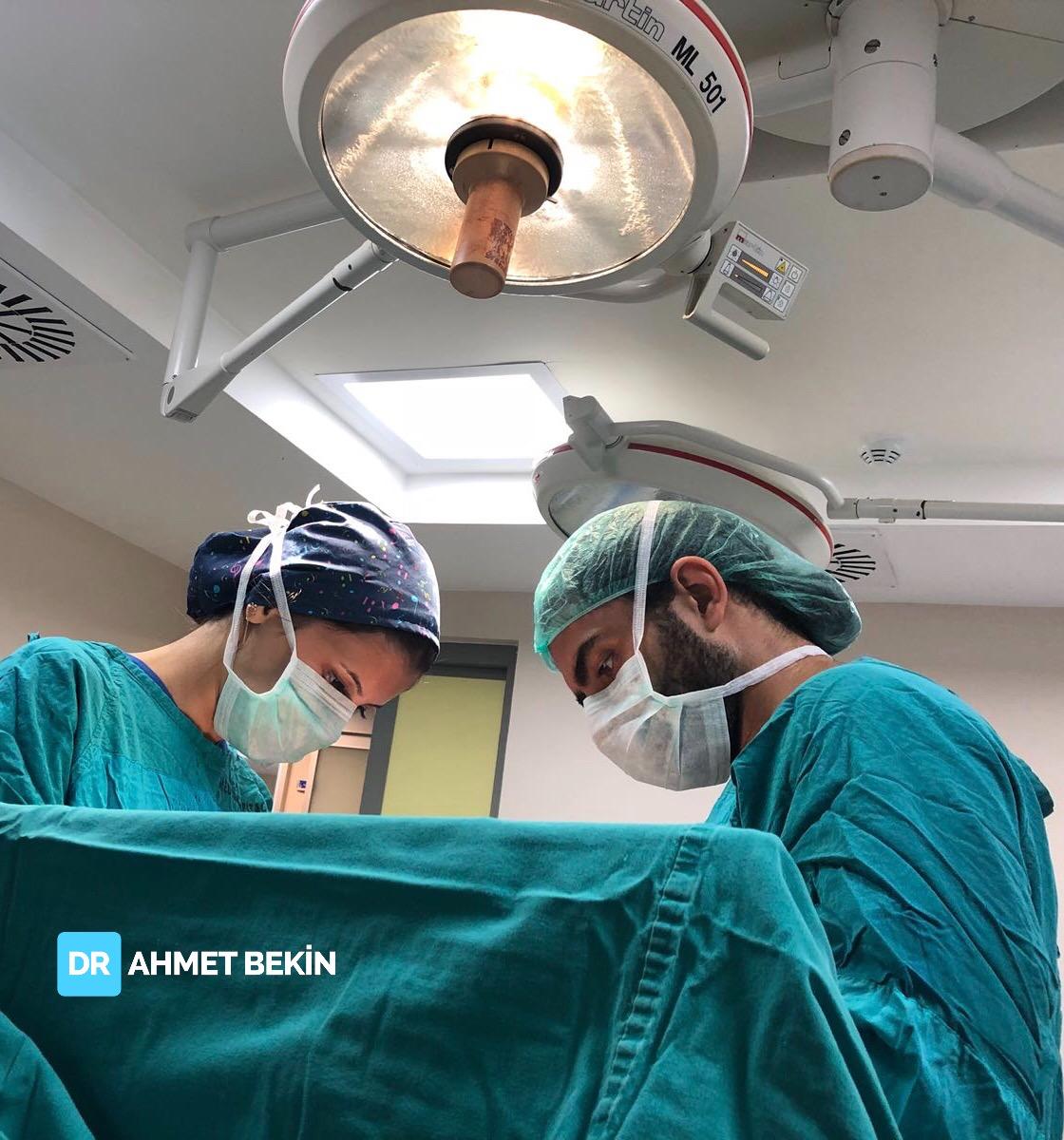
The goal of treatment is to improve quality of life and prevent complications. Options include open surgery, laparoscopic repair, mesh placement techniques and advanced procedures when necessary. Selection depends on hernia size and site, patient health and surgeon experience.
Open Repair:
- Chosen for large or complex hernias. An incision is made, protruding tissues are returned to the abdomen and the wall is reinforced—usually with a synthetic mesh. Proper mesh fixation is critical to prevent recurrence. Recovery is longer and infection risk higher than with minimally invasive methods.
Laparoscopic Repair:
- A minimally invasive technique using small incisions. Benefits include less pain, faster healing and lower infection risk. A mesh is placed laparoscopically, and patients resume daily activities sooner.
Mesh Placement Techniques:
Synthetic meshes are standard in IH repair and can be positioned in different layers:
- Onlay: Mesh is placed over the abdominal-wall surface.
- Sublay: Mesh is positioned between muscle layers.
- Underlay: Mesh is placed beneath intra-abdominal tissues.
Technique choice depends on patient factors and surgeon preference.
What Are the Complications of Incisional Hernia?
If untreated, IH can cause serious complications. The most common is incarceration, in which herniated tissues cannot return to the abdomen, often leading to bowel obstruction with nausea, vomiting and abdominal pain. Incarceration can progress to strangulation, where blood flow is cut off, causing ischaemia and gangrene. This is life-threatening and needs emergency surgery.
Another complication is bowel obstruction: trapped bowel loops halt digestive flow, causing severe pain and swelling. Without treatment this can lead to perforation and peritonitis.
Chronic pain and discomfort are frequent in untreated IH, restricting activities and diminishing quality of life. Skin over the hernia may thin, redden or ulcerate from constant pressure; local infections or abscesses can occur.
When Can Incisional Hernia Be Treated?
Timing depends on symptoms, size and complication risk. Symptomatic hernias—pain, activity restriction, reduced quality of life—usually warrant surgery. For asymptomatic cases, careful assessment is needed. Large or rapidly growing hernias carry risks of incarceration or strangulation, so early repair is vital.
Patient health also matters; obesity, COPD or diabetes raise surgical risk and need optimisation. Technique choice (open or laparoscopic) relies on hernia features and surgeon expertise; laparoscopy offers faster recovery and less pain but is not always suitable.
When Can Incisional Hernia Not Be Treated?
Surgery should be postponed or is contraindicated in certain situations:
- Active infection: Especially in the abdomen or systemically, because it can infect the mesh and undermine success.
- Uncontrolled chronic diseases: Diabetes, heart disease or COPD heighten risk and must be optimised first.
- Severe respiratory failure: May make general anaesthesia unsafe.
- “Hostile abdomen”: Extensive adhesions or very large defects (> 20 cm) may preclude laparoscopy.
- Poor surrounding tissue: From radiation or steroids, which may doom open repairs.
- Morbid obesity: Increases wound complications; weight loss is recommended.
- Non-adherence to postoperative care or surgery performed too soon after a prior operation.
What Is the Recovery Process After Incisional-Hernia Repair?
Recovery varies with surgical method, patient health and lifestyle. Effective pain control is first: multimodal analgesia (opioids, NSAIDs, local anaesthetics) enables early mobilisation.
Activity is tailored: laparoscopy requires shorter rest; open surgery needs longer. Patients start light activity that avoids abdominal strain, and wound care is essential—keep the incision clean and monitor for infection.
Lifestyle factors influence healing: quit smoking, manage weight and chronic diseases. Physical therapy strengthens core muscles and reduces recurrence risk.
Patients should recognise signs of infection, seroma or recurrence and attend scheduled follow-ups. Return to daily activities and work depends on individual factors; personalised guidance ensures safe recovery.
How Can Incisional Hernia Be Prevented?
Prevention requires appropriate surgical techniques and patient management. The European Hernia Society recommends continuous suturing with slow-absorbable monofilament at a suture-length-to-wound-length ratio of 4 : 1. The “small bites” technique minimises tissue trauma and lowers hernia rates.
Prophylactic mesh placement is effective in high-risk patients (obesity, aortic-aneurysm surgery). An onlay or retromuscular mesh adds support and, combined with the small-bites method, markedly reduces fascial dehiscence and hernia.
Pre- and postoperative management is also vital: smoking cessation, weight control, diabetes management, strict aseptic technique and prophylactic antibiotics all aid in prevention.
What Are the Average 2026 Incisional Hernia Surgery in Turkey Prices?
Please contact us for the average Incisional Hernia Surgery in Turkey prices.
Reviews from Those Who Have Had Incisional Hernia Surgery in Turkey
You can check out Dr. Ahmet Bekin’s patient reviews on Google Maps.
Frequently Asked Questions
How long does incisional-hernia surgery take?
The operation usually lasts one to three hours. Duration depends on hernia size, location and chosen technique (open or laparoscopic). Your surgeon will estimate this after preoperative tests.
Which department or doctor should I consult for an incisional hernia?
An incisional hernia occurs in the scar after abdominal surgery. Swelling and pain may be seen, and bowel entrapment is possible. Early diagnosis provides safer repair. Consult the General Surgery department; surgery is planned if necessary.
What is the best lying position after incisional-hernia surgery?
Rest on your back with your head slightly elevated. This protects the wound by avoiding unnecessary abdominal pressure. Use pillows or an adjustable bed for lumbar support. Your doctor may suggest other positions depending on pain.
How many days of hospitalization are needed after incisional-hernia surgery?
Open surgery usually requires one to two days of observation. After laparoscopic repair of small hernias, same-day discharge is possible. Complexity and your overall condition can extend the stay; your doctor will plan follow-up accordingly.
What happens if incisional-hernia surgery is not performed?
The hernia enlarges over time, increasing risks of bowel entrapment and strangulation, which may require emergency surgery. Delayed repair raises complication rates and prolongs recovery.
What should be avoided after incisional-hernia surgery?
For the first weeks avoid heavy lifting, intense exercise and activities putting pressure on the wound. Postpone swimming or bathing in pools and the sea until complete healing. Take medications as prescribed to manage recovery.
Contact us for detailed information and to schedule an appointment!
Blog Posts
Reviews & Complaints from Patients Who Had Gallbladder Surgery
Dr. Ahmet Bekin » Gall Bladder » Reviews & Complaints from Patients Who Had Gallbladder [...]
22
Jul
Jul

Reviews & Complaints from Patients Who Had Gastric Botox
Dr. Ahmet Bekin » Gastric Botox » Reviews & Complaints from Patients Who Had Gastric [...]
22
Jul
Jul

Reviews & Complaints from Patients Who Had Hiatal Hernia Surgery
Dr. Ahmet Bekin » Umbilical hernia » Reviews & Complaints from Patients Who Had Hiatal [...]
22
Jul
Jul

Reviews & Complaints from Patients Who Had Inguinal Hernia Surgery
Dr. Ahmet Bekin » Inguinal Hernia » Reviews & Complaints from Patients Who Had Inguinal [...]
22
Jul
Jul

Reviews & Complaints from Patients Who Had Umbilical Hernia Surgery
Dr. Ahmet Bekin » Umbilical hernia » Reviews & Complaints from Patients Who Had Umbilical [...]
22
Jul
Jul
What Happens If an Inguinal Hernia Bursts?
Dr. Ahmet Bekin » Inguinal Hernia » What Happens If an Inguinal Hernia Bursts?If an [...]
23
Jun
Jun
Is Non-Surgical Treatment for Inguinal Hernia Possible?
Dr. Ahmet Bekin » Inguinal Hernia » Is Non-Surgical Treatment for Inguinal Hernia Possible?Non-surgical treatment [...]
23
Jun
Jun
How Long Does Inguinal Hernia Surgery and Recovery Take?
Dr. Ahmet Bekin » Inguinal Hernia » How Long Does Inguinal Hernia Surgery and Recovery [...]
23
Jun
Jun