


*We recommend filling in all fields so that we can get back to you in the best way.
Recurrent Inguinal Hernia Surgery
Recurrent inguinal hernia occurs when a hernia reappears in an area that has previously been surgically repaired, causing both physical and psychological challenges for the patient. Surgical-technique errors, inadequate mesh placement, or patient-related factors such as chronic cough or constipation play an important role in its development. The most effective treatment method is generally the use of mesh, because this approach minimizes the risk of recurrence. Careful follow-up during the healing process and the management of risk factors increase treatment success. Therefore, proper treatment planning and an informed patient approach are of great importance.

General Surgery Specialist
Who is Dr. Ahmet Bekin?
Who is Dr. Ahmet Bekin?
Dr. Ahmet Bekin, one of the doctors performing hernia surgeries in Istanbul, is specialized in general surgery. Throughout his medical career, he has gained extensive experience in hernia, reflux, and obesity surgery, as well as advanced laparoscopic and robotic surgical applications. He serves his patients with modern approaches such as minimally invasive surgery, laser surgical treatments, single incision surgery (Single Incision Surgery), endocrine and oncological surgery. He is fluent in Turkish, English, and Arabic.
- 2000 – 2006 Kocaeli University Faculty of Medicine
- 2006 – 2011 Istanbul University Faculty of Medicine (Çapa), Department of General Surgery – Specialization
Certificates






| Definition | The reappearance of an inguinal hernia in the same area after a previous surgical repair. |
| Causes | Inadequate or incorrect hernia repair, weak tissue formation during postoperative healing, excess weight, heavy lifting, chronic cough or constipation, smoking. |
| Symptoms | Recurrent swelling, pain, or discomfort in the groin region that worsens with physical activity; bowel obstruction is rare. |
| Risk Factors | History of hernia surgery, insufficient tissue healing after surgery, obesity, advanced age, smoking, chronic diseases (diabetes, chronic lung disease). |
| Diagnostic Methods | Physical examination, ultrasound, CT (Computed Tomography), or MRI (Magnetic Resonance Imaging). |
| Treatment Methods | Surgery is usually required; repair can be performed via laparoscopic or open techniques, sometimes using a synthetic mesh. |
| Complications | Incarcerated hernia, bowel obstruction, strangulated hernia that can cause tissue death, chronic pain, risk of infection. |
| Prevention Methods | Following the surgeon’s recommendations after the first operation, avoiding heavy lifting, maintaining an ideal weight, not smoking, eating a high-fiber diet to prevent constipation. |
İçerik
What Is a Recurrent Inguinal Hernia?
The treatment process for recurrent inguinal hernia traces the evolution of medical practices and technologies. Throughout history, surgeons have developed new methods to reduce recurrence rates and improve patient outcomes. Interventions that began in antiquity laid the foundation of modern surgery.
In early periods, the Roman physician Aulus Cornelius Celsus described surgical methods for hernia treatment, recommending cauterizing the neck of the hernia sac to prevent recurrence. However, these methods resulted in high recurrence rates. In the 16th century, Antonio de Gimbernat provided detailed anatomical descriptions of the groin and femoral regions, laying the groundwork for modern surgical techniques in inguinal-hernia repair.
In the 19th century, Edoardo Bassini revolutionized hernia repair. His technique involved high ligation of the hernia sac, reconstruction of the floor of the inguinal canal, and approximation of the transversus abdominis muscles to the inguinal ligament. The Bassini method became a standard technique in inguinal-hernia surgery due to its low recurrence rates.
In the mid-20th century, the Shouldice technique, developed at Shouldice Hospital, introduced multi-layered, tension-free closure of the inguinal canal. This method increased success rates thanks to meticulous tissue handling. During the same period, the use of synthetic materials ushered in a new era in hernia surgery. Irving Lichtenstein’s 1968 concept of tension-free repair, which incorporated synthetic mesh, achieved even lower recurrence rates.
In recent years, laparoscopic and minimally invasive techniques have come to the fore. TAPP and TEP reduce surgical trauma and speed recovery, although they require surgical expertise and specialized equipment and are not available in every center.
Today, research aimed at understanding the effects of biological and genetic factors on hernia development and recurrence seeks to bring a personalized approach to treatment.
What Are the Causes of Recurrent Inguinal Hernia?
Recurrent inguinal hernias can arise from the failure of a previous surgical repair or the formation of a new hernia. This condition results from a combination of many factors and may develop for different reasons in each individual. Factors that increase the risk of recurrence range from surgical techniques to patient characteristics.
- Surgical Technique and Technical Factors:
Errors made during surgery are a major cause of recurrent hernias. Problems such as inadequate mesh placement, choosing a mesh of insufficient size, or improper fixation techniques can lead to repair failure. Traditional tissue-repair methods (e.g., Bassini) have higher recurrence rates than tension-free mesh repairs. Proper application of modern surgical techniques and careful evaluation for concomitant femoral hernias are critical. The surgeon’s experience and learning curve also directly affect success rates.
- Patient-Related Factors:
Certain patient characteristics increase the risk of recurrent inguinal hernia. Connective-tissue disorders—especially conditions such as Ehlers-Danlos or Marfan syndrome—reduce tissue strength, predisposing to hernia formation. Smoking impairs tissue healing, weakening the repair. Obesity or a very low body-mass index can also increase the risk of surgical failure. Chronic cough, constipation, or urinary problems that raise intra-abdominal pressure may place stress on the repaired area, leading to recurrence.
- Hernia Characteristics and the Postoperative Course
The size and type of the initial hernia also affect the risk of recurrence. Larger hernias require adequate repair, while postoperative complications such as surgical-site infections or seroma can adversely affect healing. Understanding these causes is vital to successful treatment planning.
*We recommend filling in all fields so that we can get back to you in the best way.
How Common Is Recurrent Inguinal Hernia?
Despite advances in modern surgical techniques, recurrent inguinal hernia remains a significant clinical problem. The surgical method used, patient characteristics, and follow-up duration play a decisive role in recurrence rates. In general, the literature reports recurrence rates ranging from 0.5 % to 15 %. However, these rates can vary depending on the geographic region where the surgery is performed, the technique used, and the demographics of the patients.
In a large-scale study from South Korea, a 5.5 % recurrence rate was observed among 4,604 patients who underwent hernia repair between 2010 and 2017. Of these recurrences, 17.3 % occurred in the first year and 23.5 % within the first two years after surgery. These data indicate that the early postoperative period is critical for recurrence. Regular, careful follow-up in the first two years is essential to detect and prevent recurrence early.
Demographic factors such as sex and age also affect recurrence. Because inguinal hernia is more common in men, recurrence rates are higher in men. In the same South Korean study, more than 95 % of recurrent cases occurred in men. In addition, as the incidence of inguinal hernia increases with age, recurrence rates are higher in older individuals. Decreased tissue resilience and comorbidities contribute to this risk.
The surgical method used directly affects the risk of recurrence. Open repairs are associated with higher recurrence rates, whereas laparoscopic methods are more effective in reducing these rates. However, laparoscopic surgery may not be suitable for every patient.
How Does a Recurrent Inguinal Hernia Develop?
Recurrent inguinal hernias are hernias that reappear in an area previously repaired surgically, and their development is complex, involving the interaction of multiple factors: anatomical, physiological, biomechanical, and surgical.
- Anatomical and Physiological Factors:
The structural integrity of the groin region depends on the strength of tissues such as the transversalis fascia, an important barrier in the abdominal wall. Weaknesses in this structure can lead directly to hernia formation. Aging causes degeneration and loss of elasticity in connective tissues, reducing the effectiveness of this barrier. Genetic factors—such as abnormalities in the ratio of type I to type III collagen—also affect tissue strength and increase hernia risk.
- Surgical-Technical Factors:
Technical errors in surgical intervention are a major factor in recurrent hernias. Inadequate tissue dissection, inappropriate mesh selection, or placement errors can leave weaknesses uncorrected. Improper mesh fixation or insufficient tissue integration can lead to repair failure. Careful planning and execution by an experienced surgical team are critical to reduce the risk of recurrence.
- Biomechanical Stress and Risk Factors:
Conditions that increase intra-abdominal pressure—such as heavy lifting, chronic cough, constipation, and urinary straining—place constant stress on the groin region. These biomechanical loads can weaken tissues and compromise the repair. Patient-related factors such as smoking, diabetes, and infection can impair healing and facilitate recurrence.
Contact us for detailed information and to schedule an appointment!
What Are the Symptoms of a Recurrent Inguinal Hernia?
A recurrent inguinal hernia manifests as the reappearance of a previously treated hernia in the same area and can negatively affect daily life with various symptoms that depend on the hernia’s size, complications, and the patient’s overall condition.
The most obvious sign is swelling in the groin region, often becoming more pronounced during activities that increase intra-abdominal pressure, such as standing, coughing, or lifting heavy objects. The swelling typically disappears in the lying position.
Patients frequently report pain in the groin region. This pain may be dull and aching but can intensify with physical activity. In some cases the pain radiates to the thigh or lower abdomen, causing difficulty in daily activities.
Numbness, tingling, or burning in the groin or thigh can occur due to pressure on nerve tissues after surgery.
In men, the hernia can descend into the scrotum, causing swelling or a sense of discomfort. This results from abdominal organs passing through the inguinal canal into the scrotum.
Incarceration of hernia contents is a serious condition requiring urgent intervention, characterized by severe pain, nausea, vomiting, and redness over the hernia site. If strangulation occurs and blood flow is cut off, life-threatening complications can develop.
Recurrent hernias can cause anxiety and frustration in patients, and psychological support may be required due to concerns about the need for further surgery and chronic pain.
How Is a Recurrent Inguinal Hernia Diagnosed?
Accurate diagnosis of recurrent inguinal hernia is crucial for effective treatment and prevention of complications. The diagnostic process begins with a comprehensive clinical evaluation and is supported by imaging methods when necessary.
Diagnosis starts with a detailed medical history and physical examination. Patients typically present with swelling, discomfort, or pain in the groin area, which may become more pronounced during activities that increase intra-abdominal pressure. When taking the history, details of previous surgical procedures, materials used (e.g., mesh), and postoperative complications should be carefully reviewed.
During physical examination, evaluation in both standing and supine positions is important. Hernias are usually more prominent when the patient is standing or performing the Valsalva maneuver. Palpation of the groin helps identify bulges and defects in the abdominal wall.
When physical examination is insufficient, imaging studies guide the diagnosis:
- Ultrasonography is often the first choice due to its dynamic evaluation capability and lack of radiation. It effectively distinguishes hernia defects, contents, and other groin masses.
- Computed Tomography (CT) is preferred in cases with complex anatomy or when physical examination is inconclusive. It is also useful for assessing complications such as bowel obstruction or strangulation.
- Magnetic Resonance Imaging (MRI) is effective when detailed evaluation of soft tissues is needed and for patients who should avoid radiation exposure.
Other groin pathologies—such as femoral hernias, lipomas, or lymphadenopathies—must be ruled out. Determining whether the recurrent hernia is direct or indirect also guides surgical planning.
How Is a Recurrent Inguinal Hernia Treated?
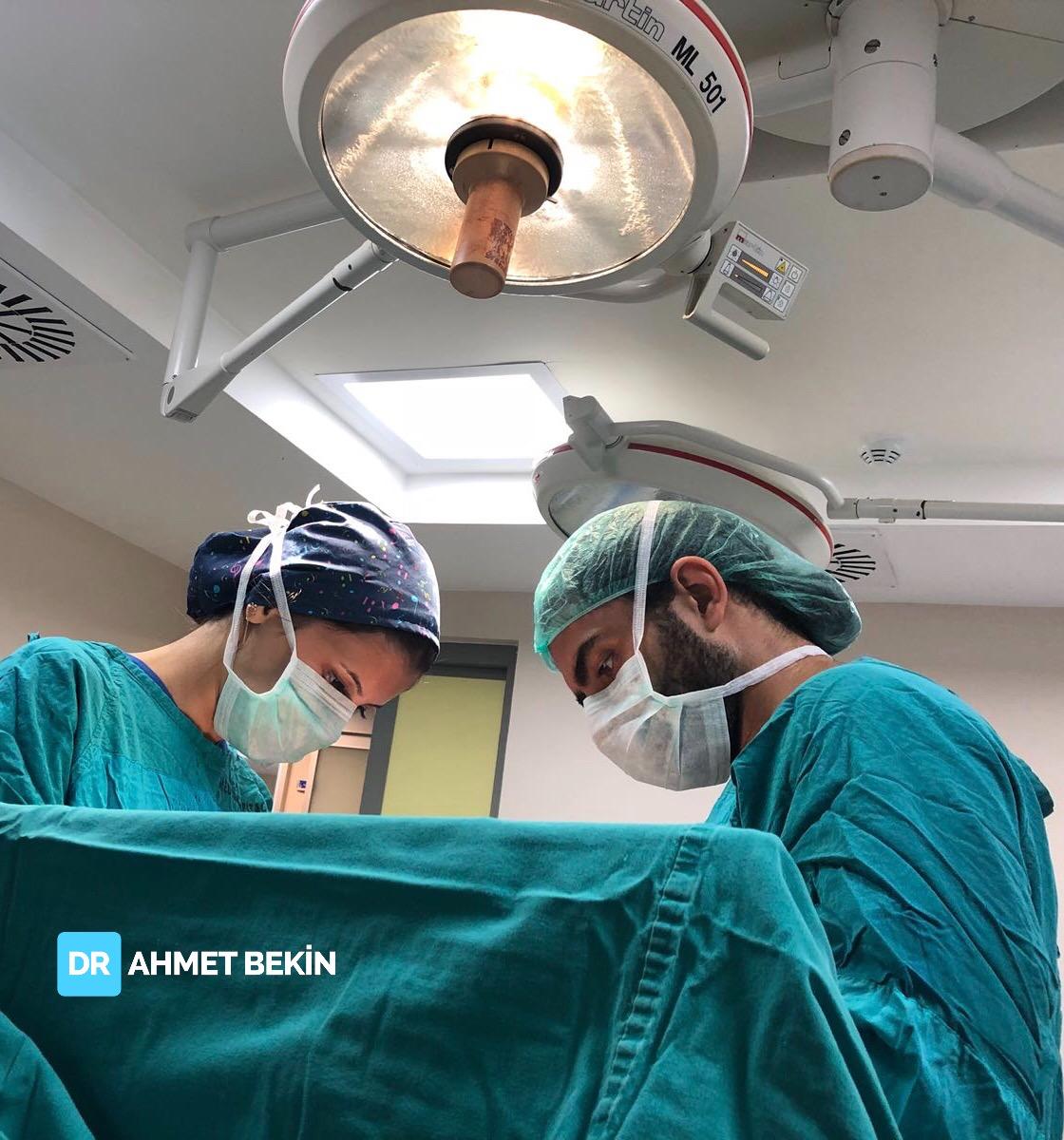
Treating a recurrent inguinal hernia requires complex surgical approaches and detailed planning. The treatment plan considers the patient’s overall health, the technical details of the previous surgery, and the anatomical characteristics of the recurrent hernia.
Assessment Process:
- Before treatment, a detailed assessment is essential. The patient’s medical history, details of previous surgical interventions, and current symptoms are carefully examined. Physical examination is critical for understanding the hernia’s size and location. Imaging methods such as ultrasound, MRI, or CT can evaluate both the previous surgical site and the features of the recurrent hernia.
Surgical Treatment Methods:
- Posterior Approach: If the previous surgery used an anterior approach, a posterior approach is generally preferred to avoid scar tissue and reduce complications. Posterior repair can be performed via open surgery or laparoscopically.
- Laparoscopic Techniques: Transabdominal Pre-peritoneal (TAPP) and Total Extraperitoneal (TEP) techniques are prominent minimally invasive approaches. Laparoscopy offers less postoperative pain, faster recovery, and lower recurrence rates.
- Open Surgery: Especially when laparoscopy is unsuitable or the previous repair was posterior, open anterior surgery may be chosen. Although direct visualization is an advantage, scar tissue increases complication risk.
Mesh Use:
- Prosthetic mesh reduces tension on the repair site and minimizes the risk of recurrence. Synthetic meshes are generally preferred; lightweight materials offer less chronic pain with similar recurrence rates.
What Are the Complications of a Recurrent Inguinal Hernia?
Untreated recurrent inguinal hernia can lead to more serious health problems over time and significantly reduce quality of life. Early detection and intervention of such complications are critical for both patient health and treatment success.
One of the most serious complications is strangulation, where herniated tissue becomes trapped and its blood supply is cut off. Strangulation typically presents with sudden severe pain, tenderness, and redness at the site. If not treated, it can lead to tissue necrosis and requires emergency surgery.
A hernia can cause bowel incarceration, leading to partial or complete intestinal obstruction. Symptoms include bloating, nausea, vomiting, inability to pass gas, and abdominal pain. Bowel obstruction is a surgical emergency, and neglect can have grave consequences.
Incorrectly managed or untreated hernias—especially recurrent ones—can cause chronic pain. This persistent pain limits daily activities and negatively affects quality of life. Known as post-herniorrhaphy pain syndrome, it imposes a significant physical and psychological burden.
An untreated hernia can enlarge over time, complicating surgical repair. Large hernias can cause more abdominal-wall damage, lengthen recovery, and increase complication risk.
Recurrent inguinal hernias cause not only physical limitations but also psychological stress and anxiety. Therefore, early diagnosis and appropriate treatment are highly important.
When Can Recurrent Inguinal Hernia Be Treated?
Decisions regarding surgery for recurrent inguinal hernia should be made carefully, considering the patient’s overall health, symptom severity, and potential complication risks. The primary goals are to improve quality of life, alleviate symptoms, and prevent serious future problems.
If the patient experiences significant pain, discomfort, or functional impairment, surgery is usually the preferred treatment. These symptoms may include difficulty with daily activities, groin pain that worsens with physical movement, and visible swelling. Surgery allows patients to resume work and social life more comfortably.
Recurrent hernias can cause incarceration or strangulation, serious complications that require emergency surgery. Findings indicating irreducible hernia contents or compromised blood flow necessitate prompt surgical intervention to protect health and prevent complications.
Physically active individuals or those with jobs requiring exertion may choose surgery so the hernia will not limit their lives. Before deciding on treatment, the patient should be thoroughly informed and engaged in an open discussion about potential risks and benefits.
In some patients—especially when symptoms are minimal—watchful waiting may be an appropriate option. Studies indicate a low complication risk in asymptomatic hernias. Therefore, a non-surgical approach can be chosen unless significant symptoms arise. Regular follow-up is essential in this strategy.
When Can Recurrent Inguinal Hernia Not Be Treated?
Treatment for recurrent inguinal hernia cannot always be applied uniformly, and certain conditions may necessitate delaying or foregoing surgery. These decisions are made by considering the patient’s overall condition, the hernia’s characteristics, and the potential risks of surgery.
First, in asymptomatic and reducible hernias, emergency surgery is generally unnecessary. The risk of incarceration is very low (around 1 %), so careful observation may be preferred, especially in individuals with serious comorbidities where surgical risks outweigh hernia-related risks.
Patients with poor overall health—for example, those with uncontrolled chronic illnesses or a high American Society of Anesthesiologists (ASA) score—require a detailed risk-benefit analysis. In such patients, surgery may be avoided and alternative approaches considered.
During pregnancy, physiological changes complicate hernia repair, so surgery is usually postponed until after delivery.
The inability to perform laparoscopy is another limitation. Patients who cannot tolerate general anesthesia or who have extensive abdominal adhesions from previous surgeries may not be candidates for laparoscopic techniques, necessitating an open approach.
The presence of active infection—especially in the groin region—contraindicates surgery. Elective hernia repair should be performed only after infection is controlled. Systemic infections also increase postoperative-complication risk and may require deferring surgery.
In elderly patients with serious comorbidities, if the benefits of surgery do not outweigh the risks, careful monitoring and a conservative approach may be preferred.
What Is the Recovery Process for a Recurrent Inguinal Hernia?
Recovery after recurrent inguinal-hernia repair varies according to the surgical method and patient-specific factors. Careful patient management and appropriate care protocols are essential to minimize complications and achieve successful healing.
The speed and quality of recovery are closely linked to the surgical technique. Open surgery requires a larger incision and is generally associated with a longer recovery. In contrast, minimally invasive approaches—such as laparoscopic or robot-assisted repairs—cause less tissue damage and typically offer faster recovery. For example, patients undergoing laparoscopic repair can return to daily activities sooner and experience less postoperative pain.
Postoperative pain must be managed carefully, especially after recurrent repairs. Effective pain control improves comfort and positively influences healing. Non-steroidal anti-inflammatory drugs (NSAIDs) are usually the first choice, while nerve blocks and other advanced methods can be used when necessary. Long-lasting or severe pain requires follow-up and specialized treatment.
Patients are encouraged to begin light physical activity within the first few days after surgery, while avoiding heavy lifting. The restriction period is shorter after minimally invasive surgery, whereas four weeks of rest is often recommended after open surgery. Controlled return to activity accelerates recovery and reduces recurrence risk.
Regular follow-up after recurrent inguinal-hernia repair is necessary to detect recurrences early and prevent complications, particularly during the first two years when risks are highest.
How Can Recurrent Inguinal Hernia Be Prevented?
Preventing recurrent inguinal hernia requires a holistic approach that addresses both patient-related and surgical factors. Optimizing a patient’s overall health, selecting appropriate surgical techniques, and making lifestyle changes are key.
- Patient-Related Factors:
Certain individual factors increase recurrence risk. Advanced age is linked to higher recurrence due to natural declines in tissue-healing capacity. Chronic cough, constipation, and urinary difficulties that raise intra-abdominal pressure also elevate hernia risk, so treating these conditions is critical.
Obesity is a major risk factor. Excess weight increases intra-abdominal pressure and can negatively affect postoperative healing. Weight management is therefore essential. Smoking also increases recurrence risk because it harms wound healing and collagen metabolism; quitting smoking before surgery improves recovery.
- Surgical Factors:
The surgical technique and materials used significantly influence recurrence risk. Mesh placement improves surgical success by providing extra support to the weak area. Correct mesh placement and fixation are vital. Surgeon experience is decisive; therefore, choosing a surgeon specialized in hernia repair is important.
- Lifestyle Changes:
Lifestyle modifications can effectively prevent recurrence. Maintaining a healthy weight reduces intra-abdominal pressure. Avoiding heavy lifting and using proper lifting techniques are important. Exercises that strengthen the abdominal and pelvic muscles support the abdominal wall and reduce recurrence risk.
What Are the Average 2026 Recurrent Inguinal Hernia Surgery Prices?
Please contact us for the average Recurrent Inguinal Hernia Surgery prices.
Reviews from Those Who Have Had Recurrent Inguinal Hernia Surgery
You can check out Dr. Ahmet Bekin’s patient reviews on Google Maps.
Frequently Asked Questions
How long does recurrent inguinal hernia surgery take?
Revision repair is generally completed within 30–60 minutes. The complexity of the operation depends on the size of the tear and the previous surgical techniques used.
Which department/doctor should I see for a recurrent inguinal hernia?
In individuals who have previously undergone inguinal-hernia surgery, recurrence can occur due to tissue weakness or improper loading. Recurrent inguinal hernias usually require a more complex intervention, so early-stage pain and swelling should be taken seriously. For recurrent inguinal-hernia cases, you should consult a General Surgery specialist so that detailed evaluation and an appropriate repair plan can be made.
What is the best position for lying after recurrent inguinal hernia surgery?
Resting on your back with your head slightly elevated prevents unnecessary tension on the incision line. This position can also help reduce postoperative pain.
How many days of hospitalization are needed after recurrent inguinal hernia surgery?
With laparoscopic revision repair, most patients can be discharged the same day. In open surgery, a 1–2-day hospital stay for observation is common practice.
What happens if I do not have surgery for a recurrent inguinal hernia?
The hernia can enlarge, and the risk of incarceration or strangulation can increase. Even if it is asymptomatic, there may be severe pain and a need for emergency intervention in the future.
What should be avoided after recurrent inguinal hernia surgery?
During the early period, avoid heavy lifting, intense abdominal exercises, and exposing the suture area to water. Driving without your doctor’s approval can also be risky.
Contact us for detailed information and to schedule an appointment!
Blog Posts
Reviews & Complaints from Patients Who Had Gallbladder Surgery
Dr. Ahmet Bekin » Gall Bladder » Reviews & Complaints from Patients Who Had Gallbladder [...]
22
Jul
Jul

Reviews & Complaints from Patients Who Had Gastric Botox
Dr. Ahmet Bekin » Gastric Botox » Reviews & Complaints from Patients Who Had Gastric [...]
22
Jul
Jul

Reviews & Complaints from Patients Who Had Hiatal Hernia Surgery
Dr. Ahmet Bekin » Umbilical hernia » Reviews & Complaints from Patients Who Had Hiatal [...]
22
Jul
Jul

Reviews & Complaints from Patients Who Had Inguinal Hernia Surgery
Dr. Ahmet Bekin » Inguinal Hernia » Reviews & Complaints from Patients Who Had Inguinal [...]
22
Jul
Jul

Reviews & Complaints from Patients Who Had Umbilical Hernia Surgery
Dr. Ahmet Bekin » Umbilical hernia » Reviews & Complaints from Patients Who Had Umbilical [...]
22
Jul
Jul

What Happens If an Inguinal Hernia Bursts?
Dr. Ahmet Bekin » Inguinal Hernia » What Happens If an Inguinal Hernia Bursts?If an [...]
23
Jun
Jun

Is Non-Surgical Treatment for Inguinal Hernia Possible?
Dr. Ahmet Bekin » Inguinal Hernia » Is Non-Surgical Treatment for Inguinal Hernia Possible?Non-surgical treatment [...]
23
Jun
Jun
How Long Does Inguinal Hernia Surgery and Recovery Take?
Dr. Ahmet Bekin » Inguinal Hernia » How Long Does Inguinal Hernia Surgery and Recovery [...]
23
Jun
Jun