


*We recommend filling in all fields so that we can get back to you in the best way.
Sports Hernia Surgery in Turkey
Sports hernia surgery in Turkey is a dependable and effective solution for treating soft tissue injuries in the lower abdomen or groin area, often seen in athletes or individuals engaging in high-intensity activities. Despite its name, a sports hernia is not a traditional hernia but involves tears or strains in the muscles, tendons, or ligaments. In Turkey, experienced surgeons use advanced repair techniques—often minimally invasive—to restore stability, relieve pain, and support a smooth return to physical activity in modern, fully equipped medical facilities.
Sports hernia surgery cost in Turkey is typically more affordable than in many Western countries while still providing world-class medical care. The exact price can vary depending on the severity of the injury, the surgical technique chosen, and the healthcare facility. Medical travel packages for international patients often include pre-surgical evaluations, the operation, hospital accommodation, and post-operative follow-up, offering a cost-effective and comprehensive treatment option.
Sports hernia surgery results in Turkey are often excellent, with high success rates and effective pain relief. Most patients are able to resume sports or physically demanding activities after a structured rehabilitation program. Minimally invasive techniques can reduce recovery time, minimize scarring, and lower the risk of re-injury.
Sports hernia surgery reviews in Turkey frequently reflect patient satisfaction with both the surgical outcome and the overall care experience. Patients often mention clear communication before surgery, attentive post-operative monitoring, and supportive rehabilitation guidance as key factors in their positive recovery journey. The combination of skilled surgical expertise and patient-focused service helps ensure both safety and comfort throughout the process.
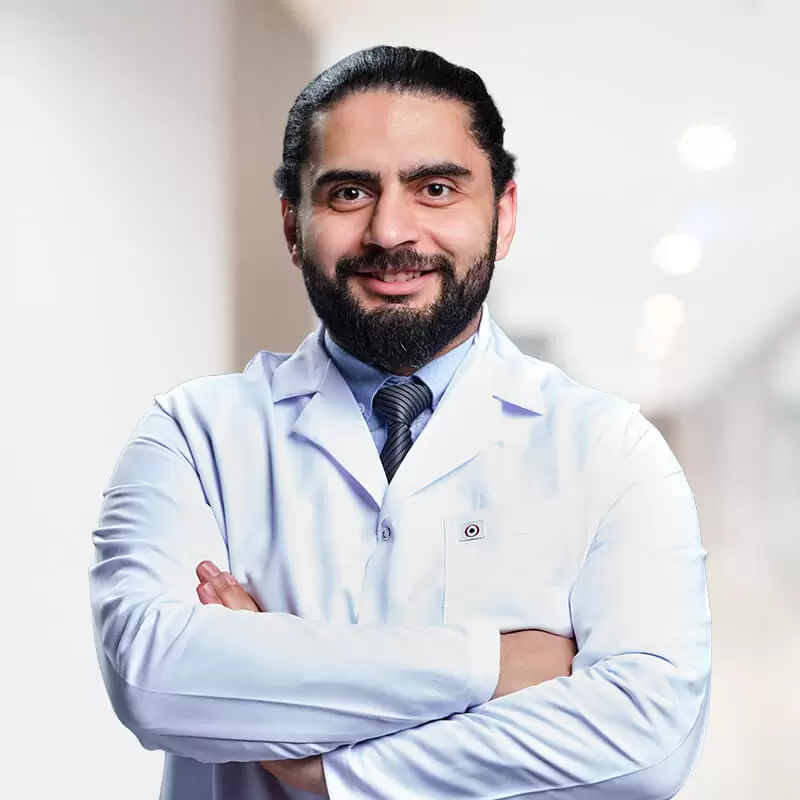
General Surgery Specialist
Who is Dr. Ahmet Bekin?
Who is Dr. Ahmet Bekin?
Dr. Ahmet Bekin, one of the doctors performing hernia surgeries in Istanbul, is specialized in general surgery. Throughout his medical career, he has gained extensive experience in hernia, reflux, and obesity surgery, as well as advanced laparoscopic and robotic surgical applications. He serves his patients with modern approaches such as minimally invasive surgery, laser surgical treatments, single incision surgery (Single Incision Surgery), endocrine and oncological surgery. He is fluent in Turkish, English, and Arabic.
- 2000 – 2006 Kocaeli University Faculty of Medicine
- 2006 – 2011 Istanbul University Faculty of Medicine (Çapa), Department of General Surgery – Specialization
Certificates






| Definition | A condition that arises when the abdominal wall muscles and the tendons in the groin region are damaged due to excessive strain; it is not a hernia in the classical sense. |
| Causes | Excessive stretching or overloading of the muscles, tendons or connective tissues in the groin region, especially sudden movements, overexertion and uneven application of force. |
| Symptoms | Chronic pain in the groin, discomfort that increases particularly during sudden changes of direction or bending while moving, tenderness in the groin. |
| Risk Factors | Contact sports such as football, rugby and hockey; repetitive movements, inadequate warm-up, muscle imbalance, sports activities performed on hard surfaces. |
| Diagnostic Methods | Physical examination, ultrasound, magnetic resonance imaging; a detailed history and imaging are important to rule out other causes. |
| Treatment Methods | Rest, physical therapy, pain relievers, anti-inflammatory medicines; surgical intervention is applied only in cases resistant to treatment. |
| Complications | If left untreated for a long time: chronic pain, decreased sports performance, weakness in the groin region. |
| Preventive Measures | Appropriate warm-up and cool-down exercises, maintenance of muscle balance and flexibility, avoidance of overstraining, correct sports technique. |
| Who Is Affected? | Professional athletes, especially footballers, hockey players, tennis players and those engaged in other sports that require contact or sudden movements. |
İçerik
What Is a Sports Hernia?
A sports hernia, also known as athletic pubalgia, is a soft tissue injury in the groin area, typically caused by repetitive twisting or intense physical activity. Unlike traditional hernias, it doesn’t involve a visible bulge. It leads to chronic groin pain, especially during sports that require sudden direction changes. Diagnosis can be challenging, and treatment may include rest, physical therapy, or surgery if conservative measures fail. It is common among athletes in high-impact sports.
What Are the Causes of Sports Hernia?
Many factors may contribute to the development of a sports hernia. One of the most important is the imbalance between strong thigh muscles and relatively weak abdominal muscles. This creates excessive stress on the pelvis and leads to micro-tears over time. Individuals involved in sports like football, ice hockey and American football experience increased stress due to sudden changes in direction, acceleration or deceleration.
Muscle imbalance and overuse also play a critical role. When the adductor muscles of the inner thigh become stronger than the lower abdominal muscles, forces around the pelvis are distributed unevenly. In addition, intensive training without adequate rest increases muscle fatigue and raises injury risk.
Another important factor is weakness of the inguinal canal. Structural weaknesses in this area may increase stress on the groin and lower abdominal muscles during intense physical activities.
Sudden movements and trauma can trigger a sports hernia. Movements such as quick rotation or direction change increase intra-abdominal pressure, causing tears in muscles or tendons.
Gender differences also contribute. Although more common in men, sports hernia can also occur in female athletes. Weakness in the core muscles, inadequate warm-up, previous injuries and training errors increase risk.
How Common Is Sports Hernia?
Determining exact prevalence is difficult because diagnostic challenges and a lack of standard criteria limit documentation. Nevertheless, it is known to be a leading cause of chronic groin pain among athletes. It is particularly common in sports requiring movements such as rapid acceleration, deceleration, direction change, twisting and kicking, which place considerable stress on the muscles, tendons and ligaments of the lower abdomen and groin. Football, ice hockey, American football, rugby and sprinting are among the activities that most increase the risk.
The vast majority of cases (more than ninety percent) occur in men. Possible reasons include differences in pelvic anatomy, men’s participation in sports with higher physical demands and differences in muscle strength. However, more research is needed for a definitive conclusion. Sports hernia is much rarer in women, accounting for three to fifteen percent of total cases.
It is usually diagnosed in young active athletes, especially those aged twenty to thirty. It is rare in children and older individuals. Nevertheless, not only professional athletes but also people who regularly engage in recreational sports can experience this injury. Increasing diagnoses in this group in recent years are attributed to greater awareness and technological advances in diagnostic methods.
Football is the sport in which sports hernia is most often seen. The intensive changes of direction, sprinting and repeated twisting movements required place significant load on the pelvic region. Ice hockey, American football and rugby are other branches where the injury is common.
*We recommend filling in all fields so that we can get back to you in the best way.
How Does a Sports Hernia Develop?
A sports hernia develops as a result of complex force imbalances and structural weaknesses in the musculoskeletal system. It particularly affects the muscles, tendons and connective tissues in the lower abdomen and groin. The main mechanisms include muscle imbalances, micro-traumas and weakening of connective tissues.
One major factor is the strength imbalance between the abdominal muscles and the adductor muscles. During athletic activities rapid acceleration, deceleration and sudden direction changes generate high rotational forces on the pelvis. If strength and flexibility balance between the abdominal and adductor muscle groups is disrupted, disproportionate stress occurs on the pubic symphysis. This stress causes micro-tears at muscle-to-bone attachment sites and weakens surrounding connective tissues.
Weakening of the posterior wall of the inguinal canal is also important. Formed by the internal oblique and transversus abdominis muscles, this region loses durability due to repetitive stress and micro-traumas. Weakening of the posterior wall impairs the structural integrity of the inguinal canal, causing functional loss and pain. However, a classic herniation does not occur; the weakening is mainly at the soft-tissue level.
Strain on tendons and connective tissues plays a critical role. The tendon structure formed by the confluence of the internal oblique and transversus abdominis muscles provides pelvic stability but may experience partial tears or dysfunction due to excessive strain.
Finally, neurological factors complicate the process. Inflammation and structural changes in the inguinal region may compress the ilioinguinal or genitofemoral nerves. Such compression may make pain chronic, adversely affecting quality of life.
What Are the Symptoms of Sports Hernia?
A sports hernia causes chronic pain in the groin region, and symptoms usually begin insidiously. The most common symptom is deep groin pain felt unilaterally or bilaterally, often described as a dull or burning sensation. This pain intensifies during sporting activities such as sprinting, sudden changes of direction or kicking, subsides with rest but reappears upon returning to sport.
Because of the complex anatomy of the groin, pain may radiate to the scrotum, inner thigh or midline, making it difficult to pinpoint the exact source. Activities that increase intra-abdominal pressure such as coughing, sneezing or performing sit-ups can worsen pain. Stiffness and tenderness in the groin after intense physical activity indicate that tissues are strained and unable to heal. Simple movements the next day such as rising from bed or standing up can be uncomfortable.
Physical examination often reveals tenderness over the pubic symphysis or pubic tubercle. Pain during resisted hip adduction or sit-up movements indicates pathological involvement of affected muscles and tendons. Despite the term “hernia,” a visible bulge or palpable mass is usually absent, distinguishing a sports hernia from a classic inguinal hernia.
Secondary signs include decreased athletic performance, altered gait or movement patterns, and psychological effects caused by chronic pain. Athletes may experience anxiety and loss of motivation due to performance decline and uncertainty. Compensatory movement habits may lead to other musculoskeletal problems.
Symptoms resemble those of other causes of groin pain; therefore, detailed clinical examination and imaging (MRI, ultrasound) are required to exclude hip joint, lumbar spine and urogenital pathologies.
How Is Sports Hernia Diagnosed?
A thorough patient history and careful physical examination form the basis of accurate diagnosis. Patients generally complain of groin pain that intensifies during physical activities, especially movements such as sudden direction changes, sprinting or kicking, and may radiate to the inner thigh, perineal region or lower abdomen. Movements that increase intra-abdominal pressure, such as coughing or sneezing, may also trigger pain.
During physical examination, tenderness over the pubic symphysis, the superficial inguinal ring and the conjoint tendon is carefully assessed. Provocative tests, for example resisted sit-ups or resisted hip adduction, can reproduce the patient’s complaints and support diagnosis. If no apparent inguinal hernia is detected on examination, imaging plays a significant role in confirming the diagnosis.
- Magnetic Resonance Imaging:
MRI is the most commonly used imaging method for evaluating sports hernia. T1-weighted images reveal anatomical details, while T2-weighted images detect acute injury findings such as edema and inflammation. Fat-suppressed T2 imaging can display subtle muscle and tendon injuries more clearly. Contrast-enhanced T1 imaging is used to highlight active inflammation and neovascularization.
- Ultrasonography:
Dynamic ultrasonography is valuable for assessing abdominal wall integrity and detecting occult hernias during movements such as the Valsalva maneuver. It also allows real-time visualization of muscle and tendon movements but requires an experienced operator.
- Differential Diagnosis:
Other causes of groin pain should be excluded. Adductor muscle strain, osteitis pubis, femoroacetabular impingement, inguinal hernia and nerve entrapment syndromes must be considered.
Contact us for detailed information and to schedule an appointment!
How Is Sports Hernia Treated?
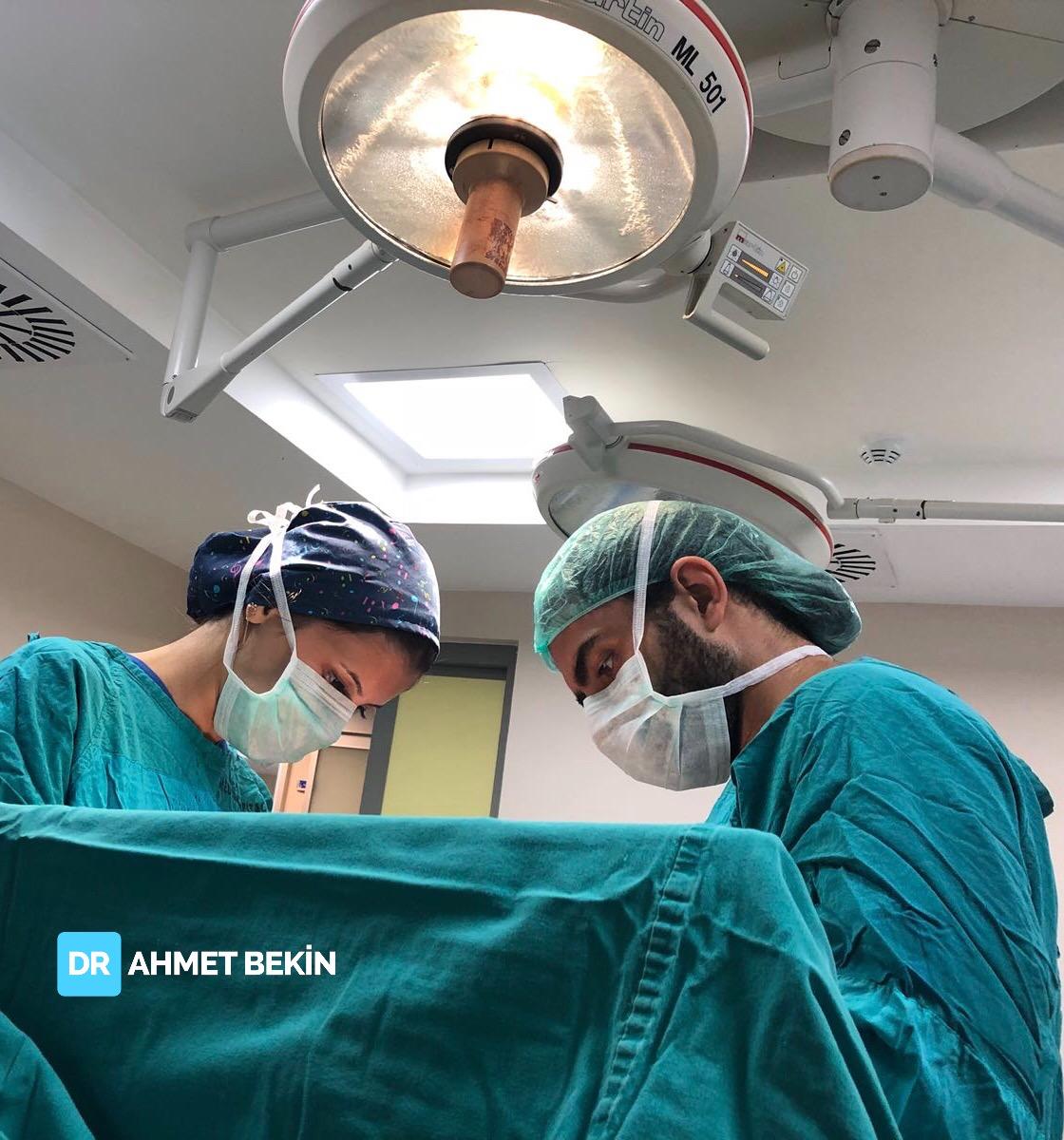
Treatment begins with non-surgical methods based on symptom severity, lifestyle and injury grade, and proceeds to surgical intervention if necessary. The first step is usually conservative treatment.
- Non-Surgical Treatments:
Rest and activity modification form the basis of treatment. Avoiding movements that increase pain allows tissues to heal. The rest period may last several weeks depending on injury severity. Light movements that do not cause pain are allowed to prevent complete muscle weakening.
Physical therapy is an integral part of recovery. A structured program focuses on strengthening the abdominal, hip and thigh muscles and improving flexibility. This corrects muscle imbalances and enhances core stability, reducing reinjury risk.
Non-steroidal anti-inflammatory drugs may relieve pain and inflammation. If insufficient, corticosteroid injections can provide temporary relief. Effectiveness varies with individual factors. If symptoms persist despite two to six months of conservative therapy, surgical options are considered.
- Surgical Treatments:
Surgery is generally discussed after failed conservative treatment. The main aim is to repair damaged tissues and strengthen the area. Open surgery is preferred in more complex cases, whereas laparoscopic and robot-assisted surgery stand out as minimally invasive techniques. The laparoscopic method offers less pain and faster recovery.
What Are the Complications of Sports Hernia?
Untreated sports hernia can lead to serious complications affecting both athletic careers and overall quality of life. One of the most common complications is chronic pain that makes daily activities difficult and lowers athletic performance. In sports requiring rapid movement this significantly reduces effectiveness on the field.
Functional limitations may also occur. Muscle imbalances and loss of flexibility affect range of motion and strength, preventing optimal performance and potentially causing career setbacks.
Compensatory movement patterns adopted to reduce pain can lead to secondary injuries. Altered mechanics may overload hip, knee and lumbar regions, increasing risks such as labral tears or adductor strains.
In untreated cases a sports hernia may progress to an inguinal hernia. Although different, weakening of the posterior inguinal wall can eventually cause a true hernia, requiring more complex surgery.
Finally, psychological effects should not be ignored. Constant pain and inability to participate in sport may lead to depression, anxiety and loss of motivation.
When Can Sports Hernia Be Treated?
Treatment planning is determined by symptom severity, imaging results and individual needs. Treatment usually starts with conservative methods if groin pain is mild or moderate, no significant anatomical defect is detected and daily activities are not severely limited. Rest, physical therapy and non-steroidal anti-inflammatory drugs constitute conservative therapy, which typically lasts six to twelve weeks and aims to correct muscle imbalances and enhance pelvic stability.
If symptoms persist despite conservative treatment, surgery is considered. Persistent pain that affects daily life and athletic performance or clear structural abnormalities such as tears in abdominal muscles or adductor tendons may require surgery. For professional athletes needing rapid return to sport, surgery may offer a more reliable and faster recovery than long-term conservative approaches.
Bilateral groin pain or recurring symptoms can also necessitate surgery. Treatment planning should be shaped by shared decision-making between patient and doctor, considering the athlete’s goals, medical history and lifestyle.
When Can Sports Hernia Not Be Treated?
Treatment varies from conservative methods to surgical interventions depending on the patient’s condition and symptom severity, but certain situations must be carefully evaluated before proceeding. Both conservative and surgical treatments have contraindications that may delay therapy or require alternative approaches.
When muscles or tendons are severely damaged, conservative methods such as physical therapy, rest and anti-inflammatory medicines are insufficient; surgical repair may be necessary. Persistent symptoms for three to six months despite therapy indicate ineffectiveness of conservative treatment and suggest evaluating surgery.
Certain patients may not be suitable for surgery due to general health. For example, active infection in the groin would risk spreading if operated on, so infection must first be treated. Unstable medical conditions, especially cardiovascular or respiratory disorders, increase surgical risk; surgery is postponed until stabilization.
Pregnancy is a major obstacle to surgical treatment because of potential risks to mother and fetus; repair is usually deferred until postpartum. Patients unsuitable for general anesthesia may require alternative anesthesia methods.
Those with prior pelvic radiation therapy or major abdominal surgeries require careful planning because tissue rigidity and adhesions increase postoperative complications. Large tissue defects or recurrent complex hernias may need special approaches beyond standard surgical methods.
What Is the Recovery Process After Sports Hernia Treatment?
The recovery process involves specific stages depending on surgical or conservative treatment and is tailored to individual needs. During the first two weeks supporting wound healing and controlling pain are priorities. Patients should avoid heavy lifting and activities that increase intra-abdominal pressure, and use cold therapy, gentle stretching and short walks to reduce swelling and improve circulation.
The second stage (weeks two to four) focuses on restoring mobility, increasing muscle flexibility and introducing light strengthening exercises. Range-of-motion exercises for the hip and lumbar spine and early activation of the adductor muscles are targeted while avoiding intense movements that cause pain.
From week four onward rehabilitation focuses on enhancing core stability and building muscle strength. Progressive resistance exercises, balance training and activities that improve neuromuscular control are emphasized. After week six the return-to-sport phase begins, gradually incorporating sport-specific movements and plyometric exercises to enable safe resumption of activities.
How Can Sports Hernia Be Prevented?
Prevention involves balanced training that strengthens the musculoskeletal system and promotes a healthy lifestyle. Strengthening the core muscles is fundamental. Strong abdominal muscles increase pelvic stability and reduce overload in the groin. Exercises such as plank, Russian twist and medicine-ball drills target the obliques and rectus abdominis. Research shows such exercises effectively prevent groin injuries.
Strengthening the hip muscles is also critical. Balancing the strength of hip adductors and abductors improves load distribution on the pelvis. Resistance-band exercises and hip-thrust movements are ideal for this purpose. A balanced muscle structure significantly lowers injury risk.
Flexibility and mobility training maintains muscle elasticity and prevents strain-related injuries. Dynamic stretching and yoga increase joint mobility and support sports performance. Paying attention to warm-up and cool-down techniques prepares muscles for intense activity and aids recovery.
Gradually increasing training programs allows the body to adapt to new physical demands. Rest days and varied routines prevent overtraining. Biomechanical evaluation can identify risk factors such as pelvic misalignment and address them with corrective exercises.
Finally, proper equipment use and education to raise awareness are effective in preventing injuries. Athletes should be informed about the signs of sports hernia and intervene early when symptoms appear. Regular medical check-ups are an important part of protecting athlete health by detecting predispositions at an early stage.
What Are the Average 2026 Sports Hernia Surgery in Turkey Prices?
Please contact us for the average Sports Hernia Surgery in Turkey prices.
Reviews from Those Who Have Had Sports Hernia Surgery in Turkey
You can check out Dr. Ahmet Bekin’s patient reviews on Google Maps.
Frequently Asked Questions
How long does sports hernia surgery take?
Surgical repair of athletic pubalgia usually takes one to one and a half hours. Duration may vary depending on the case and the technique used.
Which department or doctor should I consult for a sports hernia?
A sports hernia is a condition that occurs when the muscles and tissues in the groin region are strained due to intense physical activity or sudden movements. It can cause pain and movement limitation in people who train continuously. Performance decline and progressive complications may occur. Consulting a General Surgery specialist for diagnosis and treatment is the best choice. If necessary, surgery and physical therapy are planned.
What is the recommended resting position after sports hernia surgery?
Resting on the back with the head slightly elevated prevents excessive load on the surgical area.
How many days of hospitalization are required after sports hernia surgery?
If open surgery is performed, observation is usually required for one to two days. With small-incision or laparoscopic methods, same-day discharge is often possible.
What happens if a sports hernia is not operated on?
Pain may become permanent over time, and training performance may decline. If physical therapy or rest does not achieve sufficient recovery, surgery may eventually be required.
What should be avoided after sports hernia surgery?
In the early period it is inadvisable to lift heavy objects, strain the abdominal muscles or return to intensive sports training before complete recovery.
Contact us for detailed information and to schedule an appointment!
Blog Posts
Reviews & Complaints from Patients Who Had Gallbladder Surgery
Dr. Ahmet Bekin » Gall Bladder » Reviews & Complaints from Patients Who Had Gallbladder [...]
22
Jul
Jul

Reviews & Complaints from Patients Who Had Gastric Botox
Dr. Ahmet Bekin » Gastric Botox » Reviews & Complaints from Patients Who Had Gastric [...]
22
Jul
Jul
Reviews & Complaints from Patients Who Had Hiatal Hernia Surgery
Dr. Ahmet Bekin » Umbilical hernia » Reviews & Complaints from Patients Who Had Hiatal [...]
22
Jul
Jul
Reviews & Complaints from Patients Who Had Inguinal Hernia Surgery
Dr. Ahmet Bekin » Inguinal Hernia » Reviews & Complaints from Patients Who Had Inguinal [...]
22
Jul
Jul
Reviews & Complaints from Patients Who Had Umbilical Hernia Surgery
Dr. Ahmet Bekin » Umbilical hernia » Reviews & Complaints from Patients Who Had Umbilical [...]
22
Jul
Jul
What Happens If an Inguinal Hernia Bursts?
Dr. Ahmet Bekin » Inguinal Hernia » What Happens If an Inguinal Hernia Bursts?If an [...]
23
Jun
Jun
Is Non-Surgical Treatment for Inguinal Hernia Possible?
Dr. Ahmet Bekin » Inguinal Hernia » Is Non-Surgical Treatment for Inguinal Hernia Possible?Non-surgical treatment [...]
23
Jun
Jun
How Long Does Inguinal Hernia Surgery and Recovery Take?
Dr. Ahmet Bekin » Inguinal Hernia » How Long Does Inguinal Hernia Surgery and Recovery [...]
23
Jun
Jun