

Individual experiences after sleeve gastrectomy surgery vary considerably. Some patients state that they needed more rest during the recovery process than they had expected and that returning to daily life took time. Especially in the first months, the feeling of fatigue is associated with the body’s adaptation process to the new routine.
This process, which requires fundamental changes in eating habits, may present different challenges for some individuals. Adapting to the new dietary routine, paying attention to meal frequency, and being disciplined about portion control may require an adjustment period for some patients. Over time, as this routine becomes established, a balanced lifestyle becomes achievable.
The need for vitamin and mineral supplementation after surgery is frequently emphasized. Some individuals state that despite taking regular supplements, they experienced temporary effects such as low energy or hair loss during certain periods. In such cases, the necessary adjustments are made under a physician’s supervision.
Changes may occur in relationships with the social environment and in daily routines. A different way of eating may attract attention in dining settings, and it may take time for the individual to adapt to this new lifestyle. However, with proper management of the process, the person’s quality of life can be consistently supported in the long term.
İçerik
Those Who Have Difficulty Adapting to the Postoperative Process
Some patients state that although the surgery was technically successful, they had difficulty adapting to daily life afterward. Especially in the first months, the complete change in eating habits, the necessity of being satisfied with small portions, and giving up old habits are described as psychologically exhausting.
Comments frequently include statements similar to, “The surgery was easy, but what came afterward was harder than I expected.” This shows that the surgery is not only a physical process but also a mental one.
Persistent Feeling of Stomach Discomfort
A significant portion of negative comments focuses on stomach-related discomfort. Some patients report experiencing heartburn, a feeling of pressure, or indigestion after meals. It is stated that these complaints increase especially when eating too quickly or not following the recommended dietary plan.
Such comments generally become more prominent in cases where postoperative nutritional education has not been sufficiently internalized. However, not every stomach complaint may have the same cause and requires specialist evaluation.
Patients Who Mention Psychological Effects
Some individuals who have undergone sleeve gastrectomy share that they experienced unexpected emotional fluctuations. Comments highlight issues such as sudden sadness, a feeling of emptiness resulting from the changed relationship with food, and difficulties in social settings.
Especially in individuals who have formed an emotional bond with food, the loss of this connection after surgery may make the adaptation process more difficult. Some patients state that they were not sufficiently prepared for this process and struggled because they did not receive psychological support.
Those Who Say They Could Not Lose Weight or Lost Weight Slowly
Among the negative comments are patients who believe that the expected weight loss did not occur. Some individuals state that they felt disappointed by comparing their own process with stories of rapid and significant weight loss they had heard from others.
Such comments generally result from insufficient awareness of individual metabolic differences. Sleeve gastrectomy does not produce the same outcome for everyone; the weight loss process is unique to each individual and may vary over time.
Difficulties Experienced in Social Life
Some patients state that they experienced difficulties in their social lives after surgery. Situations such as eating out, attending invitations, or sitting at long dining tables may become a source of stress due to dietary restrictions.
Comments include statements such as, “Everyone is eating while I’m just watching,” or “I constantly have to explain why I eat so little.” This shows that the social effects of the surgery should not be overlooked.
Those Who Believe They Were Not Adequately Informed
Some individuals who share negative experiences state that they believe they were not adequately informed about the challenges of the process before surgery. In particular, there are comments expressing that there was a gap between expectations and reality regarding postoperative nutrition, vitamin use, and long-term lifestyle changes.
Such feedback demonstrates how important preoperative counseling and patient-physician communication are.
Complaints of Physical Weakness and Fatigue
Some patients report experiencing prolonged weakness, becoming tired easily, or having low energy after surgery. In the comments, this condition is sometimes attributed to inadequate nutrition and sometimes to vitamin and mineral deficiencies.
Not every case of fatigue can be directly associated with the surgery. However, patient comments frequently emphasize that such complaints should definitely be evaluated under specialist supervision.
The Difference Between Expectations and Reality
A significant portion of the negative comments from those who have undergone sleeve gastrectomy is related to unrealistic expectations. Some individuals who viewed the surgery as an “easy solution” may become disappointed when they encounter a process afterward that requires intensive discipline.
For this reason, comments frequently include statements such as, “I wish I had been better prepared,” or “The surgery wasn’t the real challenge—it was everything that came afterward.”
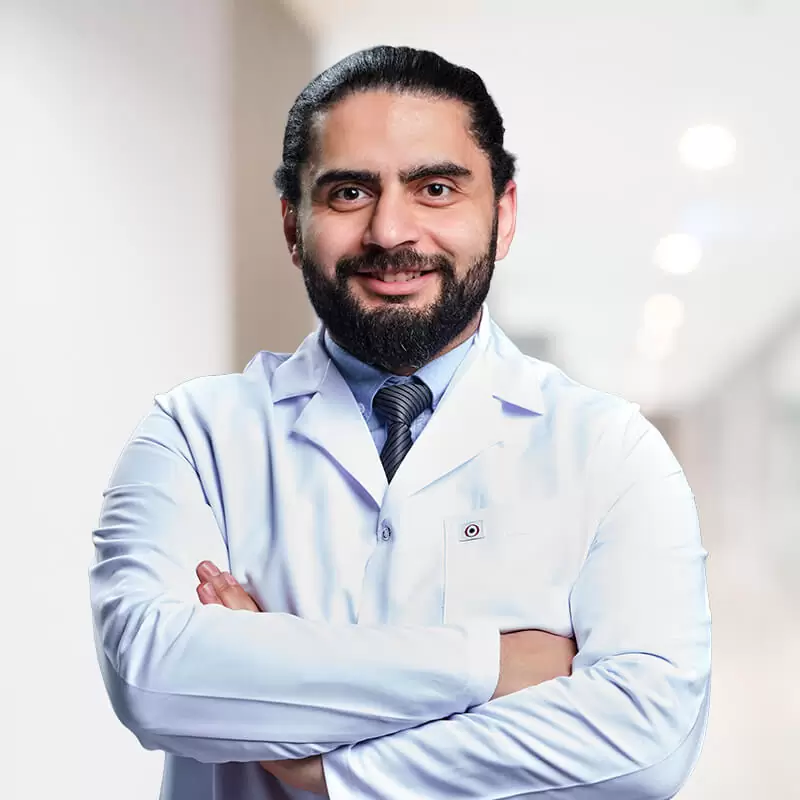
Op. Dr. Ahmet Bekin was born in Istanbul in 1983. He graduated from the Faculty of Medicine at Kocaeli University in 2006 and completed his specialty training in the Department of General Surgery at Istanbul University Çapa Faculty of Medicine in 2011. After his specialization, he worked in the fields of hernia surgery, reflux surgery, obesity surgery, advanced laparoscopic surgery, and robotic surgery. In addition, he received training in endocrine surgery, oncological surgery, and minimally invasive surgery. He is currently accepting patients from Turkey as well as from countries such as Germany and France at his private clinic located in Istanbul.