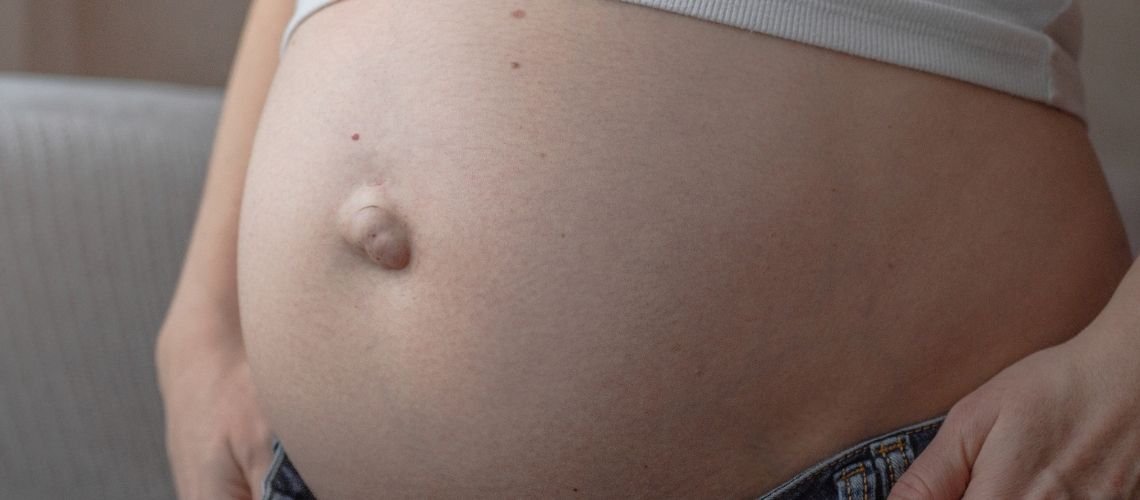


An umbilical hernia can rupture if left untreated, especially under conditions of increased intra-abdominal pressure. Rupture is rare but represents a serious medical emergency due to the risk of infection, tissue strangulation, and intestinal obstruction. Immediate surgical care is required.
Umbilical hernia complications include incarceration and strangulation, which occur when abdominal contents are trapped. These conditions compromise blood supply, causing pain, swelling, and potential necrosis. Recognizing these warning signs early is critical to prevent rupture and avoid life-threatening consequences.
Risk factors for umbilical hernia rupture include chronic coughing, heavy lifting, obesity, and pregnancy. Patients with large, untreated hernias are more prone to complications. Preventive measures involve weight control, avoiding strain, and early consultation with a specialist when symptoms appear.
Surgical intervention is the definitive treatment for preventing rupture. Modern techniques such as open or laparoscopic hernia repair use mesh reinforcement to strengthen the abdominal wall. Timely surgery not only reduces the risk of rupture but also improves long-term quality of life and recovery.
İçerik
Can an Umbilical Hernia Burst? What Does It Really Mean?
An umbilical hernia does not literally “burst” like a balloon, yet it can experience severe and dangerous complications that, in everyday speech, may be described as bursting. The leading complications are tearing of the hernia sac itself or, much more commonly and just as dangerous, strangulation of the hernia contents.
Spontaneous tearing of the hernia sac is rare but serious. Medically known as “Flood syndrome,” it is observed mainly in patients with advanced liver disease who have excessive abdominal fluid (ascites). When ascites markedly increases intra-abdominal pressure and meets the weakened abdominal wall around the navel, about 20 % of such patients develop an umbilical hernia. Under the force of this high pressure, the hernia sac may tear, allowing ascitic fluid to leak outside. Flood syndrome carries a high mortality rate and is difficult to manage. Outside these specific circumstances, an actual rupture is exceedingly rare; the mechanism is the physical tearing of the weakened abdominal wall and hernia sac under rising pressure.
A far more common—and equally alarming—event that people might call “bursting” is hernia strangulation. Here, bowel or fat that has slipped into the hernia sac becomes trapped, and the surrounding muscles clamp down, cutting off its blood supply. Loss of blood flow is critical because tissue deprived of oxygen and nutrients soon sustains damage and eventually dies (necrosis or gangrene). Strangulation is a life-threatening emergency requiring prompt medical attention to restore circulation and prevent irreversible injury.
Strangulation usually follows a stage called incarceration, in which the hernia contents become stuck in the sac and cannot be pushed back into the abdomen. Although incarceration alone is not as urgent as strangulation, the pressure on trapped tissue can quickly impair blood flow and progress to strangulation. Detecting incarceration early offers a chance for medical evaluation and intervention before this serious complication develops. Therefore, the answer to “Can an umbilical hernia burst?” is that it can suffer rare tearing or, more often, strangulation—both of which demand urgent care.
What Symptoms Occur if an Umbilical Hernia Bursts?
When an umbilical hernia “bursts,” especially through strangulation, the signs are usually sudden and severe and signal the need for immediate treatment. Key red-flag symptoms include:
- Sudden and Severe Pain: Intense, rapidly worsening pain at the hernia site indicates tissue entrapment and impaired blood flow.
- Tenderness: The bulge becomes extremely sensitive; even light pressure may be unbearable.
- Swelling and Hardening: The hernia enlarges, feels tense and firm, and can no longer be pushed back inside.
- Skin Discoloration: Redness, bluish-purple, or darkening of the skin over the bulge shows severely reduced blood supply and tissue injury.
- Nausea and Vomiting: Common when trapped bowel causes obstruction.
- Fever: A systemic response to infection or serious tissue damage.
- Irreducibility: A hernia that was formerly reducible can no longer be returned to the abdomen.
- Constipation and Gas Retention: In bowel obstruction, stool and gas cannot pass.
- Bloody Stool: Rarely, bowel wall injury may cause blood in the stool.
- General Weakness and Rapid Heartbeat: Signs of systemic stress and possible infection.
In the very rare rupture scenario of Flood syndrome, the most striking sign is a continuous leak of straw-colored ascitic fluid from the navel, often accompanied by abdominal pain and skin ulceration around the umbilicus.
In Which Situations Does the Risk of an Umbilical Hernia Bursting Increase?
Several factors raise the likelihood of tearing or, more commonly, strangulation (“bursting”) of an umbilical hernia. They relate to the hernia’s own features, conditions that boost intra-abdominal pressure, and overall health status.
- Size and Anatomy of the Hernia: Larger hernias, especially those with a narrow neck compared with the sac, have a higher risk of incarceration and strangulation because trapped tissue is easily compressed.
- Conditions That Increase Intra-abdominal Pressure: Chronic or sudden pressure rises enlarge the hernia and heighten complications:
Obesity: Constant extra load on the abdominal wall.
Pregnancy: Particularly multiple pregnancies, stretching and weakening abdominal muscles.
Chronic Severe Cough: From asthma, COPD, or smoking.
Ascites: Fluid build-up in liver disease greatly elevates pressure and both hernia formation and Flood syndrome risk.
Heavy Lifting and Excessive Straining: Activities that spike abdominal pressure.
Chronic Constipation: Repeated straining on the toilet. - Delayed Treatment: An untreated adult umbilical hernia grows over time, raising the chance of incarceration and strangulation.
- Underlying Health Problems: Conditions that weaken tissue or raise abdominal pressure add risk:
Connective tissue disorders weaken structures.
Liver disease with ascites elevates both hernia and rupture risk.
Studies suggest metabolic syndrome or diabetes may also contribute. - Age: Congenital hernias in infants are usually benign and self-resolving, whereas acquired adult hernias carry higher complication risk if left untreated.
What Can Be the Consequences if an Umbilical Hernia Bursts?
- Infection: Strangulated tissue is prone to rapid bacterial growth; if the sac ruptures, bacteria can enter the abdomen and cause peritonitis.
- Tissue Death (Necrosis/Gangrene): Loss of blood flow kills the trapped tissue; gangrene develops if infection sets in, releasing toxins into the bloodstream.
- Bowel Obstruction (Ileus): When intestine is trapped, food and waste cannot pass, leading to severe pain, distension, nausea, vomiting, and inability to pass gas or stool.
- Sepsis: A body-wide, life-threatening reaction to infection that can cause organ failure and shock.
- High Mortality (Especially in Flood Syndrome): Because of serious liver disease and ascites, spontaneous rupture carries significant death risk.
- Emergency Surgery and Possible Bowel Resection: Strangulated hernias always need urgent repair; necrotic bowel must be removed, making surgery more complex and recovery longer.
How Is an Umbilical Hernia Burst Diagnosed and Treated?
A suspected rupture or strangulation demands urgent evaluation and usually emergency surgery.
Diagnosis
- Physical Examination: The doctor inspects and palpates the bulge, noting size, firmness, tenderness, skin color, and whether it can be reduced.
- Patient History: Onset of pain, severity, nausea, vomiting, fever, previous surgeries or liver disease.
- Imaging Tests:
Ultrasonography: First-line; shows sac contents, incarceration, and with Doppler, blood flow.
CT Scan: Gives detailed images, revealing obstruction, tissue damage, and other complications.
Blood Tests: White cell count, lactate, and other markers for infection or organ stress.
Treatment
A strangulated or ruptured umbilical hernia almost always requires emergency repair.
- Emergency Assessment: IV fluids, pain control, antibiotic coverage in the ER.
- Manual Reduction (Rare, Early Cases): If incarceration is recent and without severe symptoms, a gentle attempt at reduction may be made; if successful, elective repair can be scheduled. This is done only by experienced clinicians.
- Emergency Surgical Repair: Standard care when strangulation or rupture is present.
– A peri-umbilical incision exposes the sac.
– The contents are examined; viable tissue is returned to the abdomen.
– Necrotic sections are resected; bowel ends are anastomosed if necessary.
– The defect is closed. Small hernias may be repaired with sutures alone; larger or recurrent hernias usually require a synthetic mesh for strength. If bowel resection or infection is present, the surgeon may forgo synthetic mesh or choose a biologic mesh. - Flood Syndrome Management: Ascitic fluid drainage (paracentesis) lowers pressure; once the patient is stabilized, surgical repair is planned. Strict infection control is crucial.

Op. Dr. Ahmet Bekin was born in Istanbul in 1983. He graduated from the Faculty of Medicine at Kocaeli University in 2006 and completed his specialty training in the Department of General Surgery at Istanbul University Çapa Faculty of Medicine in 2011. After his specialization, he worked in the fields of hernia surgery, reflux surgery, obesity surgery, advanced laparoscopic surgery, and robotic surgery. In addition, he received training in endocrine surgery, oncological surgery, and minimally invasive surgery. He is currently accepting patients from Turkey as well as from countries such as Germany and France at his private clinic located in Istanbul.