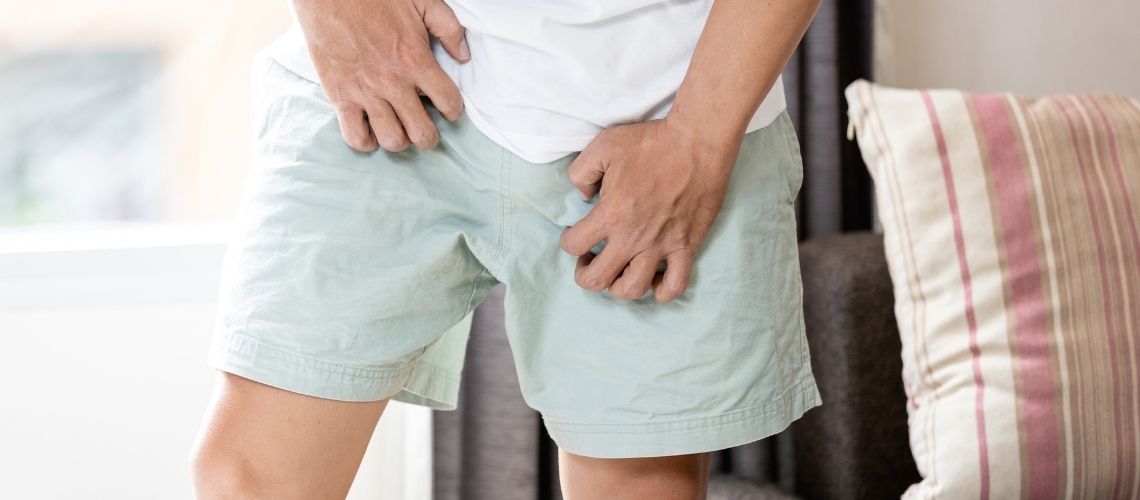


Returning to sports after groin and umbilical hernia surgeries requires a gradual approach. Initial rest is followed by light physical activity under medical supervision. This structured progression prevents complications and supports complete healing.
Rehabilitation programs focus on strengthening abdominal and core muscles. Guided physiotherapy enhances flexibility, stability, and endurance. Controlled training reduces recurrence risks and allows safe reintegration into athletic routines.
Athletes should prioritize low-impact exercises before resuming high-intensity training. Activities such as swimming, walking, or stationary cycling provide cardiovascular benefits while minimizing stress on the abdominal wall during recovery.
Full return to competitive sports depends on surgical technique, healing speed, and individual fitness. Regular follow-ups with the surgeon ensure readiness. Adherence to medical advice secures long-term performance and prevents re-injury.
İçerik
What Surgical Techniques Are Used After Inguinal and Umbilical Hernia Surgeries and How Do They Affect Recovery?
Different techniques can be chosen for hernia surgeries. The appropriate technique for you will be decided based on your hernia’s status, your overall health, and your surgeon’s experience. Each technique may affect the recovery process and timing of returning to sports differently.
What Is the Typical Recovery Process After Inguinal Hernia Surgeries?
Inguinal hernias are mainly repaired using either open surgery or minimally invasive (laparoscopic or robotic) methods.
In open surgery, the hernia is repaired with a single incision in the groin and usually a synthetic mesh is used. This is a traditional technique with low recurrence rates. Pain and return to daily life in the early period after surgery may take slightly longer compared to minimally invasive methods, but the long-term outcomes are generally similar.
In minimally invasive (laparoscopic) surgery, repairs are made through several small incisions in the abdominal wall. This approach typically offers less postoperative pain, smaller scars, and an earlier return to daily activities. This can mean a quicker return to sports for people with an active lifestyle or athletes. Robotic surgery is a more technologically advanced form of laparoscopy and offers similar benefits, especially in complex cases.
In summary, although minimally invasive methods usually offer faster initial recovery, when it comes to returning to full-capacity heavy sports, there may be no significant long-term difference between methods since the repair needs to be biologically solidified.
How Does the Recovery Process Progress After Umbilical Hernia Surgeries?
Umbilical hernias can also be repaired by open or minimally invasive techniques. In open surgery, an incision is made over or just beside the navel. Small hernias are repaired with stitches, while larger or recurrent ones are usually reinforced with mesh. In the laparoscopic approach, mesh is placed internally through small incisions, which can offer less pain and faster recovery, especially for large or recurrent hernias. Robotic surgery can provide similar benefits.
Minimally invasive methods generally offer faster initial recovery for umbilical hernias as well. However, since the navel area is a key anchor for core muscles, a more cautious approach may be needed when returning to sports compared to inguinal hernias.
How Does Mesh Use After Inguinal and Umbilical Hernia Surgeries Affect Recovery?
Mesh use in hernia surgery is a common method since it reduces the risk of recurrence. However, the use and type of mesh can affect your recovery and comfort.
In adults, mesh repair is the standard approach in inguinal and umbilical hernia repairs, as it significantly reduces recurrence. Mesh acts as support for weakened tissues, providing a stronger repair. However, some patients may experience chronic pain or a foreign body sensation postoperatively. In young, active individuals and athletes, mesh-free repair techniques may sometimes be considered to avoid potential long-term side effects (especially chronic pain or movement limitations due to stiffness), although recurrence rates may be slightly higher compared to mesh repairs.
Meshes themselves also differ. Traditional heavy meshes provide strong repair but may lead to more foreign body reaction and chronic pain in some patients. Lightweight meshes were developed to reduce these issues and are more flexible, potentially offering less chronic pain and better tissue adaptation—advantages for athletes who need mobility. However, there is no clear scientific consensus as to which mesh is superior. The decision should be individualized with your surgeon, taking into account your condition, sport, performance level, and preferences.
What Should Be Considered in the General Recovery Period After Inguinal and Umbilical Hernia Surgeries?
The recovery process varies from person to person, but there are some key points to follow.
What Is Important in the First Days and Weeks After Inguinal and Umbilical Hernia Surgery?
- Take your prescribed pain medications regularly for pain control.
- Keep your incision clean and dry.
- Drink plenty of fluids and eat fiber-rich foods to prevent constipation, as straining can put pressure on the surgical area.
- Although rest is important in the first few days, start slow, short walks indoors as recommended by your doctor.
- If you need to cough or sneeze, you can gently support the surgical area with a pillow.
When Can You Return to Daily Life After Inguinal and Umbilical Hernia Surgery?
Most people can start light daily activities (personal care, moving around at home) within a few days as pain allows. Usually, returning to normal daily activities within 3-5 days is safe and does not increase the risk of recurrence.
What Is the Return-to-Work Process After Inguinal and Umbilical Hernia Surgery?
Your return to work depends on the physical demands of your job:
- For desk jobs or light work, you can usually return in 1-2 weeks.
- For physically demanding jobs involving heavy lifting, a longer rest period is needed—anywhere from 2-6 weeks or even longer depending on the type of surgery and the size of the hernia.
When Can You Start Driving After Inguinal and Umbilical Hernia Surgery?
If you had general anesthesia, do not drive for at least 24 hours. Never drive while taking strong (narcotic) painkillers. In general, you can drive when you no longer need painkillers, feel comfortable, and, most importantly, have the physical ability to brake or turn the steering wheel safely in an emergency (this is usually 1-2 weeks after surgery).
Remember, while “move as your pain allows” is often recommended, pain perception is individual. Especially with higher-risk activities like returning to sports, it’s safest to follow a rehabilitation program guided by your doctor and physical therapist with time and functional milestones.
What Gradual Approach Should Be Taken for Returning to Sports After Inguinal and Umbilical Hernia Surgery?
Returning to sports is an important part of your recovery and requires careful planning.
The main principle is to listen to your body’s signals, especially pain. If you feel pain, discomfort, or an abnormal sensation at the surgical site during or after any activity, you should stop or reduce the intensity. Activities should be increased gradually, not abruptly. Most importantly, the decision and timing to return to sports should always be made with the approval and recommendations of your surgeon.
Generally, light activities (such as walking) can be started within 1-2 weeks after surgery. Low-impact sports like swimming or cycling can be attempted after wound healing, usually around 2-4 weeks. For higher-intensity activities such as running, it is generally recommended to wait 4-6 weeks or sometimes longer. Returning to heavy lifting and resistance training typically starts at 4-6 weeks and may extend to 2-3 months or more depending on the type of sport and individual factors. With minimally invasive (laparoscopic/robotic) surgery, these timelines may be slightly shorter.
After umbilical hernia repair, you should be even more cautious with activities that strain the core muscles. For core-intensive activities like yoga or Pilates and other high-intensity exercises, a 2-3 month wait—or even longer for large hernias—is often recommended.
Why Are Rehabilitation and Exercise Programs Important After Inguinal and Umbilical Hernia Surgeries?
A proper rehabilitation program plays a key role in helping you return to normal activities and sports more quickly and safely.
What Are the Benefits of Physical Therapy After Inguinal and Umbilical Hernia Surgery?
Physical therapy is extremely important for optimizing recovery after surgery, managing pain, regaining lost range of motion, strengthening the core and pelvic muscles, and ensuring a safe return to your chosen sport. An experienced physical therapist will design a personalized, step-by-step exercise program based on your individual needs, the type of surgery you had, and the demands of your sport.
What Are Some Early-Phase (0-2 Weeks) Exercises After Inguinal and Umbilical Hernia Surgery?
The main goal in this period is to support recovery by increasing circulation and gently activating the abdominal muscles.
- Deep breathing exercises
- Short, slow-paced indoor walks
- Pelvic tilts (gentle pelvic movements while sitting or in bed)
- While lying down, gently bringing the knees up toward the abdomen one at a time within pain limits
Any movements that significantly increase intra-abdominal pressure (straining, lifting heavy objects, strenuous abdominal exercises) should definitely be avoided.
What Are Some Mid-Phase (2-6 Weeks) Exercises After Inguinal and Umbilical Hernia Surgery?
At this stage, the aim is to gradually strengthen the core muscles and slowly increase general endurance.
- Walking duration and intensity can be increased (e.g., 20 minutes daily)
- Heel slides while lying down
- Cat-cow stretches on all fours
- If the wound is completely healed and your surgeon approves, water exercises
- Short-duration, low-resistance stationary cycling or elliptical trainer
All exercises in this period should be slow, controlled, and within pain limits.
How Should Advanced and Sport-Specific Exercises (6+ Weeks) Be Planned After Inguinal and Umbilical Hernia Surgery?
The goal at this stage is to regain full functional strength and endurance and return to sport-specific movements. Core strengthening becomes more dynamic (such as planks, controlled sit-up variations, side planks). Resistance training with light weights can be started. The duration and intensity of cardiovascular exercises like running, swimming, and cycling are gradually increased. Most importantly, transition to sport-specific training should be done with a physical therapist or trainer, starting with low intensity and controlled movements that mimic the primary activities of your sport.
What Should Be Considered When Returning to Different Sports Branches After Inguinal and Umbilical Hernia Surgeries?
Each sport places different demands on the body, so the return plan should be tailored accordingly. “If it causes pain, stop” is always the most important rule.
- Low-Impact Sports (Walking, Swimming, Cycling): Walking can usually be started from day one. Swimming after the wound has healed (2-4 weeks), and cycling 2-4 weeks later if there is no pain.
- Running and High-Impact Sports: Light running is generally safe after 4-6 weeks with a gradual program. For jumping, sprinting, and other high-impact sports, a waiting period of 6 weeks to 6 months is recommended.
- Weight Lifting: Avoid lifting more than 5-10 kg for the first 1-2 weeks. You can start with light weights at 4-6 weeks, and heavy lifting at 2-3 months or later (5-6 months for large hernias).
- Team Sports (Football, Tennis, Basketball, etc.): Since these involve sudden movements, a gradual return between 4-6 weeks and 3-6 months is targeted.
- Yoga, Pilates, CrossFit: Gentle yoga and Pilates can be started at 3-4 weeks; avoid moves that increase intra-abdominal pressure. CrossFit is high-intensity and usually requires 3-6 months or more of recovery and serious modifications.
- Golf: Light swings can be started at 4-6 weeks, and full swings after 6-8+ weeks.
What Factors Affect the Return to Sports After Inguinal and Umbilical Hernia Surgeries?
Your return-to-sports process is not limited to the surgery itself; many factors can affect this period.
- Your age (younger people usually recover faster, but biological age is more important)
- Your overall health status
- Your preoperative fitness level
- Presence of comorbidities such as diabetes
- Obesity
- Smoking (definitely slows down recovery)
- Your psychological state and motivation
Factors related to your hernia are also important. For example, the type, size, and recurrence status of your hernia (previous repairs in the same area) may affect recovery. Recovery may take longer after repair of large or recurrent hernias.
Surgical factors include the technique used (open or minimally invasive), type of mesh, and of course, your surgeon’s experience.
Lastly, “prehabilitation”—exercises and efforts to improve your general condition before surgery—can positively influence your postoperative recovery. Preparing the body in advance for surgery can speed up recovery.
Can “Sports Hernia” (Athletic Pubalgia) Be Confused with Classic Hernia After Inguinal and Umbilical Hernia Surgeries?
Accurate diagnosis is crucial in groin pain. Although the term “sports hernia” is often heard, this condition is different from classic hernias. Sports hernia refers to insidious pain in the groin, lower abdomen, or inner thigh that increases with sports activity. Unlike classic hernias, there is usually no outward protrusion of intra-abdominal organs. It is more of a soft tissue problem related to muscle or tendon strain, tear, or weakness. True inguinal and umbilical hernias involve a tear or weak spot in the abdominal wall with outward bulging of internal structures. Making this distinction is critical for your treatment plan.
What Warning Signs and Complications Should Be Watched For After Inguinal and Umbilical Hernia Surgeries?
Some discomfort is normal during recovery. However, certain symptoms may indicate a more serious problem and require immediate medical attention. It’s normal to have some pain, swelling, bruising, and tenderness at the surgical site in the first days and weeks—these usually subside over time.
But you must contact your doctor if you experience any of the following:
- Fever of 38°C (100.4°F) or higher, chills
- Foul-smelling, yellow, green, or heavily bloody discharge from the wound
- Increasing redness, warmth, or excessive swelling at the surgical site
- Pain that cannot be controlled or keeps increasing despite painkillers
- A new or rapidly growing lump at the surgical site that can no longer be pushed back in (this may be a hernia recurrence or a strangulated hernia, which is more serious)
- Severe nausea, vomiting, widespread abdominal swelling, or inability to pass gas or stool
- Difficulty or pain while urinating
- Sudden swelling, redness, or pain in the legs (which could indicate deep vein thrombosis—a medical emergency)
- Shortness of breath or chest pain (which could indicate a serious condition like pulmonary embolism and is also an emergency)
As with any surgical intervention, hernia surgeries carry potential risks, including infection, hematoma (blood accumulation), seroma (fluid collection), recurrence, and chronic pain (pain lasting more than 3-6 months). Such situations are rare but should be treated appropriately if they occur.
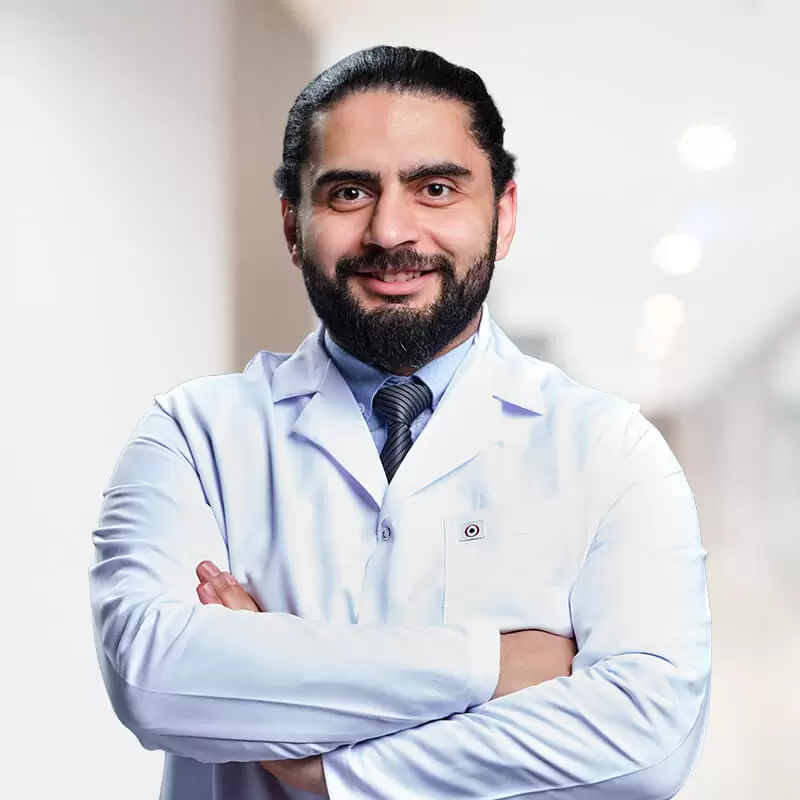
Op. Dr. Ahmet Bekin was born in Istanbul in 1983. He graduated from the Faculty of Medicine at Kocaeli University in 2006 and completed his specialty training in the Department of General Surgery at Istanbul University Çapa Faculty of Medicine in 2011. After his specialization, he worked in the fields of hernia surgery, reflux surgery, obesity surgery, advanced laparoscopic surgery, and robotic surgery. In addition, he received training in endocrine surgery, oncological surgery, and minimally invasive surgery. He is currently accepting patients from Turkey as well as from countries such as Germany and France at his private clinic located in Istanbul.