

Chia seeds may support the weight loss process thanks to their fiber content and ability to prolong satiety. Their high soluble fiber content slows gastric emptying and contributes to balancing daily calorie intake. However, they do not cause weight loss on their own; they should be combined with a balanced diet and physical activity.
Chia seeds stand out during the weight loss process because of their effects on metabolism. The omega-3 fatty acids and plant-based proteins they contain contribute to the regulation of energy metabolism. By helping reduce blood sugar fluctuations, they support the control of sudden hunger attacks and make portion control easier.
The amount of chia seeds consumed is a determining factor in weight management. While an average daily intake of 1–2 tablespoons is considered sufficient, excessive consumption may lead to digestive problems. Consuming them with adequate fluids helps the fiber form a gel in the intestines, increasing their satiating effect.
A healthy weight loss approach with chia seeds requires a comprehensive plan. Adding them to a low-calorie and balanced nutrition program, supporting the plan with regular exercise, and taking the individual’s health condition into account are important. Individuals with chronic diseases are advised to consult a healthcare professional before use.
İçerik
Nutritional Content and Metabolic Properties of Chia Seeds
Chia seeds are a food rich in both soluble and insoluble fiber. Approximately 100 grams contain 30–35 grams of fiber. They also contain omega-3 fatty acids in the form of alpha-linolenic acid (ALA), plant-based protein, calcium, magnesium, and antioxidant compounds.
In particular, their soluble fiber content forms a gel-like structure when it comes into contact with water. This gel may prolong gastric emptying time and support the feeling of fullness. This mechanism is important for appetite control; however, it may not have the same effect in every individual.
How Can Chia Seeds Affect Weight Loss?
- Potential to Prolong Satiety
When chia seeds come into contact with water, their increase in volume may stimulate satiety signals through gastric distension. This condition has been associated with a decrease in ghrelin (the hunger hormone) levels and an increase in satiety hormones such as peptide YY.
However, clinical studies do not conclusively show that chia seeds alone provide significant weight loss. Rather, they are considered a supportive component of a balanced nutrition program.
- Fiber Content and Gut Health
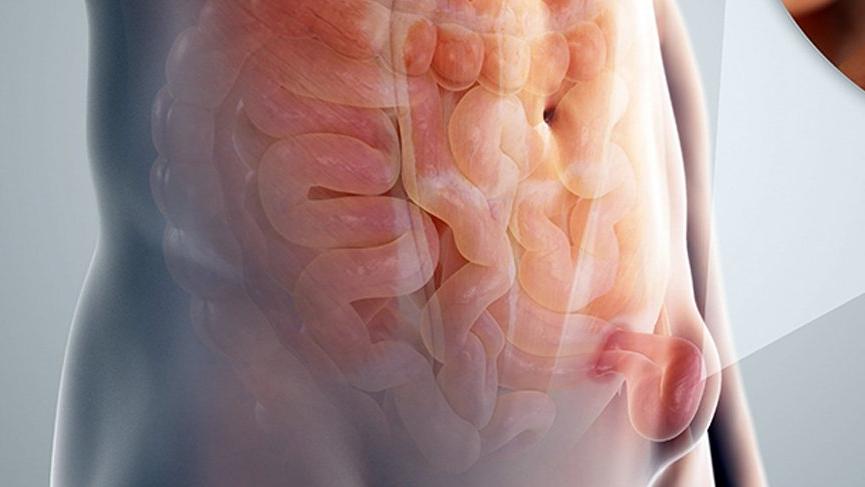
Thanks to their high fiber content, they may regulate bowel movements and exert a prebiotic effect. There is a well-known strong relationship between the gut microbiota and metabolic health. A healthy microbiota may have indirect effects on insulin sensitivity and energy metabolism.
However, suddenly and excessively increasing fiber intake may lead to symptoms such as gas, bloating, and abdominal discomfort.
- Effects on Blood Sugar Balance
Chia seeds are a low-glycemic-index food. The fiber they contain may slow the absorption of carbohydrates and reduce postprandial (after-meal) blood sugar fluctuations. This is particularly important for appetite control in individuals with insulin resistance.
Stable blood sugar levels may help prevent sudden hunger attacks. However, individuals with diabetes should always make dietary adjustments under the supervision of a physician and dietitian.
What Do Scientific Studies Say?
The results of clinical studies on chia seeds are heterogeneous. Although some small-scale studies have reported mildly positive effects on appetite control and waist circumference, large-scale, long-term studies have not clearly demonstrated that chia seeds alone produce significant weight loss.
Therefore, chia seeds should not be regarded as a miraculous weight loss product but rather as part of a balanced diet.
How Should Chia Seeds Be Consumed?
A daily intake of 1–2 tablespoons (approximately 15–30 grams) is generally considered sufficient. Mixing them with yogurt, milk, kefir, or water and allowing them to soak may make them easier to digest. Consuming them with adequate fluids is important.
Consuming them dry and without sufficient fluid intake may pose a risk of esophageal obstruction, especially in individuals with swallowing difficulties.
Who Should Consume Them with Caution?
In some situations, chia seeds should be used with caution:
- Individuals taking blood-thinning medications
- People with thyroid disease
- Individuals prone to low blood pressure
- People with swallowing difficulties
- Individuals with digestive system sensitivities
As with any dietary supplement, individuals with chronic diseases are advised not to plan regular consumption without consulting their physician.
Realistic Expectations: Are Chia Seeds Alone Enough?
Weight loss is a complex process shaped by the interaction of energy balance, hormonal regulation, physical activity level, sleep quality, and psychosocial factors. A single food should not be expected to significantly accelerate metabolism or dramatically increase fat burning.
Thanks to their high fiber content, chia seeds may support prolonged satiety, contribute to blood sugar balance, and positively affect gut health. However, sustainable weight loss requires an individually planned nutrition program and lifestyle changes.
When Should Professional Support Be Sought?
- Individuals with a body mass index (BMI) above 30
- People with metabolic diseases such as insulin resistance, diabetes, or thyroid disorders
- Individuals experiencing continuous weight gain
- People aiming for rapid weight loss
In these situations, evaluation by an internal medicine or endocrinology specialist is important. When necessary, a multidisciplinary approach may be planned with the support of a dietitian.
Frequently Asked Questions
Do chia seeds help with weight loss, and how do they work?
Why are chia seeds preferred by people who want to lose weight?
Do chia seeds help burn belly fat?
How should chia seeds be consumed for weight loss?
When should chia seeds be consumed to increase the feeling of fullness?
Do chia seeds speed up metabolism?
What should be considered when consuming chia seeds?
How long does it take to lose weight with chia seeds?
Can chia seeds and exercise together increase weight loss?
Are chia seeds suitable for everyone for weight loss?

Op. Dr. Ahmet Bekin was born in Istanbul in 1983. He graduated from the Faculty of Medicine at Kocaeli University in 2006 and completed his specialty training in the Department of General Surgery at Istanbul University Çapa Faculty of Medicine in 2011. After his specialization, he worked in the fields of hernia surgery, reflux surgery, obesity surgery, advanced laparoscopic surgery, and robotic surgery. In addition, he received training in endocrine surgery, oncological surgery, and minimally invasive surgery. He is currently accepting patients from Turkey as well as from countries such as Germany and France at his private clinic located in Istanbul.