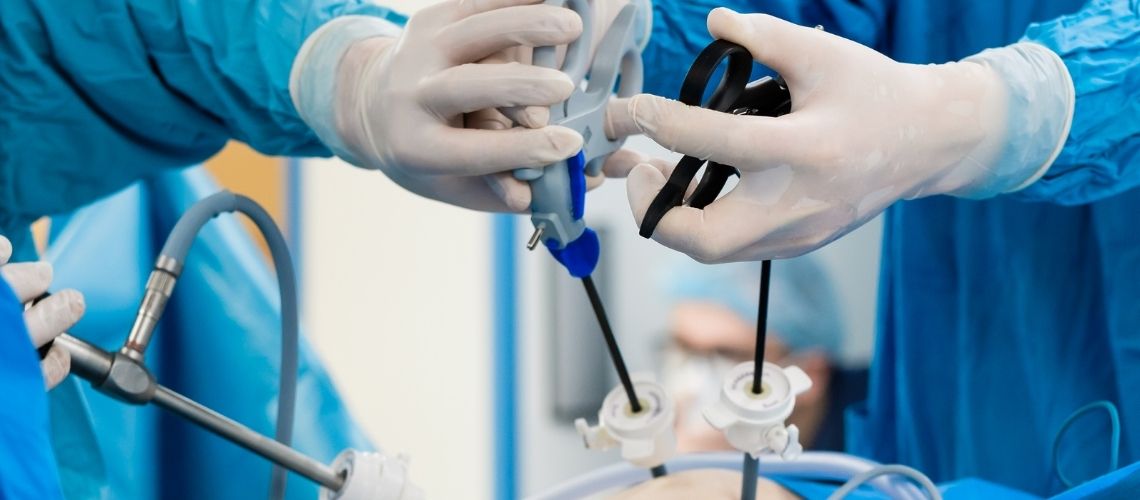


Foods that promote satiety are primarily eggs, legumes, oats, fish, nuts, and high-fiber vegetables. Thanks to their high-quality protein and fiber content, these foods slow digestion, allowing the stomach to remain full for a longer period. Complex carbohydrates and healthy fats that help maintain stable blood sugar levels directly facilitate appetite management by preventing sudden hunger episodes. In clinical processes such as bariatric surgery and abdominal wall hernia treatment, these foods support metabolic success while preserving the body’s natural energy balance and are among the most effective natural tools for preventing unnecessary calorie intake.
İçerik
How Do Foods That Promote Satiety Create a Biological Effect in Our Body?
The two most important hormones involved in long-term body weight control and appetite regulation between meals are leptin and ghrelin. These two hormones regulate our appetite by stimulating the energy centers in our brain through opposing yet perfectly complementary mechanisms. Leptin is generally defined in medical literature as the satiety hormone and is primarily produced by cells in the body’s white adipose tissue. Its main function is to continuously provide the brain with information about the current state of the body’s energy stores. When the body’s fat stores reach a sufficient and safe level, leptin production increases, and this signal travels through the bloodstream to the hypothalamus in the brain. Once the brain receives this signal, it automatically reduces the desire to eat and maintains the basal metabolic rate at an optimal level. However, when excess weight persists for a long time, a condition known as leptin resistance develops. In this situation, although there is a high amount of leptin circulating in the blood, the receptors in the brain fail to recognize the signal. As a result, the brain mistakenly perceives the body to be in a severe state of starvation, continuously creating the urge to eat.
On the other hand, ghrelin is the primary hunger hormone responsible for acute increases in appetite. It is produced in the fundus region of the upper part of the stomach. When the stomach is completely empty, ghrelin levels peak in the bloodstream and send a powerful signal to the brain’s appetite center indicating that it is time to eat. This hormone not only increases appetite but also promotes fat storage by encouraging the body to preserve incoming energy. The composition of the foods we consume directly influences both the duration and intensity of the secretion of these hormones. Nutrient-rich, well-selected foods leave the stomach more slowly, delaying the rise of ghrelin for hours while simultaneously stimulating the release of other satiety signals from the intestines.
Which Foods on Our Tables Provide the Strongest Feeling of Fullness?
How the foods we consume affect gastric emptying time and the release of hormones from the intestines is one of the cornerstones of healthy living. Foods rich in protein are among the most effective appetite-regulating nutrients. Proteins have the highest satiety potential among macronutrients because their digestion is much more complex than that of carbohydrates and fats. This complex biochemical structure prolongs the time proteins remain in the stomach before passing into the intestines. In addition, the human body expends significantly more calories digesting and metabolizing proteins. This phenomenon, known as the thermic effect of food, not only boosts metabolism but also creates a prolonged feeling of fullness lasting for several hours.
Some of the primary foods with a particularly high protein content include:
- Eggs
- Beef
- Chicken
- Turkey
- Fish
- Lentils
- Chickpeas
- Peas
- Strained yogurt
- Kefir
Eggs are a unique source of long-lasting satiety thanks to their rich essential amino acid profile, providing fullness without causing sudden fluctuations in blood sugar. Starting the day with a meal containing boiled eggs can significantly reduce unnecessary calorie intake later in the day. Legumes, because they are rich in both plant-based protein and fiber, create a dual satiety mechanism within the digestive system. They physically stretch the stomach wall, stimulating satiety receptors early, while also calming the appetite center by raising blood sugar slowly. Fish and lean poultry also support cellular regeneration while providing prolonged satiety without placing excessive strain on the digestive system.
Why Are Fiber Sources So Important Among Foods That Promote Satiety?
Fiber, also referred to as dietary roughage, consists of carbohydrate structures that cannot be digested by the enzymes in our body. However, the fact that they are indigestible certainly does not mean they are useless; on the contrary, they form one of the strongest components of the body’s appetite regulation mechanism. Fiber-rich foods absorb water like a sponge within the stomach and intestines, swelling to create significant physical volume. This increase in volume stimulates stretch-sensitive receptors located in the stomach wall, sending a powerful signal through the vagus nerve to the brain that the stomach is full.
The main fiber sources that should be included abundantly in the daily diet are:
- Oats
- Broccoli
- Cauliflower
- Leeks
- Celery
- Carrots
- Zucchini
- Whole wheat
- Rye
- Quinoa
Oats, with their high water-binding capacity, form a gel-like consistency in the stomach when combined with fluids. This dense gel layer slows gastric emptying, prolongs the absorption of carbohydrates into the bloodstream, and provides a balanced feeling of fullness lasting for hours. Vegetables such as broccoli, leeks, and cauliflower occupy a large volume in the stomach despite their low calorie density. Eating these bulky, fiber-rich vegetables also naturally increases chewing time. It takes the human brain an average of twenty minutes to process satiety signals from the stomach. A meal rich in vegetables that requires prolonged chewing gives the body this critical twenty-minute window, preventing overeating before fullness is recognized. Whole grains such as whole wheat and rye retain their natural fiber structure unlike refined white flour products, reducing the likelihood of insulin resistance and helping prevent sudden sugar cravings.
How Do Healthy Fats and Water Content Work Within the Group of Foods That Promote Satiety?
Fats are the nutrient that delays gastric emptying the most and requires the longest digestion time. However, the quality of the fats used for appetite management is critically important. Healthy fat sources that protect cardiovascular health while reinforcing satiety should be preferred. When these fats pass from the stomach into the duodenum, they stimulate the release of a powerful satiety hormone called cholecystokinin. This hormone directly signals the brain to stop eating and helps prevent hunger until the next meal.
The main healthy fat sources that should be preferred include:
- Olive oil
- Avocado
- Walnuts
- Hazelnuts
- Almonds
- Flaxseed
- Chia seeds
In addition to healthy fats, foods with a very high water content also work through the principle of volumetric satiety by filling the stomach without increasing calorie intake. Since these foods consist almost entirely of water and a small amount of fiber, they play a key role in appetite management.
Foods with the highest water content that provide volumetric satiety include:
- Cucumber
- Lettuce
- Tomatoes
- Watermelon
- Spinach
- Arugula
For example, adding one teaspoon of olive oil and a small amount of walnuts to a large bowl of green salad creates an excellent satiety signal through the combination of fiber, water, and healthy fats. Water and fiber fill the stomach with minimal calories, while healthy fats slow digestion in the intestines, creating a biochemical environment that helps a person remain energetic and satisfied for hours.
How Does Bariatric Surgery Achieve Permanent Weight Loss Together with Foods That Promote Satiety?
Bariatric surgery becomes an option for patients with a body mass index significantly above the recommended threshold who cannot achieve lasting weight loss through diet, regular exercise, lifestyle modifications, and medication when necessary. In addition, for individuals with metabolic conditions such as type 2 diabetes, severe hypertension, or sleep apnea accompanying obesity, bariatric surgery is the most effective and long-lasting scientific option for restoring disrupted satiety mechanisms. These procedures are not merely mechanical operations that reduce stomach size and limit food intake. Rather, they are powerful metabolic interventions that reset the body’s disrupted hormonal balance and restore its natural regulation.
Following laparoscopic sleeve gastrectomy, also known as gastric sleeve surgery, the feeling of fullness is reconstructed through several different mechanisms. First, because the stomach volume is significantly reduced, a physical restriction effect comes into play. However, the true transformation occurs at the cellular level. As previously mentioned, the hunger hormone ghrelin, which stimulates appetite and persistent eating, is primarily produced in the fundus region of the stomach. Since this region is completely removed during sleeve gastrectomy, the patient’s biological sensation of hunger is dramatically reduced. The scientific explanation for why patients often report forgetting to eat or no longer experiencing previous food cravings after surgery is the removal of this hormonal production center. The stomach’s new tubular structure also delivers consumed food to the small intestine more rapidly. This early intestinal exposure stimulates specialized intestinal cells to release hormones that further enhance satiety. These hormones continuously activate the brain’s satiety center while also helping regulate insulin secretion and improve glucose metabolism. In gastric bypass surgery, the process goes one step further: in addition to reducing stomach size, part of the small intestine is bypassed, restricting both food intake and nutrient absorption to achieve even stronger metabolic control.
Why Are Foods That Promote Satiety Important in the Relationship Between Excess Weight and Hernias?
Obesity and excess body weight not only disrupt the body’s metabolic structure from both aesthetic and internal medicine perspectives but also severely damage abdominal physiology, muscle integrity, and biomechanics. Abdominal wall hernias, such as umbilical hernias, inguinal hernias, or incisional hernias developing at previous surgical incision sites, occur when the balance between intra-abdominal pressure and the natural strength of the abdominal wall muscles is disrupted. In overweight individuals, visceral fat accumulating around the abdominal organs continuously keeps intra-abdominal pressure at abnormally high levels.
This elevated pressure creates constant mechanical force from inside outward, persistently stressing the natural weak points of the abdominal wall or previous surgical scars. Over time, this strain weakens tissues, causes tearing, and allows internal organs to protrude through the muscle layer beneath the skin, resulting in herniation. Stopping and reversing this physical deformation depends entirely on reducing intra-abdominal pressure. Reducing intra-abdominal pressure is only possible by decreasing excess body fat. At this point, the regular and conscious consumption of foods that promote satiety becomes critically important. These foods enable patients to lose weight safely without experiencing hunger crises, losing muscle mass, or slowing their metabolism. As body weight decreases, the load on the abdominal wall is reduced, tissue elasticity improves, and the risk of potential hernia formation is minimized.
Why Is Losing Weight by Consuming Foods That Promote Satiety Essential Before Hernia Surgery?
For patients with large and complex abdominal wall hernias who also have obesity, weight loss before hernia surgery is considered a medical necessity. Surgical mesh or strong sutures placed into a fatty abdominal wall exposed to continuously elevated pressure may fail within a short period because they cannot withstand the mechanical stress. The recurrence rate of hernias after surgery is significantly higher in obese individuals than in those of normal weight. In addition, thick adipose tissue has relatively poor blood supply, which substantially delays wound healing and significantly increases the risk of postoperative infection.
For this reason, the safest protocol for hernia patients with a high body mass index is first to achieve weight loss and then perform hernia repair. Before hernia repair, patients are encouraged to restructure their eating habits around high-protein and fiber-rich foods. Protein-rich and fiber-rich foods that promote satiety help patients create a calorie deficit while preserving muscle mass. Once weight loss is achieved, intra-abdominal pressure returns to normal, the tension on surgical sutures is minimized, the implanted mesh integrates more effectively with surrounding tissues, wound healing accelerates, infection risk decreases, and the technical success of the operation is optimized. Interestingly, after bariatric surgery or rapid weight loss through a strict diet, some patients may notice previously hidden hernias that had remained concealed beneath thick layers of fat for years. They may think the hernia developed because they lost weight, whereas in reality, the existing mechanical problem simply became visible after the excess fat disappeared.
Which Rules Should Be Followed While Consuming Foods That Promote Satiety After Bariatric Surgery?
Individuals who undergo bariatric surgery should follow fundamental nutritional principles to adapt to their newly reduced stomach, maximize satiety, maintain a healthy body weight for life, and prevent disease recurrence. The anatomical changes require a complete transformation in eating habits.
The fundamental rules that should be followed while digesting food with the newly reduced stomach capacity include:
- Separating liquids from solid foods
- Taking very small bites
- Chewing food thoroughly before swallowing
- Always prioritizing protein during meals
- Stopping eating as soon as satiety is reached
- Extending meal duration to at least twenty minutes
- Sipping water gradually throughout the day
Following surgery, stomach capacity is extremely limited and cannot comfortably accommodate both solid food and liquids simultaneously. Drinking water or other fluids with meals can rapidly fill and stretch the stomach, causing significant nausea or washing solid food into the intestines too quickly. When food leaves the stomach prematurely, the feeling of fullness is shortened, causing hunger to return sooner. Therefore, fluid intake should be stopped approximately thirty minutes before meals and resumed no earlier than thirty minutes after finishing the meal.
Another critical issue is proper chewing. Every bite should be chewed until it reaches a puree-like consistency to facilitate digestion within the small stomach pouch. Well-chewed food does not obstruct the stomach outlet, minimizes discomfort, and gives the brain enough time to properly recognize satiety signals. Since the amount of food that can be consumed is limited, there should always be a nutritional hierarchy on the plate. During rapid weight loss, the body requires high amounts of protein to prevent muscle loss, strengthen the immune system, and accelerate tissue healing. Therefore, protein-rich foods should always be eaten first, followed by fiber-rich vegetables if there is remaining stomach capacity, while carbohydrate sources should consistently be left until the end. Because the brain receives fullness signals with a delay, eating slowly and putting the plate aside as soon as physical fullness is felt is the most important behavior for preventing the stomach from gradually stretching and enlarging over time.
Which Foods Should Absolutely Be Avoided Besides Foods That Promote Satiety After Surgery?
Individuals who undergo bariatric surgery should permanently avoid or strictly limit certain foods and beverages that increase stomach pressure, disrupt satiety mechanisms, and cause sudden digestive disturbances. The new anatomy cannot tolerate previous unhealthy eating habits, and the body responds very clearly to these foods.
The products that should absolutely be avoided after surgery and for lifelong health management include:
- Carbonated beverages
- Acidic packaged fruit juices
- Refined sugary foods
- Simple carbohydrates
- Syrup-based desserts
- Processed packaged meat products
- Snacks containing trans fats
Carbonated and acidic beverages create significant gas expansion within the surgically reduced stomach pouch, increasing internal pressure. This not only causes severe abdominal pain but may also stretch the stomach over time by placing excessive stress on the surgical staple line. On the other hand, refined sugary foods, syrup-based desserts, and simple carbohydrates pass rapidly through the stomach into the small intestine, where they can trigger a highly uncomfortable condition known as dumping syndrome. When highly concentrated sugar suddenly enters the intestines, the body rapidly draws fluid from the bloodstream into the intestinal lumen to dilute it. This sudden fluid shift may cause palpitations, cold sweating, dizziness, severe cramping, and diarrhea. In reality, this syndrome represents the body’s natural defense mechanism against excessive and unnecessary calorie intake. Because these simple sugars rapidly raise blood sugar and then cause it to fall quickly afterward, they also trigger intense hunger attacks. Therefore, eliminating these foods entirely from the diet is essential for preserving both satiety and stomach capacity.
How Should the Process Be Managed to Achieve Lasting Health with Foods That Promote Satiety?
Whether obesity is managed naturally through diet and exercise or with the support of modern bariatric surgery, understanding the biological language of foods that regulate appetite and energy balance is the key to lasting success. Surgical procedures and abdominal wall hernia repairs provide an invaluable opportunity by restoring disrupted hormonal systems and strengthening anatomical structures. However, achieving lasting and sustainable health depends on nourishing the newly restored anatomy with high-quality foods that provide true cellular satiety.
In a body where hunger hormones are balanced, the regular consumption of high-quality proteins and fiber-rich foods with excellent water-holding capacity can eliminate years of recurring hunger episodes. The healthy eating habits established throughout this process not only provide aesthetic weight loss but also help protect against many serious conditions associated with obesity, including sleep apnea, type 2 diabetes, hernias caused by increased intra-abdominal pressure, and joint degeneration. It should never be forgotten that medical procedures are simply tools that repair a disrupted system. The true architect of lasting health, sustained energy, and an ideal body weight is the correct food choices we place on our table every day—foods that nourish our cells and send peaceful satiety signals to our brain.
Frequently Asked Questions
Which foods help you feel full for longer?
Eggs, oats, yogurt, legumes, nuts, avocado, and fiber-rich vegetables may help you stay full for longer. These foods slow digestion and may delay the return of hunger.
Why are eggs considered one of the most filling foods?
Eggs contain high-quality protein and may slow gastric emptying. Especially when eaten at breakfast, they may help reduce hunger throughout the day and prevent unnecessary snacking.
How do oats increase the feeling of fullness?
Oats are rich in soluble fiber and may form a gel-like structure in the digestive system. This property may slow gastric emptying and help maintain fullness for a longer period.
Do legumes help control appetite?
Legumes such as lentils, chickpeas, and beans contain both protein and fiber. This combination may help stabilize blood sugar levels and reduce hunger between meals.
Do nuts cause weight gain even though they keep you full?
Nuts contain healthy fats, protein, and fiber. When consumed in moderation, they may increase satiety. However, portion control is important because they are high in calories.
Do yogurt and kefir keep you full for a long time?
Yogurt and kefir may support satiety thanks to their protein content. Unsweetened, high-protein options may help control hunger, especially as snacks.
Which vegetables are the most filling?
High-fiber vegetables such as broccoli, cauliflower, spinach, cabbage, and artichokes may increase stomach volume. Despite being low in calories, they may help provide long-lasting fullness.
Are fruits effective in promoting fullness?
High-fiber fruits such as apples, pears, and oranges may increase satiety. Eating the whole fruit instead of drinking its juice increases fiber intake and may help you stay full for longer.
Why do protein-rich meals keep you full longer?
Proteins take longer to digest than other nutrients. They may also support the release of satiety hormones, helping delay hunger and reduce calorie intake throughout the day.
What should be considered in daily nutrition to increase satiety?
Including protein and fiber sources at every meal, drinking enough water, eating slowly, and reducing processed foods may help prolong the feeling of fullness. Regular meals also support appetite control.

Op. Dr. Ahmet Bekin was born in Istanbul in 1983. He graduated from the Faculty of Medicine at Kocaeli University in 2006 and completed his specialty training in the Department of General Surgery at Istanbul University Çapa Faculty of Medicine in 2011. After his specialization, he worked in the fields of hernia surgery, reflux surgery, obesity surgery, advanced laparoscopic surgery, and robotic surgery. In addition, he received training in endocrine surgery, oncological surgery, and minimally invasive surgery. He is currently accepting patients from Turkey as well as from countries such as Germany and France at his private clinic located in Istanbul.