

Nutrition after gastric Botox is crucial for achieving effective weight loss and preventing complications. Since the procedure slows gastric emptying, dietary adjustments help optimize satiety, regulate digestion, and support metabolic health.
Patients are advised to consume small, frequent meals rich in protein, fiber, and essential nutrients. Avoiding high-fat, high-sugar foods prevents gastrointestinal discomfort and maximizes the benefits of the procedure.
Hydration is essential, but fluids should be consumed separately from meals to prevent stomach overload. Alcohol and carbonated drinks should be limited as they may irritate the stomach lining and hinder weight loss progress.
Long-term success requires adopting sustainable eating habits. Structured nutrition plans designed by a dietitian ensure balanced intake, prevent nutrient deficiencies, and enhance the weight loss results of gastric Botox treatment.

İçerik
What Dietary Changes Are Necessary After Gastric Botox?
After gastric botox, dietary changes are necessary to support recovery and optimize the weight loss process. Since stomach capacity is reduced, it is important for the individual to carefully adjust their eating habits. In the initial stages, it is recommended to consume liquids and soft foods. These foods provide the necessary nutrients without straining the digestive system and prevent overloading the stomach.
It is important to avoid solid foods and fibrous foods. After botox, the stomach may have difficulty digesting such foods and they may cause discomfort. Instead of fibrous vegetables and tough meats, cooked soft foods should be preferred.
- Raw vegetables
- Fibrous fruits
- Tough meats
- Nuts
- Seeds
Eating small and frequent meals facilitates digestion in the post-botox period. Since the stomach is smaller, it is necessary to avoid the feeling of excessive fullness. Meals should be about half a cup in size and consumed 4-6 times a day. This helps maintain nutrition without straining the stomach.
- 1/3 – 1/2 cup portions
- 4-6 meals a day
In addition, chewing food thoroughly makes digestion easier. Eating slowly and chewing each bite thoroughly relaxes the stomach and prevents blockages. Foods should be chewed until they become liquid.
Lastly, avoiding liquid consumption during meals prevents the stomach from becoming overly full. Fluids should be consumed between meals, and at least 2 liters of water should be drunk daily.
How Much Protein Should You Consume After Gastric Botox?
Protein intake after gastric botox plays a critical role in supporting the recovery process and preserving muscle mass. One should aim to consume 1.0-1.5 grams of protein per kilogram of body weight per day, which generally means a daily protein intake of 60-80 grams. Especially considering the decreased appetite after the procedure, frequent protein consumption in small meals is recommended.
One can prefer easily digestible protein sources:
- Boiled eggs
- Turkish yogurt
- Protein drinks
- High-quality whey protein
These sources are gentle on the stomach and provide the protein the body needs. Additionally, protein-rich liquids such as broths can support daily intake. Adding protein to meals when appetite decreases helps prevent muscle mass loss and accelerates the recovery process.
Which Vitamins and Minerals Are Important After Gastric Botox?
Paying attention to vitamin and mineral intake after gastric botox both supports the recovery process and prevents nutrient deficiencies. After botox, reduced food intake and digestive changes may lead to insufficient absorption of some essential nutrients. For this reason, it is very important to get certain vitamins and minerals daily.
- Multivitamin: Iron, zinc, copper, thiamine, folate, vitamins A, C, and E
- Calcium: 1,200-1,500 mg daily, citrate form
- Vitamin D: 3,000 IU daily
- Vitamin B12: 500-1,000 mcg sublingual or injection daily
- Iron: Should be taken with vitamin C
- Folate: Usually included in multivitamins
One of the most important points during this process is to pay attention to the timing of vitamin and mineral absorption. Especially minerals such as iron and calcium should not be taken at the same time. Considering that calcium absorption may be difficult due to decreased stomach acid, supplements should be taken in the recommended form.
How Can You Stay Hydrated Without Discomfort?
Maintaining balanced fluid intake after gastric botox is important both to support digestion and to prevent discomfort such as bloating. Some strategies should be developed to avoid digestive strain and dehydration. During this process, slow and gradual fluid intake should be preferred. It is especially recommended to consume fluids between meals rather than with meals. Also, avoiding sugary and carbonated beverages is beneficial during this period. With the right fluid choices and foods that support hydration, it is possible to maintain fluid balance.
Quick tips:
- Drink small amounts of water between meals
- Avoid sugary and carbonated drinks
- Consume foods rich in water
- Prefer low-sodium broths and herbal teas
- Choose drinks that help maintain electrolyte balance
One of the most effective ways to avoid dehydration is to pay attention to the body’s signals. For example, monitoring urine color is a simple and effective way to understand your hydration status. Pale yellow urine is a sign that you are drinking enough fluids. During this process, providing the fluid your body needs in the right way will support hydration without straining the digestive system or irritating the stomach. It is also important to adjust fluid intake based on your physical activity and environmental conditions. To replenish fluids lost through sweating, drinks enriched with electrolytes can be a good alternative.
What Are the Long-Term Dietary Considerations After Gastric Botox?
Long-term dietary adjustments after gastric botox should be carefully applied both to maintain weight loss and to avoid complications. As there will be a reduction in stomach capacity after the procedure, portion control and mindful eating become prominent. Eating small portions at frequent intervals prevents stretching of the stomach and the development of unwanted stomach discomfort.
Foods to be gradually added to the diet:
- Soft vegetables
- Scrambled eggs
- Cooked vegetables
- Pureed foods
It takes time for the digestive system to adapt to the botox procedure. Therefore, more complex and hard-to-digest foods should be gradually added to the diet within 4-8 weeks after the procedure, depending on tolerance. Foods such as fibrous vegetables, red meat, and bread should be carefully monitored during this period.
Recommended meal pattern for portion control:
- Small meals of 1-1.5 cups in volume
- Frequent meals throughout the day
- Stop eating before feeling full
Lean proteins and fibrous foods support body health while preventing muscle loss during this process. Avoiding foods rich in sugar, fat, and processed carbohydrates is important to prevent complications such as rapid gastric emptying. In addition, avoiding fluid consumption with meals can prevent stomach discomfort and maintain the effects of gastric botox. A balanced and mindful nutrition plan should be created to support long-term success.
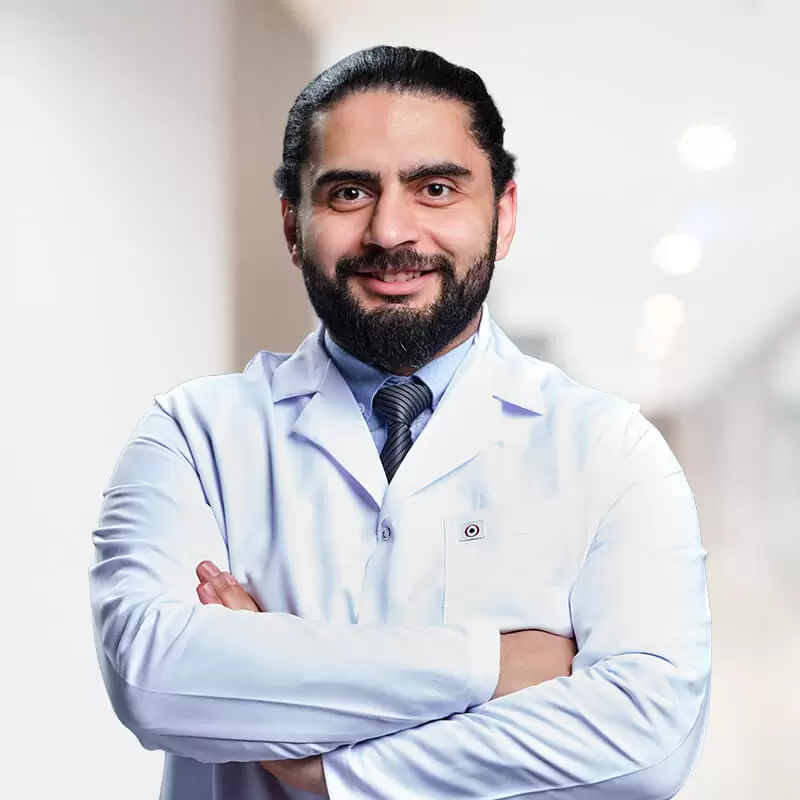
Op. Dr. Ahmet Bekin was born in Istanbul in 1983. He graduated from the Faculty of Medicine at Kocaeli University in 2006 and completed his specialty training in the Department of General Surgery at Istanbul University Çapa Faculty of Medicine in 2011. After his specialization, he worked in the fields of hernia surgery, reflux surgery, obesity surgery, advanced laparoscopic surgery, and robotic surgery. In addition, he received training in endocrine surgery, oncological surgery, and minimally invasive surgery. He is currently accepting patients from Turkey as well as from countries such as Germany and France at his private clinic located in Istanbul.