


*We recommend filling in all fields so that we can get back to you in the best way.
Hemorrhoids Treatment in Turkey
Hemorrhoids treatment in Turkey is widely available and performed using advanced medical techniques. Hemorrhoids, also known as piles, are swollen veins in the rectal or anal area that can cause pain, bleeding, and discomfort. Turkish hospitals offer both non-surgical and surgical treatment options tailored to the severity of the condition.
Cost of hemorrhoids treatment in Turkey is significantly more affordable compared to many European countries and the USA. Comprehensive packages often include medical consultation, diagnostic tests, treatment procedure, hospital care if needed, and follow-up. This combination of affordability and quality care attracts many international patients.
Treatment options for hemorrhoids in Turkey vary from conservative methods, such as medication and lifestyle changes, to minimally invasive procedures like rubber band ligation, infrared coagulation, or sclerotherapy. Advanced surgical methods, including hemorrhoidectomy or stapled hemorrhoidopexy, are used for severe cases with lasting relief.
Recovery after hemorrhoids treatment in Turkey depends on the chosen method. Minimally invasive techniques allow patients to return to daily life within a few days, while surgical recovery may take longer. Post-treatment care includes pain management, dietary adjustments, and regular follow-ups to ensure complete healing and prevent recurrence.

General Surgery Specialist
Who is Dr. Ahmet Bekin?
Who is Dr. Ahmet Bekin?
Dr. Ahmet Bekin, one of the doctors performing hernia surgeries in Istanbul, is specialized in general surgery. Throughout his medical career, he has gained extensive experience in hernia, reflux, and obesity surgery, as well as advanced laparoscopic and robotic surgical applications. He serves his patients with modern approaches such as minimally invasive surgery, laser surgical treatments, single incision surgery (Single Incision Surgery), endocrine and oncological surgery. He is fluent in Turkish, English, and Arabic.
- 2000 – 2006 Kocaeli University Faculty of Medicine
- 2006 – 2011 Istanbul University Faculty of Medicine (Çapa), Department of General Surgery – Specialization
Certificates






| Definition | A cluster of veins formed by the enlargement of veins in the anus and rectal area. There are two types: internal and external. |
| Causes | Chronic constipation, prolonged straining, pregnancy, obesity, low-fiber diet, prolonged sitting, heavy lifting, aging, genetic predisposition. |
| Symptoms | Pain in the rectal area, itching, bleeding (especially during bowel movements), swelling, discomfort or a feeling of incomplete evacuation during defecation. |
| Types | Internal Hemorrhoids: Located inside the rectum, usually painless and may bleed during bowel movements. External Hemorrhoids: Located around the anus, painful, and swelling is more pronounced. |
| Risk Factors | Pregnancy, advanced age, low-fiber diet, prolonged standing or sitting, family history of hemorrhoids. |
| Diagnostic Methods | Physical examination, anoscopy, sigmoidoscopy, or colonoscopy (if another cause of bleeding is suspected). |
| Treatment Methods | – Medical Treatment: Fiber supplements, stool softeners, topical creams, anti-inflammatory medications. – Minimally Invasive Methods: Rubber band ligation, sclerotherapy, infrared coagulation. – Surgery: Hemorrhoidectomy or stapled hemorrhoidopexy (in advanced cases). |
| Complications | Bleeding, anemia, hemorrhoid thrombosis (clot formation), infection, rectal prolapse. |
| Prevention Methods | Fiber-rich diet, adequate fluid intake, regular bowel habits, avoiding prolonged sitting, regular exercise, treatment of constipation or diarrhea. |
| Who Gets It? | Generally more common in individuals over 50. The risk increases in pregnant women and those who experience chronic constipation. |
What Are Hemorrhoids?
Hemorrhoids are swollen and inflamed veins in the anus or lower rectum, similar to varicose veins. They can be internal (inside the rectum) or external (under the skin around the anus). Common causes include straining during bowel movements, chronic constipation, prolonged sitting, and pregnancy. Symptoms often include pain, itching, bleeding, and a lump near the anus. Treatment ranges from lifestyle changes and topical creams to medical procedures in more severe cases.
What Are the Causes of Hemorrhoids?

Hemorrhoids develop due to the combination of multiple factors. Firstly, the cushion-like structures in the anal canal are subjected to constant pressure during defecation. Weakening of the supporting tissues of these cushions plays a significant role in the development of hemorrhoids. According to the “sliding anal cushion” theory, deterioration of these tissues causes the cushions to displace and the venous vessels to enlarge, resulting in the symptoms of hemorrhoids.
Another important mechanism affecting the development of hemorrhoids is vascular abnormalities. Dilation of the arteries that supply the anal cushions and increased blood flow can trigger hemorrhoid formation by causing hyperperfusion. In addition, changes in connective tissue contribute to this process. Increased activity of enzymes such as matrix metalloproteinases (MMPs) disrupts the structural integrity of tissues, making the development of hemorrhoids easier.
Inflammation is also a major cause of hemorrhoids. Inflammation in hemorrhoidal tissues causes tissue damage and can worsen symptoms such as pain and discomfort. Increased anal canal pressure is another significant factor in hemorrhoid development. This causes the anal cushions to fill with blood and swell.
The most common risk factors include constipation and straining during defecation. Chronic constipation increases intra-abdominal pressure, placing stress on the anal veins. Similarly, diarrhea can irritate the anal area and cause inflammation. Increased pressure and hormonal changes during pregnancy can dilate the anal veins. With aging, weakening of the supporting tissues also increases the risk of hemorrhoids.
How Common Are Hemorrhoids?
The prevalence of hemorrhoids can vary depending on personal awareness and the severity of symptoms. The true prevalence is not precisely known because many people ignore mild symptoms or do not seek medical help due to embarrassment. However, current studies and statistics show that hemorrhoids are a very common health problem.
It is estimated that about 50 to 66% of people in the general population will experience hemorrhoids at some point in their lives. This condition affects men and women equally and is most common between the ages of 45 and 65. The increasing incidence with age is associated with the gradual weakening of supportive tissues in the anal canal.
In a study of 976 participants in Austria, hemorrhoids were detected in 38.93% of individuals. The majority of these cases (72.89%) were classified as first-degree, that is, mild hemorrhoids. Interestingly, 55.26% of those with hemorrhoids were asymptomatic and did not experience significant discomfort.
An international survey also helps us understand the global dimension of hemorrhoids. Of 16,015 participants from countries such as Brazil, France, and Russia, 11% reported experiencing hemorrhoid problems. Of these individuals, 71% stated that they had low-grade hemorrhoids.
Demographic factors also affect the prevalence of hemorrhoids. Although it is reported more frequently in women due to special risks such as pregnancy, hemorrhoids affect both genders equally. Socioeconomic status also plays a role; higher socioeconomic groups report hemorrhoids more frequently, reflecting differences in access to healthcare and reporting. Obesity is another important factor that increases the risk of developing hemorrhoids. For example, each unit increase in BMI is shown to increase the risk of hemorrhoids by 3.5%.
*We recommend filling in all fields so that we can get back to you in the best way.
How Do Hemorrhoids Develop?
The development of hemorrhoids begins with the disruption of the normal anatomical and physiological structure of the anal cushions. This process involves the interaction of connective tissue, vascular system, and inflammatory mechanisms. Anal cushions are normally elastic and vascular structures that help control defecation. However, for various reasons, these structures undergo pathological changes, leading to the formation of hemorrhoids.
With factors such as aging, chronic mechanical stress, and genetic predisposition, the connective tissue that holds the anal cushions in place weakens. This causes the cushions to move downward along the anal canal and prolapse. Histological studies have shown that collagen fibers are disrupted and muscle tissue breaks down during this process.
Vascular abnormalities in the structure of the anal cushions play a central role in the formation of hemorrhoids. Increased arterial blood flow and reduced venous return in hemorrhoids cause the veins to enlarge and swell. Doppler studies confirm hyperperfusion of the superior rectal artery in patients with hemorrhoids. This causes the venous sinuses to enlarge and the hemorrhoidal tissue to protrude outward.
Chronic inflammation is another important trigger in the development of hemorrhoids. Mediators released during inflammation increase vascular permeability, causing edema. Inflammation also weakens connective tissue and further disrupts supportive structures. Prolonged inflammation leads to neovascularization, which contributes to the growth of hemorrhoidal tissue.
Increased resting pressure of the internal anal sphincter makes venous return more difficult and causes the veins in the anal cushions to swell. This makes hemorrhoids more prominent and increases the severity of symptoms.
What Are the Symptoms of Hemorrhoids?
Hemorrhoids, also known as piles, develop due to the enlargement of veins in the anus and rectum, and present with a variety of symptoms. These symptoms vary depending on the type and stage of the hemorrhoid. Hemorrhoids are generally divided into two main groups: internal and external, each associated with specific symptoms.
- Internal Hemorrhoid Symptoms:
Because internal hemorrhoids are located deeper in the anal canal, they usually do not cause pain. One of the most common symptoms is painless rectal bleeding. Bright red blood, during or after bowel movements, is usually noticed on toilet paper or in the toilet bowl. In advanced stages, prolapse may occur, in which the hemorrhoid protrudes outside the anus. At first, this prolapse may retract on its own, but in later stages it may require manual intervention or remain outside completely. In case of prolapse, mucus secretion can cause irritation and itching around the anus. Large prolapsed hemorrhoids may also cause symptoms such as leakage of stool or mucus.
- External Hemorrhoid Symptoms:
Since external hemorrhoids are located under the skin around the anus, they are generally painful. Severe pain is especially common in thrombosed external hemorrhoids. In this condition, a blood clot forms within the hemorrhoidal tissue, causing sudden and sharp pain. Swelling and a tender lump may be noticed around the anus. Thrombosed hemorrhoids may appear bluish in color. Itching and irritation are usually caused by mucus secretion and worsen with difficult hygiene. Bleeding is less common in external hemorrhoids, but may occur if there is irritation or trauma.
- Severity and Need for Treatment:
The severity of symptoms depends on the stage of the hemorrhoid. Mild cases can be controlled with dietary and lifestyle changes, while advanced stages may require surgical intervention. Early diagnosis and appropriate treatment are critical in preventing complications.
How Are Hemorrhoids Diagnosed?
The diagnosis of hemorrhoids involves a comprehensive evaluation process and begins with a detailed medical history. Symptoms, risk factors, and lifestyle are questioned in detail. At this stage, the type and timing of rectal bleeding, anal discomfort, itching, swelling, and the presence of prolapse during defecation are evaluated. Patients’ bowel habits (frequency, stool consistency, constipation, or diarrhea) and lifestyle factors such as diet, fluid intake, and physical activity level also guide the diagnosis. In addition, past anorectal diseases and family history of colorectal cancer are taken into account.
Physical examination is an important step in the diagnosis of hemorrhoids. Visual inspection may reveal external hemorrhoids, skin tags, fissures, fistulas, or abscesses in the perianal area. External hemorrhoids, especially when thrombosed, appear as bluish swellings. Digital rectal examination (DRE) gently evaluates the anal canal; this is important to rule out other pathologies such as tumors or polyps as well as hemorrhoids. Anoscopy is used for detailed assessment of internal hemorrhoids, determining the size, location, and degree of prolapse.
Internal hemorrhoids are classified according to their degree of prolapse. This classification plays an important role in treatment planning:
- Degree: No prolapse; vascular structures remain within the anal canal.
- Degree: Prolapse occurs during straining but retracts spontaneously.
- Degree: Prolapse requires manual reduction.
- Degree: Prolapse cannot be manually reduced and may become strangulated.
Further investigations such as proctosigmoidoscopy or colonoscopy may be performed if necessary. These methods are especially important for ruling out serious conditions underlying rectal bleeding in individuals over 40.
Contact us for detailed information and to schedule an appointment!
How Are Hemorrhoids Treated?
The treatment of hemorrhoids varies according to their severity, type, and the seriousness of symptoms. Treatment approaches can be grouped into three main categories: conservative methods, minimally invasive procedures, and surgical interventions.
In mild to moderate hemorrhoids, symptoms can generally be controlled with lifestyle and dietary changes. A fiber-rich diet helps soften the stool and reduces straining during bowel movements. Adequate water intake facilitates digestion and regulates stool consistency. Daily warm sitz baths can relieve pain and swelling in the anal area. Creams and suppositories containing hydrocortisone or witch hazel are effective in reducing discomfort. Stool softeners help prevent irritation.
When conservative treatments are insufficient, more interventional methods may be needed. Rubber band ligation (RBL) stops the blood supply to internal hemorrhoids by placing a band at their base, causing the hemorrhoid to shrink. Sclerotherapy involves injecting a sclerosing agent into the hemorrhoidal tissue, causing it to shrink. Infrared coagulation uses infrared light to shrink the hemorrhoidal tissue and is typically applied in early stages. Hemorrhoidal artery embolization (HAE) reduces blood flow to the hemorrhoidal tissue via microcatheters and is highly effective for bleeding complaints.
Surgical treatment may be necessary in advanced cases or when conservative methods fail. Excisional hemorrhoidectomy involves the complete removal of hemorrhoidal tissue and offers a definitive solution, though recovery time is longer. Stapled hemorrhoidopexy is a less painful method that allows for rapid recovery but carries a risk of recurrence. Transanal hemorrhoidal dearterialization (THD) involves ligation of hemorrhoidal arteries under Doppler ultrasound guidance and provides a painless alternative.
What Are the Complications of Hemorrhoids?
- Anemia:
Chronic blood loss from hemorrhoids can cause iron deficiency anemia. This is characterized by fatigue, weakness, difficulty concentrating, and pale skin. This risk is especially important in long-term, untreated rectal bleeding.
- Strangulated Hemorrhoid:
Cut-off blood supply in internal hemorrhoids can cause the tissue to become trapped and result in severe pain. If untreated, this can lead to tissue death (necrosis) and requires urgent intervention.
- Thrombosis:
Thrombosis can occur in external hemorrhoids when blood clots accumulate. This results in severe pain, swelling, and inflammation. Thrombosed hemorrhoids are usually tender and sensitive to touch.
- Infection:
Open wounds due to hemorrhoids can become infected. In addition to localized pain and swelling, this infection can cause abscesses in more serious cases. In advanced cases, there is a risk of the infection spreading.
- Skin Tags:
During the healing process of thrombosed hemorrhoids, especially, excess skin remnants may remain. This can cause both cosmetic concerns and hygiene difficulties.
- Fecal Incontinence:
In severe cases or with prolapsed hemorrhoids, the normal function of the anal sphincter can be impaired, causing social and hygienic problems such as involuntary stool leakage.
- Prolapse:
Untreated internal hemorrhoids may grow over time and protrude outside the anus. Prolapse can cause both physical discomfort and cleaning difficulties.
When Can Hemorrhoid Treatment Be Performed?
The timing of hemorrhoid treatment is planned according to the severity of the disease and the impact of symptoms on the patient’s quality of life. The timing of treatment varies depending on the stage of the disease and the seriousness of symptoms.
In grade I and II hemorrhoids with mild symptoms, conservative treatment methods are usually the first step. At this stage, lifestyle and dietary changes offer an effective approach to alleviating symptoms and preventing progression. It is important to consume high-fiber foods and drink plenty of fluids to reduce straining during defecation. In addition, corticosteroid creams or local anesthetic ointments to reduce itching and irritation can be used. These treatments generally control symptoms and may prevent the need for further intervention.
If symptoms persist despite conservative treatment or if hemorrhoids seriously affect daily life, minimally invasive outpatient procedures come into play. These methods, suitable for grade I, II, and some grade III hemorrhoids, include rubber band ligation, sclerotherapy, and infrared coagulation. Rubber band ligation stops blood supply to the hemorrhoidal tissue and causes it to shrink, while sclerotherapy causes the veins to collapse and shrink. These methods are quick to apply and allow patients to return to their daily lives rapidly.
In more advanced stages (grade III and IV) or in cases unresponsive to previous treatments, surgical intervention may be required. Surgical options include excisional hemorrhoidectomy, stapled hemorrhoidopexy, and Doppler-guided hemorrhoidal artery ligation. Surgical treatment generally requires a longer recovery period but can be the most effective solution in severe cases.
New minimally invasive techniques such as hemorrhoidal artery embolization developed in recent years offer non-surgical treatment options and are particularly effective in patients with bleeding symptoms.
When Is Hemorrhoid Treatment Contraindicated?
In hemorrhoid treatment, as important as the effectiveness of the methods is the fact that, in certain cases, these treatments may not be suitable. In such cases, treatment may be postponed, a different method may be preferred, or special precautions may be taken.
Although conservative treatments are generally considered safe, some exceptional situations should be carefully evaluated. For example, long-term use of steroid-containing topical agents is not recommended for more than 14 days as it can cause skin thinning. In addition, use of these products may pose a risk of allergic reaction in patients allergic to certain components. While warm sitz baths are usually recommended, caution should be exercised in patients with limited mobility or at risk of infection.
Minimally invasive procedures are also not suitable for all patients. For example, rubber band ligation (RBL) carries a risk of serious bleeding in patients with bleeding disorders or those on anticoagulant therapy. Similarly, in immunocompromised patients, there is an increased risk of infection and poor healing. Sclerotherapy is contraindicated in patients allergic to the sclerosing agent or in the presence of active anorectal infection. Sclerotherapy is generally not recommended during pregnancy.
Surgical interventions are considered in more serious cases, but these procedures also have contraindications. For example, in patients with Crohn’s disease, surgery is not preferred due to wound healing problems. In individuals with portal hypertension, there is a significant risk of bleeding during surgery. Stapled hemorrhoidopexy is difficult in cases of acute thrombosed hemorrhoids or in patients with a history of anorectal surgery.
Special populations such as pregnancy and childhood require a different approach to hemorrhoid treatment. Surgery is generally avoided during pregnancy; symptoms are usually managed with conservative treatments. In children, underlying causes should be identified and treated. In every case, a plan tailored to the patient’s general health status and preferences should be made.
What Is the Recovery Process After Hemorrhoid Surgery?
The recovery process after hemorrhoid surgery varies depending on the surgical method used and the patient’s general health status. In traditional methods such as excisional hemorrhoidectomy, the recovery period is generally longer, and intense pain and discomfort may be experienced for the first two to four weeks. In contrast, minimal invasive techniques such as laser hemorrhoidoplasty (LHP) and stapled hemorrhoidopexy stand out with shorter recovery periods and less pain.
Pain management after surgery is a critical part of this process. The use of oral painkillers, local anesthetics, and anti-inflammatory medications can help relieve discomfort. In particular, oral metronidazole, flavonoids, and laxatives have been found effective in reducing pain. Additionally, techniques such as pudendal nerve block provide significant advantages in postoperative pain control.
Quality of life is an important indicator of the recovery process. The pain experienced in the early postoperative period can affect patients’ daily lives. Therefore, applications such as tampon use, which can cause discomfort, should be avoided. In addition, a multidisciplinary approach should be adopted to support the patients’ physical and psychological well-being.
Optimizing postoperative care is essential to reduce the risk of complications. Enhanced Recovery After Surgery (ERAS) protocols are especially beneficial for accelerating recovery in minimally invasive surgical procedures. These protocols include pain management, early mobilization, and patient education in the perioperative period.
Although rare, complications such as anal stenosis, infection, and urinary retention may occur. Minimally invasive techniques such as transanal hemorrhoidal dearterialization (THD) are an effective alternative in reducing these risks.
How Can Hemorrhoids Be Prevented?
Adopting healthy lifestyle habits plays a critical role in preventing hemorrhoids. The first step is a fiber-rich diet and adequate fluid intake. Fiber softens the stool, regulates bowel movements, and prevents straining. Remember to add foods such as whole grains, vegetables, fruits, legumes, and nuts to your diet. Additionally, drinking at least 2 liters of water daily supports the effective action of fiber.
Healthy bowel habits are also important. To avoid straining, go to the bathroom as soon as you feel the urge and do not sit for long periods. Spending too much time on the toilet can increase pressure on the anal area. Raising your feet slightly on a stool while defecating can help align the colon naturally.
Regular physical activity supports bowel movements and reduces the risk of constipation. Low-impact exercises such as walking or swimming improve overall health and reduce the risk of hemorrhoids. Avoid activities that put excessive pressure on the anal area, such as heavy lifting.
Maintaining a healthy weight reduces pressure on the veins in the pelvic area and prevents the formation of hemorrhoids. Aim for a healthy weight with a balanced diet and regular exercise. Gentle cleaning after defecation is important, and harsh or scented cleaning agents that can cause irritation should be avoided.
If you have a job that requires prolonged sitting, get up and move around regularly. Sitting on hard surfaces can increase pressure on the anal area, so pay attention to your sitting habits.
Türkiye’nin En İyi Hemoroid (Basur) Ameliyatı Yapan Doktorlara Sahip Olmasının Nedenleri
- Genel cerrahi alanında uzman hekimler: Türkiye’de göbek fıtığı (umbilikal herni) cerrahisinde deneyimli, laparoskopik ve açık cerrahi konusunda uzman birçok doktor bulunmaktadır.
- Modern cerrahi teknikler: Laparoskopik (kapalı) yöntemler, ağrıyı azaltan ve iyileşmeyi hızlandıran özel yama teknikleri (mesh) yaygın olarak kullanılmaktadır.
- Yüksek başarı ve düşük komplikasyon oranı: Ameliyat sonrası nüks (tekrarlama) oranı düşüktür; enfeksiyon ve komplikasyonlar nadirdir.
- Hızlı tanı ve planlama: Muayene, görüntüleme ve ameliyat süreci hızlı ve organize şekilde ilerler.
- Donanımlı cerrahi merkezler: Hem kamu hem özel hastanelerde teknolojik açıdan güçlü ameliyathaneler ve sterilizasyon sistemleri mevcuttur.
- İyileşme sürecinin yakından takibi: Ameliyat sonrası kontroller düzenli yapılır; hastaya özel beslenme ve hareket önerileriyle iyileşme desteklenir.
- Erişilebilir sağlık hizmeti: Gelişmiş cerrahi hizmetler, birçok ülkeye kıyasla daha ekonomik fiyatlarla sunulmaktadır.
Ortalama Hemoroid (Basur) Ameliyatı Fiyatları Ne Kadar ?
Ortalama Hemoroid (Basur) Ameliyatı fiyatları hastanın durumuna, cerraha ve ameliyatın yapılacağı ile ( İstanbul, İzmir, Ankara vb) değişiklik gösterebilir.
Hemoroid (Basur) Ameliyatı Yaptıranların Yorumları
Dr. Ahmet Bekin'in hasta yorumları için Google Maps'e göz atabilirsiniz.
Türkiye'de Hemoroid (Basur) Ameliyatı Yapan Doktorlar & Hastaneler
Hemoroid (Basur) Ameliyatı Türkiye'de genel cerrahlar tarafından uygun alt yapıya sahip özel hastanelerde ve devlet hastanelerinde yapılır.
Location of our clinic in Istanbul, Turkey
Contact us for detailed information and to schedule an appointment!
Blog Posts

Swallowable Gastric Balloon Prices
Dr. Ahmet Bekin » Obesity Treatments » Swallowable Gastric Balloon PricesSwallowable gastric balloon prices refer [...]
19
May
May
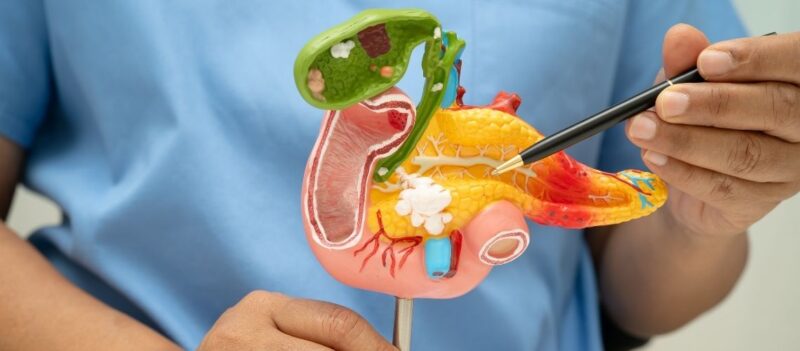
Reviews & Complaints from Patients Who Had Gallbladder Surgery
Dr. Ahmet Bekin » Gall Bladder » Reviews & Complaints from Patients Who Had Gallbladder [...]
22
Jul
Jul

Reviews & Complaints from Patients Who Had Gastric Botox
Dr. Ahmet Bekin » Gastric Botox » Reviews & Complaints from Patients Who Had Gastric [...]
22
Jul
Jul

Reviews & Complaints from Patients Who Had Hiatal Hernia Surgery
Dr. Ahmet Bekin » Umbilical hernia » Reviews & Complaints from Patients Who Had Hiatal [...]
22
Jul
Jul

Reviews & Complaints from Patients Who Had Inguinal Hernia Surgery
Dr. Ahmet Bekin » Inguinal Hernia » Reviews & Complaints from Patients Who Had Inguinal [...]
22
Jul
Jul

Reviews & Complaints from Patients Who Had Umbilical Hernia Surgery
Dr. Ahmet Bekin » Umbilical hernia » Reviews & Complaints from Patients Who Had Umbilical [...]
22
Jul
Jul
What Happens If an Inguinal Hernia Bursts?
Dr. Ahmet Bekin » Inguinal Hernia » What Happens If an Inguinal Hernia Bursts?If an [...]
23
Jun
Jun
Is Non-Surgical Treatment for Inguinal Hernia Possible?
Dr. Ahmet Bekin » Inguinal Hernia » Is Non-Surgical Treatment for Inguinal Hernia Possible?Non-surgical treatment [...]
23
Jun
Jun
Frequently Asked Questions
How long does hemorrhoid surgery take?
The operation usually takes about 30 to 60 minutes, depending on the method used. Classic surgery may take longer, while less invasive techniques generally last about half an hour. Your doctor will choose the most appropriate procedure based on the degree of hemorrhoids and your overall condition.
Which department/doctor should you see for hemorrhoids?
Hemorrhoids are defined as a cluster of enlarged veins in the anus and typically present with complaints such as pain, bleeding, and discomfort, especially during sitting or straining. In advanced stages, they can significantly affect daily life. Improvement can often be achieved in the early period with medication and lifestyle changes. For hemorrhoid treatment, you should consult a General Surgery doctor. Based on the examination, band ligation, laser, or surgical procedures may be considered.
What is the recommended lying position after hemorrhoid surgery?
In the first days, lying on your side or in a lightly supported prone position reduces pressure on the anal area. If you need to sit, using a soft cushion may be soothing. Your doctor will explain in detail which position is most suitable for you to relieve pain.
How many days of hospitalization are required after hemorrhoid surgery?
This depends on the chosen surgical technique and individual health factors. Classic surgery generally requires 1-2 days of hospitalization, while less traumatic methods can usually be performed as outpatient procedures. If you have additional health conditions or risks, your doctor will create a suitable follow-up plan.
What happens if hemorrhoid surgery is not performed?
Untreated hemorrhoids can increase complaints such as bleeding, pain, swelling, and itching over time. Recurrent blood loss can lead to anemia. Conditions such as thrombosis or strangulation may cause severe pain and require emergency intervention. In advanced stages, your quality of life may be significantly reduced.
What should be avoided after hemorrhoid surgery?
During the first week, avoid heavy exercise, prolonged sitting, and dietary habits that can cause constipation. Use soft or wet cleaning materials after using the toilet to prevent irritation. Taking the medications prescribed by your doctor regularly and keeping the wound clean will contribute to rapid healing.