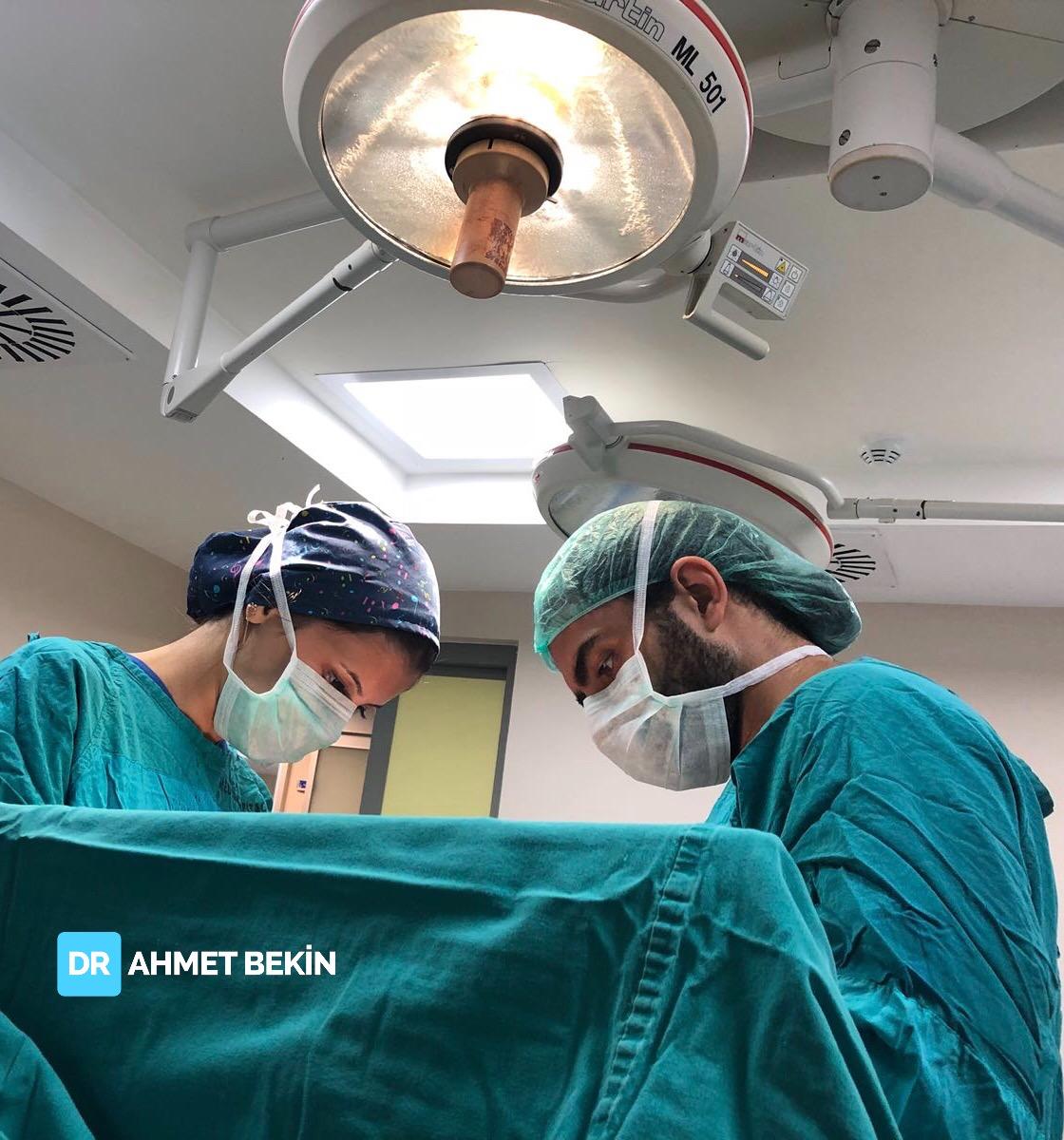
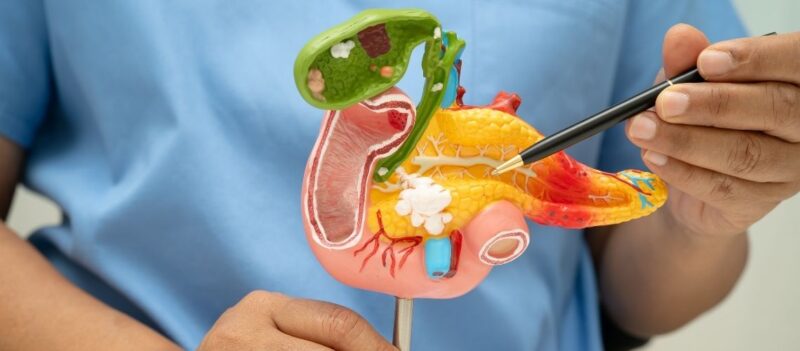
Hiatal hernia surgery in Turkey is a reliable and effective option for treating cases where part of the stomach pushes up into the chest through the diaphragm. This condition can cause symptoms such as heartburn, acid reflux, and chest discomfort. In Turkey, skilled surgeons use advanced laparoscopic techniques to repair the hernia, aiming to restore normal anatomy, reduce symptoms, and promote a quick recovery in modern, well-equipped medical facilities.
Hiatal hernia surgery cost in Turkey is generally lower than in many Western countries, while maintaining high-quality healthcare standards. The total price depends on the surgical method used, the patient’s health condition, and the hospital’s facilities. Many medical tourism packages include pre-operative evaluations, the surgery itself, hospital accommodation, and post-operative follow-up, making it a cost-effective and convenient choice for international patients.
Hiatal hernia surgery results in Turkey are often excellent, with most patients experiencing significant relief from reflux and other related symptoms. Minimally invasive methods help reduce recovery times, minimize scarring, and lower the risk of complications, allowing patients to return to their daily activities with greater comfort and confidence.
Hiatal hernia surgery reviews in Turkey commonly highlight positive experiences, with patients praising the thorough explanations provided before surgery, the attentive care during hospital stays, and the supportive follow-up process. The combination of surgical expertise, patient-focused service, and Turkey’s welcoming approach makes the treatment journey both safe and comfortable.
*We recommend filling in all fields so that we can get back to you in the best way.
General Surgery Specialist Who is Dr. Ahmet Bekin?
Dr. Ahmet Bekin, one of the doctors performing hernia surgeries in Istanbul, is specialized in general surgery. Throughout his medical career, he has gained extensive experience in hernia, reflux, and obesity surgery, as well as advanced laparoscopic and robotic surgical applications. He serves his patients with modern approaches such as minimally invasive surgery, laser surgical treatments, single incision surgery (Single Incision Surgery), endocrine and oncological surgery. He is fluent in Turkish, English, and Arabic.
2000 – 2006 Kocaeli University Faculty of Medicine
2006 – 2011 Istanbul University Faculty of Medicine (Çapa), Department of General Surgery – Specialization
Certificates
A large hiatal hernia seen on computed tomography imaging
Definition
A condition that occurs when part of the stomach moves upward into the thoracic cavity through the esophageal opening in the diaphragm.
Types
1. Sliding Hernia: The most common type; the junction of the stomach and esophagus moves upward.
2. Paraesophageal Hernia: Less common but potentially serious; a portion of the stomach becomes trapped beside the diaphragm.
Causes
Weakening of the diaphragm muscles, aging, conditions that increase intra-abdominal pressure (pregnancy, heavy lifting, constipation, obesity), trauma, genetic predisposition.
Symptoms
Chest pain, heartburn, reflux, difficulty swallowing, sensation of food sticking in the throat, belching, rarely gastrointestinal bleeding or iron-deficiency anemia.
Risk Factors
Individuals over fifty years of age, obesity, smoking, chronic cough, frequent heavy lifting.
Diagnostic Methods
Endoscopy, barium swallow radiography, magnetic resonance imaging, esophageal manometry.
Treatment Methods
Medical Treatment: Proton pump inhibitors or antacids to prevent reflux.
Surgical Treatment: Repair of large or complicated hernias and reinforcement of the diaphragm.
Complications
Reflux, esophageal damage (esophagitis), Barrett esophagus, gastric obstruction, strangulation of stomach tissue leading to necrosis.
Preventive Measures
Maintaining a healthy weight, avoiding situations that increase intra-abdominal pressure, not lying down immediately after meals, eating small and frequent meals, quitting smoking.
Who Is Affected?
Generally more common in individuals over fifty and more frequent in women.
İçerik
What Is a Hiatal Hernia?
A hiatal hernia occurs when part of the stomach pushes up through the diaphragm into the chest cavity via the esophageal hiatus. It is often associated with gastroesophageal reflux disease (GERD), causing symptoms like heartburn, chest pain, and difficulty swallowing. There are two main types: sliding and paraesophageal. While mild cases may be managed with medication and lifestyle changes, severe cases might require surgical intervention to reposition the stomach and reinforce the diaphragm.
What Are the Causes of Hiatal Hernia?
Many anatomic, physiological and environmental factors play a role in the development of a hiatal hernia. These range from genetic predisposition to lifestyle habits.
The diaphragm is a vital muscle that separates the abdominal and thoracic cavities. The esophageal hiatus allows the esophagus to connect to the stomach. Weakening of the connective tissue and muscles in this area predisposes to herniation. The durability of these structures decreases with aging, making older individuals more susceptible. Congenital anomalies can also lead to the condition at a young age.
Conditions that increase intra-abdominal pressure are primary contributors. Heavy lifting, constant bending, chronic coughing, constipation or forceful vomiting all raise this pressure, pushing the stomach upward. Obesity creates continuous pressure through abdominal fat and further elevates the risk.
Chronic reflux disease can shorten the esophagus through inflammation and fibrosis, facilitating migration of the stomach into the chest cavity. Excessive stimulation of the vagus nerve may also cause esophageal contraction, accelerating this process.
Connective-tissue disorders, particularly collagen abnormalities, can weaken the esophageal hiatus, explaining familial occurrences of hiatal hernia.
Smoking weakens the diaphragm and lower esophageal sphincter, increasing risk. A sedentary lifestyle, eating large meals and consuming fatty foods also raise susceptibility.
Abdominal trauma or surgical interventions can disrupt the anatomical integrity of the diaphragm and hiatus, causing a hernia.
How Common Is Hiatal Hernia?
Prevalence varies widely depending on diagnostic methods and population characteristics, ranging from ten to eighty percent in different studies. For example, the Multi-Ethnic Study of Atherosclerosis reported a prevalence of 9.9 percent in individuals aged fifty-three to ninety-four using non-contrast computed tomography, whereas a large-scale endoscopy study in Saudi Arabia found a prevalence of 29.8 percent.
Frequency increases markedly with age: from 2.4 percent in the fifty-to-fifty-nine-year age group to 14 percent in the seventy-to-seventy-nine-year group and 16.6 percent in those aged eighty to eighty-nine. This rise is linked to age-related weakening of diaphragm muscles and increased intra-abdominal pressure.
Data on gender differences are conflicting. Some studies report higher prevalence in women, while others find no significant difference, reflecting variations in populations and methodologies.
Obesity is frequently emphasized as a contributing factor, especially abdominal fat that increases pressure. However, findings on the relationship between body-mass index and hiatal hernia are inconsistent.
Ethnic and geographic factors also influence prevalence. The condition is more common in Western populations but rarer in rural African communities, differences attributed to genetics, diet and lifestyle.
*We recommend filling in all fields so that we can get back to you in the best way.
How Does a Hiatal Hernia Develop?
A hiatal hernia results from anatomical disruption of the esophageal hiatus and changes in physiological balance. The hiatus is a complex structure that supports the junction of the esophagus and stomach, and dysfunction predisposes to herniation.
One of the most important factors is widening of the hiatus, which may arise from genetic predisposition, connective-tissue disorders or aging. Changes in collagen and elastin fibers reduce flexibility and strength. An increased ratio of type III to type I collagen weakens tissue integrity.
Elevated intra-abdominal pressure pushes the stomach upward through the hiatus. Obesity, pregnancy, chronic coughing, heavy lifting and straining during constipation increase this pressure. Persistent elevation weakens the diaphragm’s support mechanisms, especially in predisposed individuals.
Shortening of the esophagus can also contribute. Chronic gastroesophageal reflux causes inflammation and fibrosis, shortening the esophagus and drawing the stomach upward. Excess vagal stimulation induces esophageal contraction, accelerating the process.
The balance of collagen and elastin in the extracellular matrix is critical for structural integrity. Loss of elastin or disrupted collagen metabolism weakens the phrenoesophageal ligament and diaphragm muscles. Increased matrix metalloproteinase activity degrades these elements, promoting herniation.
What Are the Symptoms of Hiatal Hernia?
Symptoms vary among individuals. The most common is heartburn caused by reflux of stomach acid into the esophagus when the hernia impairs lower esophageal sphincter function. This results in a burning sensation in the chest.
Regurgitation, the return of stomach contents to the mouth or throat with a sour or bitter taste, may occur, especially after meals. Some patients develop difficulty swallowing because the hernia narrows the esophagus or because inflammation and scarring restrict passage.
Chest pain related to the hernia or reflux can mimic cardiac problems. Abdominal pain, particularly after eating, may occur due to displacement of the stomach.
Early satiety and bloating result from reduced gastric capacity and anatomical changes. Severe cases may cause shortness of breath if the hernia compresses the lungs.
Nausea and vomiting become pronounced when the hernia obstructs gastric outflow. Chronic blood loss from ulcerations may lead to anemia, presenting with fatigue and pallor.
Hoarseness and chronic cough can develop when acid reflux irritates the larynx and airways.
How Is Hiatal Hernia Diagnosed?
Diagnosis begins with detailed medical history and physical examination. Many patients present with heartburn, reflux, chest pain or difficulty swallowing, but imaging plays a critical role because many patients remain asymptomatic.
Barium Swallow Study (Upper Gastrointestinal Series):
This involves swallowing a contrast agent containing barium. It is effective for evaluating structural features of the esophagus and stomach, providing detailed assessment of hernia size, location and anatomy, and identifying motility disorders.
Upper Endoscopy (Esophagogastroduodenoscopy):
Endoscopy allows direct visualization of the esophageal and gastric mucosa, identifying erosions, ulcers and Cameron lesions. It is considered the gold standard for assessing hernia size and associated complications.
High-Resolution Esophageal Manometry:
This test measures esophageal pressure dynamics and motility, useful when planning surgical intervention and for evaluating motility disorders accompanying a hernia.
Esophageal pH Monitoring:
Twenty-four-hour pH measurement assesses acid exposure in patients with reflux symptoms associated with a hiatal hernia.
Computed Tomography Scan:
Computed tomography provides detailed information in large hernias or complicated cases involving other organs. It is critical for diagnosing emergencies such as gastric volvulus or strangulation in type IV hernias.
Contact us for detailed information and to schedule an appointment!
Treatment is individualized according to symptom severity, hernia size and the presence of complications, and is approached under three main headings: lifestyle changes, medication and surgical intervention.
The first step focuses on symptom control through lifestyle adjustments. Avoiding foods that increase gastric acid such as spicy dishes, caffeine and alcohol, consuming small meals and refraining from lying down immediately after eating are recommended. Achieving a healthy weight and elevating the head of the bed to reduce nighttime reflux are effective.
Medication includes proton pump inhibitors and histamine-2 receptor blockers, which reduce gastric acid, relieve reflux symptoms and help prevent esophageal damage.
When lifestyle changes and medication are insufficient, surgery is considered. The most common procedure is Nissen fundoplication, in which the gastric fundus is wrapped around the lower esophageal sphincter to prevent reflux and repair the hernia. It is usually performed laparoscopically, offering faster recovery.
Partial fundoplication techniques, such as Toupet and Dor fundoplication, are preferred when the risk of difficulty swallowing is high, aiming to preserve esophageal function with less invasive approaches.
Laparoscopic hernia repair is an alternative minimally invasive option in which the herniated stomach is pulled back into the abdomen and the diaphragmatic opening is reinforced. Transoral incisionless fundoplication is suitable for small hernias as an even less invasive alternative.
What Are the Complications of Hiatal Hernia?
Untreated hiatal hernia can lead to serious complications, especially in large hernias or those accompanied by significant reflux.
Gastroesophageal Reflux Disease:
The hernia disrupts the lower esophageal sphincter, allowing gastric acid to flow back, causing heartburn, regurgitation and chest pain.
Esophagitis:
Prolonged acid exposure inflames the esophageal lining. If untreated, ulcers and bleeding may develop.
Esophageal Stricture:
Chronic inflammation and healing lead to scar tissue formation and narrowing, causing difficulty swallowing.
Barrett Esophagus:
Long-term acid exposure induces cellular changes in the esophagus, increasing cancer risk.
Iron-Deficiency Anemia:
Chronic low-grade bleeding from esophageal ulcers may cause anemia, presenting with fatigue and pallor.
Gastric Volvulus:
In paraesophageal hernias, the stomach may twist upon itself, causing severe pain and requiring emergency surgery.
Strangulation:
Trapped stomach tissue may lose blood supply, leading to necrosis and perforation—an emergency requiring immediate surgery.
Respiratory Problems:
Large hernias may compress the lungs and cause shortness of breath, especially after meals.
When Can Hiatal Hernia Be Treated?
Treatment decisions depend on hernia type, symptom severity and the presence of complications. Type I (sliding) hernias are often mild and rarely require surgery; management focuses on symptom control via lifestyle changes and acid-reducing medication.
Type II, III and IV hernias may require different approaches. Migration of the gastric fundus or other organs into the chest can cause serious complications. Surgery is recommended when difficulty swallowing, chest pain, chronic reflux or gastric strangulation occurs, or when symptoms resist conservative measures.
The presence of complications, such as strangulation or volvulus, necessitates urgent surgery. Chronic blood loss causing anemia or obstruction at the gastric outlet also warrants surgical treatment.
Procedure choice considers overall health, age, comorbidities and obesity. Modern surgical techniques offer high success rates, markedly improving quality of life.
When Is Hiatal Hernia Treatment Not Performed?
Treatment aims to alleviate symptoms, enhance quality of life and prevent complications. Approach is tailored to health status, hernia size and symptom severity.
For mild symptoms, lifestyle changes—weight loss, elevating the head of the bed, avoiding acidic and fatty foods—form the first step. Proton pump inhibitors and histamine-2 receptor antagonists are widely used, but long-term use may reduce bone density or increase infection risk.
Patients with uncontrolled symptoms or large hernias are considered for surgery, typically laparoscopic fundoplication. However, in patients with serious comorbidities or esophageal motility disorders, surgical risks must be carefully weighed.
Transoral incisionless fundoplication offers a less-invasive alternative for small-to-medium hernias but may be inadequate for advanced esophageal pathology.
What Is the Recovery Process After Hiatal Hernia Surgery?
Recovery Time
Four to six weeks after open surgery; two to three weeks after laparoscopic surgery. Complete recovery may take up to six weeks.
Pain and Discomfort
Pain in the chest and upper abdomen and gas-related discomfort may occur. Analgesics and antiflatulent medications provide relief.
Physical Activity
Rest with light activity is advised for the first two weeks. Avoid heavy lifting and bending for four to six weeks.
Suture Care
Laparoscopic surgery leaves small incisions; keep dressings clean and dry. Sutures usually dissolve on their own.
Return to Work
Desk jobs may be resumed in about two weeks; physically demanding work requires four to six weeks of rest.
Bathing
If incisions are waterproof, showering is possible after forty-eight hours. Open surgery may require a longer wait.
Nutrition
Liquids or puréed foods for the first two weeks, progressing to solids gradually. Avoid overeating and carbonated or acidic beverages.
Difficulty Swallowing
Mild swallowing difficulty may occur initially and is usually temporary; persistent issues should be reported to the doctor.
Sleeping Position
Sleep with head and torso elevated to prevent acid from rising.
A check-up is advised one to two weeks after surgery, with further visits as directed.
Sexual Activity
Avoid activities that increase intra-abdominal pressure for two to three weeks; resume gradually if no complaints.
Enhanced Recovery After Surgery protocols improve outcomes by integrating patient education, minimally invasive techniques and proactive complication management. After laparoscopic repair, many patients are discharged the same day and resume normal activities sooner.
Postoperative difficulty swallowing is common but typically resolves within months. Persistent cases may require evaluation. Gas-bloat syndrome can usually be controlled by dietary and lifestyle measures. Recurrence, though rare, is more likely with conditions that increase intra-abdominal pressure.
Adopting healthy lifestyle habits accelerates recovery and supports long-term success. Nutritional adjustments, small frequent meals and avoidance of triggers are essential. Light walking is encouraged, while heavy activity and lifting are restricted initially.
Regular follow-up enables early detection and treatment of complications. Patients should promptly consult healthcare professionals if discomfort occurs.
How Can Hiatal Hernia Be Prevented?
Prevention is possible by controlling risk factors and adopting healthy habits. Obesity is a major risk factor, so maintaining a healthy weight through balanced diet and regular exercise is crucial.
Eating smaller, more frequent meals prevents excessive gastric distension. Avoiding spicy foods, caffeine and alcohol reduces reflux-related irritation. Remaining upright after eating prevents upward movement of stomach contents.
Avoiding activities that increase intra-abdominal pressure, such as improper heavy lifting, also helps. Smoking cessation benefits overall health and reduces hernia risk by strengthening the diaphragm and lower esophageal sphincter.
Elevating the head of the bed prevents nighttime reflux. Stress management may indirectly help by reducing harmful habits like overeating and smoking.
Regular medical check-ups and early diagnosis of reflux disease are critical. Appropriate treatment of reflux reduces acid exposure and esophageal irritation. Healthy habits, early detection and proper management are the cornerstones of prevention.
What Are the Average 2026 Hiatal Hernia Surgery in Turkey Prices?
Please contact us for the average Hiatal Hernia Surgery in Turkey prices.
Reviews from Those Who Have Had Hiatal Hernia Surgery in Turkey
You can check out Dr. Ahmet Bekin’s patient reviews on Google Maps.
With the laparoscopic method most cases are completed in two to three hours. The size of the hernia and the patient’s overall health can shorten or lengthen this duration.
A hiatal hernia occurs when the upper part of the stomach moves into the thoracic cavity through the diaphragmatic opening and typically presents with heartburn, chest pain and sometimes shortness of breath. The discomfort can reduce daily quality of life. If a hiatal hernia is suspected, you should consult a General Surgery specialist. After diagnosis by tests such as endoscopy, medication or surgical options can be evaluated.
In the first few days it is appropriate to lie on your back with your head slightly elevated. This reduces pressure on the stomach and can alleviate reflux symptoms.
After laparoscopic surgery patients are usually discharged within one to two days. If there are additional conditions or complications, the stay may be longer.
The hernia can enlarge, leading to bleeding, iron-deficiency anemia or strangulation of stomach tissue. If neglected, serious problems that require emergency intervention may arise.
Ahmet Bekin Şahıs Şirketi tarafından internet üzerindeki hareketlerinize özelleştirilmiş pazarlama ve reklamcılık faaliyetleri yürütülmesi ve analizler yapılması adına çerezlerle kişisel verilerinizin işlenmesi açık rızanıza tabiidir, açık rızanızı Çerezleri Kabul Edin ile sunabilir ya da Çerez Tercihlerinden seçeneklerinizi kaydedebilirsiniz. Çerezlerle işlenecek olan kişisel verilerinize yönelik aydınlatma metnini okumak için tıklayınız.