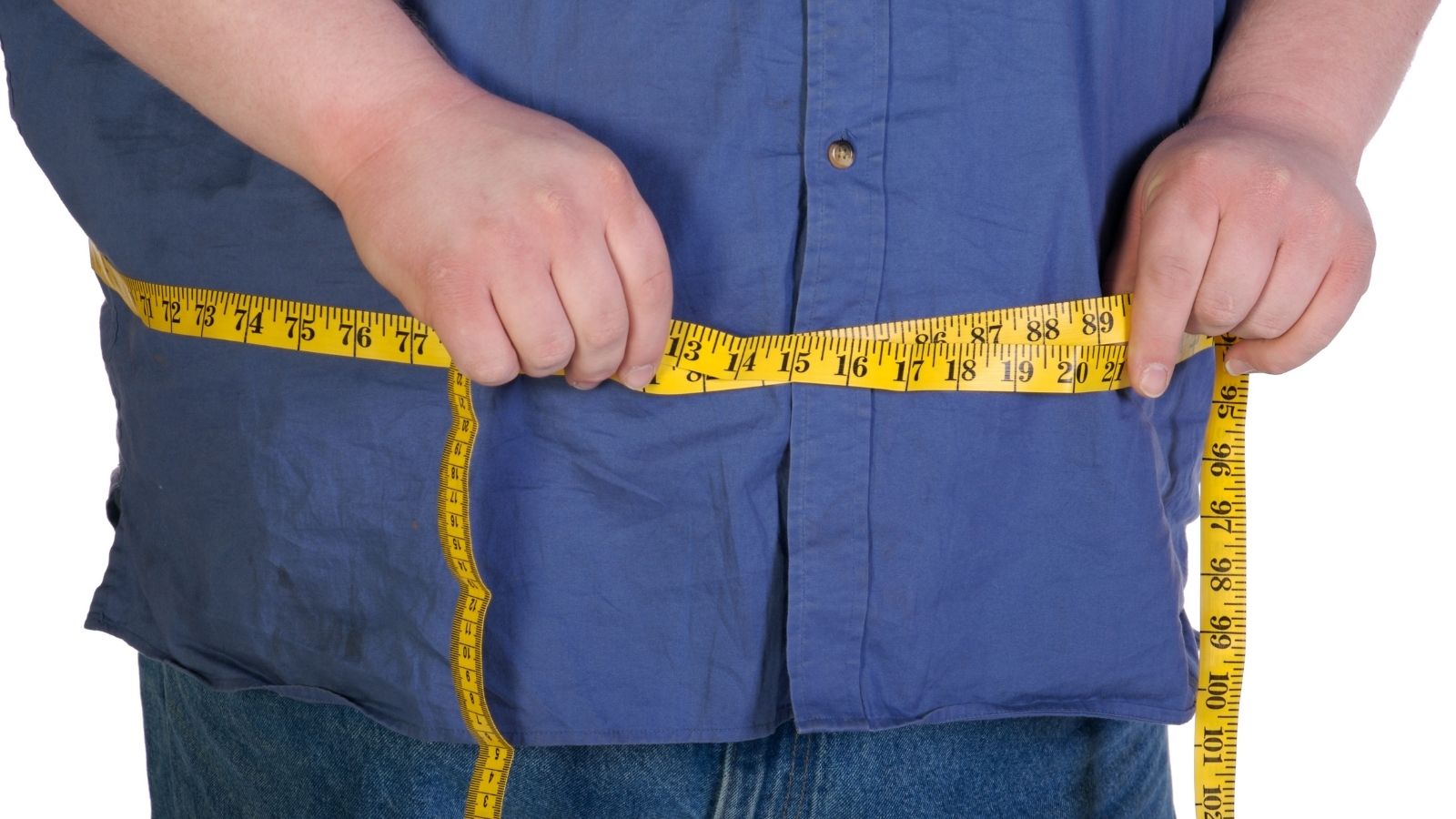


As obesity rates continue to rise rapidly worldwide, healthy weight loss methods are becoming increasingly important. According to scientific data, approximately 40% of the world’s population is overweight or obese. This condition increases the risk of chronic diseases such as heart disease, diabetes, and certain types of cancer. A calorie deficit is one of the most effective and sustainable methods that form the foundation of the weight loss process. So, what is a calorie deficit, how is it calculated, and how can it be created sustainably? In this comprehensive guide, you will find all the details that will help you achieve your weight loss goals.
İçerik
Understanding the Concept of a Calorie Deficit
A calorie deficit is based on a simple physical principle: when you consume fewer calories than you burn, your body begins to use stored fat to meet its energy needs. Over time, this leads to weight loss. However, having the right information is essential for this process to be healthy and effective. Incorrect approaches may cause muscle loss, a slower metabolism, and health problems.
Energy Balance: Calorie Intake and Expenditure
The basic functioning of our body is based on energy balance. The relationship between the amount of calories we consume from foods throughout the day (energy intake) and the amount of calories we expend through physical activities, metabolism, and bodily functions (energy expenditure) determines our weight status.
- Energy Intake: Refers to the caloric value of everything we eat and drink. The macronutrient (carbohydrate, protein, fat) and micronutrient (vitamin, mineral) contents of foods also play a role in this balance.
- Energy Expenditure: The total number of calories our body expends throughout the day. This expenditure consists of three main components:
Basal Metabolic Rate (BMR): The minimum amount of energy the body expends to maintain vital functions while at rest. Factors such as age, sex, muscle mass, and genetics affect BMR. Thermic Effect of Food (TEF): The energy expended for the digestion, absorption, and metabolism of consumed foods. The TEF of proteins is higher than that of other macronutrients. * Physical Activity: The energy expended during exercise and daily movement. This is the factor we can control the most during the weight loss process.
Creating a Calorie Deficit: The Foundation of Weight Loss
A calorie deficit occurs when energy expenditure is greater than energy intake. To close this energy gap, the body first uses glycogen stores and then turns to fat stores. This is the fundamental mechanism of the weight loss process. However, creating a calorie deficit in a healthy way is extremely important.
- Calorie Surplus and Weight Gain
If energy intake is consistently higher than energy expenditure, the body stores this excess energy as fat, which leads to weight gain. Therefore, managing calorie intake is critically important for weight control.
- Calorie Deficit and Weight Loss
When a deficit of a certain number of calories is created, the body uses stored energy. For example, a daily deficit of 500 calories corresponds to approximately 0.5 kg (3,500 calories) of weight loss per week. This is a scientifically proven method of weight loss.
How Is a Calorie Deficit Calculated?
Accurately calculating a calorie deficit is the first step in creating a personalized weight loss plan. This calculation takes into account factors such as age, sex, weight, height, and activity level.
Calculating Basal Metabolic Rate (BMR)
BMR is the energy the body expends while at rest. Various formulas are available for calculating it. Two of the most commonly used are the Harris-Benedict and Mifflin-St Jeor formulas.
Harris-Benedict Formula (Revised)
- For men: BMR = 88.362 + (13.397 x weight in kg) + (4.799 x height in cm) – (5.677 x age)
- For women: BMR = 447.593 + (9.247 x weight in kg) + (3.098 x height in cm) – (4.330 x age)
Mifflin-St Jeor Formula
This formula is considered more current and generally more accurate.
- For men: BMR = (10 x weight in kg) + (6.25 x height in cm) – (5 x age) + 5
- For women: BMR = (10 x weight in kg) + (6.25 x height in cm) – (5 x age) – 161
Example Calculation (Mifflin-St Jeor):
For a 30-year-old woman weighing 70 kg and measuring 170 cm in height:
BMR = (10 x 70) + (6.25 x 170) – (5 x 30) – 161 BMR = 700 + 1062.5 – 150 – 161 BMR = 1451.5 calories
This is the minimum number of calories the body needs at rest solely for vital functions.
Calculating Total Daily Energy Expenditure (TDEE)
TDEE is obtained by multiplying your BMR by your daily activity level. This shows the total number of calories your body expends each day.
- Sedentary (little or no exercise): BMR x 1.2
- Lightly Active (exercise 1-3 days per week): BMR x 1.375
- Moderately Active (exercise 3-5 days per week): BMR x 1.55
- Very Active (exercise 6-7 days per week): BMR x 1.725
- Extra Active (very intense exercise, physical work, training, etc.): BMR x 1.9
Example Calculation (Continued):
Let us assume that the woman above has a BMR of 1451.5 calories and performs moderate exercise 3-5 days per week (Activity Factor: 1.55).
TDEE = 1451.5 x 1.55 TDEE = 2250 calories (approximately)
This means the woman expends an average of 2250 calories per day.
Determining the Target Calorie Deficit
To determine the number of calories you should consume daily in line with your weight loss goal, you need to subtract a certain amount from your TDEE. For healthy weight loss, a loss of 0.5 to 1 kg per week is generally targeted. This means creating a daily deficit of 500 to 1000 calories.
- For a loss of 0.5 kg per week: TDEE – 500 calories
- For a loss of 1 kg per week: TDEE – 1000 calories
Important Note: It is not recommended to reduce daily calorie intake below BMR. Generally, consuming fewer than 1200 calories for women and 1500 calories for men may lead to health problems.
Example Calculation (Final):
Let us assume that the woman’s TDEE is 2250 calories and she wants to lose 0.5 kg per week.
Target Daily Calorie Intake = 2250 – 500 Target Daily Calorie Intake = 1750 calories
This woman should consume approximately 1750 calories per day to lose weight.
How Is a Calorie Deficit Created?
Creating a calorie deficit is not only about reducing calorie intake but also about increasing energy expenditure. A balanced combination of these two approaches supports sustainable and healthy weight loss.
Reducing Calorie Intake Through Dietary Adjustments
The most direct way to create a calorie deficit is to reduce daily calorie intake. However, this does not simply mean “eating less”; it means eating more intelligently.
Nutrient-Dense Foods
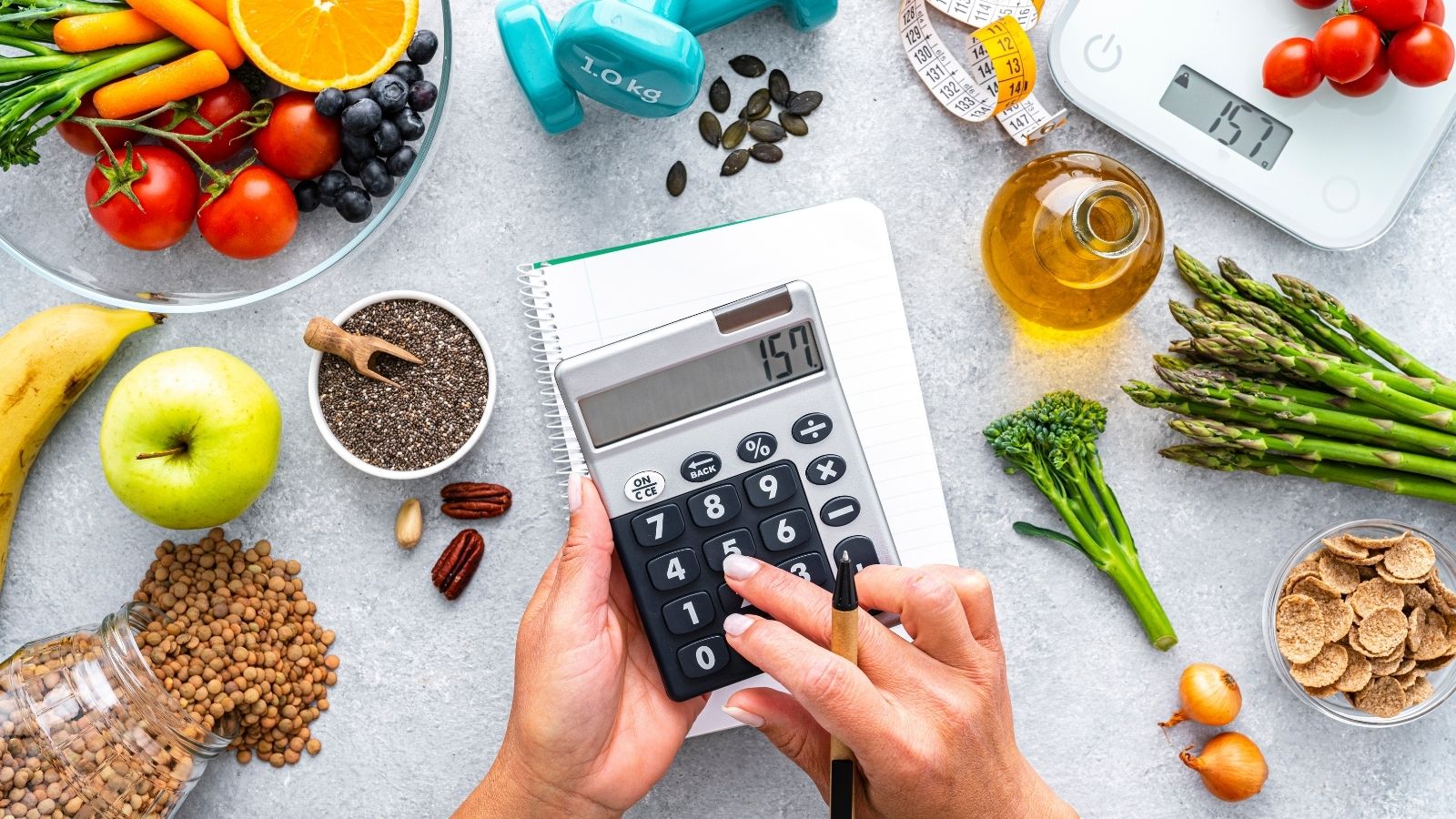
Nutrient-dense foods such as high-fiber vegetables, fruits, whole grains, and lean protein sources provide greater satiety with fewer calories. These foods are rich in vitamins and minerals and support overall health.
- Vegetables: Vegetables such as broccoli, spinach, cabbage, cucumber, and tomato are filling because they are low in calories and high in fiber.
- Fruits: Fruits such as apples, pears, strawberries, and blackberries are sources of antioxidants and fiber.
- Whole Grains: Grains such as oatmeal, brown rice, and whole wheat bread slow digestion and provide long-lasting satiety.
- Lean Proteins: Protein sources such as chicken breast, fish, turkey, lentils, beans, and tofu help preserve muscle mass and increase the feeling of fullness.
Avoiding Processed Foods and Sugary Beverages
Processed foods, sugary beverages, and packaged snacks are generally rich in “empty calories.” In other words, they contain high amounts of calories but have low nutritional value. Reducing the consumption of such foods helps create a calorie deficit while also supporting a healthier eating pattern.
- Sugary Beverages: Cola, carbonated drinks, fruit juices (commercially prepared), and energy drinks contain significant amounts of sugar and calories. Alternatives such as water, herbal teas, or unsweetened coffee should be preferred.
- Packaged Snacks: Products such as chips, biscuits, and crackers generally contain high levels of fat, salt, and sugar.
Portion Control
Even healthy foods may cause weight gain when consumed excessively. Portion control is an important way to manage calorie intake. Using smaller plates, determining portions by weighing food, or being informed about portion sizes may be beneficial.
Eating Slowly and Mindfully
Eating meals slowly helps the body recognize satiety signals more effectively. In addition, giving your full attention to the meal while eating (mindful eating) may reduce the tendency to overeat. Avoiding distractions such as mobile phones and television is effective in this regard.
Increasing Energy Expenditure by Raising Physical Activity
Another important way to create a calorie deficit is to increase the amount of energy the body expends by raising physical activity levels.
Cardiovascular Exercises
Cardio exercises increase the heart rate and allow a high number of calories to be burned in a short period. Activities such as walking, running, swimming, cycling, and dancing fall into this category.
- Walking: Brisk walking for 30 minutes a day, 5 days a week, contributes to burning a significant number of calories.
- Running: It is a higher-intensity activity and allows more calories to be burned in a shorter period.
- Swimming: It is an excellent cardio exercise that works the entire body and reduces the load on the joints.
Strength Training
Strength training helps increase muscle mass. Increased muscle mass allows more calories to be burned even at rest (increases BMR). In addition, a muscular body provides a more aesthetic appearance.
- Weightlifting: Exercises performed with equipment such as dumbbells, pull-up bars, and weight machines support muscle development.
- Bodyweight Exercises: Exercises such as push-ups, sit-ups, squats, and lunges are also effective methods for building muscle.
Increasing Daily Activity (NEAT)
All movements performed outside of exercise are called NEAT (Non-Exercise Activity Thermogenesis). Being more active in daily life may significantly increase total calorie expenditure.
- Using the stairs instead of the elevator.
- Parking the car farther away.
- Standing or walking while talking on the phone.
- Taking short walks during breaks.
- Doing household chores more energetically.
Lifestyle Changes and Sustainability
Creating a calorie deficit is not a temporary diet program but a lifestyle change. Sustainability plays a key role in achieving weight loss goals and maintaining the lost weight.
- Adequate Sleep
Lack of sleep may negatively affect the hormones that regulate appetite (ghrelin and leptin), increasing hunger and strengthening the tendency to choose unhealthy foods. Getting 7-9 hours of quality sleep per day helps regulate metabolism.
- Stress Management
Chronic stress may raise cortisol levels, causing the body to store fat and increasing fat accumulation, especially around the abdominal area. Stress management techniques such as meditation, yoga, and deep breathing exercises support the weight loss process.
- Social Support and Accountability
Working with support groups such as family, friends, or a dietitian/trainer helps maintain high motivation. Keeping a food diary or tracking your progress also increases accountability.
Points to Consider When Creating a Calorie Deficit
Although creating a calorie deficit is effective, certain critical points must be considered during this process. Incorrect practices may negatively affect your health.
Avoiding Excessive Calorie Restriction
Very low-calorie diets (yo-yo diets) may slow metabolism, cause muscle loss, and lead to nutrient deficiencies. In addition, they are not sustainable and carry the risk of causing weight gain in the long term.
- Ministry of Health Recommendations: Generally, consuming fewer than 1200 calories per day for women and 1500 calories per day for men is not recommended.
- Expert Opinion: Low-calorie diets should always be followed under the supervision of a physician or dietitian.
Preserving Muscle Mass
The goal during weight loss is for the lost weight to consist only of fat. Loss of muscle mass slows metabolism and causes the body to appear less energetic. Adequate protein intake and strength training help preserve muscle mass.
- Protein Requirement: 1.2-1.7 grams of protein per kilogram of body weight is recommended.
Ensuring Dietary Variety
Even while creating a calorie deficit, it is important to obtain all the vitamins and minerals the body needs. A one-sided diet may lead to nutrient deficiencies. Consuming a variety of foods from different food groups reduces this risk.
Hydration (Adequate Water Intake)
Water is essential for metabolism and may increase the feeling of fullness. Drinking an adequate amount of water daily (approximately 2-3 liters) supports the weight loss process.
Patience and Consistency
The weight loss process takes time. Instead of expecting rapid results, being patient and consistently applying healthy habits leads to long-term success.
The Relationship Between Calorie Deficit and Weight Loss Rate
The amount of calorie deficit created directly affects the rate of weight loss. However, it is important for this rate to remain within healthy limits.
- Loss of 0.5 kg per Week: Generally achieved with a weekly deficit of 500 calories. This is considered the healthiest and most sustainable rate.
- Loss of 1 kg per Week: May be achieved with a weekly deficit of 1000 calories. Although this results in faster weight loss, the risk of muscle loss may increase and more careful planning is required.
- Higher Deficits: Aiming to lose more than 1 kg per week may increase health risks and is generally not recommended.
Frequently Asked Questions
What is a calorie deficit and why is it important for weight loss?
How is a calorie deficit calculated?
How is a calorie deficit created and what is the healthiest method?
Is eating less alone enough to create a calorie deficit?
How much of a daily calorie deficit is considered safe?
What should be considered to avoid muscle loss while creating a calorie deficit?
Is it possible to lose weight without a calorie deficit?
Which foods should be preferred while creating a calorie deficit?
Does a calorie deficit slow metabolism?
Is it necessary to receive support from a dietitian while creating a calorie deficit?

Op. Dr. Ahmet Bekin was born in Istanbul in 1983. He graduated from the Faculty of Medicine at Kocaeli University in 2006 and completed his specialty training in the Department of General Surgery at Istanbul University Çapa Faculty of Medicine in 2011. After his specialization, he worked in the fields of hernia surgery, reflux surgery, obesity surgery, advanced laparoscopic surgery, and robotic surgery. In addition, he received training in endocrine surgery, oncological surgery, and minimally invasive surgery. He is currently accepting patients from Turkey as well as from countries such as Germany and France at his private clinic located in Istanbul.