

Does sweating help you lose weight? Sweating alone does not provide permanent weight loss; it is a physiological response produced by the body to maintain its heat balance. The weight lost through sweat is largely water and is regained with fluid intake. A reduction in fat tissue occurs only when a calorie deficit is created.
The question of whether sweating during exercise causes weight loss results from misinterpreting the effects of exercise. Increased sweating during exercise is an indicator of body temperature, not the amount of energy expended. Weight loss occurs as a result of increasing total energy expenditure through regular physical activity and balanced nutrition.
The relationship between excessive sweating and fat burning is not direct. Ambient temperature, humidity levels, and genetic factors determine the amount of sweat. Sweating more does not mean that more fat is being burned; fat oxidation depends on the duration and intensity of exercise and metabolic capacity.
The difference between calorie burning and fluid loss during exercise should be evaluated correctly. The rapid decrease seen on the scale is mostly due to water loss and is temporary. For permanent weight control, a sustainable exercise program, adequate water consumption, and a medically appropriate nutrition plan should be followed.
İçerik
What Is Sweating and How Does It Occur in the Body?
Sweating is a fundamental part of the body’s thermoregulation mechanism, which keeps body temperature balanced. During exercise, heat production increases as a result of increased metabolic activity in muscle cells. This rise in temperature is detected by the hypothalamus, and the sweat glands are stimulated through the sympathetic nervous system.
Sweat secreted by the eccrine sweat glands consists largely of water, as well as electrolytes such as sodium, chloride, and potassium. The evaporation of sweat from the skin surface reduces body temperature by enabling heat loss. This process is vital, but it does not directly indicate a loss of fat tissue.
The Difference Between Sweating and Weight Loss
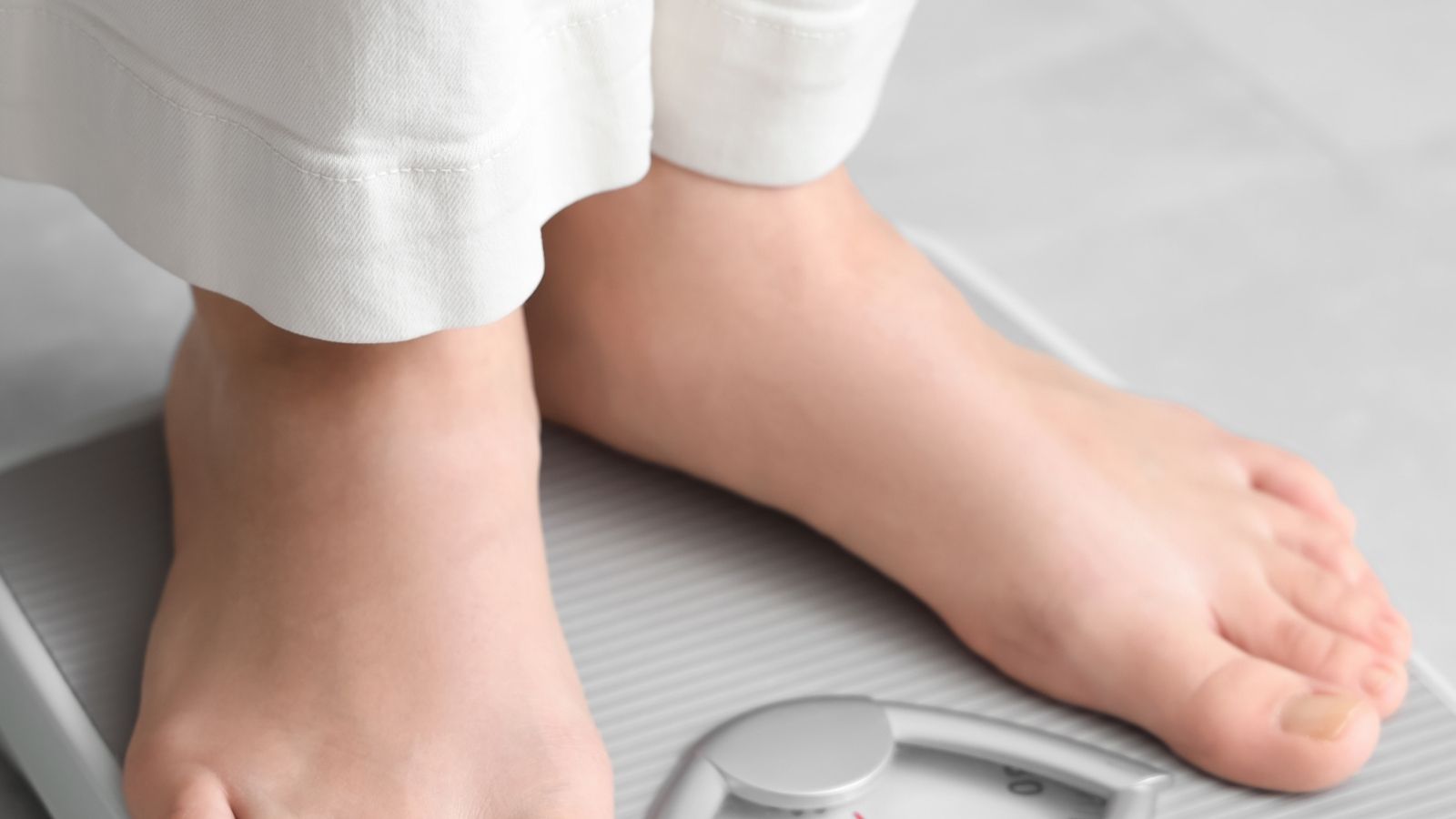
A decrease in weight seen on the scale and a reduction in fat tissue are not the same concept. The weight lost from the body as a result of sweating is mainly due to water loss. This situation is temporary. When the person consumes fluids, the lost weight is regained within a short time.
Fat loss, on the other hand, depends on energy balance. When the body consumes fewer calories than it expends, it begins to use stored triglycerides as an energy source. During this process:
- Lipolysis (the release of fatty acids from fat cells)
- Beta-oxidation (the conversion of fatty acids into energy within the cell)
metabolic stages occur. These mechanisms are independent of the amount of sweating. In other words, sweating heavily does not automatically mean that more fat is being burned.
Is Sweating During Exercise an Indicator of Weight Loss?
The level of sweating during exercise varies from person to person. These differences are affected by many factors, including genetic characteristics, environmental temperature, humidity levels, hydration status, and fitness level.
For example, a person walking at a light pace in a hot and humid environment may sweat heavily. In contrast, less sweating may occur during high-intensity interval training performed in a cool environment, even though energy expenditure may be higher.
The determining factors for weight loss are:
- The duration and intensity of exercise
- Total calorie expenditure
- Regular physical activity
- Eating habits
not the amount of sweating.
Sauna, Thermal Clothing, and “Losing Weight Through Sweating” Approaches
Some people may use saunas, plastic wrap applications, or thermal clothing in order to lose weight. These methods may cause short-term water loss. However, this loss is not permanent, and the body returns to its previous weight when fluids are replenished.
In addition, fluid loss through excessive sweating may lead to health problems such as:
- Dehydration
- Electrolyte imbalance
- Dizziness and weakness
- In rare cases, cardiac rhythm disorders
For this reason, the “losing weight by sweating” approach is not scientifically accepted as a sustainable and safe method of weight loss.
How Does Fat Burning Actually Occur?
A negative energy balance is required for fat tissue to decrease. In other words, when a person consumes fewer calories than their daily energy requirement, the body begins to use its stores. This process is regulated by hormones:
- A decrease in insulin levels
- An increase in glucagon and catecholamines
- The metabolic effects of growth hormone and cortisol
Fat burning becomes particularly noticeable during regular, moderate-intensity aerobic exercise. However, resistance training also contributes indirectly to fat loss by increasing muscle mass and raising the basal metabolic rate.
The important point here is that weight loss depends not on a single exercise session but on long-term lifestyle changes.
Does the Amount of Sweating Indicate Metabolic Rate?
A common belief in society is that people who sweat more have a faster metabolism. However, sweating capacity is related more to the activity of the sweat glands than to metabolic rate. Some individuals naturally sweat more, while others may sweat less.
Metabolic rate is affected by age, gender, muscle mass, hormonal status, such as thyroid function, and genetic factors. Therefore, the amount of sweating is not considered a reliable indicator of metabolic rate.
Is Sweating During Exercise Beneficial?
Sweating is not a harmful process; on the contrary, it is the body’s protective mechanism. Sweating during exercise indicates that body temperature is being kept balanced. However, the point that must be considered is adequate fluid intake.
During prolonged or intense exercise:
- Before exercise,
- During exercise,
- After exercise
adequate water and, when necessary, electrolyte support should be provided. Otherwise, a decline in performance and health problems may occur.
In Which Situations Is Specialist Evaluation Necessary?
Conditions such as excessive sweating (hyperhidrosis) or unexpected weight loss may be indicators of different underlying health problems. In particular:
- Night sweats
- Unexplained weight loss
- Sweating accompanied by palpitations, tremors, or anxiety
- Suspected thyroid disease
it is appropriate to consult an internal medicine physician or a relevant specialist.
Frequently Asked Questions
Does sweating help you lose weight, or does it only cause water loss?
Does sweating during exercise mean that you are losing weight?
Do people who sweat more burn more fat?
Does sweating in a sauna or steam room help with weight loss?
What is the relationship between sweating and burning calories?
Do exercises performed without sweating help with weight loss?
Does wearing sweat-inducing clothing help you lose weight faster?
Can not sweating during exercise be a sign of a health problem?
Which factors should be prioritized over sweating for weight loss?
What should be considered in cases of excessive sweating during exercise?

Op. Dr. Ahmet Bekin was born in Istanbul in 1983. He graduated from the Faculty of Medicine at Kocaeli University in 2006 and completed his specialty training in the Department of General Surgery at Istanbul University Çapa Faculty of Medicine in 2011. After his specialization, he worked in the fields of hernia surgery, reflux surgery, obesity surgery, advanced laparoscopic surgery, and robotic surgery. In addition, he received training in endocrine surgery, oncological surgery, and minimally invasive surgery. He is currently accepting patients from Turkey as well as from countries such as Germany and France at his private clinic located in Istanbul.