

A fit body is not merely an aesthetic concept but the biological harmony of low body fat and strong muscle mass that supports metabolic function. Achieving an ideal body composition requires protein-focused nutritional discipline, regular resistance exercise, and maintaining metabolic balance at the cellular level. In clinically resistant weight problems, bariatric surgery and hernia repairs that restore the integrity of the abdominal wall are among the most effective strategies for regaining the body’s structural and functional health. This transformation improves quality of life by optimizing body mass index, making it possible to achieve a dynamic, sustainable body free from chronic diseases.
İçerik
What Does a Truly Fit Body Mean?
In medical literature and clinical practice, an ideal body structure is defined not only by being slim but by the balanced proportions of the components that make up the body. The human body is a complex machine, and for this machine to function properly, its components must exist in the correct proportions. Beyond aesthetic concerns, a medically healthy physique is one in which body fat percentage is reduced to the lowest levels that do not threaten health, while muscle mass and bone density are preserved at their maximum levels.
An individual may appear very thin from the outside, but if they have insufficient muscle mass and fat surrounding their internal organs, they are never considered medically fit. True health is measured by the proper functioning of the body’s energy-producing cells, stable blood sugar levels, and a strong immune system.
The main components that make up body composition are:
- Muscle tissue
- Fat mass
- Bone density
- Intracellular and extracellular fluids
The balance between these components determines an individual’s overall health. In particular, the distribution of fat tissue throughout the body is of vital importance. Fat accumulated around the abdomen and internal organs is not merely a passive energy reserve. This fat functions like an active endocrine organ, continuously sending signals of fatigue and inflammation throughout the body and promoting disease. Therefore, the primary goal is not simply to lower the number on the scale but to restore the body’s internal balance.
Why Is Obesity the Greatest Obstacle to Achieving a Permanently Fit Body?
Obesity is one of the most widespread and insidious health problems of our time. Although it is often explained in society as simply overeating or a lack of willpower, obesity is actually a chronic and progressive disease that affects every system in the body. Excess weight disrupts the body’s natural functioning, gradually distancing individuals from a healthy and energetic physique.
The damage caused by excess weight is not limited to the physical burden placed on the joints. Excess body fat leads to a dangerous condition known as insulin resistance. When insulin resistance develops, the body cannot effectively transport the energy obtained from food into the cells, causing the cells to remain in a constant state of hunger. This results in persistent sugar cravings, ongoing fatigue, and further weight gain. In short, obesity traps the body in a vicious cycle.
Some of the diseases directly triggered by obesity that impair overall health include:
- Type 2 diabetes
- Hypertension
- Sleep apnea
- Fatty liver disease
- High cholesterol
When these conditions occur together, it becomes almost impossible for a person to enjoy an energetic, active, and healthy life. Breaking this vicious cycle and restoring health at the cellular level often requires more permanent and effective medical interventions, as diet and exercise alone may not be sufficient.
When Does Surgery Become an Option for Achieving a Fit Body If Diet Alone Is Not Successful?
Many people embarking on a weight-loss journey experience the disappointment of trying countless diets, maintaining gym memberships for months, and ultimately regaining more weight than they lost. Throughout thousands of years of evolution, our bodies have been programmed to survive periods of famine. As a result, once a certain weight threshold is reached, the body accepts that weight as its “new normal” and responds to dieting by slowing metabolism and creating strong resistance.
At precisely this point, surgery becomes the most powerful treatment option in cases of severe obesity where diet and exercise are insufficient. The decision to perform surgery is never made randomly; it is based on internationally accepted medical standards. During this evaluation, the Body Mass Index (BMI), which compares an individual’s height and weight, serves as the primary guideline.
The main situations in which bariatric surgery is considered medically necessary include:
- A BMI of 40 or higher
- A BMI between 35 and 40
- Severe accompanying diabetes
- Severe accompanying sleep apnea syndrome
- Uncontrolled hypertension
For individuals who meet these criteria, the goal is not simply to reduce body size for cosmetic reasons. The primary objective is to surgically reset the disrupted hormonal balance, reverse insulin resistance, and restore the patient to a medically healthy, disease-free, ideal body composition.
How Do Metabolic Surgery Methods Contribute to the Goal of a Fit Body?
With advances in modern medical technology, bariatric surgery has become much safer, more comfortable, and increasingly outcome-focused. These procedures, performed by creating anatomical changes in the digestive system, operate through simple yet highly effective mechanisms. They not only enable patients to feel satisfied with much smaller portions but also completely alter the balance of hormones released by the intestines, allowing metabolism to function healthily once again.
Reducing stomach volume creates a significant mechanical restriction. Beyond this, however, removal of part of the stomach causes a sudden drop in levels of the appetite hormone ghrelin. This hormonal change allows patients to feel full and energetic with very small meals after surgery, without experiencing the intense hunger episodes they previously had. In more complex surgical procedures, in addition to reducing stomach size, the absorption pathway of food is also altered, significantly limiting calorie storage within the body.
Today, the most commonly performed bariatric surgery procedures worldwide include:
- Sleeve gastrectomy
- Gastric bypass
- Mini gastric bypass
- Duodenal switch
While sleeve gastrectomy reshapes the stomach into a banana-like tube and reduces its volume while preserving the natural digestive pathway, making vitamin deficiencies less common, procedures such as gastric bypass create an exceptional metabolic effect in patients who have struggled with diabetes and insulin dependence for many years, rapidly helping them achieve a healthier body by improving blood sugar regulation.
How Do Abdominal Wall Hernias Threaten the Dream of a Fit Body and Structural Integrity?
Having a healthy body means more than simply maintaining healthy internal organs and a low body fat percentage; it also requires a strong and flexible musculoskeletal system. The abdominal muscles function like a strong corset, securely holding the internal organs in place, supporting posture, and maintaining the body’s center of gravity. However, when these muscles weaken or tear for various reasons, hernias develop.
A hernia occurs when internal organs or fatty tissue protrude beneath the skin through weakened areas of the abdominal wall. Particularly in individuals with obesity, excessive fat accumulation inside the abdomen continuously pushes outward against the abdominal wall. This chronic pressure gradually stretches muscle fibers until tears eventually develop. Furthermore, the thick layer of fat beneath the skin in obese individuals may conceal the hernia, allowing the condition to progress unnoticed for a long time.
Some types of abdominal wall hernias include:
- Umbilical hernia
- Incisional hernia
- Inguinal hernia
- Epigastric hernia
Exercising, lifting weights, or maintaining an active lifestyle while a hernia is present is both painful and potentially dangerous. Until the hernia is repaired and the abdominal wall regains its strength and integrity, achieving the flexible and dynamic body one desires is not possible.
Why Is Losing Weight Before Hernia Surgery Essential for Achieving a Fit Body?
If a patient has significant excess weight while also requiring major abdominal wall hernia repair, the modern surgical approach avoids rushing into surgery. Instead, a preparation period known in medicine as “prehabilitation” is implemented. This process aims to ensure that the patient enters surgery under the best possible physical and metabolic conditions. Attempting hernia repair while intra-abdominal pressure remains excessively high is likely to result in failure.
Reinforcing meshes placed during hernia repair may shift or tear away from the sutures if they are constantly subjected to pressure from within. This causes the hernia to recur within a short period. Therefore, unless an emergency strangulation exists, patients with obesity and hernias are generally advised to first undergo significant weight loss through bariatric surgery or a strict dietary program.
The main advantages of losing weight before hernia surgery include:
- Reduced intra-abdominal pressure
- Technically easier surgery
- Reduced risk of wound infection
- Lower risk of pulmonary and anesthesia-related complications
- Minimized risk of hernia recurrence
Once patients approach their ideal body weight, hernia repairs performed on the relaxed abdominal wall become significantly stronger, more aesthetic, and more durable. As a result, patients not only eliminate excess weight but also fully restore the integrity of their abdominal wall while beginning a completely new chapter in life.
What Are the Nutritional Stages for Achieving a Fit Body During the Early Postoperative Period?
After bariatric surgery, nutritional discipline is the most important factor in restoring the body’s essential building blocks and ensuring healthy recovery. A successful operation performed in the operating room only becomes a lasting success when supported by proper nutritional habits at home. Since the anatomy of the digestive system changes and stomach volume is reduced, a gradual nutritional transition plan is implemented to help the body adapt to its new condition.
The first weeks after surgery are the most critical period for healing the stomach staple line and reducing swelling. During this time, solid foods are completely avoided. Energy and fluids are gradually supplied through easily digestible liquids and pureed foods that do not place stress on the stomach. Strict adherence to staged nutritional guidelines eliminates the risks of nausea, vomiting, or leakage.
The dietary phases patients typically progress through after surgery are:
- Clear liquid phase
- Full liquid phase
- Puree phase
- Soft food phase
- Solid food phase
During the first days, only clear liquids such as water and strained broth are consumed at room temperature in very small sips. In later weeks, pureed soft cheeses, vegetables, and thoroughly cooked minced meat dishes are gradually introduced. Even after transitioning to solid foods, portions should always remain small, and solids and liquids should never be consumed simultaneously.
What Should Be Done to Preserve a Fit Appearance and Muscle Mass During Rapid Weight Loss?
The rapid weight-loss period following bariatric surgery is exciting; within months, excess weight disappears and the body takes on a completely new shape. However, one major danger must be carefully considered during this stage: while the body burns fat stores to meet its energy needs, it will also begin breaking down muscle tissue if adequate nutritional support is not provided. Muscle loss leads to a slower metabolism, fatigue, and significant skin sagging.
The most important rule for maintaining the desired dynamic and strong physique is to place high-quality proteins at the center of nutrition. Proteins are the body’s repair specialists; they accelerate wound healing, preserve muscle strength, and provide long-lasting satiety. Because stomach capacity is limited, protein-rich foods should always occupy the largest portion of every meal.
High-protein foods that should be prioritized include:
- Eggs
- Fish
- Chicken
- Red meat
- Cottage cheese
- Kefir
Protein-containing foods should always be consumed before carbohydrates or vegetables during meals. During the early stages of recovery, when the stomach cannot yet digest solid proteins efficiently, whey protein supplements play an important role in minimizing muscle loss.
How Should an Exercise Routine Be Planned for an Active Lifestyle and a Fit Body?
You cannot build a healthy body simply by restricting what you eat. While nutrition regulates the body’s fuel supply, exercise strengthens the engine that uses that fuel. Following a structured and progressive exercise program after surgery not only accelerates weight loss but also helps permanently reverse insulin resistance while stimulating the release of mood-enhancing hormones, allowing patients to feel mentally stronger.
Immediately after surgery, patients are encouraged to stand up and begin light walking on the very same day. This early mobilization stimulates bowel function and reduces the risk of blood clots. As healing progresses over the following weeks, exercise intensity is gradually increased. However, movements involving heavy lifting that increase intra-abdominal pressure should be strictly avoided, particularly during the first six weeks.
Exercise types that may gradually be introduced during recovery include:
- Light brisk walking
- Swimming
- Resistance band exercises
- Light weight training
- Isometric exercises
Cardiovascular activities such as walking and swimming support heart health, while resistance training performed several times per week helps preserve muscle tone and significantly reduces skin sagging. Viewing exercise not as an obligation but as a reward given to the body transforms the process into an enjoyable lifelong habit.
What Challenges Can Make the Journey Toward a Fit Body More Difficult After Surgery?
As with any major physical and metabolic transformation, it is completely normal to experience certain challenges while the body adapts to its new state following bariatric or hernia surgery. Most of these side effects are temporary and disappear entirely as the body approaches its ideal weight and a stable nutritional routine becomes established. The key is to remain calm and continue following the recommended guidelines.
For example, consuming foods containing refined sugar may cause these sugary foods to leave the stomach very quickly, enter the intestines, and trigger a sudden release of insulin accompanied by palpitations. This condition is known as dumping syndrome and can be completely avoided by eliminating simple carbohydrates from the diet. Likewise, neglecting fluid intake due to reduced stomach capacity may lead to dehydration and persistent headaches.
Conditions patients may occasionally experience during the recovery process include:
- Dumping syndrome
- Fluid loss (dehydration)
- Temporary hair loss
- Fatigue related to adaptation
- Changes in bowel habits
Hair loss experienced during the rapid weight-loss phase occurs because hair follicles temporarily respond to physiological stress and is completely reversible. Drinking sufficient fluids, taking prescribed vitamins consistently, and adhering closely to nutritional recommendations make this adaptation period considerably easier and more comfortable.
Which Daily Habits Should Be Followed to Maintain a Permanently Fit Body for Life?
Surgical procedures and medical interventions are powerful tools designed to break vicious cycles that could not be overcome for years, reset metabolism, and provide individuals with a new body. However, preserving this fresh start and maintaining a healthy, energetic body for life ultimately depends on the patient. Surgery is not a destination but the starting line of a new life built upon healthy habits.
True success lies in maintaining the ideal body weight and muscle mass achieved over many years. Accomplishing this requires incorporating certain gold-standard habits into everyday life. Not only what you eat but also how you eat, how much you sleep, and how effectively you manage stress directly influence your body composition.
The habits that should be adopted for lifelong fitness and health include:
- Keeping portions small
- Chewing food thoroughly
- Separating solid foods from liquids
- Avoiding carbonated and sugary beverages
- Getting sufficient, high-quality sleep
Chewing every bite until it reaches a puree-like consistency before swallowing gives the brain sufficient time to receive satiety signals. High-quality nighttime sleep is indispensable for muscle repair and maintaining proper regulation of appetite hormones. When all of these simple yet powerful habits come together, it becomes possible to maintain for life not only a body that looks good externally but also one that radiates health from within, remains energetic, has a reduced risk of disease, and is truly fit.
Frequently Asked Questions
What is a fit body, and is it different from a healthy body?
A fit body refers to a condition characterized by low body fat, adequate muscle mass, good physical fitness, and healthy performance. Along with physical appearance, endurance, mobility, and overall health are equally important.
What eating habits should be adopted to achieve a fit body?
A balanced nutrition plan rich in protein, healthy fats, complex carbohydrates, and fiber should be followed. Limiting processed foods and maintaining adequate water intake are also important for achieving a fit body.
How many days per week should you exercise to achieve a fit body?
Although it varies according to individual goals, exercising regularly at least 3–5 days per week is generally recommended. A balanced combination of cardiovascular exercise and strength training may produce more effective results.
Should cardiovascular exercise and weight training be combined when building a fit body?
Cardiovascular exercise supports fat burning and heart health, while weight training helps preserve and increase muscle mass. Combining both types of training generally produces more balanced results.
Why is sleep so important for achieving a fit body?
During sleep, muscle repair, hormonal regulation, and recovery processes occur. Inadequate sleep may reduce performance, increase appetite, and make fat loss more difficult.
How long does it take to achieve a fit body?
The timeline varies depending on starting weight, genetic factors, dietary habits, and exercise routine. Individuals who maintain consistency may begin to notice visible changes within a few months.
Is losing weight alone enough to achieve a fit body?
No. A fit appearance is not determined solely by weight loss. Preserving or increasing muscle mass, balancing body fat percentage, and improving physical fitness are also essential.
What mistakes should people aiming for a fit body avoid?
Extremely low-calorie diets, inconsistent exercise, insufficient protein intake, and expecting rapid results are among the most common mistakes. Sustainable habits are far more important for long-term success.
Does it become more difficult to achieve a fit body with age?
The process may become somewhat slower due to changes in metabolic rate. However, with proper nutrition, regular exercise, and healthy lifestyle habits, developing a fit body is possible at any age.
What are the health benefits of having a fit body?
A fit body may support cardiovascular health, increase energy levels, reduce the risk of chronic diseases, and improve overall quality of life. It may also have positive effects on self-confidence and psychological well-being.
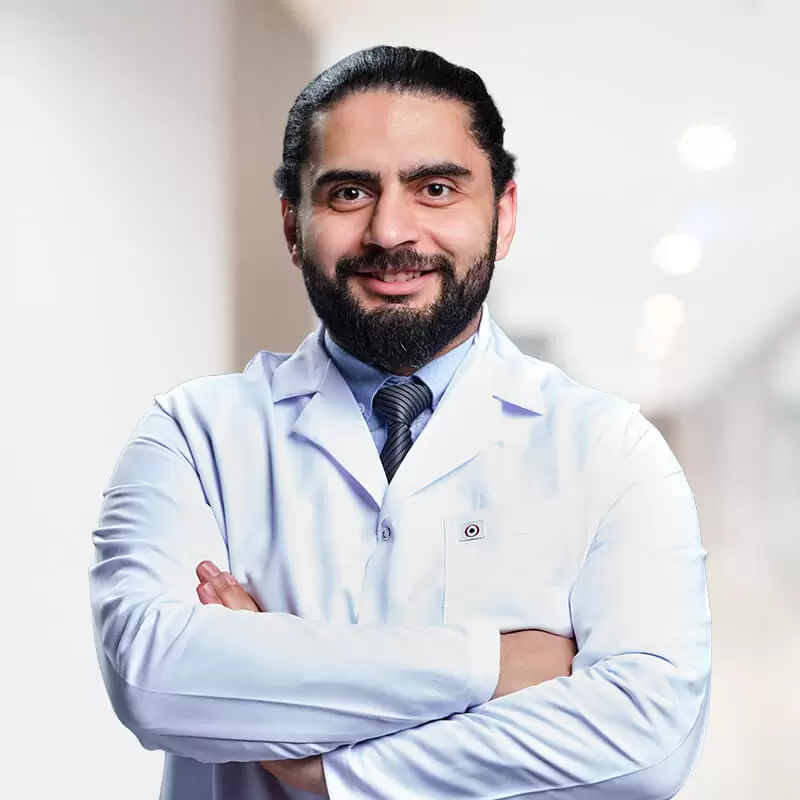
Op. Dr. Ahmet Bekin was born in Istanbul in 1983. He graduated from the Faculty of Medicine at Kocaeli University in 2006 and completed his specialty training in the Department of General Surgery at Istanbul University Çapa Faculty of Medicine in 2011. After his specialization, he worked in the fields of hernia surgery, reflux surgery, obesity surgery, advanced laparoscopic surgery, and robotic surgery. In addition, he received training in endocrine surgery, oncological surgery, and minimally invasive surgery. He is currently accepting patients from Turkey as well as from countries such as Germany and France at his private clinic located in Istanbul.