

The most fundamental answer to the question of how to suppress appetite lies in high-quality proteins, fiber-rich foods, and proper fluid consumption habits that keep blood sugar balanced. Eggs, oats, green leafy vegetables, and raw nuts are at the top of the list of appetite-suppressing foods, while paying attention to separating solids and liquids during meals is one of the most practical methods for prolonging satiety. If appetite cannot be managed through dietary habits, hunger hormone production may be directly suppressed through medical applications such as a gastric balloon or bariatric surgery. These approaches, which regulate the body’s biological clock, provide permanent weight control by stopping uncontrolled eating urges.
İçerik
What Is Appetite Really and How Does the Appetite Suppression Process Work in Our Body?
The human body’s ability to maintain energy balance is a system managed entirely by hormones. You can think of this system as two different centers of power that balance each other. On one side are the mechanisms that tell us we need to eat, while on the other are the mechanisms that signal that we have taken in enough energy and should stop.
One of the most important actors in this process is ghrelin, commonly known as the “hunger hormone.” Ghrelin is secreted mainly from the fundus region, which is the upper part of the stomach. When the stomach is empty, the level of this hormone in the blood begins to rise rapidly. Ghrelin reaches the brain through the bloodstream and stimulates the appetite center in the hypothalamus, giving a very clear command: the body’s fuel is running out, and you need to eat urgently. When food is consumed, the stomach wall begins to stretch physically, and digestion starts, ghrelin levels drop rapidly, causing that gnawing feeling of hunger to disappear.
On the satiety side, the hormone leptin, produced by our fat tissue, comes into play. Leptin sends a message to the brain that the body’s energy stores, namely fat reserves, are at a sufficient level. In a healthy metabolism, when leptin levels rise, appetite automatically shuts down and the body focuses on energy expenditure. However, in long-term weight problems, this flawless system breaks down. Despite large amounts of leptin circulating in the blood, the brain can no longer perceive these signals. This is called leptin resistance. Because the brain cannot hear the leptin signal, even though the body has plenty of energy stored, it assumes that the body is facing the danger of starvation and increases appetite even further. This is the main biological reason why a person completely loses the feeling of fullness and experiences hunger attacks again shortly after eating.
How Can Appetite Be Suppressed Naturally and What Foods Reduce Appetite?
The most natural and fundamental way to correct this hormonal disorder in the body and train appetite is to change eating habits. Every food that enters the stomach creates a different chemical reaction in the body. Simple carbohydrates, especially those made from white flour, sugar, and processed foods, cause blood sugar to rise suddenly and lead to excessive insulin secretion from the pancreas. Because this insulin surge rapidly lowers blood sugar, the person finds themselves with an empty-feeling stomach and intense hunger before even two hours have passed since the meal.
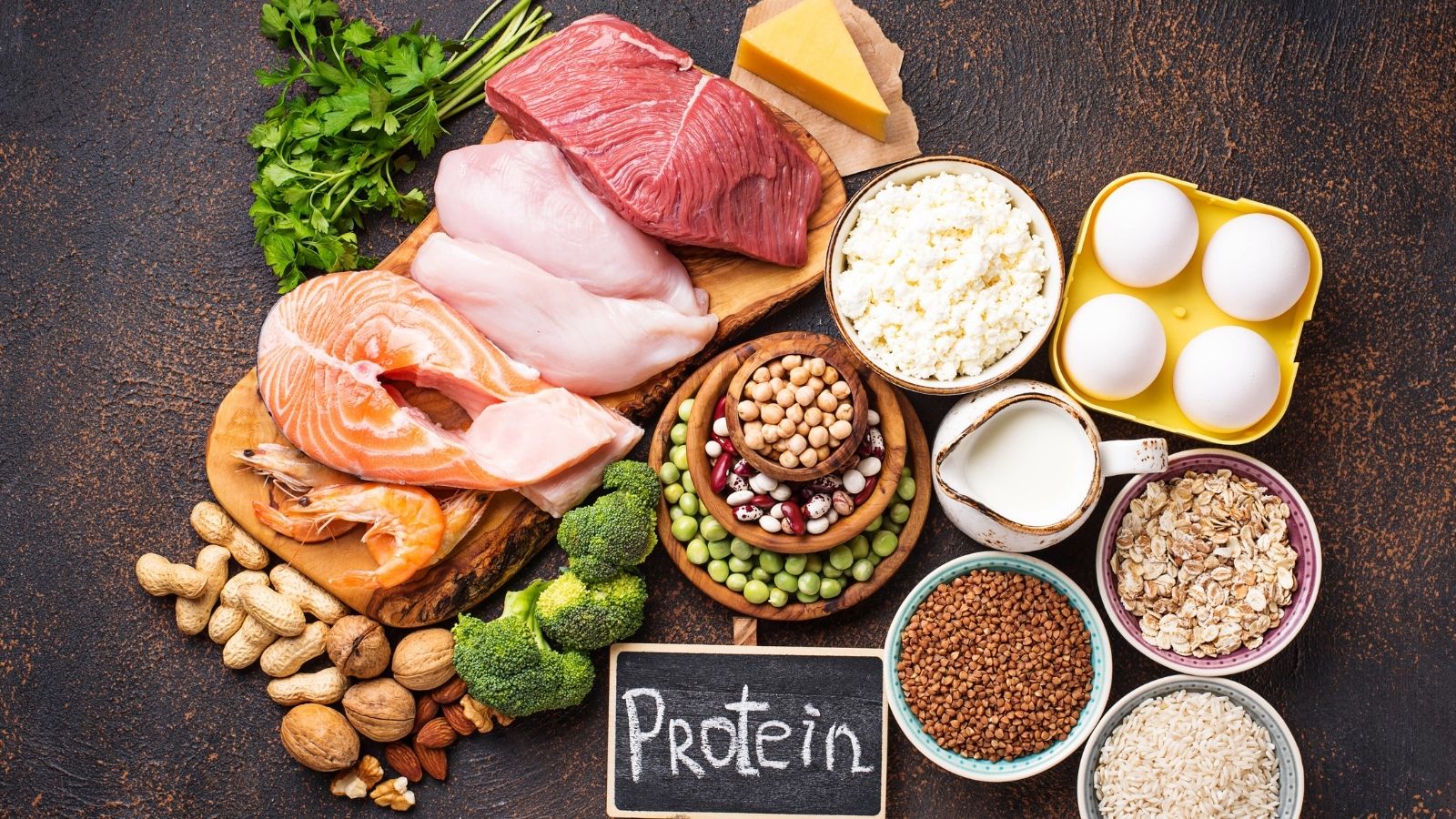
Instead, it is necessary to turn to foods that prolong satiety, slow digestion, and trigger the release of satiety hormones from the intestines. Proteins have an indisputable advantage in this regard. High-quality protein sources such as meat, fish, and eggs remain in the stomach much longer and require energy to digest. When protein is consumed, the hunger hormone ghrelin is suppressed for hours.
Likewise, fiber-rich foods have incredible power in appetite management. Soluble fibers, especially those found in vegetables and whole grains, combine with fluids in the stomach and turn into a gel-like structure. This gel-like texture mechanically slows the emptying of the stomach. Since the stomach remains full for a long time, the satiety signals sent to the brain are not interrupted. Fiber also balances the rate at which sugar from the intestines enters the bloodstream, preventing sudden hunger attacks.
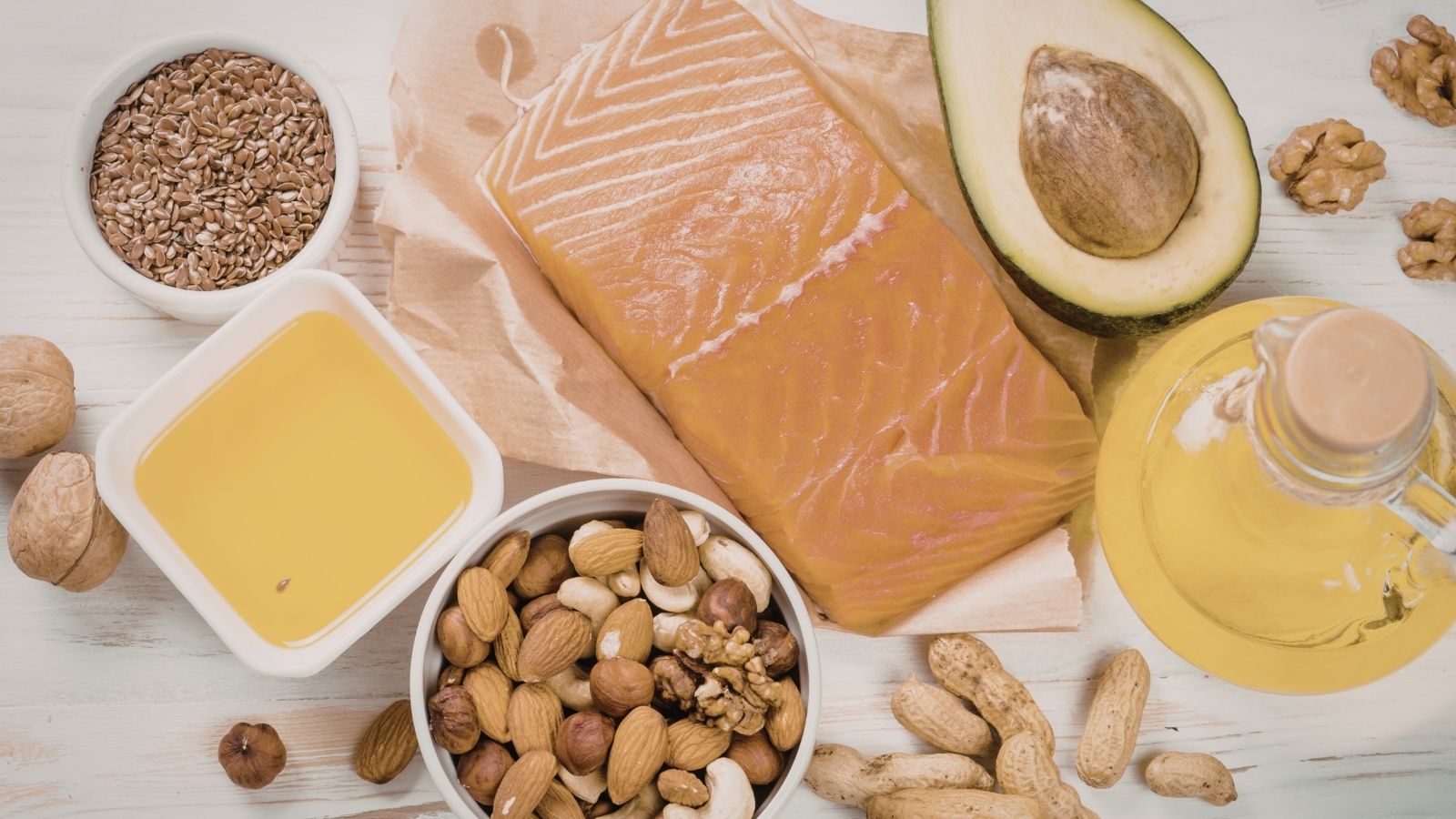
The basic foods that prolong satiety when added to the daily diet are listed below.
- Eggs
- Oats
- Broccoli
- Cauliflower
- Avocado
- Yogurt
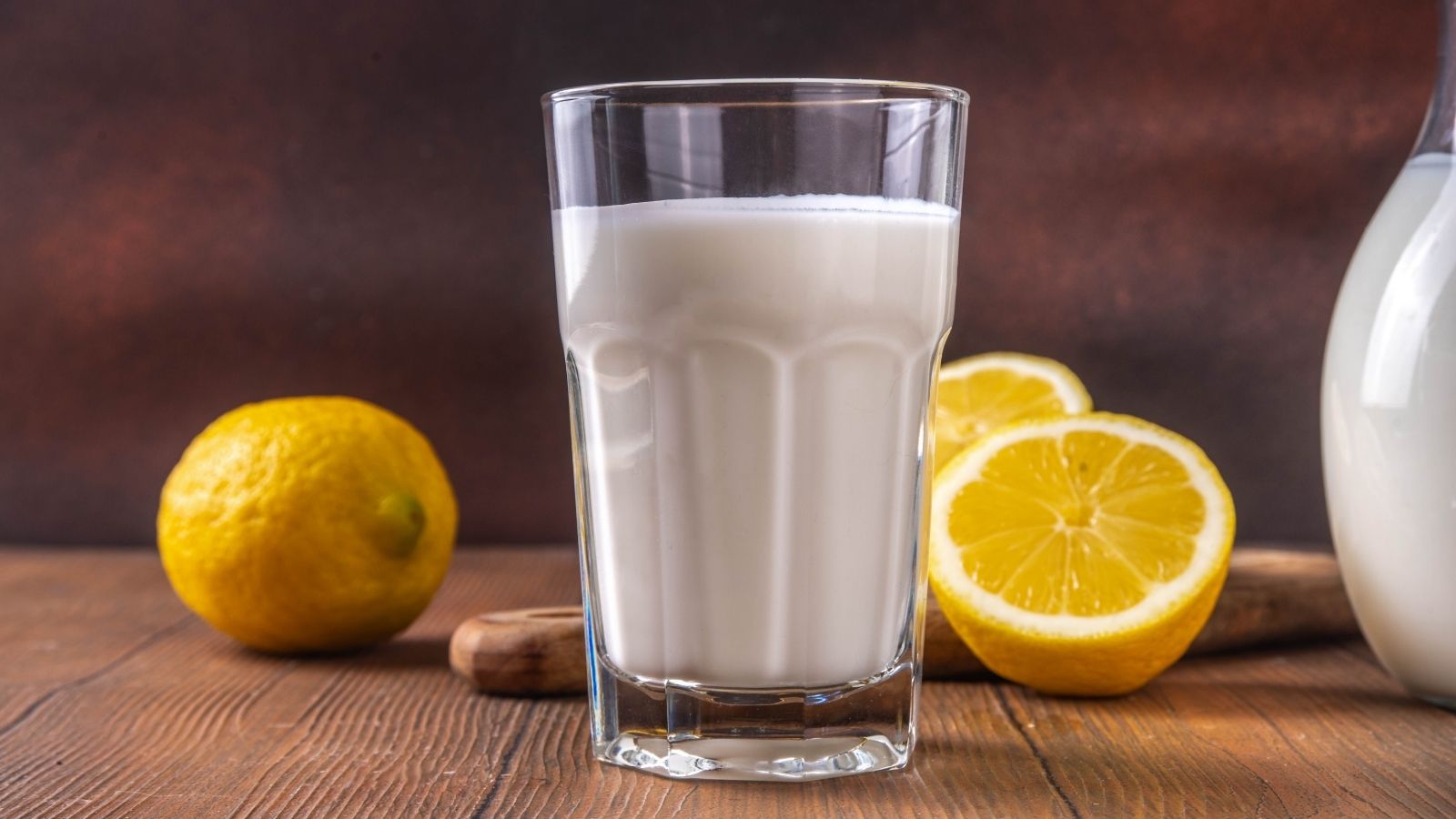
- Kefir
- Walnuts
- Almonds
- Buckwheat
- Spinach
- Ginger
How Do Factors Such as Stress and Sleep Patterns Affect Appetite Fluctuations?
The appetite mechanism is not only related to physical hunger or how full the stomach is. Human psychology and the rhythm of life also have an extremely strong influence over the desire to eat. In today’s fast-paced lifestyle, stress is one of the most hidden dangers behind appetite getting out of control. When the body experiences intense stress or anxiety, the stress hormone cortisol is secreted from the adrenal glands. In ancient times, cortisol was released to provide instant energy for escaping danger, while in today’s chronic stress conditions, this hormone constantly drives the person toward high-calorie, sugary, and fatty foods.
This is called emotional eating. The person is not actually physically hungry, but turns to food to break the pressure of stress in the brain and trigger the release of a momentary happiness hormone, serotonin. This usually appears suddenly in the form of craving a specific food, generally sweets.
Sleep patterns are also an inseparable part of this equation. When a person does not get enough sleep at night or experiences poor-quality sleep, the body’s entire biological clock is disrupted. Even a single night of sleep deprivation can significantly increase hunger hormone levels in the bloodstream the next day while lowering satiety hormone levels. A sleep-deprived body constantly demands carbohydrates in the hope of finding the energy needed to overcome fatigue. Therefore, getting at least seven hours of uninterrupted, high-quality sleep per day is a biological necessity for anyone who wants to suppress appetite and maintain weight control.
Why Can Appetite Not Be Controlled Despite Dieting and When Is Support Needed?
Many people try to lose weight through diet and exercise on their own during certain periods of their lives. At first, things go well, appetite is somehow suppressed, and the numbers on the scale begin to fall. However, after a while, weight loss stops and the person’s appetite returns with incredible intensity. The reason for this is the survival reflex rooted in thousands of years of human evolution.
When the body begins to lose its stored fat, it does not perceive this as a healthy process; on the contrary, it thinks it is under threat of famine and starvation. It immediately activates its defense mechanisms. It begins to conserve energy by slowing the metabolic rate and, most importantly, increases the production of hunger hormones to maximum capacity. After a while, the person’s willpower can no longer withstand this biological scream constantly saying, “You are hungry, you must find food,” and the diet is abandoned. The weight that was lost is quickly regained.
When this cycle repeats continuously, the clinical condition we call obesity emerges. Obesity is not merely excess weight but a serious condition that causes chronic inflammation in the body and disrupts its systems. In a body exposed to high weight levels for many years, the hormonal sensitivity of cells is completely lost. Especially in cases of morbid obesity where the body mass index has reached very high levels, permanently suppressing appetite and achieving lasting weight loss through diet and lifestyle changes alone becomes nearly impossible. This is because the problem is no longer behavioral but has become entirely anatomical and hormonal. At this point, medical and surgical support becomes an unavoidable necessity to reset the body’s disrupted settings and restore the appetite mechanism to a healthy foundation.
How Is Appetite Suppressed with Non-Surgical Methods and How Does a Gastric Balloon Work?
There are highly effective non-surgical methods developed for people who have weight problems but are not within the limits for surgical intervention, are afraid of surgery, or are in the preparation process for a surgical operation. Gastric balloon applications are among the leading methods. A gastric balloon is a temporary tool that restricts appetite mechanically, does not create a permanent change in the body, but offers the patient an excellent opportunity to change eating habits.
The logic of the procedure is extremely simple, but its biological effects are quite powerful. A fluid-filled silicone balloon placed inside the stomach occupies a large portion of the stomach’s volume. Naturally, because the stomach’s capacity is reduced, the person feels physically full with much smaller portions. However, the appetite-suppressing effect of the gastric balloon is not limited to taking up space. Its constant contact with the stomach wall from the inside and the pressure it creates stimulate the nerve networks around the stomach. These nerves send signals to the brain that the stomach is constantly full. As the brain receives these signals, it delays creating the feeling of hunger. In addition, because the presence of the balloon prolongs the passage time of consumed food from the stomach to the intestines, the feeling of fullness continues for hours after eating.
The types of gastric balloons that differ according to their method of application and structure are listed below.
- Silicone gastric balloon
- Swallowable capsule balloon
- Adjustable gastric balloon
No matter how successful this method is at suppressing appetite, the balloon remains in the stomach for a period ranging from six months to one year. After the balloon is removed, the healthy eating and portion control habits acquired while it was in place must be turned into a permanent lifestyle so that the stomach does not stretch again and appetite does not return. Otherwise, regaining the lost weight is inevitable.
How Does Bariatric Surgery Anatomically Change the Appetite Mechanism?
If the patient’s weight problem has reached a level that damages vital organs and the appetite mechanism has been irreversibly disrupted, the most powerful weapon available to modern medicine is bariatric surgery, namely obesity surgery. These operations not only help the person eat less by changing the structure of the stomach or intestines, but also reset the body’s disrupted hormonal balance almost as if it had just left the factory. Appetite suppression occurs not through psychological effort as in diets, but through a direct physiological change.
The most commonly performed of these procedures is sleeve gastrectomy. In sleeve gastrectomy surgery, approximately eighty percent of the stomach is completely removed from the body. What remains, as the name suggests, is a long, thin tube-shaped stomach approximately the size of a banana. The remarkable effect of this procedure on appetite lies in the characteristics of the large section of the stomach that is removed. Ghrelin, the hunger hormone mentioned earlier that alerts the brain, is secreted almost entirely from this removed upper portion of the stomach. When this section is removed from the body, it is as if the switch of the factory that fuels appetite has been turned off. From the moment patients wake up from surgery, they notice that the old, unbearable hunger attacks have completely disappeared. Since the remaining tiny stomach volume is already filled with two or three bites of food, signals reach the brain’s satiety center very quickly.
Another effective method is gastric bypass surgery. In gastric bypass procedures, the stomach is reduced to the size of a walnut, while a significant section of the small intestine is bypassed, meaning it is excluded from the digestive pathway. The appetite-suppressing mechanism of this surgery is much more complex and powerful. When consumed food leaves the stomach immediately and directly contacts the middle and lower sections of the small intestine, highly powerful satiety hormones begin to be secreted from the intestines. In addition to sending satiety signals to the brain, these hormones can also break the body’s insulin resistance within seconds.
In addition, with bypass methods, when the patient eats sugary, fatty, or excessively high-calorie food, these heavy carbohydrates pass into the intestine very quickly. This sudden passage causes a syndrome characterized by palpitations, sweating, weakness, and severe nausea. To avoid this unpleasant condition, the patient naturally develops an aversion to harmful high-calorie foods. The body trains appetite through this natural defense and reflex mechanism it develops.
Why Do Hiatal Hernia Problems Make Appetite Management More Difficult?
General surgical problems and obesity are intertwined conditions that constantly trigger one another. The fat accumulation caused by excess weight in the abdominal area and around the internal organs increases intra-abdominal pressure tremendously. This high pressure begins to push the upper part of the stomach upward toward the chest cavity and causes the valve between the esophagus and stomach to loosen. As a result, an anatomical disorder called a hiatal hernia develops.
When a hiatal hernia develops, the burning stomach acid constantly escapes into the esophagus, causing severe burning and reflux symptoms. This is exactly where the vicious cycle involving appetite and weight gain comes into play. Many patients feel the need to eat constantly in order to suppress this stomach burning and acid and soothe the esophagus. Constantly snacking on carbohydrate-rich foods such as bread and crackers, which are thought to absorb the acid, creates a false appetite. The person eats not because they are hungry but to stop the burning. If such a hiatal hernia is detected in patients scheduled for bariatric surgery, the hernia is also repaired during the same operation. When the stomach is pulled back into its original anatomical position and the valve is tightened, the patient’s reflux problem ends immediately. Therefore, those false appetite attacks and the constant desire to snack that arise only to suppress the acid are also surgically eliminated.
What Should Be Done to Prevent Appetite from Returning After Surgical Intervention?
Bariatric surgery is a tremendous opportunity that gives the patient a completely new, clean start and recalibrates the disrupted appetite mechanism. However, no surgery can guarantee permanent success forever if the patient does not respect their own body and eating habits. The human body has a flexible structure and is focused on survival. Over time, with repeated mistakes, stomach tissue may stretch or hormones may adapt to this new condition. Therefore, the patient must build a new discipline of living in order to prevent appetite from returning and weight from coming back.
The first months after surgery are the period during which the stomach heals and adapts to its new volume. During this period, there is a gradual transition from liquids to solid foods. The most important point is to place strict behavioral rules at the center of life after returning to normal foods in order to prevent the stomach from stretching and the feeling of fullness from disappearing.
The foods that should absolutely not enter the kitchen and should be avoided so they do not trigger appetite during this process are listed below:
- Carbonated beverages
- Sugary fruit juices
- Processed packaged foods
- Syrup-based desserts
- Alcohol
- White flour products
However, not only what you eat but also how you eat directly determines the satiety signals sent to the brain. The eating habits that should be developed in accordance with the new anatomical structure are listed below.
- Separating solids and liquids
- Eating very slowly
- Chewing bites thoroughly
- Starting meals with protein
- Stopping immediately when fullness is felt
Separating solids and liquids is perhaps the most critical rule. When water or another liquid is consumed while eating or immediately afterward, these liquids quickly wash the solid foods out of the stomach and push them into the small intestine. Because the stomach empties very quickly, the satiety signal sent to the brain is suddenly interrupted, and the person feels hungry again after a very short time. To keep appetite suppressed for a long time, fluid intake should be stopped half an hour before meals and resumed only half an hour after eating.
Frequently Asked Questions
How can appetite be suppressed and the feeling of hunger brought under control?
For appetite control, it is important to consume foods rich in protein and fiber, eat regular meals, and drink enough water. Preventing sudden fluctuations in blood sugar may also help reduce the feeling of hunger.
What foods suppress appetite?
Eggs, yogurt, oats, legumes, nuts, avocado, and high-fiber vegetables may prolong the feeling of fullness. These foods may contribute to staying full for longer by slowing digestion.
Does a protein-rich diet reduce appetite?
Foods containing protein may slow gastric emptying and support satiety hormones. Therefore, protein sources such as eggs, fish, chicken, and dairy products may be beneficial for appetite control.
Does drinking water help reduce appetite?
Adequate water intake may increase stomach fullness and prevent thirst from being mistaken for hunger. Drinking water before meals may contribute to consuming less food in some individuals.
Why do fiber-rich foods keep you full for longer?
Fiber-rich foods slow digestion and may prolong gastric emptying. Vegetables, fruits, whole grains, and legumes may both increase satiety and support healthy weight management.
Can sugary foods increase appetite?
Foods containing sugar and refined carbohydrates may cause blood sugar to rise and fall rapidly. This may lead to hunger returning shortly afterward and result in greater calorie consumption.
Do sleep patterns affect appetite?
Insufficient sleep may disrupt the balance of hunger and satiety hormones. This may increase the tendency to consume high-calorie foods, making appetite control more difficult and negatively affecting weight management.
Can coffee and green tea reduce appetite?
Beverages containing caffeine may provide a short-term feeling of fullness in some individuals. However, their effects vary from person to person, and these beverages do not provide permanent appetite control on their own.
Can emotional eating habits cause increased appetite?
Emotions such as stress, anxiety, sadness, and boredom may cause some individuals to eat more than necessary. This is different from true hunger and may be controlled through awareness practices.
What should be considered in daily life for appetite control?
Regular sleep, balanced nutrition, adequate water intake, stress management, and physical activity are the fundamental elements of appetite control. Avoiding prolonged fasting and not skipping meals may also reduce the risk of overeating.

Op. Dr. Ahmet Bekin was born in Istanbul in 1983. He graduated from the Faculty of Medicine at Kocaeli University in 2006 and completed his specialty training in the Department of General Surgery at Istanbul University Çapa Faculty of Medicine in 2011. After his specialization, he worked in the fields of hernia surgery, reflux surgery, obesity surgery, advanced laparoscopic surgery, and robotic surgery. In addition, he received training in endocrine surgery, oncological surgery, and minimally invasive surgery. He is currently accepting patients from Turkey as well as from countries such as Germany and France at his private clinic located in Istanbul.