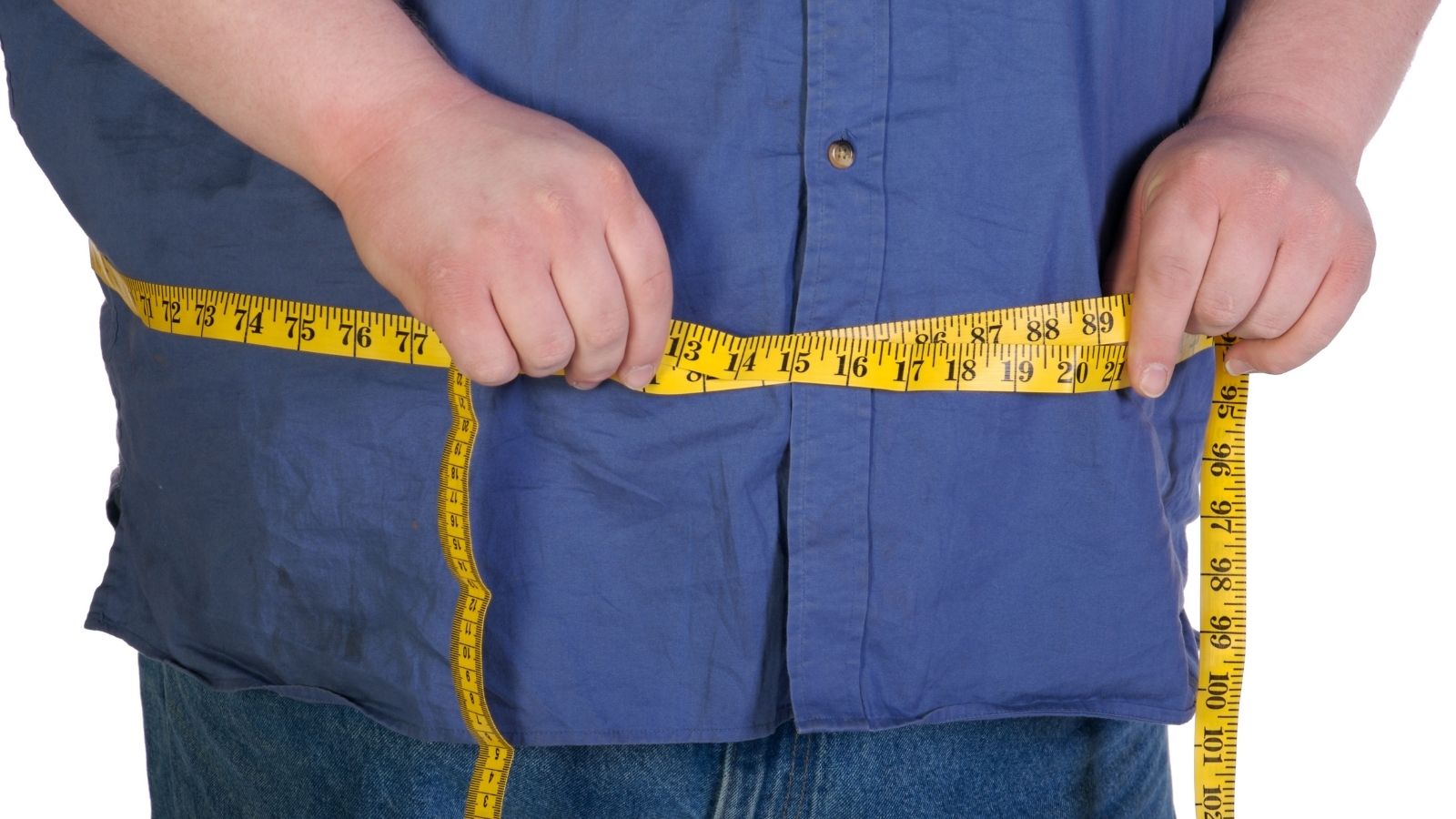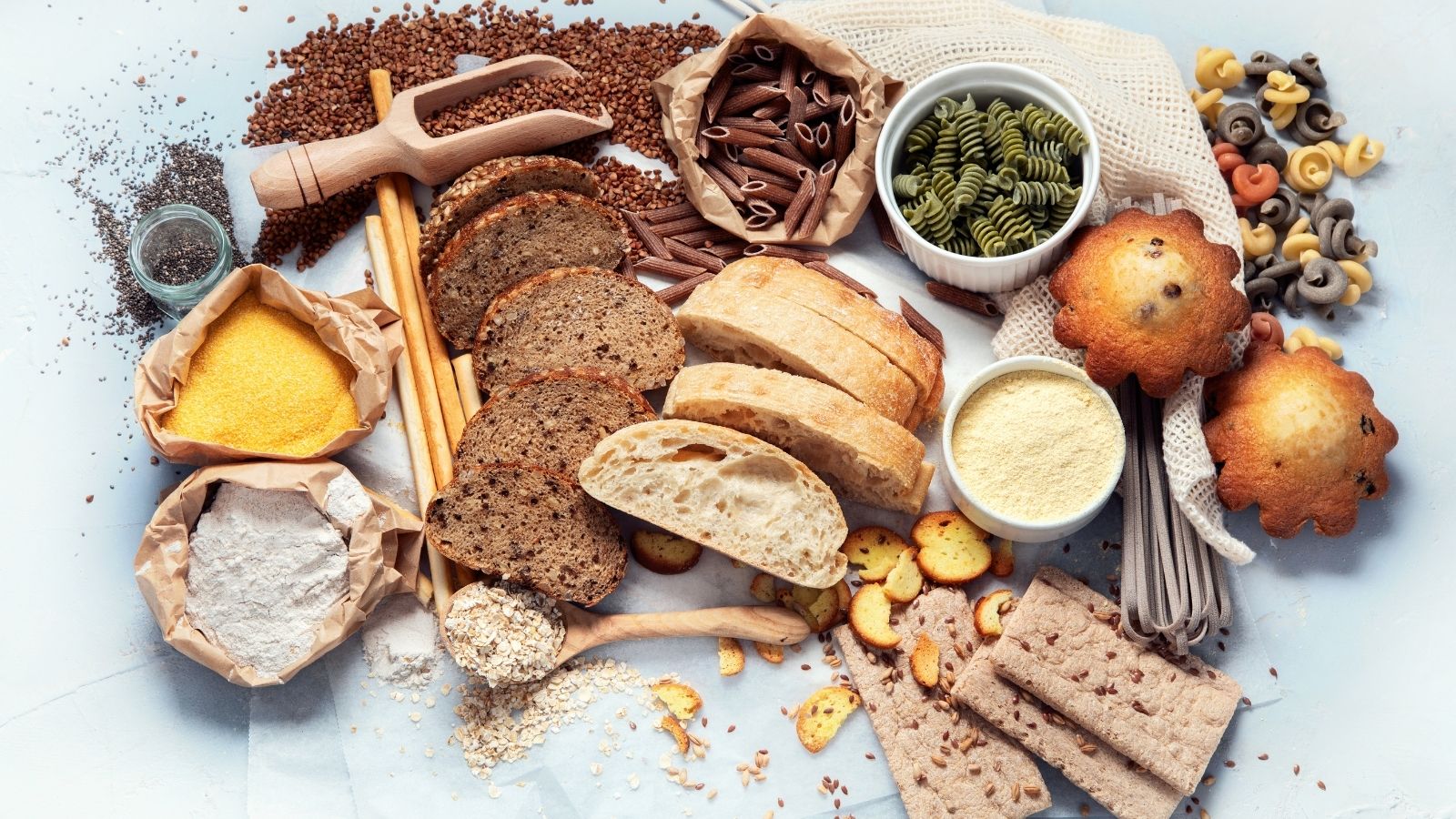


It is possible to lose weight during Ramadan; with the right nutrition plan and a balanced meal schedule, body fat percentage can be reduced in a controlled manner. Since metabolic rate may slow down during fasting, the amount of energy consumed at iftar and suhoor should be carefully regulated, and simple carbohydrate consumption should be limited.
Among healthy weight loss methods during Ramadan, choosing foods with a low glycemic index holds an important place. Whole grains, fiber-rich vegetables, and adequate protein intake prolong the feeling of fullness. Excessively fatty and sugary foods may cause insulin fluctuations, making weight control more difficult.
Strategies for maintaining weight control at iftar begin with portion control. Starting the meal with a light soup and water balances stomach volume. A balanced distribution of protein, complex carbohydrates, and healthy fats should be provided in the main meal, and rapid and excessive consumption should be avoided.
To lose weight at suhoor, the eating pattern should be planned to provide long-lasting fullness. Eggs, yogurt, cheese, and fiber-rich foods balance blood sugar. Adequate fluid intake and light-paced exercise during the day support metabolic balance and contribute to weight loss.
İçerik
How Is Metabolism Affected During Ramadan?
During fasting, the body begins to consume glycogen stores (the carbohydrate reserve stored in the liver) after approximately 8–12 hours. After this stage, the process called lipolysis comes into play for energy production; in other words, triglycerides in fat tissue are broken down and used as an energy source. Theoretically, this mechanism may support weight loss.
However, consuming high-calorie foods with a high simple carbohydrate content at iftar and suhoor increases insulin secretion. The insulin hormone is an anabolic (building) hormone that promotes fat storage. Therefore, portion control and food selection are among the determining factors of weight loss.
Why Is Energy Balance Important for Losing Weight?
The basic principle of weight loss is to create a negative energy balance. In other words, the calories consumed must be lower than the calories expended. A decrease in the number of meals during Ramadan does not automatically mean weight loss. It is possible to exceed daily energy needs with high-calorie foods at iftar and suhoor.
In general adult individuals, daily energy needs vary according to age, gender, physical activity level, and basal metabolic rate. Therefore, individual assessment is important. Instead of aiming for rapid weight loss, a controlled loss of 0.5–1 kg per week is generally considered more sustainable.
How Should the Suhoor Meal Be Planned?
Suhoor is a critical meal in terms of tolerating the period of hunger during the day. Complex carbohydrates (whole grains), quality protein sources (eggs, yogurt, cheese, legumes), and healthy fats should be preferred in this meal.
Foods high in protein and fiber prolong gastric emptying time and increase the feeling of fullness. This may help reduce blood sugar fluctuations during the day. Foods high in simple sugar and excessive salt are not recommended, as they may increase the feeling of thirst.
Skipping suhoor completely may negatively affect metabolic adaptation and lead to overeating at iftar.
Points to Consider at Iftar
Consuming food quickly and in large amounts after prolonged hunger may cause postprandial hyperglycemia (an increase in blood sugar after a meal). This may trigger sudden insulin secretion and increase fat storage.
It is recommended to begin the iftar meal lightly. Stomach volume can be filled in a controlled manner with low-calorie options such as soup and salad. Portion control should be maintained in the main meal, and fried foods, pastries, and syrup-based desserts should be consumed in limited amounts.
Eating meals slowly allows time for fullness signals to reach the brain. Approximately 15–20 minutes are required for satiety hormones such as leptin and cholecystokinin to become effective.
Does Dessert Consumption Prevent Weight Loss?
Dessert consumption culturally increases during Ramadan. Syrup-based desserts in particular contain high amounts of simple sugar and saturated fat. Since these foods have a high energy density, they may make weight control more difficult.
Dessert does not have to be completely prohibited; however, consuming it 1–2 times a week, in small portions, and preferably in the form of milk-based desserts may be a more balanced approach. If dessert is to be consumed, planning it as a snack rather than immediately after the main meal may be more appropriate for blood sugar regulation.
The Role of Physical Activity
Physical activity levels often decrease during Ramadan. However, maintaining energy expenditure is important for weight loss. Light-to-moderate intensity walks can be performed 1–2 hours after iftar. Heavy and intense exercises during this period should be planned carefully, especially because they may increase the risk of fluid loss.
Exercise increases insulin sensitivity and contributes to preserving muscle mass. Since muscle tissue is metabolically active, it plays a role in maintaining basal metabolic rate.
Fluid Consumption and Edema
Because fluids cannot be consumed during the day, the body may tend to retain water. This condition may be felt as edema. Consuming an adequate amount of water between iftar and suhoor (generally between 1.5–2.5 liters depending on individual needs) helps maintain healthy metabolic functions.
Excessively salty and processed foods may increase sodium intake and raise the risk of edema. Therefore, balanced salt consumption is important.
Sleep Patterns and Hormones
Changes in sleeping hours during Ramadan may affect the secretion of hormones such as cortisol and melatonin. Chronically high cortisol levels may be associated with increased appetite. Insufficient sleep may also cause an increase in ghrelin (the hunger hormone).
Therefore, maintaining regular and sufficient sleep as much as possible may support weight control.
Who Should Be Careful?
In generally healthy adults, a well-balanced Ramadan period may contribute to weight control. However, individuals with diabetes, hypertension, kidney disease, thyroid disorders, or chronic metabolic diseases must plan their diet under the supervision of a physician.
If symptoms such as sudden dizziness, palpitations, extreme weakness, or changes in consciousness occur, medical evaluation is important.
Frequently Asked Questions
How can weight be lost during Ramadan and how should a healthy process be planned?
Is it necessary to eat suhoor to lose weight during Ramadan?
What should be considered at iftar to lose weight during Ramadan?
Which foods may make losing weight more difficult during Ramadan?
How does water consumption affect weight control during Ramadan?
Does exercising during Ramadan help with weight loss?
Does dessert consumption during Ramadan affect the weight loss goal?
Which foods should be preferred at suhoor to lose weight during Ramadan?
Is losing weight quickly during Ramadan healthy?
Should people who want to lose weight during Ramadan receive support from a dietitian?

Op. Dr. Ahmet Bekin was born in Istanbul in 1983. He graduated from the Faculty of Medicine at Kocaeli University in 2006 and completed his specialty training in the Department of General Surgery at Istanbul University Çapa Faculty of Medicine in 2011. After his specialization, he worked in the fields of hernia surgery, reflux surgery, obesity surgery, advanced laparoscopic surgery, and robotic surgery. In addition, he received training in endocrine surgery, oncological surgery, and minimally invasive surgery. He is currently accepting patients from Turkey as well as from countries such as Germany and France at his private clinic located in Istanbul.