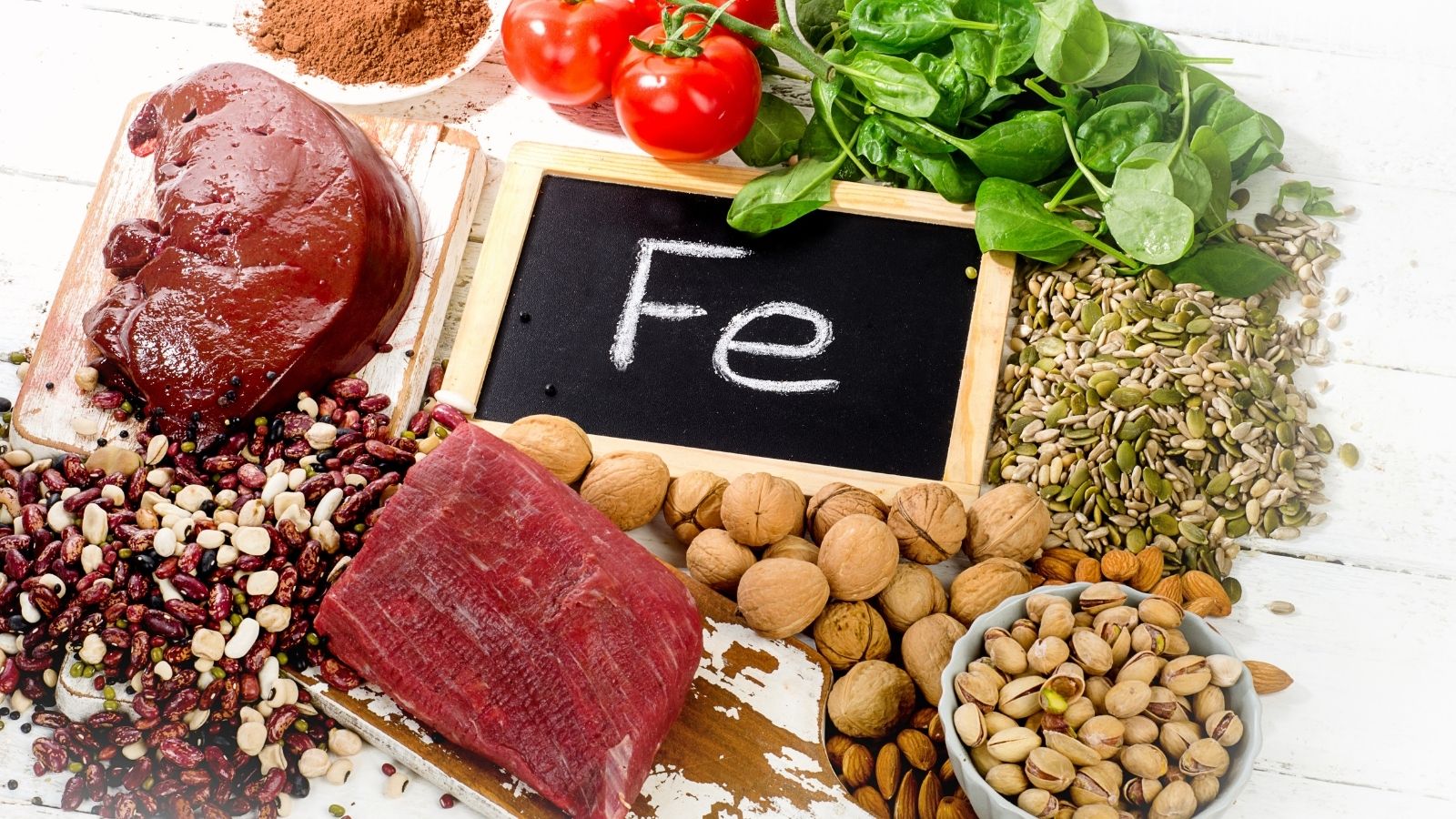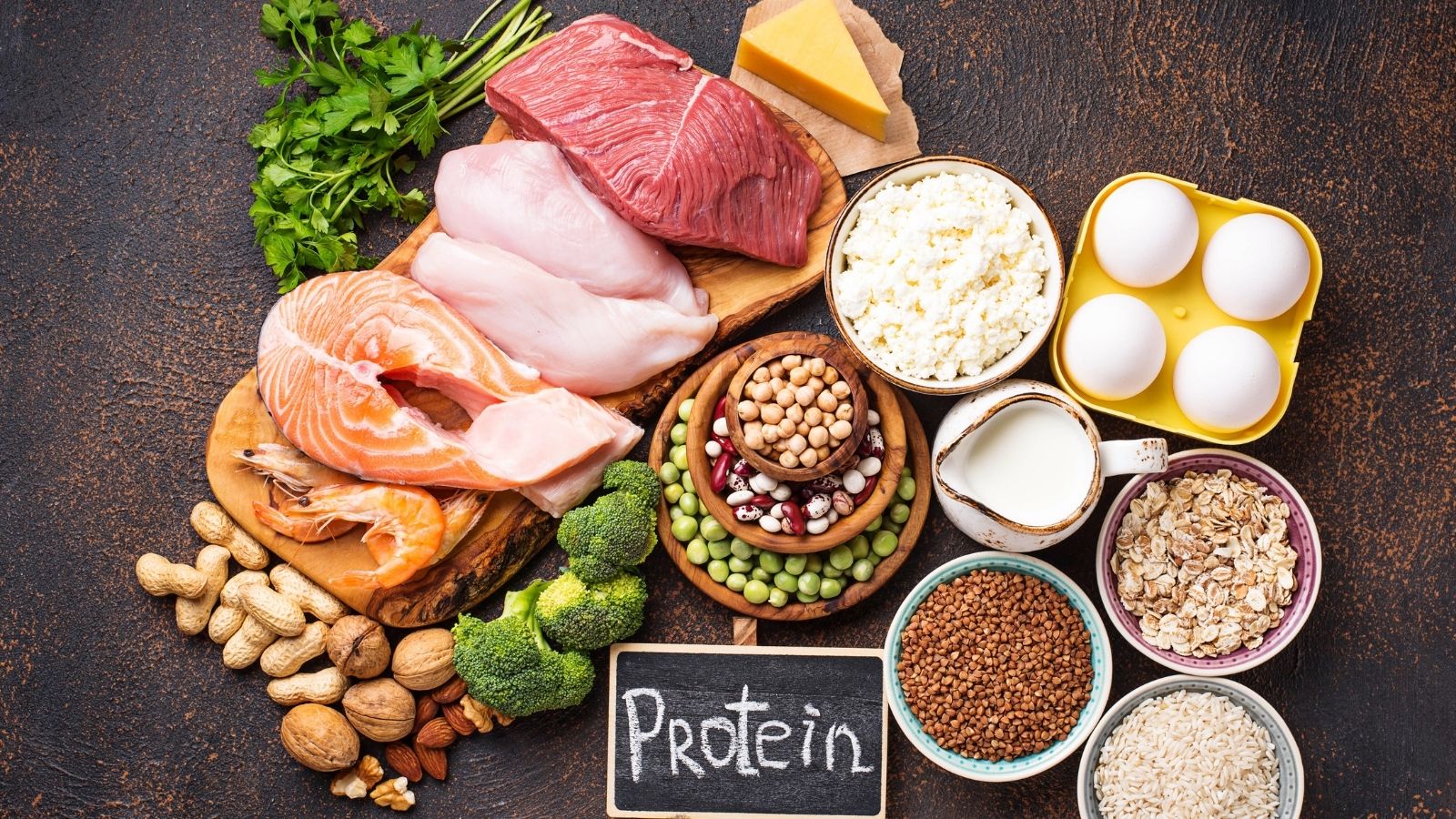


Fiber-rich foods are foods containing plant-based nutritional components that reach the intestines without being broken down by enzymes in the digestive system and regulate bowel movements. Whole grains, legumes, vegetables, fruits, and seeds are among the main food groups that support digestive health with their high fiber content.
Foods containing soluble fiber form a gel-like structure in the intestine, helping to reduce cholesterol absorption and balance blood sugar levels. Oats, barley, apples, pears, carrots, and legumes are rich in soluble fiber and play an important role in metabolic health and reducing cardiovascular risks.
Foods rich in insoluble fiber increase intestinal bulk, accelerate peristaltic movements, and help reduce the risk of constipation. Whole wheat products, bran cereals, vegetables with their skins, nuts, and certain green leafy vegetables are important sources of this type of fiber.
Regular consumption of fiber-rich foods in the daily diet contributes to balancing the gut microbiota, prolonging the feeling of fullness, and supporting weight control. Adequate amounts of vegetables, fruits, whole grains, and legumes are recommended as part of a balanced diet.
İçerik
What Are Fiber-Rich Foods and How Do They Work?
Fiber-rich foods are plant-based carbohydrates that cannot be digested by the human body. This means that our digestive enzymes cannot break them down. Instead, fibers pass through our digestive system largely unchanged. However, this “indigestibility” does not mean that fibers are useless; on the contrary, thanks to this characteristic, they provide many benefits for our health.
Fibers are fundamentally divided into two main categories: soluble fibers and insoluble fibers. This distinction is based on how fibers interact with water.
Soluble Fibers
Soluble fibers form a gel-like substance when they come into contact with water. This gel helps slow down the digestive process.
- How Do They Work? They swell in the stomach and prolong the feeling of fullness. In the intestines, especially in the small intestine, they bind to bile acids and reduce their absorption. Bile acids are used in cholesterol production; therefore, binding bile acids may help lower blood cholesterol levels. In addition, soluble fibers are a food source for beneficial bacteria in the intestine, known as a prebiotic effect, which supports the health of the gut microbiota.
- Foods in Which They Are Found: They are found in oatmeal, barley, legumes such as beans, lentils, and chickpeas, apples, oranges, strawberries, vegetables such as carrots and potatoes, and supplements such as psyllium.
Insoluble Fibers
Insoluble fibers do not interact with water. They mainly add bulk within the digestive system.
- How Do They Work? They accelerate bowel movements. The bulk added by fiber makes stool softer and easier to pass, which helps prevent constipation. They support peristaltic movements, or contractions, by stimulating the intestinal walls.
- Foods in Which They Are Found: Whole grains such as wheat bran, brown rice, and whole wheat bread, the skins of vegetables, especially apples and potatoes, nuts and seeds, and green leafy vegetables such as spinach and cabbage are rich in insoluble fiber.
Many foods contain both soluble and insoluble fiber. Therefore, adding a variety of fiber-rich foods to your diet allows you to benefit from both types of fiber. Fiber working through these two different mechanisms makes it invaluable for a healthy digestive system and overall body health.
Health Benefits of Fiber-Rich Foods
The positive effects of fiber-rich foods on our health are countless. This nutrient not only ensures that our digestive system functions smoothly but also supports many important functions of our body.
Supports Digestive Health
This is the best-known benefit of fiber. Fiber-rich foods regulate bowel movements by increasing stool volume and softening it.
- Prevention of Constipation: Adequate fiber intake significantly reduces the risk of constipation by helping stool move more easily through the intestines. Fiber absorbs water, softens the stool, and increases its volume, allowing the intestines to function more regularly.
- Management of Diarrhea: Certain types of fiber may help solidify stool by absorbing excess water, which may be beneficial in cases of diarrhea.
- Reduces the Risk of Diverticulitis: Diverticulitis is the inflammation of small pouches, called diverticula, that form in the walls of the large intestine. A fiber-rich diet may help reduce the risk of these pouches forming because it lowers intestinal pressure and allows stool to pass more easily.
- Reduces the Risk of Hemorrhoids: Regular bowel movements and soft stool reduce the risk of developing hemorrhoids. Fiber relieves pressure on this sensitive area by preventing straining.
Helps with Weight Control
Fiber is a powerful ally in weight management. It supports weight loss or maintaining current weight by increasing the feeling of fullness and reducing energy intake.
- Feeling of Fullness: Fiber-rich foods remain in the stomach longer and swell, prolonging the feeling of fullness. This helps you eat less and reduces the desire to snack between meals. Gel-forming soluble fibers make this effect more pronounced.
- Lower Calorie Intake: Thanks to the feeling of fullness, you consume fewer calories throughout the day. Fiber-rich foods generally have a lower energy density, meaning they contain fewer calories in the same volume.
- Blood Sugar Control: Fiber, especially soluble fiber, helps maintain more balanced blood sugar levels. This may reduce sweet cravings and make weight control easier by preventing sudden sugar spikes and the drops that follow.
Reduces the Risk of Chronic Diseases
A fiber-rich diet plays an important role in the prevention or management of many chronic diseases.
- Heart Diseases: Soluble fibers help lower LDL, or “bad,” cholesterol levels. By binding to bile acids and enabling their removal from the body, they cause the liver to use more cholesterol to produce new bile acids. This process reduces the amount of cholesterol circulating in the blood. In addition, fiber-rich foods generally contain less saturated fat and more antioxidants, which supports heart health.
- Type 2 Diabetes: Fiber may reduce the risk of type 2 diabetes by helping balance blood sugar levels and may make the disease easier to manage in individuals with diabetes. Fiber slowing down digestion allows glucose to enter the bloodstream more slowly.
- Certain Types of Cancer: Fiber has a major role particularly in reducing the risk of colon cancer. Fiber may have a protective effect by shortening digestion time and reducing the amount of time potential carcinogenic substances in the stool remain in contact with the intestinal wall. In addition, fiber feeding beneficial bacteria in the intestines enables the production of short-chain fatty acids, or SCFAs. Butyrate, one of these SCFAs, is believed to support the health of colon cells and may inhibit the growth of cancer cells [Source needed].
Nourishes the Gut Microbiota
Research conducted in recent years has revealed the tremendous impact of the microbiota, consisting of trillions of microorganisms living in our intestines, on overall health. Fiber is a primary food source for these friendly bacteria.
- Prebiotic Effect: Soluble fibers, especially types such as oligosaccharides, are fermented by beneficial bacteria in the intestines, such as Bifidobacteria and Lactobacilli. Short-chain fatty acids, or SCFAs, are produced as a result of this fermentation.
- The Role of SCFAs: SCFAs such as butyrate, acetate, and propionate are an energy source for intestinal cells, strengthen intestinal barrier function, reduce inflammation, and regulate the immune system. A healthy microbiota may improve nutrient absorption, contribute to vitamin synthesis, and even affect mental health [Source needed].
Fiber-rich foods support this complex and vital ecosystem and provide a range of benefits that form the foundation of our overall health. Therefore, including fiber-rich foods in your diet is one of the best investments you can make in your body.
What Are Fiber-Rich Foods?
There are many delicious and nutritious fiber-rich foods that you can easily include in your diet. We can provide a clearer perspective by dividing these foods into various categories.
Fruits
Fruits provide plenty of fiber, vitamins, and antioxidants together with their natural sugars. Fruits consumed with their skins contain more fiber in particular.
- Apple: When consumed with its skin, it is a good source of both soluble and insoluble fiber. It is particularly rich in pectin.
- Pear: Like apples, it has a high fiber content when consumed with its skin.
- Strawberries, Raspberries, Blackberries: Thanks to their small seeds, these berries are very rich in both soluble and insoluble fiber. They also have a high antioxidant capacity.
- Banana: Unripe bananas in particular contain fiber in the form of resistant starch. Their fiber content may decrease slightly as they ripen, but they are still a good source.
- Oranges, Tangerines, Grapefruits: These citrus fruits contain a good amount of soluble fiber, or pectin, especially when consumed together with their white inner membranes.
- Avocado: Despite its fatty structure, avocado contains a surprisingly high amount of fiber.
- Dried Fruits: Fruits such as prunes, dried apricots, and dried figs contain more concentrated fiber than their fresh forms. However, their sugar content is also high, so portion control is important.
Vegetables
In addition to fiber, vegetables are also rich in vitamins, minerals, and phytochemicals.
- Broccoli: It contains both soluble and insoluble fiber. Its cancer-preventive properties are also known.
- Carrot: It is a good source of fiber, especially when consumed raw or lightly steamed.
- Artichoke: It has a very high fiber content and is rich in prebiotic inulin.
- Spinach, Swiss Chard, Kale: These green leafy vegetables provide both insoluble fiber and various vitamins and minerals.
- Cauliflower: It stands out with its fiber content.
- Sweet Potato: It is a good source of fiber when consumed with its skin.
- Peas: Dried peas in particular are very rich in fiber. Fresh peas are also a good source.
- Brussels Sprouts: They are a rich source of fiber and vitamin C.
- Asparagus: It has a high fiber and folate content.
Legumes
Legumes are an excellent combination of fiber and protein. They provide long-lasting fullness while supporting the digestive system.
- Lentils (Green, Red, Yellow): All types of lentils are exceptionally rich in both soluble and insoluble fiber.
- Beans (White Beans, Kidney Beans, Black-Eyed Peas, etc.): Beans are among the best sources of fiber and protein. Dried beans in particular contain high amounts of fiber.
- Chickpeas: Chickpeas, which can be consumed in salads, soups, or as hummus, are rich in fiber and protein.
- Soybeans: In addition to fiber and protein, they contain beneficial compounds such as isoflavonoids.
Whole Grains
Unprocessed or minimally processed grains form the foundation of fiber intake. Whole grains containing bran, germ, and endosperm contain much more fiber and nutrients than refined grains.
- Oatmeal: An essential breakfast food, oatmeal is very rich in a soluble fiber called beta-glucan. This type of fiber is known for its cholesterol-lowering effects.
- Barley: Like oats, barley also contains beta-glucan and supports heart health.
- Quinoa: In addition to being a complete protein source, it is also rich in fiber.
- Brown Rice: It contains much more fiber and nutrients than white rice.
- Whole Wheat Bread and Pasta: Products made from whole wheat flour should be preferred instead of refined white flour. Make sure the label contains the words “whole wheat” or “whole grain.”
- Buckwheat: It is an alternative with a low glycemic index that is rich in fiber and minerals.
- Bulgur: Obtained by grinding and steaming whole wheat, bulgur is rich in fiber and can be used in dishes such as pilaf.
Nuts and Seeds
These small but powerful foods are packed with fiber, healthy fats, protein, and minerals.
- Almonds: They are rich in fiber, vitamin E, and magnesium.
- Walnuts: They contain omega-3 fatty acids and fiber.
- Flaxseed: It contains both soluble and insoluble fiber. Ground flaxseed allows nutrients to be absorbed more effectively. It is also rich in omega-3.
- Chia Seeds: Chia seeds form a gel when they come into contact with liquid and are an excellent source of fiber and omega-3.
- Sunflower Seeds, Pumpkin Seeds: They provide fiber and various minerals.
Other Sources
- Avocado: Although previously mentioned in the fruit category, it may also be emphasized separately due to its nutritional profile.
- Psyllium Husk: Generally used as a supplement, psyllium is a pure source of soluble fiber and is effective in the treatment of constipation.
This list shows how diverse fiber-rich foods are. By adding various examples of these foods to your diet, you can create a diet that is both delicious and healthy. Remember, rather than focusing on a single food group, it is best to obtain fiber from different sources.
Tips and Recommendations for Consuming Fiber-Rich Foods
Including fiber-rich foods in your diet does not have to be difficult. You can make a big difference with small changes. Here are practical recommendations:
Increase Fiber at Breakfast
- Oatmeal: Choose oatmeal instead of processed cereals for breakfast. You can further increase the fiber content by adding fresh fruit such as strawberries or blueberries and a handful of almonds or walnuts.
- Whole-Grain Bread: Start the day with whole wheat or rye bread instead of white bread. You can spread avocado or peanut butter on it.
- Smoothies: You can increase the fiber content of your smoothies by adding spinach, chia seeds, flaxseed, or oatmeal.
Enrich Lunch and Dinner with Fiber
- Add Ingredients to Salads: Add not only greens but also fiber-rich ingredients such as boiled chickpeas, lentils, grated carrots, sliced apples, or avocado to your salads.
- Whole-Grain Alternatives: Choose bulgur pilaf, quinoa, or brown rice instead of rice pilaf. Use whole wheat pasta when selecting pasta.
- Make Legumes the Main Dish: Plan legume-based dishes such as lentil stew, white beans, or chickpea dishes as the main meal several times a week.
- Consume Plenty of Vegetables: Try to fill half of your plate with vegetables at every meal. Steamed, baked, or lightly sautéed vegetables are excellent options.
Choose Snacks Wisely
- Fruit: Choose fiber-rich fruits such as an apple or have a handful of almonds for your snacks.
- Nuts and Seeds: A handful of raw almonds, walnuts, or pumpkin seeds is both a filling and fiber-rich snack.
- Yogurt and Fruit: You can add fresh fruit and a little oatmeal to plain yogurt.
Do Not Forget Water!
Fiber works best when combined with water. When you increase your fiber intake, it is very important to increase your water consumption as well. Otherwise, fiber may cause constipation. Make an effort to drink at least 8 glasses of water per day.
Start Slowly and Listen to Your Body
If your consumption of fiber-rich foods is low, suddenly beginning to consume large amounts of fiber may cause gas, bloating, and discomfort. Increase your fiber intake gradually. Allow your body to adapt to this change.
Avoid Processed Foods
Packaged snacks, white bread, sugary beverages, and ready-made meals are generally low in fiber and rich in processed sugar and unhealthy fats. Reduce these types of foods as much as possible.
Kitchen Tips
- Add Fiber to Meals: You can add some oatmeal, flaxseed, or lentil flour to your soups, stews, or sauces.
- Use the Skins: The skins of vegetables and fruits are rich in fiber. Make sure they are thoroughly washed and choose to consume them with their skins, such as potatoes, apples, and cucumbers.
- Soak Legumes in Advance: Soaking dried legumes in water for several hours or overnight before cooking may reduce their tendency to cause gas.
With these simple but effective strategies, you can make fiber-rich foods a natural part of your daily diet. Remember, patience and consistency are key.
Frequently Asked Questions
What are fiber-rich foods and which foods are high in fiber?
Whole grains, oats, dried legumes, vegetables, fruits, chia seeds, flaxseed, and nuts are among the foods rich in fiber. These foods are an important part of a healthy diet.
Why are fiber-rich foods important for the body?
Fiber helps the digestive system function regularly and supports intestinal health. It may also contribute to a balanced diet by increasing the feeling of fullness.
Which vegetables contain the highest amounts of fiber?
Broccoli, artichokes, peas, carrots, cauliflower, and Brussels sprouts are among the vegetables rich in fiber. When consumed regularly, they may support digestive health.
Which fruits are rich in fiber?
Fruits such as apples, pears, raspberries, blackberries, figs, avocados, and oranges contain significant amounts of fiber. Fruits that can be consumed with their skins may generally provide more fiber.
Why are dried legumes valuable in terms of fiber?
Legumes such as lentils, chickpeas, white beans, and kidney beans are rich in both fiber and plant-based protein. Thanks to these characteristics, they are frequently included in balanced nutrition programs.
Do whole-grain foods help meet fiber requirements?
Yes. Whole grains such as whole wheat bread, oats, bulgur, whole wheat pasta, and brown rice are important sources of fiber. They contain more fiber than refined grains.
Can fiber-rich foods help with weight control?
Fiber-rich foods may slow gastric emptying and provide a feeling of fullness for longer. This may help reduce excessive calorie intake and support weight management.
How does fiber consumption affect intestinal health?
Fiber helps regulate bowel movements and may reduce the risk of constipation. It also supports the digestive system by contributing to the nourishment of beneficial bacteria in the intestines.
How can daily fiber requirements be met?
Consuming vegetables and fruits at every meal, choosing whole grains, including dried legumes in the diet, and selecting nuts as healthy snacks may increase fiber intake.
What should be considered when consuming fiber-rich foods?
It is important to drink enough water when increasing fiber consumption. Since sudden and excessive fiber intake may cause digestive complaints such as bloating or gas in some people, a gradual increase is recommended.

Op. Dr. Ahmet Bekin was born in Istanbul in 1983. He graduated from the Faculty of Medicine at Kocaeli University in 2006 and completed his specialty training in the Department of General Surgery at Istanbul University Çapa Faculty of Medicine in 2011. After his specialization, he worked in the fields of hernia surgery, reflux surgery, obesity surgery, advanced laparoscopic surgery, and robotic surgery. In addition, he received training in endocrine surgery, oncological surgery, and minimally invasive surgery. He is currently accepting patients from Turkey as well as from countries such as Germany and France at his private clinic located in Istanbul.