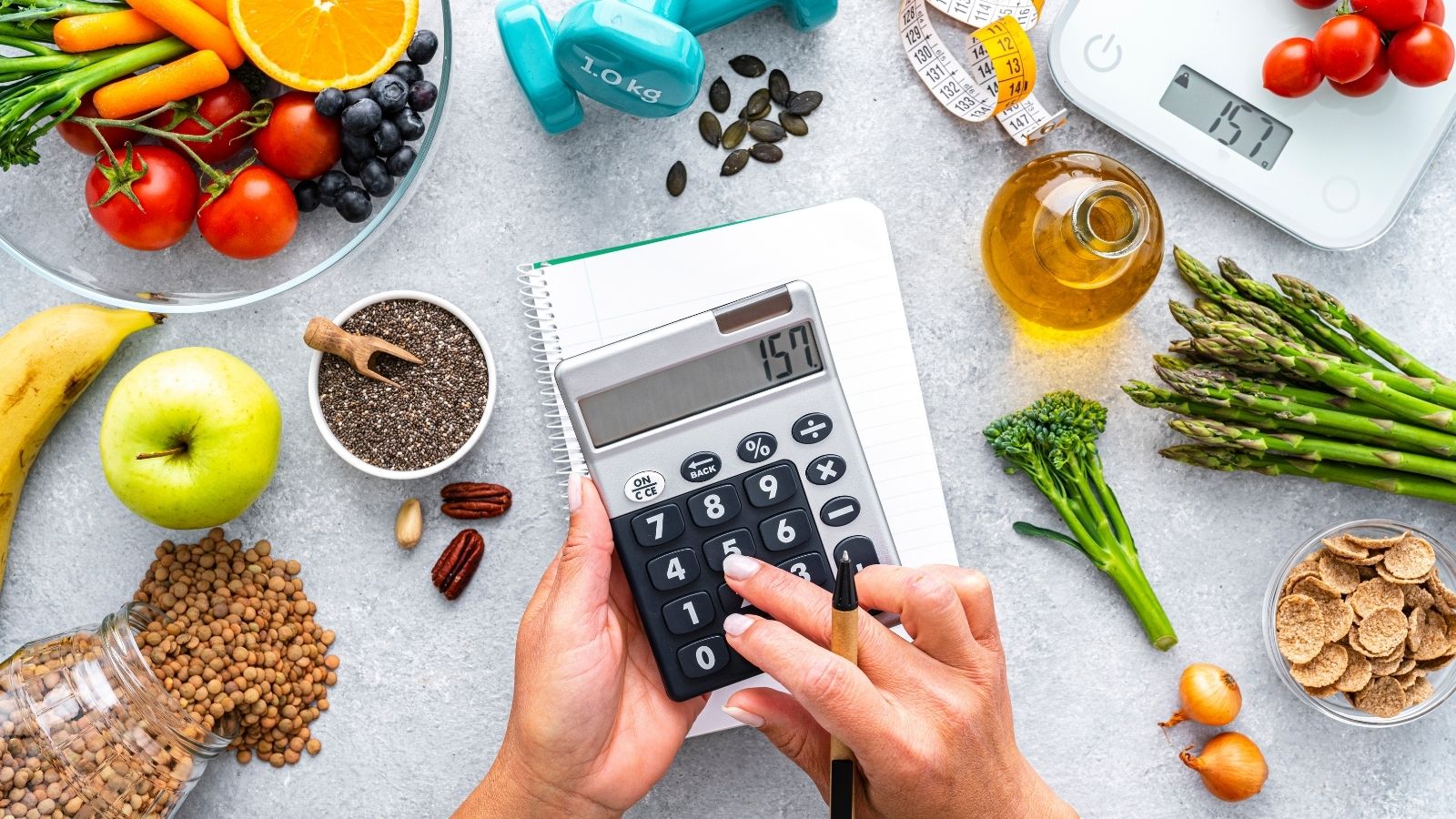


The glycemic index is a numerical value that measures how quickly a carbohydrate-containing food raises blood sugar after consumption. This value is generally expressed on a scale of 0–100, with glucose used as the reference. Low glycemic index foods raise blood sugar more slowly, while high glycemic index foods cause a rapid increase.
Low glycemic index foods provide an advantage in terms of metabolic control by allowing blood sugar to rise more steadily. Whole grains, legumes, most vegetables, yogurt, and certain fruits are included in this group. These foods, which are high in fiber, slow digestion and create a long-lasting feeling of fullness.
High glycemic index foods are rapidly broken down in the digestive system, causing glucose to enter the bloodstream quickly. White bread, mashed potatoes, white rice, sugary drinks, and refined flour products are examples of this group. Frequent consumption of such foods may lead to blood sugar fluctuations.
The relationship between the glycemic index and nutrition planning is particularly important for diabetes management and weight control. Choosing foods with a low or moderate glycemic index helps balance the insulin response. In a balanced diet plan, they are recommended to be consumed together with fiber, protein, and healthy fats.
İçerik
What Is the Glycemic Index (GI)?
The glycemic index is a system that measures how quickly a food raises blood sugar levels. In simple terms, it shows how quickly your body digests and absorbs a food, converts it into glucose, and how rapidly that glucose enters your bloodstream after you eat it. This index is created by assigning pure glucose a value of 100 for its effect on blood sugar and ranking other foods according to this reference value. Low-GI foods raise blood sugar slowly and steadily, while high-GI foods cause sudden and sharp increases.
How Is GI Calculated and Evaluated?
Glycemic index values are generally expressed on a scale from 0 to 100. These values are determined through standardized tests. To determine the GI value of a food, a specific amount of the food, usually an amount containing 50 grams of carbohydrates, is given to volunteers. Changes in blood sugar levels are then measured over a two-hour period and averaged. The effect of pure glucose on blood sugar is used as the baseline value of 100.
GI values are generally classified as follows:
- Low Glycemic Index: 55 or below. These foods raise blood sugar slowly.
- Moderate Glycemic Index: Between 56 and 69. These foods raise blood sugar at a moderate rate.
- High Glycemic Index: 70 or above. These foods raise blood sugar rapidly.
This classification serves as a guide for understanding which foods have a more moderate effect on blood sugar. For example, legumes such as lentils generally have a low GI, while white bread and sugary drinks are among foods with a high GI.
Effects of GI on Health
Understanding the glycemic index is especially important for diabetes management and weight control. Eating low-GI foods may help prevent blood sugar fluctuations. This may improve blood sugar control, particularly in people with diabetes, and reduce the risk of hypoglycemia (low blood sugar) or hyperglycemia (high blood sugar). Research shows that low-GI diets may improve insulin resistance and reduce the risk of developing type 2 diabetes. In addition, low-GI foods generally provide a longer-lasting feeling of fullness. This may help prevent overeating between meals and therefore support weight control. Many low-GI foods with a high fiber content support digestive health and may play a role in reducing the risk of chronic diseases.
What Are Glycemic Index Foods?
Glycemic index foods are all foods that contain carbohydrates and can therefore affect blood sugar levels. However, this effect may vary greatly depending on the type of food, how it is processed, and the cooking method. In general, simple sugars and refined carbohydrates tend to have higher GI values, while complex carbohydrates, fiber-rich foods, and protein-rich foods tend to have lower GI values.
High Glycemic Index Foods
High-GI foods are rapidly digested foods that cause a sudden rise in blood sugar. These foods generally include processed grains, sugary products, and certain fruits. Excessive consumption of such foods may lead to energy crashes, hunger attacks, and long-term health problems.
- Processed Grains: White bread, rice potatoes (white rice), cornflakes, and rice pasta. These products are generally low in fiber and are digested rapidly.
- Sugary Products: Sugary drinks (cola, fruit juice concentrates), desserts, cakes, cookies, and chocolate. These products have a high GI due to both their simple sugar content and processed structure.
- Certain Fruits: Some fruits, such as watermelon and pineapple, may have a high GI because of their high sugar content.
- Starchy Vegetables: Some starchy vegetables, such as boiled potatoes and corn, may reach high GI values depending on the cooking method.
It is important to be careful when consuming these foods. Sudden increases in blood sugar may cause fluctuations in energy levels and may contribute to insulin resistance in the long term.
Low Glycemic Index Foods
Low-GI foods are slowly digested foods that raise blood sugar steadily. These foods generally include whole grains, legumes, fiber-rich vegetables, and certain fruits. Such foods provide a long-lasting feeling of fullness and help improve blood sugar control.
- Whole Grains: Whole wheat bread, oatmeal, quinoa, barley, and rye. These grains contain more fiber and nutrients because they are less processed.
- Legumes: Lentils, chickpeas, beans, and peas. Legumes are rich in both fiber and protein and are digested slowly.
- Fiber-Rich Vegetables: Broccoli, spinach, cabbage, cucumber, tomatoes, and peppers. These vegetables generally have a low carbohydrate content and a high fiber ratio.
- Certain Fruits: Apples, pears, strawberries, blackberries, and sour cherries. These fruits raise blood sugar more slowly thanks to their fiber content.
- Dairy Products and Alternatives: Milk, yogurt, and kefir without added sugar. These products help balance GI through their protein and fat content.
- Nuts and Seeds: Almonds, walnuts, chia seeds, and flaxseeds. These foods are rich in healthy fats and fiber.
Including low-GI foods in your diet may help you maintain more stable energy levels and support your overall health.
Factors Affecting GI Values
The glycemic index of a food is not a fixed value on its own. Many different factors may significantly alter the GI value of the same food. Understanding these factors allows us to make more informed dietary choices.
- Fiber Content: As the amount of fiber in a food increases, digestion takes longer and the GI value decreases. Fiber slows the absorption of carbohydrates. For example, this is why whole wheat bread, which contains more fiber, has a lower GI than white bread.
- Starch Structure: The type and structure of starch in a food also affect GI. The proportions of amylose and amylopectin are important. Starches with a high amylose content are digested more slowly and lead to a lower GI.
- Degree of Processing: The more foods are processed, the more rapidly they are generally digested and the higher their GI values become. For example, a whole apple has a lower GI than apple juice or applesauce. Grinding and refining grains also increase GI.
- Cooking Method: Cooking time and temperature may affect GI by changing the structure of starch. Foods cooked for longer periods or at higher temperatures generally have a higher GI. For example, well-cooked pasta may have a higher GI than pasta cooked al dente.
- Degree of Ripeness: As fruits ripen, the complex carbohydrates they contain are converted into simple sugars. Therefore, ripe fruits may have a higher GI than less ripe fruits.
- Presence of Other Nutrients: Consuming protein-, fat-, or fiber-containing foods together with carbohydrate-containing foods in a meal may lower the overall GI. For example, eating white rice with vegetables and chicken creates a more balanced blood sugar response than eating rice alone.
Considering these factors, focusing on the overall dietary pattern rather than becoming fixated on a single number on a food label is a more appropriate approach.
What Is Glycemic Load (GL)?
Glycemic load (GL) goes one step beyond the glycemic index (GI) by taking into account both the effect of a food on blood sugar and the portion size consumed. While GI indicates how quickly a specific amount of carbohydrate in a food raises blood sugar, GL estimates the total increase in blood sugar by considering the actual amount of carbohydrate you consume from that food. Therefore, GL is considered a more practical and realistic tool in dietary planning.
How Is GL Calculated?
Calculating glycemic load is quite simple. The formula used is as follows:
GL = (Amount of Carbohydrate in the Food (grams) / Glycemic Index of the Food) x 100
This formula relates the amount of carbohydrate in a specific portion to the GI value of the food. The resulting value indicates the total effect of that portion on blood sugar.
GL values are generally classified as follows:
- Low Glycemic Load: 10 or below.
- Moderate Glycemic Load: Between 11 and 19.
- High Glycemic Load: 20 or above.
For example, the GI value of watermelon is approximately 72, which is high. However, 100 grams of watermelon contains only approximately 5 grams of carbohydrates. In this case, the GL of 100 grams of watermelon is: (5 / 72) x 100 = approximately 7. This shows that watermelon has a low GL because its carbohydrate content per serving is low. In contrast, a slice of white bread may have a GI of around 75 and contain 30 grams of carbohydrates. In this case, the GL is: (30 / 75) x 100 = 40, which is a high GL.
Differences Between GI and GL and Why GL May Be More Important
While the glycemic index indicates the potential rate at which a food raises blood sugar, glycemic load better reflects how much that food will actually raise blood sugar. This is because GL also takes portion size into account.
- Limitations of GI: GI focuses on the amount of carbohydrate in a standard portion of a specific food. However, in practice, people consume foods in different portion sizes. A high-GI food may not have a significant effect on blood sugar when consumed in a small amount.
- Advantages of GL: GL provides a more comprehensive picture because it combines both the nature of the food and the amount consumed. This may serve as a more practical guide for individuals aiming to achieve goals such as diabetes management or weight control. For example, instead of mistakenly considering watermelon a food that should be avoided because of its high GI, it is important to understand that it can be consumed in moderate amounts because its GL is low.
Therefore, when planning a diet, considering glycemic load in addition to GI values may provide more effective results. This helps you develop more balanced and sustainable eating habits.
Glycemic Index and Healthy Eating
Understanding the glycemic index may be an important tool for developing healthy eating habits. Choosing low-GI foods may help balance blood sugar levels, maintain fullness for longer, and reduce the risk of chronic diseases. However, it is important to remember that GI alone is not a complete dietary strategy.
How Is a Low-GI Diet Followed?
Following a low-GI diet does not require making major changes to your life. The focus is to shift from highly processed foods toward whole and natural foods. This generally means choosing nutrient-dense and fiber-rich foods.
- Choose Whole Grains: Instead of white bread, white rice, and refined flour products, choose whole grains such as whole wheat bread, oatmeal, quinoa, barley, and rye. These grains contain more fiber and are digested more slowly.
- Consume Plenty of Legumes: Legumes such as lentils, chickpeas, beans, and peas are rich in both fiber and protein. You can add them to salads and soups or consume them as a main dish.
- Prioritize Vegetables: All vegetables are excellent, but especially include plenty of high-fiber vegetables in your meals, such as leafy green vegetables (spinach, cabbage), broccoli, cauliflower, peppers, and tomatoes.
- Choose Fruits Wisely: Choose fiber-rich fruits such as apples, pears, strawberries, and blackberries. Consume high-sugar fruits such as watermelon and pineapple in smaller portions or eat them together with other fiber-rich foods.
- Healthy Fats and Proteins: Adding healthy fats such as avocados, nuts, seeds, and olive oil, as well as lean protein sources such as fish, chicken, eggs, and yogurt, to your meals helps maintain blood sugar balance.
- Avoid Sugary Drinks: Consume water, herbal teas, or unsweetened coffee and tea instead of high-sugar drinks such as carbonated beverages, fruit juices, and sweetened coffees.
- Pay Attention to Portion Control: Controlling the portion sizes of carbohydrate-containing foods is especially important for managing glycemic load.
- Combine Foods: Combining a carbohydrate-containing meal with foods containing protein, fat, and fiber slows the rise in blood sugar.
By following these steps, you may keep your blood sugar levels more balanced, remain full for longer, and support your overall health.
The Role of GI in Diabetes Management
Blood sugar control is vital for people with diabetes. The glycemic index may be a powerful tool for achieving this control. Eating low-GI foods helps prevent sudden rises and falls in blood sugar levels. This may reduce the risk of long-term complications of diabetes, including heart disease, kidney damage, and nerve damage.
- Reducing Blood Sugar Fluctuations: High-GI foods are rapidly converted into glucose after consumption, causing blood sugar to rise suddenly. This causes the body to release more insulin, followed by a rapid drop in blood sugar. Low-GI foods, on the other hand, raise blood sugar more gradually because they are digested slowly, resulting in more stable blood sugar levels.
- Improving Insulin Resistance: Chronically high blood sugar levels may lead to insulin resistance. Insulin resistance is a condition in which cells do not respond adequately to insulin and is one of the main causes of type 2 diabetes. Low-GI diets may help reduce insulin resistance and increase insulin sensitivity.
- Feeling of Fullness and Weight Control: Weight control is also important for people with diabetes because excess weight may increase insulin resistance. Since low-GI foods generally have a higher fiber content, they provide a longer-lasting feeling of fullness. This may help prevent overeating between meals and maintain a healthy weight.
However, it is important for people with diabetes to plan their approach to the glycemic index together with a healthcare professional, such as a physician or dietitian. Every individual’s condition is different, and a personalized nutrition plan will provide the best results.
GI and Weight Control
The glycemic index may also play an important role in weight loss and weight maintenance. Low-GI foods may make weight control easier by prolonging the feeling of fullness and helping control appetite.
- Long-Lasting Fullness: Low-GI foods keep you full for longer because they take longer to digest. This reduces the desire to snack between meals and may help lower total calorie intake. For example, starting the day with oatmeal may keep you full longer than starting with a sugary breakfast cereal.
- Balancing Energy Levels: Sudden rises in blood sugar caused by high-GI foods, followed by drops, may cause fluctuations in energy levels and feelings of fatigue. This may trigger the desire to consume more sugary or high-calorie foods. Eating low-GI foods breaks this cycle by providing more stable energy levels.
- Reducing Fat Storage: Sudden increases in blood sugar levels cause the body to release more insulin. While insulin carries blood sugar into cells, it is also a hormone that promotes fat storage. Eating low-GI foods may help reduce the body’s tendency to store fat by balancing insulin release.
When it comes to weight control, it is important to consider total calorie intake, dietary variety, and physical activity rather than focusing only on GI values. A low-GI diet is only one part of a healthy lifestyle.
Frequently Asked Questions
What is the glycemic index and what does it indicate?
The glycemic index is a measure that indicates how quickly a carbohydrate-containing food raises blood sugar. Low-glycemic-index foods may help blood sugar rise more slowly.
What are glycemic index foods and how are they classified?
Foods are classified as having a low, moderate, or high glycemic index. Whole grains and legumes generally have a low glycemic index, while white bread and certain processed products may have higher values.
Which foods have a low glycemic index?
Lentils, chickpeas, dried beans, oats, bulgur, apples, pears, and many vegetables are among foods with a low glycemic index. These foods may support blood sugar control.
What are high-glycemic-index foods?
White bread, sugary drinks, certain breakfast cereals, white rice, and processed snacks may be given as examples of foods with a high glycemic index.
How does the glycemic index affect blood sugar?
High-glycemic-index foods may cause blood sugar to rise more rapidly. Low-glycemic-index foods may contribute to more balanced energy use.
Why is the glycemic index important for people with diabetes?
Knowledge of the glycemic index may help people with diabetes manage blood sugar fluctuations more effectively. However, the nutrition plan should always be arranged according to individual needs.
What is the difference between the glycemic index and glycemic load?
The glycemic index measures how quickly a food raises blood sugar, while glycemic load also takes portion size into account. Therefore, glycemic load may provide more comprehensive information in daily nutrition.
Do fruits have a high glycemic index?
The glycemic index values of fruits differ from one another. Some fruits, such as apples, pears, and cherries, have lower values, while certain tropical fruits may have a higher glycemic index.
What should be considered during meals to lower the glycemic index?
Carbohydrates consumed together with fiber-rich foods, protein sources, and healthy fats may slow the rise in blood sugar. Choosing whole grains may also be beneficial.
Is the glycemic index important for weight control?
Low-glycemic-index foods may provide a longer-lasting feeling of fullness and contribute to maintaining energy balance. However, total calorie intake and lifestyle are also important in weight management.

Op. Dr. Ahmet Bekin was born in Istanbul in 1983. He graduated from the Faculty of Medicine at Kocaeli University in 2006 and completed his specialty training in the Department of General Surgery at Istanbul University Çapa Faculty of Medicine in 2011. After his specialization, he worked in the fields of hernia surgery, reflux surgery, obesity surgery, advanced laparoscopic surgery, and robotic surgery. In addition, he received training in endocrine surgery, oncological surgery, and minimally invasive surgery. He is currently accepting patients from Turkey as well as from countries such as Germany and France at his private clinic located in Istanbul.