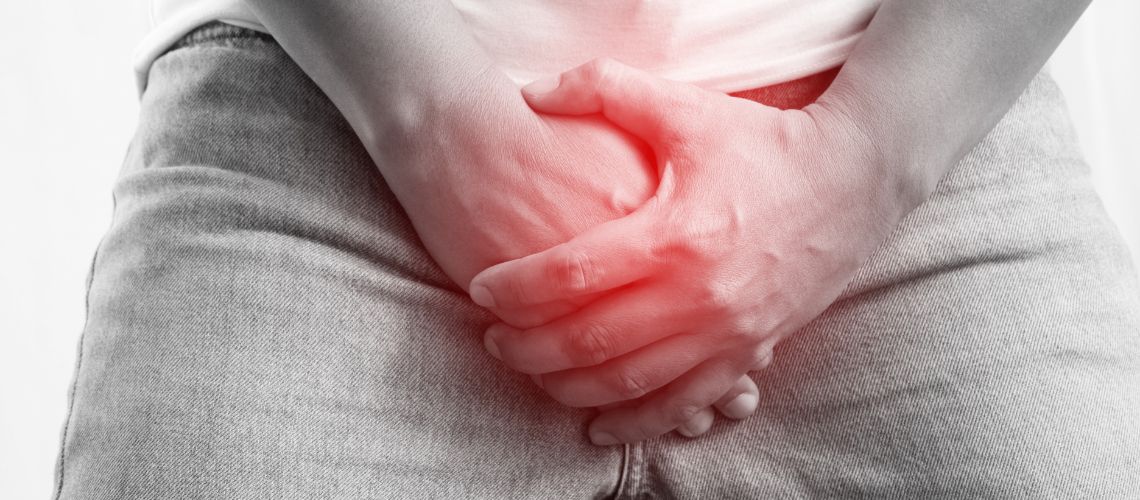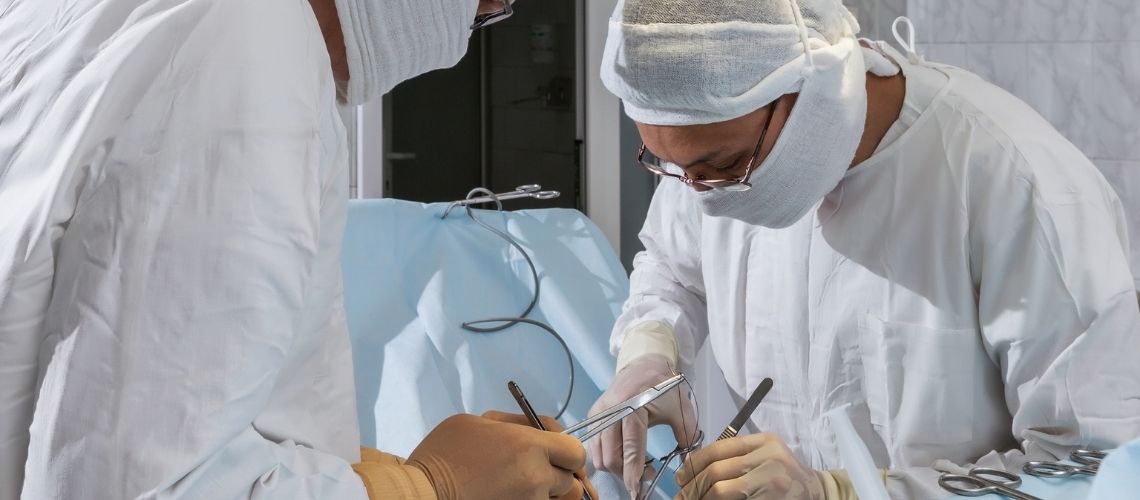


Inguinal hernia surgery in Turkey is a well-established and effective treatment for repairing hernias that occur in the groin area, where tissue or part of the intestine protrudes through a weak spot in the abdominal wall. This condition can cause discomfort, swelling, or pain, especially during physical activity. In Turkey, experienced surgeons perform the procedure using advanced open or laparoscopic techniques, aiming to ensure a durable repair, minimize recurrence, and support a smooth recovery in modern, fully equipped hospitals.
Inguinal hernia surgery cost in Turkey is generally more affordable than in many Western countries while maintaining high medical standards. The total cost can vary depending on the surgical method, the patient’s health condition, and the chosen healthcare facility. Many medical tourism packages include pre-operative assessments, surgery, hospital stay, and post-operative care, making the process both cost-effective and convenient for international patients.
Inguinal hernia surgery results in Turkey are typically excellent, with most patients experiencing significant relief from symptoms and a quick return to normal activities. Minimally invasive approaches can reduce post-operative pain, limit scarring, and shorten recovery time, helping patients regain mobility and comfort sooner.
Inguinal hernia surgery reviews in Turkey often highlight the professionalism of the surgical teams, the clear and thorough pre-surgery consultations, and the attentive care during the hospital stay. Many patients appreciate the supportive follow-up process and the patient-centered approach that ensures a safe and reassuring treatment journey from start to finish.
| Definition of Surgery | A surgical procedure performed to repair the hernia in the groin region. It can be performed with open or laparoscopic methods. |
| Indications (Necessities) | Hernia growth, pain, bowel entrapment, or decrease in quality of life. |
| Types of Surgery |
|
| Type of Anesthesia | General or spinal (regional) anesthesia can be used. |
| Surgery Duration | Usually takes 30–60 minutes. |
| Recovery Period | Light activities can usually be resumed within 1–2 weeks; full recovery takes 4–6 weeks. Heavy lifting should be avoided. |
| Risks and Complications | Infection, bleeding, recurrence (hernia coming back), chronic pain, anesthesia-related reactions. |
| Postoperative Considerations | Avoid heavy lifting, perform regular wound care, rest as recommended by your doctor, consume fiber-rich foods to prevent constipation. |
| Alternative Treatments | In mild cases, special hernia belts may be recommended, but surgery is generally the definitive solution. |
İçerik
What Is an Inguinal Hernia?
An inguinal hernia occurs when a portion of intestine or abdominal tissue protrudes through a weak spot in the lower abdominal muscles, typically in the groin area. It is more common in men and may appear as a bulge that becomes more noticeable when coughing or standing. While some cases are painless, others cause discomfort or a heavy sensation. Surgical repair is often recommended to prevent complications such as incarceration or strangulation.
What Is Inguinal Hernia Surgery?
Inguinal hernia surgery is a surgical procedure performed to treat hernias caused by weakness in the abdominal wall. A hernia occurs when tissues in the inguinal canal abnormally bulge out. This procedure is generally performed using open or minimally invasive methods. Various techniques have been developed since the 16th century, with significant advancements in the 1980s after the introduction of modern mesh repair methods. The Lichtenstein technique, in particular, has achieved great success in preventing recurrence. The FDA’s approval of synthetic meshes in the 1990s made these surgeries safer and more effective. Today, the use of mesh in inguinal hernia surgery is widespread and considered the gold standard.
How Is Inguinal Hernia Surgery Performed?
Inguinal hernia surgery strengthens the weak spot in the inguinal canal to repair the hernia. The goal of surgery is to prevent organs from protruding through the inguinal canal and to make this area stronger. There are two main techniques: open surgery and laparoscopic surgery. Both methods aim to prevent recurrence.
- Steps of open surgery:
- An incision is made in the groin area
- The hernia sac is removed or pushed back into the abdomen
- Synthetic mesh or the patient’s own tissue is used
- Steps of laparoscopic surgery:
- Small incisions are made
- The laparoscope is inserted
- Mesh is placed
Laparoscopic technique offers faster recovery and a lower risk of complications due to its minimally invasive nature. Open surgery, on the other hand, requires a larger incision but may be more suitable in some cases. Both methods have advantages and risks. Especially the use of mesh has significantly reduced recurrence rates. Since every patient’s condition is different, the surgeon determines the most appropriate method based on the patient’s health and needs.
When Is Inguinal Hernia Surgery Performed?
Inguinal hernia surgery is performed based on the severity of symptoms and risk of complications. Surgical intervention is preferred when the hernia may lead to life-threatening conditions or when bothersome symptoms affect daily life. Emergency surgery is required especially in cases of incarceration and strangulation. However, a special approach is adopted for each patient, considering risk factors and individual conditions.
- Symptomatic hernia
- Incarcerated hernia
- Strangulated hernia
- Enlarging hernias
- Non-reducible hernias
- High risk of complications
Laparoscopic surgery is more often preferred in cases of bilateral hernias and in women. Since women have a higher risk of femoral hernia, untreated inguinal hernias can lead to complications. In patients with bilateral hernia, minimally invasive methods are advantageous when both sides need repair. In cases of minimally symptomatic hernia, careful monitoring may be considered, but worsening symptoms or complications usually require surgery. In recent years, minimally invasive techniques have been increasingly preferred due to lower complication risks and faster recovery times. The European Hernia Society and HerniaSurge consensus recommend patient-specific surgical approaches.
Who Is Not Suitable for Inguinal Hernia Surgery?
Inguinal hernia surgery is not suitable for every patient. In some, the risk of complications may be high, so these patients should be carefully evaluated. Unsuitable candidates usually have general health issues or a high risk of postoperative complications. Specific conditions where surgery should be postponed or avoided include:
- Severe heart and lung diseases
- Coagulation disorders
- Active infection
- Advanced pregnancy
- History of major abdominal or pelvic surgery
- Morbid obesity
- End-stage kidney disease
- Severe immunosuppression
Other than these, inguinal hernia surgery should be considered in some people only in life-threatening situations or if emergency complications, such as strangulation, occur. Especially in elderly patients or those with coexisting diseases that may complicate recovery, the benefits and risks of surgery must be carefully weighed. For patients with low anesthesia tolerance, alternative treatments may be considered. Surgeons develop the most appropriate treatment plan by considering the patient’s quality of life, recovery process, and long-term health outcomes.
How Is Inguinal Hernia Surgery Performed?
Inguinal hernia surgery is a surgical procedure aiming to push the herniated tissue back into the abdominal cavity and repair the weakness in the abdominal wall. This operation is performed in two main ways: open surgery and laparoscopic (or robot-assisted) repair. Both techniques aim to prevent recurrence and offer different advantages depending on the patient.
Open Hernia Repair
- Anesthesia: General, local, or regional
- Procedure: Incision in the groin, reduction of hernia tissue, reinforcement with mesh
- Recovery: Mobility resumes shortly after, full return in a few weeks
Laparoscopic or Robot-Assisted Repair
- Anesthesia: General
- Procedure: Small incisions, insertion of laparoscope, repair with instruments
- Recovery: Faster than open surgery, usually about one week
Laparoscopic technique offers more comfort during recovery and less postoperative pain due to smaller incisions. It is especially preferred in bilateral or recurrent hernia cases. However, the surgeon’s experience in minimally invasive surgery is crucial. Patients should avoid heavy lifting and excessive physical activities during the recovery period.
What Are the Side Effects of Inguinal Hernia Surgery?
Whether performed by open or laparoscopic methods, inguinal hernia surgery can result in some side effects and complications. These side effects are categorized as short-term and long-term. Short-term complications typically arise in the early postoperative period and are closely related to surgical technique, the patient’s general health, and postoperative care. Long-term complications develop over time due to the outcomes of the surgery.
Short-term side effects:
- Infection
- Seromas
- Hematomas
- Injury to nearby organs
- Urinary retention
- Nerve damage
Long-term complications:
- Chronic pain
- Hernia recurrence
- Mesh-related issues
- Sexual dysfunction
- Adhesions
Although intraoperative complications are not common, the experience of the surgeon and the precision of the technique play a critical role in reducing these risks. The patient’s general health, smoking, and obesity also increase the risk of complications. Doctors provide detailed information about these risks before surgery and give the patient the necessary measures for the recovery process.
How Successful Is Inguinal Hernia Surgery?
Inguinal hernia surgeries generally have high success rates. However, the success rate may vary depending on the technique used, the surgeon’s experience, and the patient’s overall health. While there are differences between laparoscopic and open techniques, both aim to prevent recurrence and improve the patient’s quality of life.
- Advantages of laparoscopic repair:
- Faster recovery
- Less scarring
- Reduced postoperative pain
- Advantages of open repair:
- Lower recurrence rates
- Technically less complex
Recurrence rates for both methods are low. In laparoscopic repair, recurrence is reported between 1–4%, while in open repair, it ranges from 2–5%. Chronic pain is another factor affecting perceived surgical success. Postoperative chronic pain is more common with open surgery, seen in about 15% of patients. However, both surgical methods are successful in improving overall patient satisfaction and quality of life. Over 90% of patients report relief from symptoms and functional improvement after surgery.
How to Prepare for Inguinal Hernia Surgery?
The surgeon will provide specific instructions based on the patient’s general health. Special care should be taken regarding medication use, diet, and hygiene before surgery.
- Blood-thinning medications should be discontinued before surgery.
- No food or drink should be consumed for at least 8 hours prior to surgery.
- Maintain hygiene of the surgical area.
- Stop smoking if possible.
- Wear comfortable clothing; avoid jewelry and makeup.
- Arrange for someone to accompany you home after surgery.
On the day of surgery, the patient should wear comfortable clothing to the hospital. Items like jewelry, watches, makeup, and nail polish should not be worn. To prevent anesthesia complications, the patient must be fasting for at least 8 hours prior. After surgery, help may be needed for the first night, so it is recommended not to be alone at home. For smokers, quitting can accelerate both pre- and postoperative recovery and reduce complication risks.
How Should Postoperative Care Be Managed?
- Recovery period: Return to daily activities is usually possible within 1–2 weeks. Full recovery may take 4–6 weeks.
- Pain and discomfort: Mild to moderate pain may be present for the first few days. It can be managed with painkillers.
- Physical activity: Avoid heavy lifting for the first week. Light walks are recommended. Avoid strenuous exercise for 4–6 weeks.
- Suture care: Stitches usually dissolve on their own; it is important to keep the dressing dry.
- Returning to work: Desk jobs can usually be resumed within a week; physically demanding jobs after 4–6 weeks.
- Bathing: If the dressing is waterproof, showering is possible 24–48 hours after surgery.
- Nutrition: Consume fiber-rich foods and plenty of fluids. Avoid constipation.
- Scrotal swelling: Swelling or edema may be seen in the testicle area after surgery. It usually subsides within a few weeks. Severe pain, redness, or persistent swelling should be reported to the doctor.
- Sleeping position: Sleeping on the back is recommended for the first few days. Elevating the legs may help reduce swelling. Avoid positions that put pressure on the abdomen.
- Complications: Although rare, infection, bleeding, recurrence, or nerve injury may occur.
- Follow-up visit: Usually performed one week after surgery; this may vary according to the doctor’s advice.
- Sexual activity: Generally possible after 2–3 weeks; should be postponed if there is pain.
Proper postoperative care helps the patient recover smoothly. Pain management is crucial in the early period. Opioid medications should be used only briefly and switched to over-the-counter painkillers as soon as possible. Wound care and hygiene are essential to prevent infection, and the dressing should be kept clean and dry. Any signs of excessive redness or discharge at the incision site should be monitored.
- Light walking
- Cold compresses
- Ibuprofen or acetaminophen
Diet and bowel regulation are also important for recovery. Eating fiber-rich foods and increasing water intake help manage the side effects of surgery.
- Fiber-rich foods
- Plenty of water
- Constipation prevention
Monitoring for complications during recovery is critical for timely intervention. Attending all follow-up appointments is important for early detection of any issues.
How Does Resistance Develop Against Inguinal Hernia Surgery?
Resistance to inguinal hernia surgery involves several complications that negatively affect the success of surgical repair and may lead to recurrence. These complications are generally caused by poor tissue healing, chronic pain, mesh-related problems, and patient-related risk factors.
- Tissue weakness
- Chronic pain
- Mesh complications
- Infection
- Inflammation
- Scar tissue
- Adhesions
Tissue weakness is more common in patients with genetic predispositions, such as collagen disorders, and can lead to recurrent hernias. Chronic postoperative inguinal pain (CPIP) may result from nerve entrapment or mesh-related issues. While the use of mesh is effective for reducing recurrence risk, it can also cause nerve entrapment or inflammation. If proper integration with surrounding tissues is not achieved, mesh-related problems like infection, erosion, and shrinkage may occur, leading to both chronic pain and surgical failure.
Infection, especially when it develops around the implanted mesh, weakens tissues and increases the risk of surgical failure. Inflammation and the formation of scar tissue can complicate future surgical interventions. Scar tissue and adhesions may impede the success of hernia repair and make subsequent surgeries more challenging.
Patient-related factors such as obesity, smoking, and uncontrolled diabetes negatively impact wound healing and increase the likelihood of recurrence. Smoking and diabetes promote inflammation and increase the risk of postoperative complications.
Frequently Asked Questions
How long does pain last after inguinal hernia surgery?
Pain is usually most intense during the first few days after surgery, but it can be controlled with painkillers. Most patients can resume daily activities more comfortably within 1-2 weeks.
What types of anesthesia are used for inguinal hernia surgery?
Inguinal hernia surgery can be performed under local, spinal, or general anesthesia. The choice depends on the patient’s health condition, age, and the surgeon’s preference.
When can sports and exercise be resumed after inguinal hernia surgery?
Light walking is recommended within a few days, but heavy sports and abdominal exercises should generally be postponed for 4-6 weeks.
Is there a risk of recurrence after inguinal hernia surgery?
The risk of recurrence after repair is quite low. However, tissue weakness, obesity, heavy lifting, or chronic coughing may increase the risk.
Is swelling and bruising normal after inguinal hernia surgery?
Mild swelling, bruising, and tightness in the surgical area may occur for several weeks. This is generally considered normal and usually subsides over time.
How long does it take to return to work after inguinal hernia surgery?
Patients with desk jobs can usually return to work within a week. For physically demanding jobs, 4-6 weeks may be necessary for full recovery.
When can sexual activity be resumed after inguinal hernia surgery?
Sexual activity is usually safe once pain and discomfort have subsided, typically around 2-3 weeks after surgery.
What are the possible complications after inguinal hernia surgery?
Although rare, infection, hematoma, nerve damage, or circulation problems in the testicles may occur. With early diagnosis and treatment, most complications can be controlled.
What are the differences between open and laparoscopic inguinal hernia surgery?
Open surgery involves a larger incision, while the laparoscopic method uses small incisions. The laparoscopic approach generally allows faster recovery, but the surgeon’s experience is crucial.
What should be considered in diet after inguinal hernia surgery?
To prevent constipation, fiber-rich foods, adequate fluid intake, and light meals are recommended. Avoiding excessively spicy or heavy foods is beneficial for digestive health.

Op. Dr. Ahmet Bekin was born in Istanbul in 1983. He graduated from the Faculty of Medicine at Kocaeli University in 2006 and completed his specialty training in the Department of General Surgery at Istanbul University Çapa Faculty of Medicine in 2011. After his specialization, he worked in the fields of hernia surgery, reflux surgery, obesity surgery, advanced laparoscopic surgery, and robotic surgery. In addition, he received training in endocrine surgery, oncological surgery, and minimally invasive surgery. He is currently accepting patients from Turkey as well as from countries such as Germany and France at his private clinic located in Istanbul.