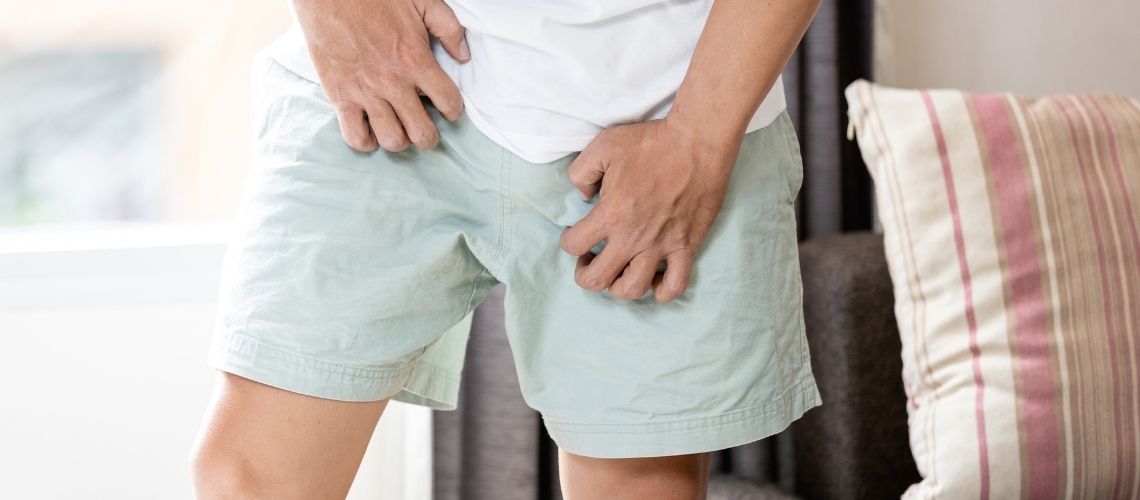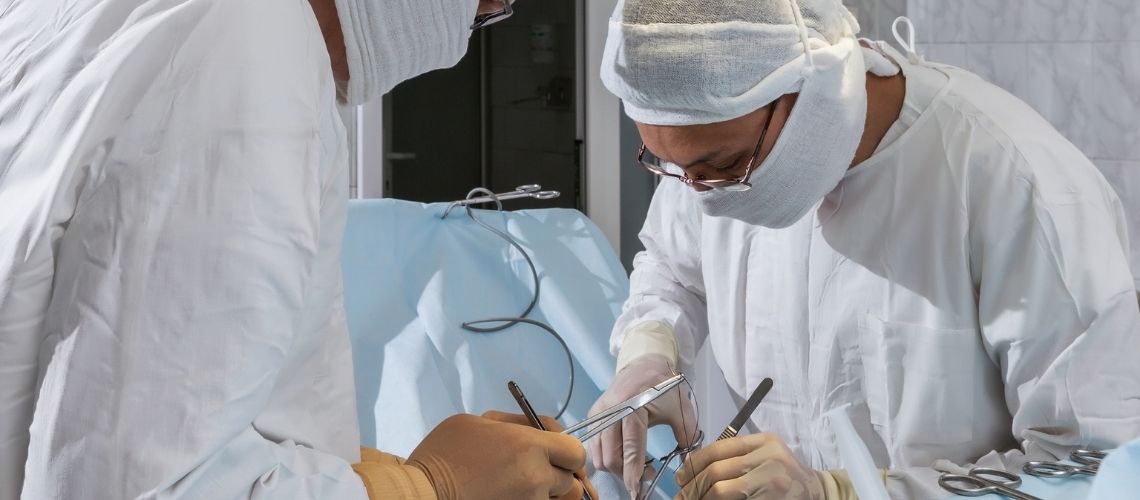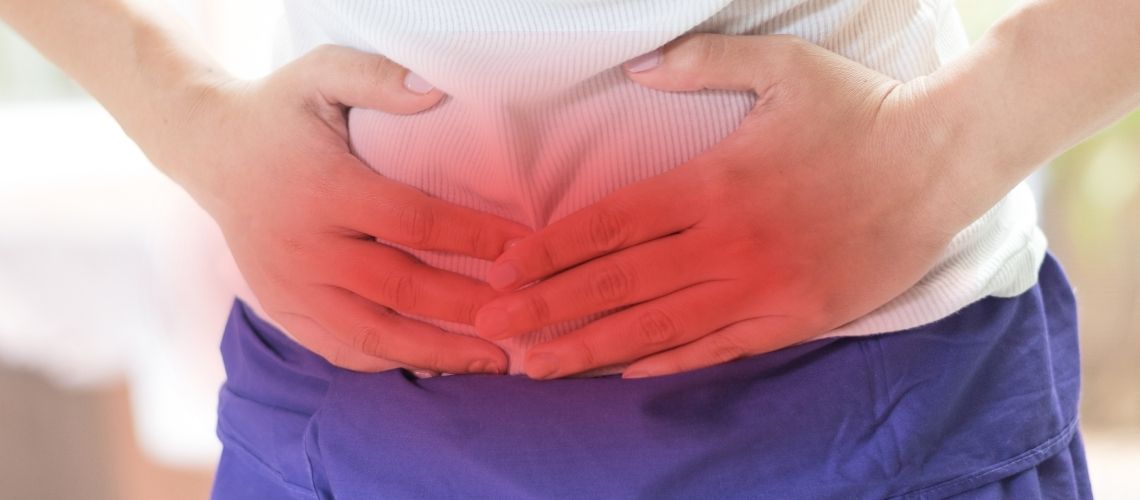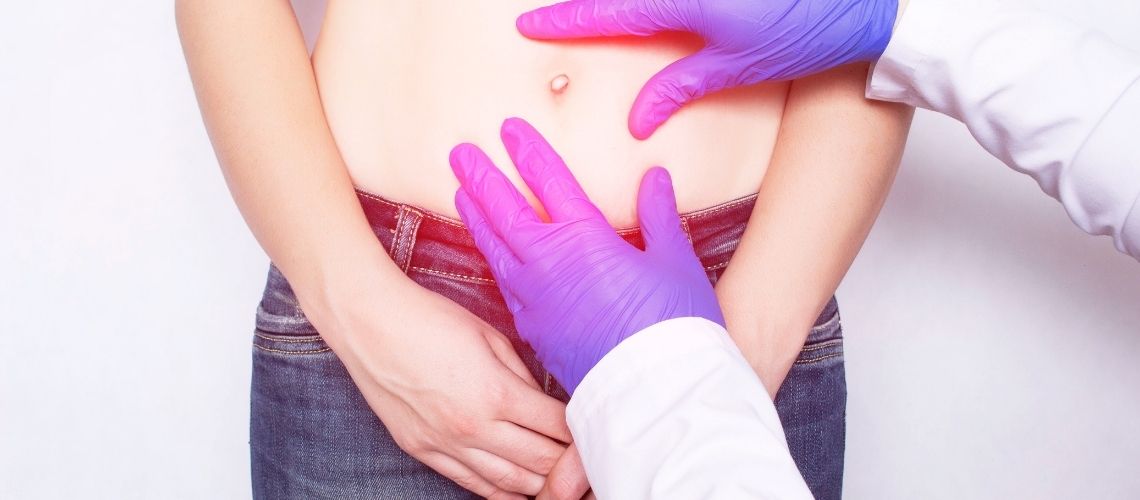


Groin pain can arise from musculoskeletal, neurological, urological, or gastrointestinal causes. Common conditions include inguinal hernia, kidney stones, hip joint problems, and muscle strain. Identifying whether the pain is right-sided or left-sided helps narrow down the possible underlying conditions.
Right-sided groin pain often relates to appendicitis, kidney stones, or right inguinal hernia. Pain may radiate to the abdomen or thigh, and its intensity may increase with movement or strain. Precise localization and associated symptoms provide valuable diagnostic clues.
Left-sided groin pain is commonly linked to diverticulitis, left inguinal hernia, or urological problems such as kidney and ureteric disorders. Gynecological conditions in women, like ovarian cysts, may also present with left groin discomfort, requiring differential diagnostic evaluation.
Diagnosis of groin pain involves physical examination, imaging techniques, and laboratory tests. Treatment varies depending on the cause, ranging from conservative management for muscle strains to surgical correction for hernias. Accurate diagnosis is essential to prevent mismanagement and chronic complications.
| Definition | Pain felt in the groin area; it can be sudden or chronic and may occur on one or both sides. |
| Common Causes | Musculoskeletal strains, inguinal or femoral hernia, testicular diseases (in men), adnexal pathologies (in women), urinary tract infection, kidney stone, lymphadenopathy, sports hernia |
| Special Causes in Athletes | Muscle tears, adductor tendinopathy, osteitis pubis, sports hernia (athletic pubalgia) |
| Male-Specific Causes | Testicular torsion, epididymitis, varicocele, hydrocele, inguinal hernia |
| Female-Specific Causes | Ovarian cyst rupture, adnexitis, ectopic pregnancy, pelvic inflammatory disease (PID) |
| Accompanying Symptoms | Swelling, tenderness, pain in the testicles or lower abdomen, fever, urinary complaints, vaginal discharge or abnormal bleeding |
| Diagnostic Methods | Physical examination, ultrasonography (groin and scrotal), urinalysis, CT or MRI if needed, laboratory tests |
| Emergency Indicators | Sudden and severe pain, suspected testicular torsion, high fever, change in consciousness |
| Treatment Methods | Depending on the underlying cause: rest, analgesics, antibiotics (if infection), surgery (hernia, torsion, etc.), physiotherapy |
| Complications | Loss of a testicle if diagnosis is delayed, chronic pain, strangulated hernia, spread of infection |
| Prevention Tips | Warm-up and stretching during sports, exercising with proper technique, strengthening muscles, avoiding heavy lifting |
İçerik
What Is Groin Pain?
Groin pain is pain or discomfort felt in the lower abdominal area where the abdomen meets the legs. The underlying causes of this pain are quite varied. Injuries to muscles, tendons, and ligaments, herniation, osteoarthritis in the hip joint, kidney stones, infections affecting the urinary tract, or ovarian cysts in women can cause groin pain. The pain can appear in both the right and left groin and may range from a mild ache to a sharp, stabbing sensation.
One of the most common causes is injury resulting from sudden or excessive strain on the muscles or tendons in the groin. This typically occurs during sports activities or sudden movements. When the adductor muscles on the inner thigh or the hip flexor muscles (which lift the leg forward) are pulled, such pain is felt. A sharp pulling, tearing, or ripping sensation can occur at the moment of injury. Afterwards, especially during movement, an ongoing, annoying pain in the groin may remain. This pain may be short-term (acute) and last a few days, or continue for weeks or months, becoming chronic.
Apart from exercise-related injuries, there are many other potential causes of groin pain. These include inguinal hernias (abdominal organs protruding through the inguinal canal), hip joint problems (arthritis, labral tear), stress fractures or more serious fractures in bones, urinary tract infections, ovarian cysts in women, and nerve entrapments. In rarer cases, groin pain can be a sign of serious conditions requiring urgent medical intervention. For example, a strangulated hernia (loss of blood flow to the hernia sac), appendicitis (inflammation of the appendix), or testicular torsion in men (when the testis twists on itself, cutting off blood flow) require emergency treatment along with severe groin pain. Emergency surgical intervention can be life-saving in situations such as a ruptured appendix.
What Causes Groin Pain?
The fundamental causes span a wide spectrum. The most common include damage, overstretching, or tearing of the muscles, tendons, or ligaments in the groin. Other important causes are:
- Muscle, Tendon, and Ligament Injuries: Damage to the groin muscles (especially the adductors and hip flexors), the tendons that attach these muscles to bone, or the ligaments supporting the joints due to sudden strain, overuse, or direct impact often causes pain. This is also known as a “groin strain.”
- Inguinal Hernia: Protrusion of abdominal contents such as intestine or fat through a weak spot in the abdominal wall into the inguinal canal, creating a bulge. It can cause increasing pain and pressure, especially when coughing, straining, or lifting heavy objects.
- Groin Overuse: Similar to muscle injuries, microscopic tears and inflammation from excessive or sudden use of groin structures can cause pain.
- Nerve Entrapment: Compression or irritation of nerves that provide sensation to the groin (e.g., ilioinguinal or genitofemoral nerve) where they pass can cause burning, numbness, and pain.
- Kidney Stone: Mineral crystals formed in the kidneys can move into the ureter and cause very severe, colicky pain that radiates from the back to the groin and genitals. Burning during urination or bloody urine may accompany the pain.
- Urinary Tract Infection (UTI) or Cystitis: Bacterial infection in the urinary tract or bladder can cause lower abdominal and groin pain, frequent urge to urinate, and burning during urination. Pain may sometimes radiate to one groin.
- Ovarian Cysts (Women): Fluid-filled sacs in the ovaries can cause sudden or persistent pain in the lower abdomen and groin, especially when large, ruptured, or twisted.
- Groin Lymph Node Swelling (Lymphadenopathy): Groin lymph nodes can enlarge due to infections (in the leg, genital area, or lower abdomen) or sometimes more serious conditions, leading to tenderness or pain.
- Appendicitis: Inflammation of the appendix. Pain usually starts around the navel and settles in the right lower abdomen and right groin within hours, accompanied by nausea, vomiting, and fever. Requires emergency surgery.
- Hip Arthritis (Osteoarthritis or Inflammatory Arthritis): Wearing of cartilage in the hip joint (osteoarthritis) or inflammation of the joint (such as rheumatoid arthritis) can cause pain that spreads to the groin, worsening with hip movement. Morning stiffness may occur.
- Sciatica: Compression of the sciatic nerve (the largest nerve running from the back down the leg) by a lumbar disc herniation, narrowing, or other cause can create pain that spreads from the hip down the leg and may also be felt in the groin.
- Testicular Torsion (Men): Twisting of the testicle’s spermatic cord, cutting off blood flow. Characterized by sudden, very severe testicular and groin pain, with swelling and redness in the scrotum. Requires emergency surgery.
- Testicular Cancer (Men): A painless mass in the testicle is the most common sign, but sometimes a dull ache or feeling of heaviness in the testicle or groin occurs.
- Ovarian Cancer (Women): In advanced stages, causes persistent pain in the lower abdomen and groin, bloating, and early satiety.
- Varicocele (Men): Enlargement of scrotal veins. Usually painless but can cause a dull ache or discomfort in the groin and testicle, especially when standing for long periods or in heat.
Causes of Groin Pain Radiating to the Back
Groin pain that radiates to the back or occurs together with back pain can signal certain conditions. Such referred pain is usually related to nerve pathways or anatomical proximity. Possible causes include:
- Disc Herniation (Lumbar Hernia): A torn outer layer of a disc allows its inner part to protrude and press on spinal nerve roots. Depending on the affected level, pain can spread from the back to the hip, leg, and groin.
- Nerve Entrapment (Radiculopathy): Beyond disc herniation, narrowing of the spinal canal (spinal stenosis), bone spurs (osteophytes), or other causes can compress nerve roots, creating similar radiating pain.
- Spinal Stenosis: Narrowing of the spinal canal or nerve exit foramina. Causes back, hip, and leg pain that worsens when walking or standing, sometimes accompanied by groin pain.
- Sacroiliac Joint Dysfunction: Problems in the joint between the sacrum and ilium can cause pain in the lower back, hip, and sometimes groin.
Urinary System Issues:
- Kidney Stone: Severe pain radiating from the flank to the groin as the stone travels through the ureter.
- Kidney Infection (Pyelonephritis): Flank pain with fever and chills, sometimes with groin pain.
- Urinary Tract Infection: Lower abdominal and groin pain, sometimes accompanied by back pain.
Gynecological Causes (Women):
- Endometriosis: Pain may spread beyond the pelvis to the back.
- Fibroids: Large fibroids can cause pressure and pain in both the groin and back.
- Pelvic Inflammatory Disease (PID): Lower abdominal and groin pain with back pain.
- Ovarian Cysts: Especially large or complicated cysts.
- Menstrual Period: Severe cramps can radiate to the back.
Prostate Issues (Men):
- Prostatitis: Causes groin, perineal, and lower abdominal pain with possible back pain.
- Benign Prostatic Hyperplasia (BPH): Usually painless but may indirectly cause discomfort through urinary problems.
- Hip Arthritis: Pain from the hip joint can radiate to both the groin and back.
Groin Pain That Prevents Walking
The intensity of groin pain can reach a level that makes basic daily activities such as walking difficult or impossible. Severe groin pain preventing walking often signals more serious or acute conditions:
- Severe Groin Strains or Tears: Grade II or III injuries can make weight-bearing or movement extremely painful.
- Inguinal Hernia (Especially Strangulated or Incarcerated): Strangulation or incarceration causes severe, constant pain and requires emergency surgery. Even reducible hernias can cause severe pain that worsens with walking.
Hip Joint Issues:
- Severe Osteoarthritis: Advanced cartilage damage causes pain that limits walking, even at rest.
- Femoral Head Avascular Necrosis: Bone collapse leads to severe pain and restricted movement.
- Hip Fracture: Weight-bearing becomes impossible, causing intense groin/hip pain, especially in the elderly.
- Hip Labral Tear: Causes catching sensations and sharp pain during specific movements, making walking difficult.
- Septic Arthritis: Infection in the hip joint causes severe pain, swelling, redness, fever, and restricted movement—emergency treatment required.
- Kidney Stone (Renal Colic): Severe cramping pain during stone passage can render a patient unable to move.
- Nerve Entrapment: Severe nerve root compression (e.g., a large lumbar hernia) causes unbearable pain and weakness, preventing walking.
- Testicular Torsion (Men): Very severe pain makes walking difficult or impossible.
- Appendicitis (Especially Ruptured): Severe abdominal and groin pain worsens with movement, leading the patient to remain still.
Groin pain severe enough to impede walking usually requires urgent medical evaluation.
Causes of Left Groin Pain
The causes largely overlap with general groin pain causes, but some conditions are more common or notable on the left side.
General Causes:
- Muscle, tendon, or ligament injuries (affecting the left side)
- Left inguinal hernia
- Left hip joint issues (arthritis, bursitis, labral tear)
- Left kidney or ureter stone
- Urinary tract infection (pain may radiate left)
- Left-side nerve entrapment
- Enlarged left groin lymph nodes
Female-Specific Causes:
- Left ovarian cyst (large, ruptured, or torsioned)
- Left ectopic pregnancy
- PID or endometriosis affecting the left tube or ovary
Male-Specific Causes:
- Left testicular issues (epididymitis, orchitis, torsion rarely only on the left)
- Left varicocele (varicoceles occur predominantly on the left)
Digestive Causes:
- Diverticulitis: Sigmoid colon lies in the left lower abdomen; pain often felt in the left groin and lower abdomen.
- Irritable bowel syndrome or constipation (pain can localize left).
- Inflammatory bowel disease (Crohn’s disease, ulcerative colitis).
Causes of Right Groin Pain
Causes are similar to the left side, but certain conditions like appendicitis are especially associated with the right side.
General Causes:
- Muscle, tendon, or ligament injuries (affecting the right side)
- Right inguinal hernia
- Right hip joint issues (arthritis, bursitis, labral tear)
- Right kidney or ureter stone
- Urinary tract infection (pain may radiate right)
- Right-side nerve entrapment
- Enlarged right groin lymph nodes
- Appendicitis: Inflammation of the appendix is a key cause of right lower abdominal and groin pain; pain usually starts near the navel and localizes to the right lower quadrant.
Female-Specific Causes:
- Right ovarian cyst (large, ruptured, or torsioned)
- Right ectopic pregnancy
- PID or endometriosis affecting the right tube or ovary
Male-Specific Causes:
- Right testicular issues (epididymitis, orchitis, torsion)
Digestive Causes (Besides Appendicitis):
- Issues involving the ileum or cecum (rare)
- Crohn’s disease (can involve the terminal ileum)
- Meckel’s diverticulitis (rare)
Groin Pain Treatment Methods
Treatment varies greatly depending on the underlying cause. Once an accurate diagnosis is made, a personalized treatment plan is set.
- Injection Therapies: Used in some cases to reduce pain and inflammation or support healing.
- Corticosteroid Injections: Powerful anti-inflammatory injections into the affected area for severe joint inflammation (arthritis), bursitis, or tendinitis. Provide temporary relief; frequent repetition is not recommended.
- PRP (Platelet-Rich Plasma) and Prolotherapy: Regenerative treatments used especially for chronic tendon, ligament, or joint problems (sports hernia, tendinopathy, ligament laxity, mild/moderate arthritis). PRP uses platelet-rich plasma prepared from the patient’s own blood; prolotherapy usually injects a dextrose solution to irritate and stimulate healing. Research on their effectiveness is ongoing and they are not suitable for every case.
Medication (Specific Situations):
- Antibiotics: Used to treat bacterial infections such as UTI, epididymitis, orchitis, PID, or septic arthritis.
Antiviral Drugs: For viral orchitis.
- Medications for gout or rheumatic diseases: Specific to the underlying condition.
- Surgical Treatment: Required when conservative measures fail or in emergencies:
- Inguinal Hernia Repair (Herniorrhaphy): Returning the hernia sac and repairing the abdominal wall weakness via open or laparoscopic methods. Strangulated or incarcerated hernias need emergency surgery.
- Testicular Torsion Correction: Emergency surgery to untwist the testicle and prevent recurrence.
- Appendectomy: Removal of an inflamed appendix, usually laparoscopic.
- Hip Replacement (Arthroplasty): Replacing a severely arthritic hip joint with an artificial one to relieve pain and restore function.
- Hip Arthroscopy: Minimally invasive treatment for labral tears, cartilage damage, or loose bodies.
- Endometriosis or Ovarian Cyst Surgery: Laparoscopic removal of endometriosis lesions or large/complicated cysts.
Varicocele Surgery.
- Nerve Decompression Surgery: Relieves pressure on nerves.
- Septic Arthritis Management: Surgical irrigation and debridement of the joint followed by long-term antibiotics.
Frequently Asked Questions
What are the causes of left groin pain in women?
Left groin pain in women can arise from many causes, sometimes temporary, sometimes signaling serious health issues. The most common include muscle strains, urinary tract infections, ovarian cysts, and bowel problems. Pain may follow intense physical activity and resolve within a few days; persistent or worsening pain may indicate another issue. Other factors include pelvic inflammatory disease, ectopic pregnancy, endometriosis, and appendicitis. If pain is accompanied by fever, nausea, or severe cramps, a specialist should be consulted quickly as some conditions require urgent intervention.
When is groin pain dangerous?
Groin pain is usually mild and temporary, but serious health problems can manifest through it. Sudden, severe groin pain or pain with high fever, nausea, or vomiting may be dangerous. Conditions such as ectopic pregnancy, appendicitis, or ovarian torsion require prompt medical attention. Chronic groin pain negatively affecting daily life also warrants evaluation, as it can signal pelvic inflammatory disease, endometriosis, or bowel disorders. Pain that increases with movement or in specific positions requires medical assessment. Correctly diagnosing the cause ensures proper treatment.
What causes constant groin pain?
Persistent groin pain may indicate a chronic condition. Pelvic inflammatory disease and endometriosis are common causes, with endometrial tissue spreading outside the uterus leading to chronic groin pain. Bowel diseases, urinary infections, and musculoskeletal problems can also cause persistent pain. IBS or constipation often cause groin discomfort. Long-lasting pain disrupting daily life requires medical evaluation to identify and treat the underlying cause.
Which diseases cause groin pain?
Many diseases cause groin pain, some serious. Reproductive organ diseases such as ovarian cysts, ectopic pregnancy, pelvic inflammatory disease, and endometriosis can cause intermittent or constant pain. Bowel diseases, urinary infections, and musculoskeletal problems are also culprits. Kidney stones, appendicitis, or hernias can cause intense groin pain. Persistent or worsening pain requires medical evaluation to diagnose and treat the cause.
Which doctor should I see for pain radiating from the groin to the leg?
Pain radiating from the groin to the leg has many causes, so see the appropriate specialist. For musculoskeletal causes, consult an orthopedist—muscle strains, hernias, or joint problems cause groin pain. For reproductive organ issues, see a gynecologist—ovarian cysts or pelvic inflammatory disease cause groin pain. For bowel or urinary infections, see a gastroenterologist or urologist. Persistent pain negatively affecting daily life requires medical evaluation to identify and treat the underlying cause.

Op. Dr. Ahmet Bekin was born in Istanbul in 1983. He graduated from the Faculty of Medicine at Kocaeli University in 2006 and completed his specialty training in the Department of General Surgery at Istanbul University Çapa Faculty of Medicine in 2011. After his specialization, he worked in the fields of hernia surgery, reflux surgery, obesity surgery, advanced laparoscopic surgery, and robotic surgery. In addition, he received training in endocrine surgery, oncological surgery, and minimally invasive surgery. He is currently accepting patients from Turkey as well as from countries such as Germany and France at his private clinic located in Istanbul.