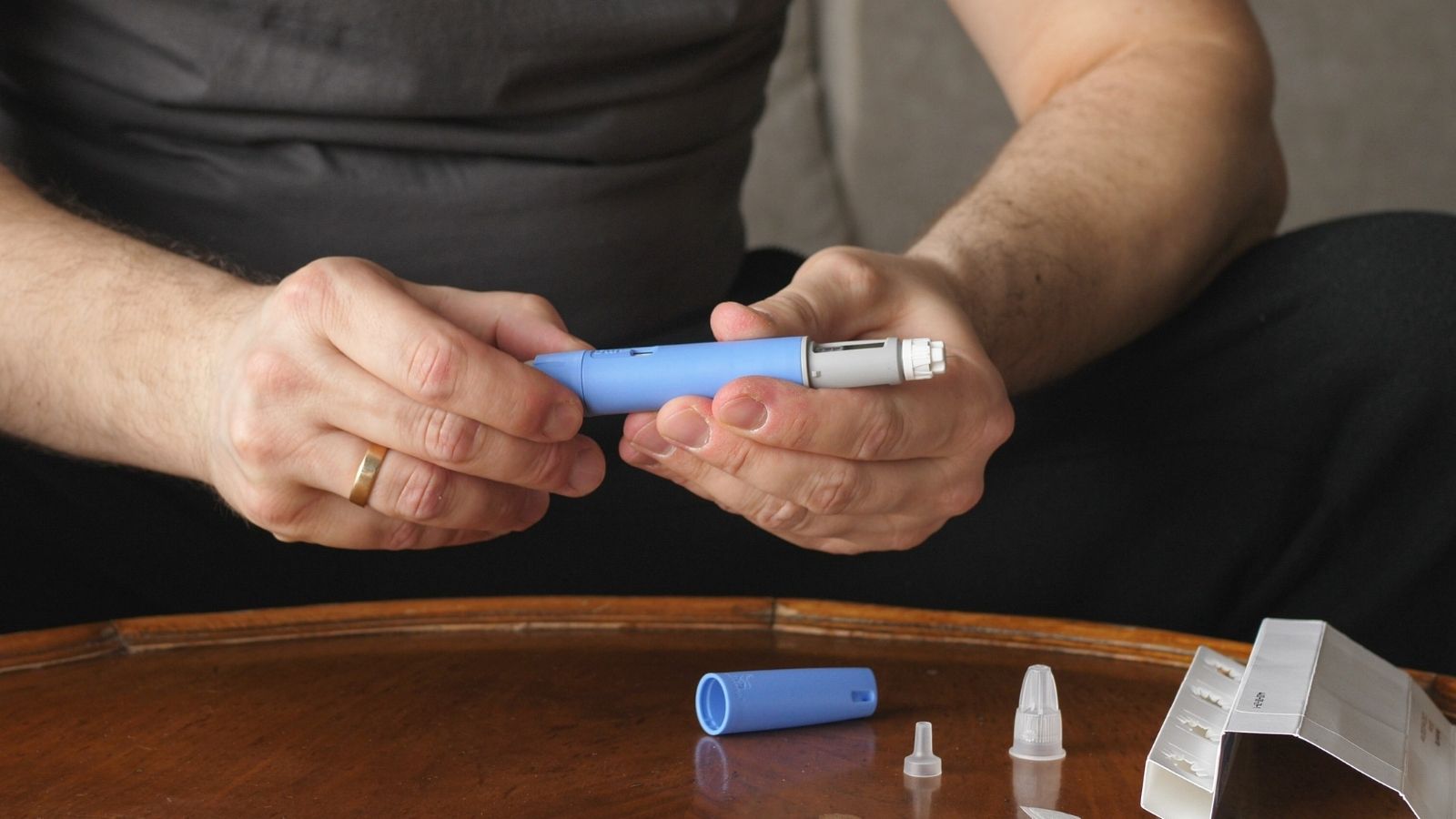


Rybelsus (oral semaglutide) is the first GLP-1 receptor agonist available in tablet form, prescribed to regulate blood glucose levels in the treatment of type 2 diabetes and to support weight loss by externally stimulating appetite regulation mechanisms. Although it functions as a medical appetite suppressant, it does not provide a permanent solution for the long-term management of obesity. Once treatment is discontinued, the risk of rapid weight regain (rebound) is extremely high. To overcome the body’s biological set point, naturally regulate appetite locally over the long term, and safely reprogram eating habits without the risks associated with surgery or incisions, gastric Botox—which prolongs gastric emptying time—is considered one of the most comfortable treatment options.
İçerik
What Is Rybelsus (Oral Semaglutide)?
Our digestive system maintains flawless communication with the brain and internal organs while processing the foods we consume. After eating, specialized cells lining the intestines release various hormones into the bloodstream. One of the most important of these hormones is GLP-1, a chemical messenger responsible for regulating satiety and blood glucose balance. Once released into circulation, this hormone quickly reaches the pancreas, stimulating insulin secretion. At the same time, it signals the stomach to slow gastric emptying and acts on the appetite center of the brain to initiate the feeling of fullness. However, the natural GLP-1 hormone produced by the human body is rapidly broken down and inactivated within just a few minutes by circulating enzymes. This rapid degradation serves as the body’s natural safety mechanism to prevent blood glucose from dropping excessively.
The active ingredient in Rybelsus tablets, semaglutide, is a synthetic hormone developed in the laboratory and engineered to resist these degrading enzymes. Under normal circumstances, swallowing protein- or peptide-based medications is generally ineffective because the stomach is a harsh environment filled with powerful acids and digestive enzymes specifically designed to break down proteins. Once swallowed, stomach acid recognizes such molecules as food and rapidly degrades them before they can enter the bloodstream.
The technological innovation that enables semaglutide to be taken orally is a special carrier molecule called sodium N-(8-[2-hydroxybenzoyl] amino) caprylate (SNAC), which surrounds the semaglutide molecule like a protective shield. Once the tablet reaches the stomach, the SNAC coating becomes active. It temporarily neutralizes the acidic environment immediately surrounding the tablet, reducing the corrosive effect of stomach acid. This allows the active ingredient to safely pass through the cells lining the stomach wall and enter the bloodstream. However, for this delicate chemical process to occur successfully, it depends entirely on the stomach being empty, its acid level, and the medication being taken exactly as directed.
How Is the Dosage of Rybelsus Adjusted and What Are the Rules for Its Use?
The chemical environment required for this medication to survive stomach acid and enter the bloodstream is so delicate that its instructions for use require changes to many daily habits. If the tablet is taken in the middle of the day, after eating, or together with meals, the SNAC protective mechanism largely loses its effectiveness, causing the medication to be digested and eliminated. To ensure optimal absorption, the tablet should be taken immediately upon waking in the morning, on a completely empty stomach, before consuming any food or beverages.
To preserve the tablet’s dissolution and absorption characteristics, it is recommended that the tablet be swallowed with only a small amount of plain water, generally no more than approximately 120 milliliters (about half a glass). The 30-minute period after swallowing the tablet is the most critical stage of treatment. During this time, nothing—including water—should be consumed. Morning habits such as drinking coffee, tea, or eating breakfast may alter stomach acidity and significantly reduce drug absorption.
To allow the body to gradually adapt to this powerful hormone, treatment does not begin with high doses. Instead, a stepwise dosing schedule is generally followed. This gradual approach is designed to promote adaptation. During the first month, patients usually receive a low starting dose (typically 3 mg). The goal of this phase is not immediate weight loss or dramatic glucose reduction but rather allowing the stomach and intestines to adapt to the medication. This adaptation period is particularly important for minimizing side effects such as nausea. Beginning in the second month, the dosage may be increased to the next level (7 mg) depending on the physician’s evaluation. Based on metabolic response and blood glucose control, maintenance doses of up to 14 mg may later be prescribed. Dose increases should always be gradual and based on the patient’s ability to tolerate the medication.
What Side Effects and Clinical Risks May Occur During Rybelsus Treatment?
Introducing such a powerful external intervention into the body’s digestive and appetite regulation systems naturally carries the possibility of side effects. Because gastric emptying slows, the brain’s satiety center remains continuously stimulated, and intestinal motility changes, gastrointestinal complaints are common in a significant proportion of patients.
Symptoms frequently observed during the first weeks of treatment or following dose escalation include:
- Nausea
- Vomiting
- Diarrhea
- Constipation
- Abdominal pain
- Loss of appetite
- Indigestion
- Heartburn
- Bloating
These side effects generally become milder over time as the body adapts to the medication. However, in some patients they may significantly reduce quality of life and even lead to treatment discontinuation. Severe nausea and vomiting may make adequate fluid intake difficult, resulting in dehydration. Dehydration can increase the workload of the kidneys and, in rare cases, contribute to acute kidney injury.
In addition, continuous stimulation of the pancreas may place stress on the organ, potentially contributing to pancreatitis. Severe, persistent abdominal pain radiating to the back requires immediate discontinuation of the medication and urgent medical evaluation. Rapid weight loss and delayed gastric emptying may also increase the risk of gallstone formation and gallbladder inflammation.
Patients scheduled for elective surgery requiring general anesthesia should also be aware of an important anesthetic consideration. Because the medication delays gastric emptying, the stomach may still contain food despite standard fasting periods before surgery. This increases the risk of pulmonary aspiration during anesthesia. For this reason, anesthesiologists and surgeons may recommend discontinuing the medication for an appropriate period before the procedure. Finally, long-term animal studies have demonstrated the development of specific thyroid tumors associated with this active ingredient. Therefore, individuals with a personal or family history of certain types of thyroid cancer are generally advised to avoid this treatment.
How Realistic Are Weight Loss Expectations with Rybelsus?
The primary approved indication and original purpose of this medication is the management of type 2 diabetes. However, because it suppresses appetite and increases satiety, it has also gained considerable attention as a treatment for obesity and weight loss. When weight reduction is the goal, however, the effects of oral semaglutide may often fall short of the high expectations many patients have.
Clinical studies have generally shown that patients treated with standard oral doses achieve modest weight loss after several months of therapy. While average reductions of several kilograms are common, achieving large reductions such as 20% or 30% of total body weight—sufficient to substantially reverse the severe metabolic burden of obesity—is difficult with oral therapy alone. Through thousands of years of evolution, the body has developed defense mechanisms that interpret weight loss as a sign of famine. As weight decreases, metabolic rate slows, and hormonal changes stimulate appetite in an attempt to restore lost fat stores. This phenomenon is known as the biological set point.
Medications temporarily suppress this biological resistance. While taking Rybelsus, artificial satiety signals reaching the brain reduce food intake. However, when treatment ends, previously suppressed hunger hormones often become even more active, resulting in rapid weight regain, commonly referred to as the rebound effect. This observation reinforces the idea that medical therapy alone is generally not a definitive long-term solution for obesity but rather a chronic supportive treatment requiring ongoing use.
Why Is Rybelsus Absorption Impaired After Major Anatomy-Altering Surgery, and Why May Gastric Botox Be a Safer Alternative?
Bariatric procedures such as sleeve gastrectomy and gastric bypass fundamentally alter the stomach’s anatomy, capacity, and hormonal physiology. If a patient who previously underwent one of these surgeries later experiences weight regain, orally administered Rybelsus tablets often fail to produce the expected pharmacological effects.
The primary reason is not poor drug quality but rather the inability of the surgically altered stomach to provide the environment required for proper absorption. A normal adult stomach functions as a large reservoir, holding food for hours while producing significant amounts of acid and mixing its contents. Following bariatric surgery, stomach volume is dramatically reduced and converted into a narrow sleeve or pouch. For the SNAC carrier system surrounding Rybelsus to function effectively, it requires sufficient stomach surface area, adequate acid production, and—most importantly—time. In a surgically altered stomach, even a small amount of water and the tablet itself cannot remain in place for the necessary 30 minutes. Because portions of the stomach or its normal passage have been altered or bypassed, the tablet may move into the intestine within minutes or even seconds. Furthermore, much of the stomach tissue responsible for acid production has been removed, preventing proper activation of the protective carrier system. As a result, the medication may leave the stomach before adequate absorption into the bloodstream occurs.
Rather than undergoing anatomy-altering procedures that may interfere even with oral medication absorption, local treatments such as gastric Botox, which preserve the organ’s integrity, may represent a safer alternative. Gastric Botox does not remove any portion of the stomach, thereby maintaining the natural anatomy and physiological absorption mechanisms of the digestive tract.
Why May Gastric Botox Be More Effective and Safer Than Rybelsus and Other Medical Treatments?
Excess body weight is not simply the result of poor willpower or overeating but rather reflects a complex biological cycle in which the body’s satiety signaling mechanisms become dysregulated. Systemic medications and hormone therapies such as Rybelsus circulate throughout the body and signal the brain that the individual is full, potentially producing systemic side effects. Gastric Botox, in contrast, directly slows gastric muscle contractions, promoting prolonged satiety through a local mechanism.
The philosophy behind gastric Botox differs substantially from that of medical therapy. Administered endoscopically through the mouth into selected regions of the stomach, botulinum toxin significantly slows gastric emptying. While systemic medications circulate daily through the bloodstream and affect organs such as the thyroid, pancreas, and liver, gastric Botox acts only on stomach muscles, allowing the stomach to remain physically full for longer periods and creating a natural sensation of fullness.
The principal digestive advantages of gastric Botox include:
- Safely prolonging gastric emptying time
- Reducing portion sizes effortlessly
- Producing a significant increase in physical satiety
- Reducing hunger attacks and food cravings
- Preserving 100% of gastric anatomy and organ integrity
- Eliminating the need for daily medication and reducing systemic side effects
This localized slowing effect is so comfortable that many patients notice they become satisfied with much smaller portions from the very first days. Unlike synthetic hormones administered daily through medication, the natural fullness created by gastric Botox operates continuously throughout the day. Rather than creating dependence on medication, it helps the stomach regain its own rhythm and portion control. Therefore, in carefully selected patients, gastric Botox may support healthier long-term eating habits and weight management while avoiding the burden associated with major medications.
How Can Gastric Botox Help Patients Who Regain Weight After Rybelsus or Similar Treatments?
The journey toward weight loss rarely follows a perfectly straight path. Whether through intensive dietary programs or prolonged medical therapy, the body often attempts to return to its previous state over time. High medication costs, systemic side effects, or fatigue from taking daily tablets or injections may cause patients to discontinue treatment, creating favorable conditions for significant weight regain. Once medication is stopped, hunger often intensifies and portion sizes gradually increase again. In such cases of recurrent weight gain, gastric Botox offers a non-surgical alternative that may help re-establish appetite control without returning to demanding medication cycles or high-risk surgical procedures.
Unlike bariatric surgery, gastric Botox produces no permanent anatomical alterations or organ loss, making it a particularly comfortable procedure. For patients who have spent years following restrictive diets, become exhausted by medications such as Rybelsus, and regained weight shortly after discontinuing treatment because of recurrent hunger, gastric Botox may provide an effective option.
Performed under sedation (light sleep), the procedure typically takes only 15–20 minutes and involves no surgical incision. Endoscopically injected botulinum toxin locally slows stomach muscle activity, restoring prolonged fullness without requiring patients to continuously expose themselves to powerful systemic medications. As a result, patients may achieve and maintain healthier body weight without the burden of daily tablets, repeated injections, or major surgery.

Op. Dr. Ahmet Bekin was born in Istanbul in 1983. He graduated from the Faculty of Medicine at Kocaeli University in 2006 and completed his specialty training in the Department of General Surgery at Istanbul University Çapa Faculty of Medicine in 2011. After his specialization, he worked in the fields of hernia surgery, reflux surgery, obesity surgery, advanced laparoscopic surgery, and robotic surgery. In addition, he received training in endocrine surgery, oncological surgery, and minimally invasive surgery. He is currently accepting patients from Turkey as well as from countries such as Germany and France at his private clinic located in Istanbul.