


*We recommend filling in all fields so that we can get back to you in the best way.
Femoral Hernia Surgery in Turkey
Femoral hernia surgery in Turkey is a dependable and effective procedure for repairing hernias that occur in the upper thigh, just below the groin. This condition is more common in women and can lead to discomfort or complications if left untreated. In Turkey, experienced surgeons use advanced surgical methods to repair the weakened area, aiming to prevent recurrence and ensure a safe recovery. State-of-the-art hospital facilities and a patient-focused approach contribute to a smooth treatment process.
Femoral hernia surgery cost in Turkey is typically much lower than in many Western countries while still providing high-quality medical care. The exact price can vary depending on the surgical technique, the patient’s health condition, and the chosen healthcare facility. Many medical travel packages offer comprehensive services, including pre-surgical evaluations, the operation itself, hospital stay, and follow-up care, making it a cost-effective choice.
Femoral hernia surgery results in Turkey are generally very successful, with most patients experiencing significant relief from discomfort and improved quality of life. Minimally invasive techniques are often preferred, as they can reduce post-operative pain, lower the risk of complications, and speed up the return to daily activities.
Femoral hernia surgery reviews in Turkey often reflect a high level of patient satisfaction. People frequently note the clear explanations given before surgery, attentive care during hospital stay, and the thorough follow-up process. The combination of skilled surgical expertise and compassionate patient care helps ensure both safety and comfort throughout the treatment journey.

General Surgery Specialist
Who is Dr. Ahmet Bekin?
Who is Dr. Ahmet Bekin?
Dr. Ahmet Bekin, one of the doctors performing hernia surgeries in Istanbul, is specialized in general surgery. Throughout his medical career, he has gained extensive experience in hernia, reflux, and obesity surgery, as well as advanced laparoscopic and robotic surgical applications. He serves his patients with modern approaches such as minimally invasive surgery, laser surgical treatments, single incision surgery (Single Incision Surgery), endocrine and oncological surgery. He is fluent in Turkish, English, and Arabic.
- 2000 – 2006 Kocaeli University Faculty of Medicine
- 2006 – 2011 Istanbul University Faculty of Medicine (Çapa), Department of General Surgery – Specialization
Certificates






| Definition | A rare type of hernia in which intra-abdominal tissues or bowel protrude toward the thigh region through the femoral canal. |
| Causes | Weakness in the abdominal wall, heavy lifting, chronic cough, constipation, birth trauma, sudden increases in intra-abdominal pressure. |
| Symptoms | Swelling, pain or discomfort in the groin or upper thigh, with pain that typically increases during walking, bending or physical activity. |
| Risk Factors | More common in women (especially those who have given birth), advanced age, obesity, chronic cough, diseases that raise intra-abdominal pressure. |
| Diagnostic Methods | Physical examination, ultrasonography, Computed Tomography (CT), Magnetic Resonance Imaging (MRI). |
| Treatment Methods | Surgical intervention is generally required. Repair is performed via open or laparoscopic techniques; mesh grafts are frequently used. |
| Complications | Intestinal obstruction, strangulated hernia, infection, chronic pain, recurrence. |
| Prevention Methods | Avoiding excessive weight gain, refraining from heavy lifting, treating chronic cough and constipation, strengthening the abdominal muscles. |
| Who Is Affected? | More common in women than in men and especially prevalent in individuals over 50 years of age. |
İçerik
What Is a Femoral Hernia?
A femoral hernia occurs when abdominal tissue, such as intestine or fat, pushes through a weak spot in the femoral canal near the groin or upper thigh. It is more common in women and may appear as a small bulge. While often asymptomatic, it can lead to pain or discomfort, especially when standing or lifting. Femoral hernias carry a higher risk of complications like strangulation and usually require surgical repair.
What Are the Causes of Femoral Hernia?
The development of a femoral hernia is related to anatomical structures, factors that raise intra-abdominal pressure and individual risks. Understanding these factors is crucial for early diagnosis and appropriate treatment.
The femoral canal is a natural passage between the abdomen and the thigh for lymphatic vessels. It is bordered anteriorly by the inguinal ligament, posteriorly by the pectineal ligament, medially by the lacunar ligament and laterally by the femoral vein. A wider femoral canal in women explains their higher incidence of femoral hernia. The canal’s inherent narrowness also makes it susceptible to any enlargement.
- Chronic Cough: Persistent coughing due to chronic obstructive pulmonary disease or smoking increases strain on the femoral canal and raises hernia risk.
- Constipation and Straining: Frequent straining during bowel movements increases abdominal-wall pressure and can trigger hernia formation.
- Heavy Lifting: Lifting heavy loads with improper technique causes sudden pressure spikes that may lead to herniation.
- Pregnancy: Increased abdominal pressure and hormonally induced connective-tissue laxity during pregnancy raise hernia risk, particularly in women.
- Obesity: Excess body weight constantly presses on the abdominal cavity, weakening muscles.
Connective-tissue weakening in older adults and female anatomy further elevate femoral-hernia risk. Lower-abdominal surgeries and genetic disorders that weaken connective tissue (such as Ehlers-Danlos or Marfan syndrome) also increase risk, as does a family history of hernia.
How Common Is Femoral Hernia?
Femoral hernias are a rare form of groin hernia and account for only 2 % to 8 % of all groin hernias. Although prevalence varies by demographic and geographic factors, accurate information is important for proper diagnosis and treatment.
A national Danish study found that femoral hernias represented 3 % of all groin-hernia repairs. Of these cases, 70.2 % occurred in women and 29.8 % in men. Globally, the burden of inguinal, femoral and abdominal hernias has increased, with a 36 % rise in prevalence cases between 1990 and 2019. However, age-standardized rates have fallen, reflecting improved access to surgery and advances in diagnosis and treatment.
Femoral hernias occur mainly in older adults, most frequently being diagnosed between forty and seventy years of age, with a peak around age fifty. This may be associated with age-related abdominal-wall weakness.
Women are at markedly higher risk than men, with a female-to-male ratio of about 5 : 1. Anatomical factors such as a wider pelvis and a larger femoral canal make women more susceptible.
Prevalence also varies geographically. For example, in Ghana femoral hernias constitute only 1.2 % of all groin hernias. Environmental, genetic and lifestyle factors may contribute to these differences.
*We recommend filling in all fields so that we can get back to you in the best way.
How Does a Femoral Hernia Develop?
A femoral hernia develops when abdominal contents protrude through the femoral canal, usually because of anatomical weakness. The process occurs in several stages, each related to the structural features of the femoral ring.
First, weakening or enlargement of the femoral ring sets the stage. Although the ring is bounded by strong structures, congenital weakness, age-related changes or chronic increases in intra-abdominal pressure (from chronic cough, constipation or heavy lifting) can cause it to widen and predispose to herniation.
Next, preperitoneal fat begins to move into the enlarged femoral canal—an initial step that is not yet considered a hernia but paves the way. Continued elevated abdominal pressure pushes the peritoneal sack through the ring and into the canal.
Formation of the hernia sac marks the definitive stage: the sac may contain omentum, small intestine or other intra-abdominal organs.
Finally, as the sac moves through the canal, it becomes externally visible. Following the femoral canal, the sac emerges through the saphenous opening in the fascia lata; externally it appears as a swelling in the upper thigh just below the inguinal ligament.
What Are the Symptoms of Femoral Hernia?
A femoral hernia can silently progress in its early stages yet carries a high risk of complications. Symptoms vary with hernia size, contents and the presence of complications.
The most common manifestation is a bulge or lump in the upper thigh just below the inguinal ligament. The swelling is more noticeable when standing or during activities that raise intra-abdominal pressure such as coughing or lifting. It may diminish or disappear when lying supine. Because the femoral canal is deep and the hernia often small, swelling may go unnoticed, especially in overweight individuals.
A dull ache or sense of heaviness in the groin is common. Pain can radiate to the hip and thigh and become worse with prolonged standing, straining due to constipation or physical activity. If the hernia is incarcerated or strangulated, pain becomes sharp and severe, indicating the need for urgent medical attention.
Occasionally, gastrointestinal symptoms such as nausea, vomiting, abdominal bloating and cessation of bowel movements appear. These signs may indicate intestinal obstruction or strangulation and require immediate evaluation.
Some femoral hernias are entirely asymptomatic in the early stage and are discovered incidentally on imaging for other reasons. Even without symptoms, treatment should be considered because of the risk of complications.
With incarceration the swelling becomes constant and tenderness increases. Strangulation produces severe pain, bluish skin discoloration, intestinal-obstruction signs and systemic deterioration—all requiring emergency surgery.
How Is Femoral Hernia Diagnosed?
Patients usually present with a swelling or pain in the groin, particularly below the inguinal ligament. The swelling becomes more apparent during activities that increase intra-abdominal pressure. In cases of incarceration or strangulation, acute groin pain, nausea, vomiting and abdominal distension—signs of intestinal obstruction—may be observed. Rapid diagnosis and surgical intervention are vital in these situations.
Physical examination is the cornerstone of diagnosis. Evaluation in both supine and standing positions is recommended. A mass below the inguinal ligament suggests a femoral hernia. During palpation it is important to distinguish a femoral from an inguinal hernia; femoral hernias lie lateral and inferior to the pubic tubercle. Obesity or a small hernia can reduce the sensitivity of physical examination.
When examination is insufficient or cases are complex, imaging supports diagnosis:
- Ultrasonography: High-resolution ultrasound is the first-line technique to assess the hernia sac and its contents. Because it is operator-dependent, an experienced radiologist is essential.
- Computed Tomography (CT): Provides detailed images of the hernia’s location and contents—especially useful if intestinal obstruction or strangulation is suspected.
- Magnetic Resonance Imaging (MRI): Offers detailed evaluation of soft tissues and helps differentiate other pathologies.
Clinical features of femoral hernia can be confused with conditions such as lymphadenopathy, saphenous-vein varix or femoral-artery aneurysm. Careful assessment and advanced tests when necessary ensure accurate diagnosis.
Contact us for detailed information and to schedule an appointment!
How Is Femoral Hernia Treated?
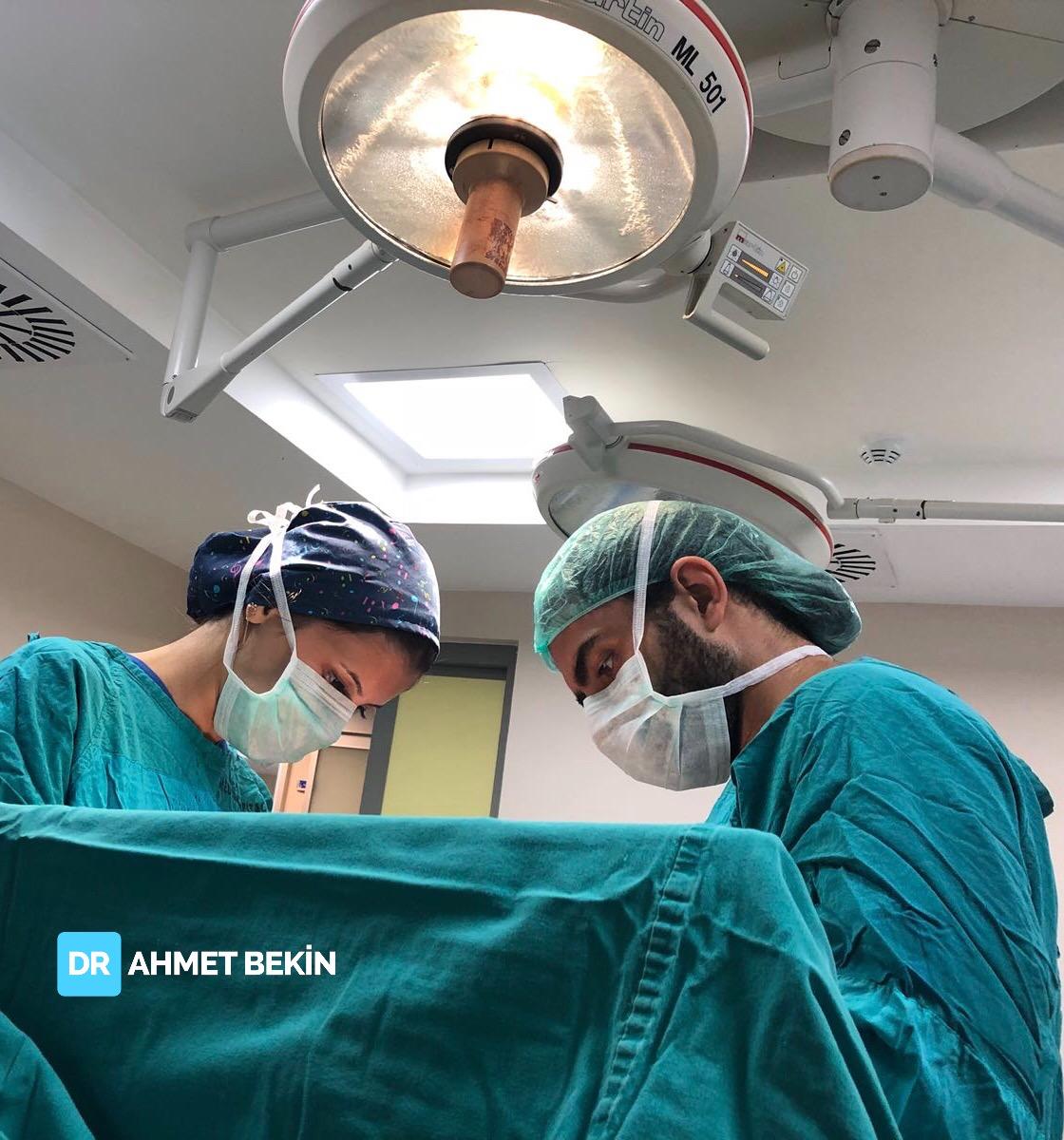
Treatment of a femoral hernia is almost always surgical, with the primary goal of returning herniated organs to their normal position and reinforcing the defect to prevent recurrence. The surgical technique depends on the patient’s overall health, hernia status and the surgeon’s experience.
Lockwood’s Infra-Inguinal Approach: Accesses the femoral canal via an incision below the inguinal ligament. Suitable for elective cases without bowel strangulation. After isolating the sac and returning its contents, the defect is closed, sometimes reinforced with mesh.
Lotheissen’s Trans-Inguinal Approach: Reaches the canal through an incision above the inguinal ligament, providing good exposure; however, insufficient reinforcement can risk a new hernia.
McEvedy’s High Approach: Uses an incision extending from the lower abdomen and is ideal in emergencies such as bowel strangulation. It allows full inspection of the canal and resection of non-viable bowel if required.
Mesh Repair: Modern tension-free techniques improve outcomes. The Lichtenstein repair places a flat mesh over the defect, promoting quick recovery. The plug-and-patch method (conical plug plus flat mesh) is now seldom used because of complications.
Minimally Invasive Options:
- Transabdominal Pre-Peritoneal (TAPP) Repair: Places mesh from inside the abdomen and permits simultaneous repair of other hernias.
- Total Extraperitoneal (TEP) Repair: Avoids entry into the peritoneal cavity, offering faster recovery and fewer complications.
Strangulation or bowel necrosis demands rapid surgery. In such cases McEvedy’s high approach optimizes exposure and treatment.
What Are the Complications of Femoral Hernia?
If untreated, femoral hernias can cause serious, life-threatening complications:
- Incarceration: Entrapment of herniated tissue that cannot be reduced, often leading to intestinal obstruction, severe abdominal pain, nausea and vomiting.
- Strangulation: A progression of incarceration in which blood flow is cut off, leading to tissue necrosis and gangrene—an absolute surgical emergency.
- Intestinal Obstruction: Blockage of the herniated bowel segment can cause bloating, constipation and severe pain, potentially progressing to perforation.
- Peritonitis: Rupture of strangulated intestine can infect the peritoneum, causing intense pain, fever and systemic deterioration.
When Can Femoral Hernia Be Treated?
Treatment timing depends on symptoms and complication risk. Symptomatic femoral hernias generally require surgery because pain, discomfort or visible swelling worsens with activity and affects quality of life. Elective surgery relieves symptoms and prevents serious complications.
Because femoral hernias are prone to strangulation even when asymptomatic, surgical repair is usually advised. Many guidelines recommend surgery in women regardless of symptoms to minimize risk.
Emergencies are an exception: incarceration or strangulation causes obstruction or ischemia, necessitating immediate surgery. Delay can lead to bowel necrosis and more complex operations. Studies show that femoral hernias frequently present as emergencies, increasing postoperative risks.
Surgical approach is chosen according to patient characteristics and surgeon expertise. Less invasive methods suit elective cases, while open or laparoscopic surgery is chosen in emergencies. Timing and technique are decided jointly by patient and surgeon after individual risk assessment.
When Can Femoral Hernia Not Be Treated?
Although surgery is standard, certain situations contraindicate or delay treatment.
General Contraindications:
- Inoperable Patients: Those with severe comorbidities or poor overall status (e.g., serious cardiac or pulmonary disease) may face greater surgical risks than benefits.
- Local Factors: Active infection, tumor or aneurysm in the abdominal wall may render the surgical field unsuitable, potentially spreading infection or worsening the condition.
Patient-Specific Factors:
- Intolerance to General Anesthesia: Cardiopulmonary comorbidities may preclude general anesthesia or the pneumoperitoneum used in laparoscopy; local or regional anesthesia for open repair may be an alternative.
- Previous Surgeries or Radiotherapy: Altered anatomy after pelvic surgery or radiotherapy can complicate surgical approach, especially laparoscopic methods, raising complication risk.
- Active Infections: Use of synthetic mesh is contraindicated in local or systemic infection; surgery should follow infection control.
- Pregnancy: Elective femoral-hernia repair is usually postponed until after delivery; physiological changes during pregnancy can affect outcomes.
Procedure-Specific Contraindications:
- Laparoscopic Repair: Adhesions from prior surgery or strangulated hernia may make laparoscopy unsuitable; open surgery is preferred in bowel necrosis.
- Manual Reduction: Attempting to reduce a strangulated hernia risks worsening necrosis and is contraindicated—emergency surgery is required.
What Is the Recovery Process After Femoral-Hernia Surgery?
| Recovery Time | Return to daily life is possible within one to two weeks after laparoscopic repair; complete recovery after open surgery may take four to six weeks. |
| Pain and Discomfort | Pain and tightness may occur in the groin–lower abdomen region; analgesics control discomfort during the first days. |
| Physical Activity | Rest and short walks are recommended in the first week. Avoid heavy lifting and sudden movements for four to six weeks. |
| Suture Care | Keep the dressing clean and dry. Sutures are generally absorbable, but dressing care is important after open surgery. |
| Return to Work | Non-physical work can resume within one to two weeks; physically demanding jobs may require four to six weeks of rest. |
| Bathing | Showering is usually allowed forty-eight hours after laparoscopic procedures; timing after open surgery depends on the dressing. |
| Nutrition | Eat fiber-rich foods and drink plenty of fluids to prevent constipation and avoid straining. |
| Testicular Swelling (in Men) | Rarely, hernias descending into the groin can cause scrotal swelling; usually temporary. Consult a physician if pain is severe. |
| Sleeping Position | Lying on the back with the legs slightly elevated can be comfortable; avoid positions that press on the groin. |
| Complications | Infection, bleeding, recurrence, vascular or nerve injury may occur. |
| Follow-Up Examination | Usually scheduled within the first postoperative week to check sutures and healing. |
| Sexual Activity | Delay for two to three weeks, depending on pain and healing; avoid pressure on the lower abdomen. |
Recovery depends on the surgical method and overall health. Patients are monitored until anesthesia wears off and vital signs stabilize. Early mobilization—walking within twenty-four hours—helps speed recovery and prevent complications.
Pain control is critical. Most patients obtain adequate relief with non-steroidal anti-inflammatory drugs; opioids are reserved for severe pain. Proper technique and nerve preservation during surgery also reduce chronic pain risk such as post-herniorrhaphy pain syndrome.
Return to normal activities varies: laparoscopic repairs allow quicker recovery, while open surgery takes longer. Light activity can begin in a few days, but heavy lifting or strenuous exercise should be avoided for four to six weeks. Adhering to medical advice preserves long-term quality of life and prevents recurrence.
How Can Femoral Hernia Be Prevented?
Several measures can reduce femoral-hernia risk by controlling factors that raise intra-abdominal pressure and strengthening abdominal-wall support.
Maintaining a healthy weight lowers abdominal pressure. A balanced diet rich in fiber, avoidance of processed foods and adequate hydration help weight control.
When lifting, bend your knees, keep your back straight and hold the object close, using leg muscles to reduce abdominal strain.
Strengthening core muscles with exercises such as Pilates and planks supports the abdominal wall.
Prevent constipation through fiber-rich diet, fluids and medical advice if necessary, avoiding straining that increases pressure.
Treat persistent cough and quit smoking to reduce chronic abdominal strain and strengthen connective tissue.
Avoid excessive physical exertion or use support equipment when needed.
If you have a hernia history or genetic predisposition, regular medical check-ups allow early intervention.
What Are the Average 2026 Femoral Hernia Surgery in Turkey Prices?
Please contact us for the average Femoral Hernia Surgery in Turkey prices.
Reviews from Those Who Have Had Femoral Hernia Surgery in Turkey
You can check out Dr. Ahmet Bekin’s patient reviews on Google Maps.
Frequently Asked Questions
How long does femoral-hernia surgery take?
Femoral-hernia repair usually takes thirty to sixty minutes. The choice of open or laparoscopic technique, hernia size and the patient’s health can affect duration. Simple cases finish sooner, whereas additional complications require longer surgery.
Which department or doctor should I see for a femoral hernia?
A femoral hernia—seen in the groin, particularly the upper thigh—can cause incarceration or strangulation. Pain and swelling are primary signs. In advanced stages, intra-abdominal organs may be affected. Diagnosis and treatment fall under General Surgery; surgery is performed if necessary.
What is the best lying position after femoral-hernia surgery?
In the first days, lying on your back or with the head slightly elevated can be comfortable. Support the legs slightly bent to reduce abdominal load. Use pillows or a soft blanket to find a comfortable angle and follow your doctor’s recommended rest posture.
How many days of hospitalization are needed after femoral-hernia surgery?
Many patients are discharged the same day after laparoscopic or small hernia repair. Open surgery or complicated cases usually require one or two days in hospital. After discharge, move carefully, attend follow-ups and take prescribed medications.
What happens if femoral-hernia surgery is not performed?
Femoral hernias have a higher strangulation risk than inguinal hernias. If untreated, bowel entrapment, circulation disorders and tissue death may occur, posing life-threatening dangers. Emergency surgery under such conditions carries higher complication and mortality rates. Early surgery greatly reduces these risks.
What should be avoided after femoral-hernia surgery?
For four to six weeks avoid heavy lifting and intense abdominal exercises. Stay away from pools, saunas or long baths until the wound heals. Eat fiber-rich foods and drink plenty of water to prevent constipation and avoid straining.
Contact us for detailed information and to schedule an appointment!
Blog Posts
Reviews & Complaints from Patients Who Had Gallbladder Surgery
Dr. Ahmet Bekin » Gall Bladder » Reviews & Complaints from Patients Who Had Gallbladder [...]
22
Jul
Jul

Reviews & Complaints from Patients Who Had Gastric Botox
Dr. Ahmet Bekin » Gastric Botox » Reviews & Complaints from Patients Who Had Gastric [...]
22
Jul
Jul

Reviews & Complaints from Patients Who Had Hiatal Hernia Surgery
Dr. Ahmet Bekin » Umbilical hernia » Reviews & Complaints from Patients Who Had Hiatal [...]
22
Jul
Jul

Reviews & Complaints from Patients Who Had Inguinal Hernia Surgery
Dr. Ahmet Bekin » Inguinal Hernia » Reviews & Complaints from Patients Who Had Inguinal [...]
22
Jul
Jul
Reviews & Complaints from Patients Who Had Umbilical Hernia Surgery
Dr. Ahmet Bekin » Umbilical hernia » Reviews & Complaints from Patients Who Had Umbilical [...]
22
Jul
Jul
What Happens If an Inguinal Hernia Bursts?
Dr. Ahmet Bekin » Inguinal Hernia » What Happens If an Inguinal Hernia Bursts?If an [...]
23
Jun
Jun
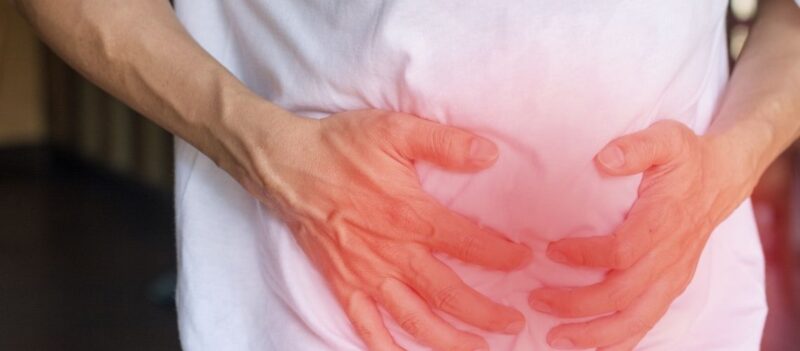
Is Non-Surgical Treatment for Inguinal Hernia Possible?
Dr. Ahmet Bekin » Inguinal Hernia » Is Non-Surgical Treatment for Inguinal Hernia Possible?Non-surgical treatment [...]
23
Jun
Jun
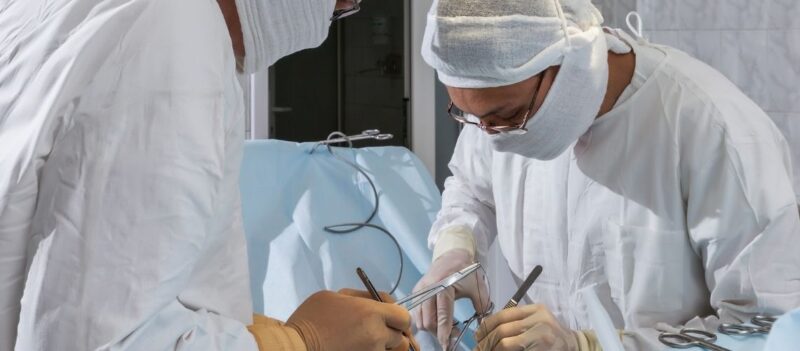
How Long Does Inguinal Hernia Surgery and Recovery Take?
Dr. Ahmet Bekin » Inguinal Hernia » How Long Does Inguinal Hernia Surgery and Recovery [...]
23
Jun
Jun