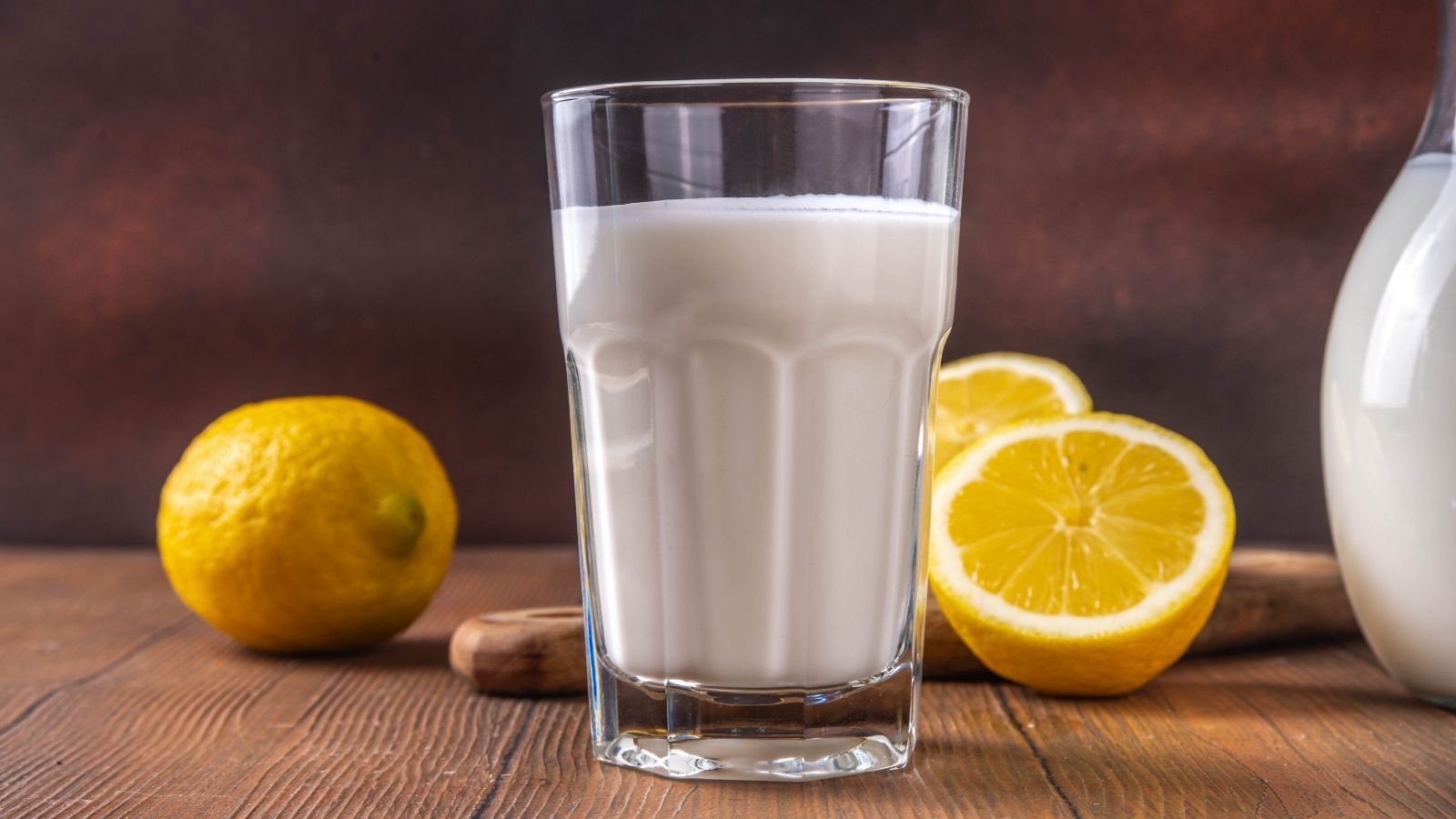


A healthy diet is not only about losing weight; it aims to provide all the nutrients the body needs in a balanced way. This improves overall health, reduces the risk of chronic diseases, and increases energy levels. For example, according to the World Health Organization, an unbalanced diet is responsible for approximately 20% of deaths worldwide. This statistic clearly demonstrates the direct impact of healthy nutrition on our quality of life.
İçerik
Basic Nutritional Needs of the Body
For a diet to be healthy, it must include essential nutrient groups such as carbohydrates, protein, fat, vitamins, and minerals. These nutrients are essential for the body’s energy production, cell repair, immune system functions, and many other vital processes. A balanced nutrition plan should fully meet these needs.
- The Role of Carbohydrates
Carbohydrates are the body’s main source of energy. Complex carbohydrates such as whole grains, vegetables, and fruits provide long-lasting energy by slowing digestion. Simple carbohydrates, on the other hand, such as sugary foods and white flour products, provide quick energy but may cause sudden fluctuations in blood sugar.
- The Importance of Proteins
Proteins are critically important for the building and repair of muscle tissue and the production of enzymes and hormones. Meat, chicken, fish, eggs, dairy products, legumes, and nuts are good sources of protein. Adequate protein intake also helps with weight control by increasing the feeling of fullness.
- Functions of Fats
Healthy fats are necessary for hormone production, vitamin absorption, and the protection of cell membranes. Unsaturated fats obtained from sources such as olive oil, avocado, walnuts, almonds, and oily fish should be preferred. Trans fats and excessive saturated fats should be avoided.
Functions of Vitamins and Minerals in the Body
Vitamins and minerals are micronutrients needed in small amounts for the body to function properly. They support the immune system, play a role in energy metabolism, and protect bone health. Adequate intake from every food group prevents deficiencies in these micronutrients.
- Classification and Sources of Vitamins
They are divided into two groups: fat-soluble vitamins (A, D, E, K) and water-soluble vitamins (C and B vitamins). Vitamin A is abundant in carrots, vitamin C in oranges, vitamin D in sunlight and fish, and B vitamins in whole grains.
- The Role of Minerals in Body Functions
Calcium is important for bone and dental health, iron for oxygen transport, and potassium for fluid balance and nerve transmission. Dairy products are rich in calcium, red meat in iron, and bananas in potassium.
How Is a Healthy Diet List Prepared?
Creating a personalized diet list varies according to the individual’s age, gender, activity level, health condition, and nutritional preferences. Therefore, receiving support from a professional dietitian is the most appropriate approach. However, knowing the general principles may guide you when creating your own list.
Evaluation of Health Status
Before starting any diet program, you should consider your current health condition. If you have a chronic disease such as diabetes, heart disease, or kidney failure, you must consult your doctor. Working with a dietitian in accordance with your doctor’s approval and guidance is the safest approach.
- The Relationship Between Chronic Diseases and Diet
Diabetes patients should eat in a way that maintains blood sugar balance, hypertension patients should limit salt intake, and kidney patients should pay attention to protein and potassium intake. These conditions form the basis of the diet.
- Identification of Allergies and Intolerances
If you have lactose intolerance, gluten sensitivity, or an allergy to certain foods, you need to remove these foods from your diet. Alternatives that prevent nutritional value loss should be added in place of the removed foods.
Calculation of Energy Needs
The amount of calories you need to consume daily varies according to your age, gender, weight, height, and activity level. Your basal metabolic rate, which is the energy your body uses while at rest, and your physical activity level determine your total energy needs.
- Basal Metabolic Rate (BMR) and Activity Factor
BMR can be calculated using formulas such as Harris-Benedict or Mifflin-St Jeor. This value is multiplied by the activity factor to determine total daily energy needs. For example, while the BMR of an average man is 1800 kcal, a person with a lightly active lifestyle may need approximately 2400-2600 kcal per day.
- Calorie Adjustment According to Weight Loss or Gain Goals
For weight loss, it is recommended to consume 500-1000 kcal less than your daily calorie requirement, and for weight gain, 500-1000 kcal more. However, these adjustments should be made by healthcare professionals.
Planning the Distribution of Macro and Micronutrients
After your energy needs are determined, it is planned how much of this energy will be obtained from each food group. In general, the distribution of macronutrients for a healthy diet is as follows:
- Carbohydrates: 45-65% of energy
- Protein: 15-25% of energy
- Fat: 20-35% of energy
These ratios may be adjusted according to the person’s goals and health condition. For example, individuals who exercise may keep their protein intake higher.
Sample Daily Meal Plan (for 2000 kcal)
This is only an example and should be personalized:
- Breakfast: 2 slices of whole wheat bread, 1 boiled egg, tomato, cucumber, 5-6 olives, 1 slice of low-fat cheese. (Approximately 450-500 kcal)
- Snack: 1 handful of almonds or 1 serving of fruit. (Approximately 150-200 kcal)
- Lunch: 1 serving of grilled chicken or fish, plenty of green salad with olive oil dressing, 4-5 tablespoons of bulgur pilaf. (Approximately 600-700 kcal)
- Snack: Yogurt or kefir. (Approximately 150-200 kcal)
- Dinner: 1 bowl of vegetable soup, 1 serving of vegetables cooked with olive oil, such as spinach or zucchini, and 1 bowl of yogurt. (Approximately 400-500 kcal)
Selection and Preparation of Foods
When creating a diet list, it is important to prefer unprocessed, fresh, and seasonal foods. Cooking methods also affect nutritional value.
- Preference for Unprocessed Foods
Fresh vegetables, fruits, whole grains, legumes, and lean protein sources should be preferred instead of processed foods such as packaged products, ready-made sauces, sugary beverages, and fast food. For example, consuming freshly squeezed fruit juice or whole fruit instead of packaged fruit juice is healthier.
- The Effect of Cooking Methods on Nutritional Value
Methods such as boiling, baking, grilling, and steaming are healthier than frying. Frying increases the fat content of foods and may reduce their nutritional value. In addition, cooking at high temperatures for a long time may cause the loss of certain vitamins.
The Importance of Fluid Consumption
Water is vital for body functions. Adequate daily water consumption accelerates metabolism, helps eliminate toxins, and supports skin health. Drinking an average of 8-10 glasses, or 2-2.5 liters, of water per day is recommended.
- Healthy Beverages That Can Be Consumed Besides Water
Unsweetened herbal teas, kefir, ayran, and freshly squeezed vegetable juices are also healthy beverage alternatives. However, sugary drinks, carbonated beverages, and excessively caffeinated drinks should be avoided.
Healthy Diet List Examples and Practical Tips
Examples of diet lists for different needs and the points to consider when putting these lists into practice are detailed below.
Weight Loss-Oriented Diet List
Weight loss diets aim to create a calorie deficit. These diets generally emphasize fiber-rich foods, protein, and vegetables. Portion control and not skipping meals are important. For example, a combination such as chicken breast, plenty of green salad, and a bowl of yogurt may be preferred for one meal.
- How Is Portion Control Practiced?
Methods such as choosing smaller plates, determining portions by weighing foods or using measuring cups, and using a fork instead of a spoon help with portion control. Eating meals slowly also increases the feeling of fullness.
- The Role of Fiber-Rich Foods
Fiber-rich foods such as whole grains, vegetables, fruits, and legumes slow digestion, prolong the feeling of fullness, and balance blood sugar. This prevents overeating.
Weight Gain-Oriented Diet List
Weight gain diets aim to increase muscle mass. Higher calorie and protein intake is important in these diets. Healthy fat sources are also an important part of the diet. For example, adding avocado, nut butters, or olive oil to meals increases calorie intake.
- Foods with High Calorie Density
Foods such as nuts, dried fruits, full-fat dairy products, peanut butter, and avocado provide high calories in a small volume. Calorie intake can be increased by adding these foods to snacks or meals.
- Use of Protein Supplements
If adequate protein intake cannot be achieved through nutrition, supplements such as protein powders or protein bars may be used upon the recommendation of a doctor or dietitian. However, natural food sources should always be the priority.
Diabetic Diet List
Diabetic diets aim to keep blood sugar balanced. Simple sugars and processed carbohydrates are avoided. Whole grains, vegetables, and balanced protein intake are prioritized. Blood sugar monitoring and regular meals are critical.
- Foods with a Low Glycemic Index
Foods with a low glycemic index raise blood sugar more slowly. Whole grains, legumes, fiber-rich vegetables, and most fruits fall into this category. Foods with a high glycemic index, such as rice and potatoes, should be consumed carefully.
- The Importance of Meal Timing
Meal timing is very important for diabetes patients. Eating meals at regular intervals and at the same times helps prevent blood sugar fluctuations.
Vegetarian and Vegan Diet Lists
Animal-based foods are not consumed in these diets. While vegetarians may consume dairy products and eggs, vegans also avoid these products. In these diets, attention should be paid to adequate intake of nutrients such as vitamin B12, iron, zinc, and omega-3.
- Plant-Based Protein Sources
Lentils, chickpeas, beans, tofu, tempeh, quinoa, nuts, and seeds are the main sources of plant-based protein. Protein needs can be met through the variety of these foods.
- Vitamin B12 and Other Micronutrients
Vitamin B12 is found only in animal sources. Vegans must take this vitamin as a supplement. To increase iron and zinc absorption, it is recommended to consume them together with sources of vitamin C such as oranges and peppers.
Common Mistakes Made While Dieting and Their Solutions
Many people make certain common mistakes while dieting. Being aware of these mistakes and applying the right strategies increases the chance of success.
- Excessively Restrictive Diets
Some diets completely prohibit certain food groups or excessively reduce calorie intake. Such diets are not sustainable and may lead to health problems. In the long term, they may cause greater weight gain.
Balance Between Sustainability and Social Life
A healthy diet should be compatible with social life. Excessive restrictions make eating in social settings difficult and reduce motivation. A balanced approach makes it possible to maintain both healthy nutrition and social life.
- Insufficient Fluid Consumption
Water is essential for metabolism. Not drinking enough water while dieting may slow metabolism and cause headaches and fatigue. It is important to drink at least 2-2.5 liters of water per day.
- Skipping Meals
Skipping meals may cause you to eat more at the next meal and may slow metabolism. Regular and balanced meals keep blood sugar levels stable and maintain energy levels.
- Expectation of Quick Results
A healthy weight loss or weight gain process takes time. Expecting quick results may lead to disappointment and the use of unhealthy methods. It is important to be patient and focus on the process.
Expert Opinions and Scientific Evidence
Expert opinions and scientific research on healthy nutrition are important for obtaining accurate information.
- Recommendations of Dietitians
Dietitians emphasize the importance of personalized plans. “Every individual’s metabolism, genetic structure, and lifestyle are different. Therefore, there cannot be a single diet list that suits everyone,” says Specialist Dietitian Ayşe Yılmaz.
- Findings of Nutrition Research
Various studies have shown that the Mediterranean diet protects heart health and that fiber-rich foods reduce the risk of obesity and type 2 diabetes. For example, a meta-analysis published in 2019 revealed that the risk of cardiovascular disease decreased by up to 25% in individuals who followed the Mediterranean diet.
The Mediterranean Diet and Its Benefits
The Mediterranean diet is based on consuming plenty of vegetables, fruits, whole grains, olive oil, fish, and nuts. This diet has been proven to be effective in preventing chronic diseases and extending lifespan.
- Recommendations of International Health Organizations
Organizations such as the World Health Organization (WHO) and the American Heart Association (AHA) provide general guidelines for healthy nutrition. These guidelines recommend limiting processed foods, increasing vegetable and fruit consumption, and engaging in regular physical activity.
Frequently Asked Questions
What is a healthy diet and what are its main characteristics?
How is a healthy diet list prepared and what should be considered?
Which food groups should be included in a healthy diet program?
Is skipping meals an appropriate method while following a healthy diet?
Is a healthy diet necessary for losing weight?
Can bread and carbohydrates be consumed on a healthy diet list?
Why is water consumption important while following a healthy diet?
Should a healthy diet list be prepared individually?
What mistakes should be avoided while following a healthy diet?
Is it necessary to receive support from a dietitian for a healthy diet?

Op. Dr. Ahmet Bekin was born in Istanbul in 1983. He graduated from the Faculty of Medicine at Kocaeli University in 2006 and completed his specialty training in the Department of General Surgery at Istanbul University Çapa Faculty of Medicine in 2011. After his specialization, he worked in the fields of hernia surgery, reflux surgery, obesity surgery, advanced laparoscopic surgery, and robotic surgery. In addition, he received training in endocrine surgery, oncological surgery, and minimally invasive surgery. He is currently accepting patients from Turkey as well as from countries such as Germany and France at his private clinic located in Istanbul.