

Watermelon does not cause weight gain when consumed in moderation thanks to its high water content and low calorie density, and it can be included in diet plans in controlled portions. It contains approximately 30 kcal per 100 grams and is fat-free. However, if portion control is not maintained, it may lead to excessive carbohydrate intake.
Consuming watermelon during a diet may help meet fluid requirements, especially during the summer months, and may reduce sweet cravings. Its high water content supports satiety, while its natural sugar content makes it more suitable as a snack rather than a main meal.
The glycemic index of watermelon and portion control are key factors to consider in weight management. Although it has a high glycemic index, it has a low glycemic load. Therefore, it is recommended to consume it together with a source of protein or fiber as part of a balanced nutrition plan.
The frequency of watermelon consumption during the weight loss process should be determined according to the individual’s daily calorie needs and metabolic condition. In the presence of diabetes, insulin resistance, or metabolic syndrome, portion size should be limited. The nutrition plan should be personalized.
İçerik
Nutritional Value and Energy Content of Watermelon
Approximately 90–92% of watermelon consists of water. One hundred grams of watermelon provides an average of 30 kcal of energy. Compared to many desserts and processed snacks, this value is relatively low.
In addition, watermelon contains:
- Carbohydrates (primarily fructose),
- Vitamin C,
- Beta-carotene, the precursor of vitamin A,
- Lycopene (a carotenoid with antioxidant properties),
- Minerals such as potassium.
The important point here is that watermelon is a low-calorie fruit with a high glycemic index (GI). The glycemic index refers to how quickly a food raises blood sugar levels. Although watermelon has a high glycemic index, its glycemic load (GL) is moderate because the amount of carbohydrates per serving is relatively low. This distinction is important for weight management.
Does Watermelon Cause Weight Gain?
No single food directly causes weight gain on its own. Weight gain primarily results from an imbalance between energy intake and energy expenditure. When daily calorie intake exceeds daily energy needs, the body may store the excess energy as body fat.
Watermelon may contribute to weight gain in the following situations:
- When consumed in large and uncontrolled portions
- When daily total carbohydrate intake is already high and additional large amounts are consumed
- When eaten in addition to meals rather than replacing part of a meal
For example, one or two thin slices of watermelon (approximately 150–200 grams) contain an average of 45–60 kcal, whereas consuming half of a small watermelon may provide 300–500 kcal. If repeated regularly, this difference may make weight control more difficult.
Therefore, it is not watermelon itself, but rather the inability to maintain portion control that may contribute to weight gain.
Can You Eat Watermelon While Dieting?
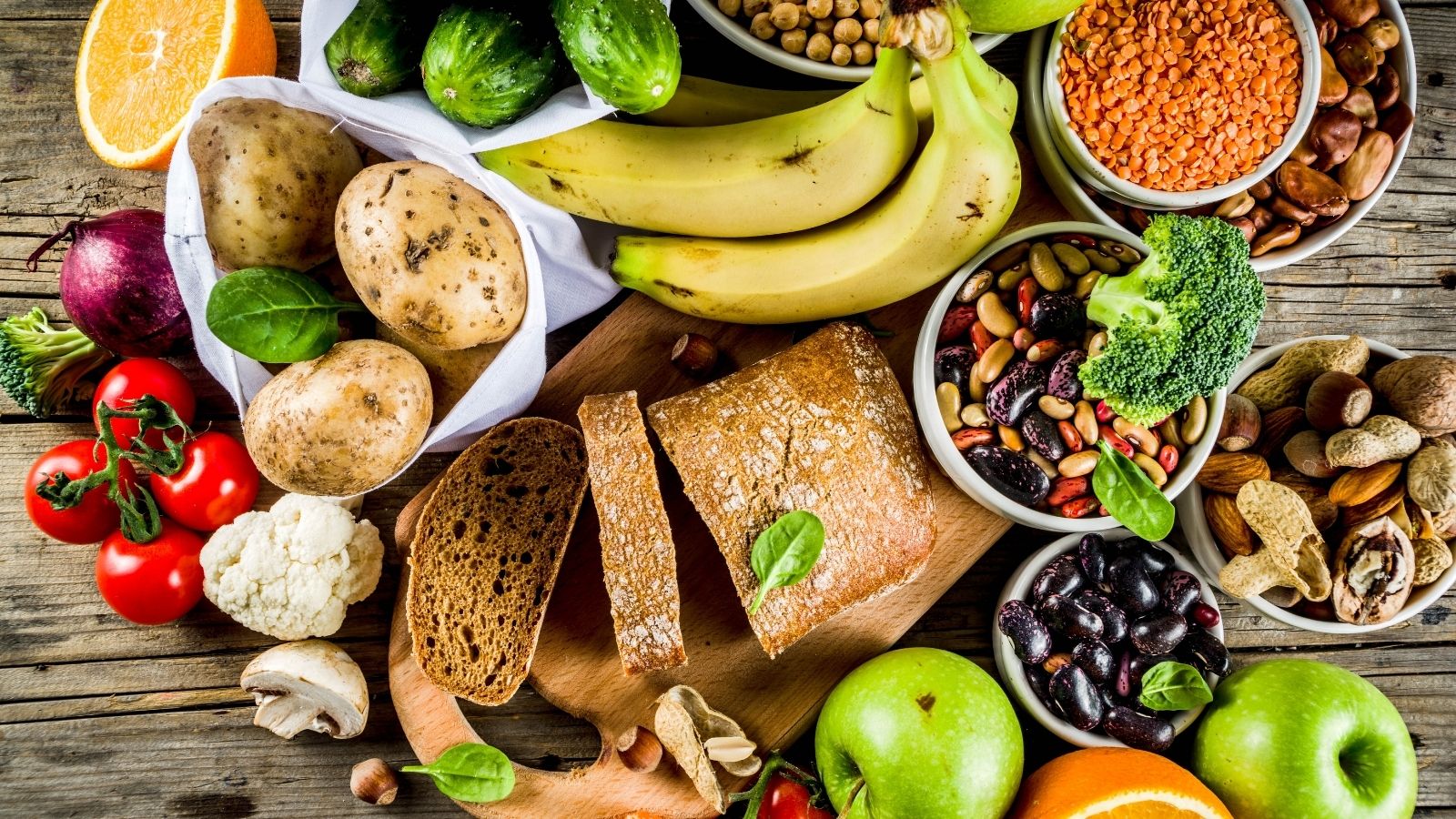
For individuals aiming for general weight control, watermelon can be included in a nutrition plan with appropriate portions and timing. Fruits are an important part of a balanced diet due to their fiber, vitamin, mineral, and antioxidant content.
Watermelon may be included in a diet in the following situations:
- When looking for a lower-calorie alternative to satisfy sweet cravings
- To help support fluid intake during the summer months
- When consumed as a controlled-portion snack
However, an important point to remember is that watermelon contains less fiber than some other fruits. Fiber slows stomach emptying and prolongs satiety. Therefore, when watermelon is consumed alone, blood sugar may rise more quickly, leading to hunger again within a short period.
To help balance this effect:
- Pairing watermelon with a protein source such as yogurt
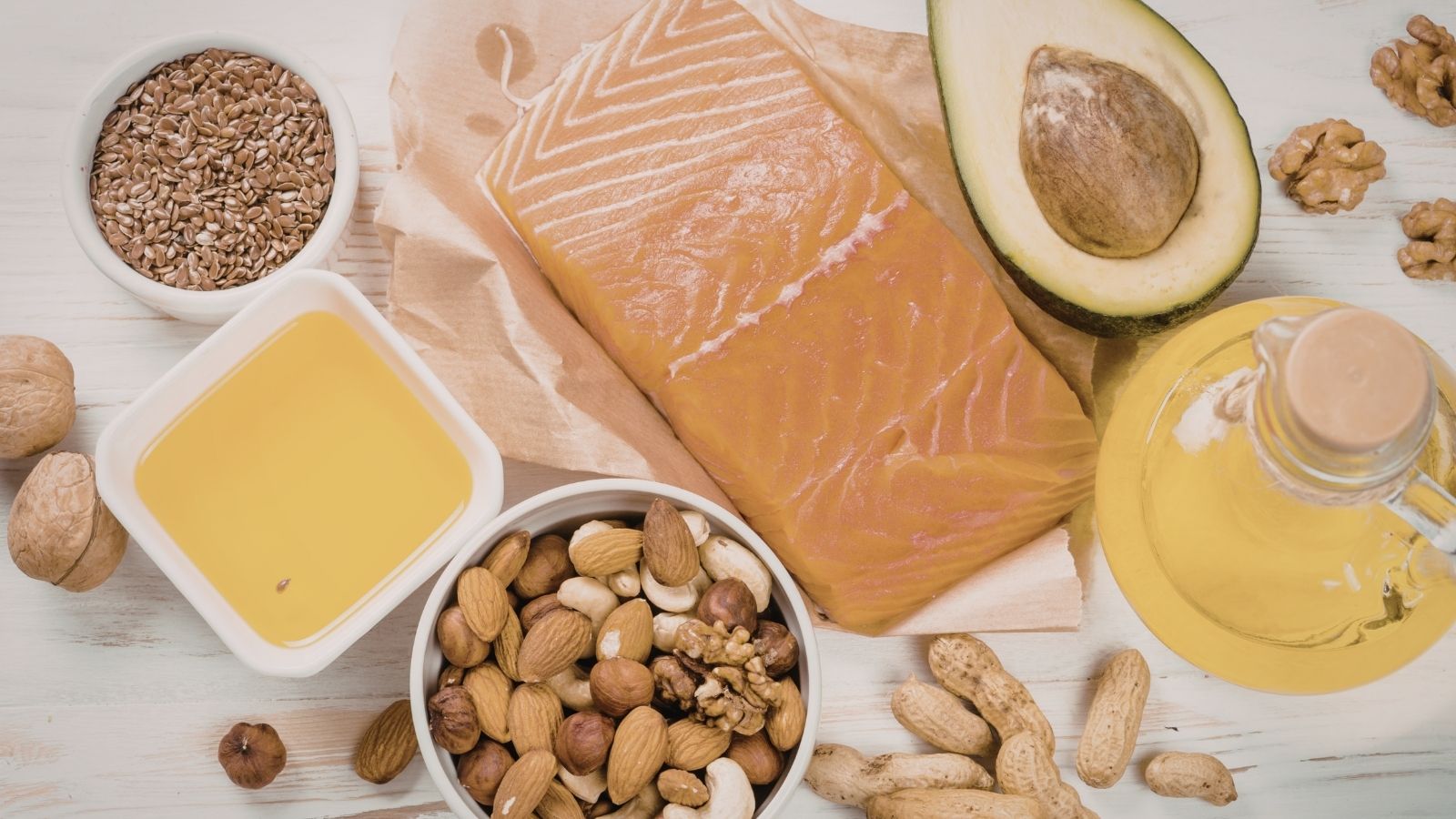
- Combining it with healthy fat sources such as nuts
may help reduce blood sugar fluctuations. This approach is important for balancing the glycemic response.
The Relationship Between Watermelon and Blood Sugar
The fructose contained in watermelon is absorbed in the small intestine and metabolized in the liver. Excessive fructose consumption may be associated with the development of insulin resistance in the long term; however, this generally applies to processed sugar sources.
The fructose obtained from fruit produces a different metabolic response thanks to its fiber and water content. Nevertheless, consuming excessive amounts of watermelon may cause blood sugar fluctuations, particularly in physically inactive individuals.
In healthy individuals maintaining general weight control, moderate consumption is generally not a problem. However, if metabolic conditions such as insulin resistance, prediabetes, or diabetes are present, the nutrition plan should always be individualized.
The Effect of Watermelon on Satiety
Thanks to its high water content, watermelon may temporarily increase stomach volume and create a short-term feeling of fullness. However, because it is low in protein and fat, this satiety is not long-lasting.
For this reason, meals consisting only of watermelon may lead to hunger within a few hours. In the long term, this may contribute to an increase in total calorie intake. A balanced meal plan provides more sustainable results for weight control.
In Which Situations Should It Be Consumed with Caution?
Portion control becomes even more important in the following situations:
- Insulin resistance
- Prediabetes
- Type 2 diabetes
- Metabolic syndrome
- Obesity treatment
For these individuals, carbohydrate intake should be distributed evenly throughout the day. There is no single portion recommendation suitable for everyone. The nutrition plan varies according to age, gender, physical activity level, and accompanying medical conditions.
Frequently Asked Questions
Does watermelon cause weight gain, and can eating too much of it make you gain weight?
Can you eat watermelon while dieting, and does it prevent weight loss?
Is watermelon high in calories?
Does eating watermelon in the evening cause weight gain while dieting?
Does watermelon cause belly fat?
Can watermelon be eaten with cheese while dieting?
Does watermelon keep you full, and can it help control appetite?
Can people with diabetes eat watermelon while dieting?
How much watermelon should be consumed while dieting?
What should you pay attention to in order to avoid gaining weight while eating watermelon?

Op. Dr. Ahmet Bekin was born in Istanbul in 1983. He graduated from the Faculty of Medicine at Kocaeli University in 2006 and completed his specialty training in the Department of General Surgery at Istanbul University Çapa Faculty of Medicine in 2011. After his specialization, he worked in the fields of hernia surgery, reflux surgery, obesity surgery, advanced laparoscopic surgery, and robotic surgery. In addition, he received training in endocrine surgery, oncological surgery, and minimally invasive surgery. He is currently accepting patients from Turkey as well as from countries such as Germany and France at his private clinic located in Istanbul.