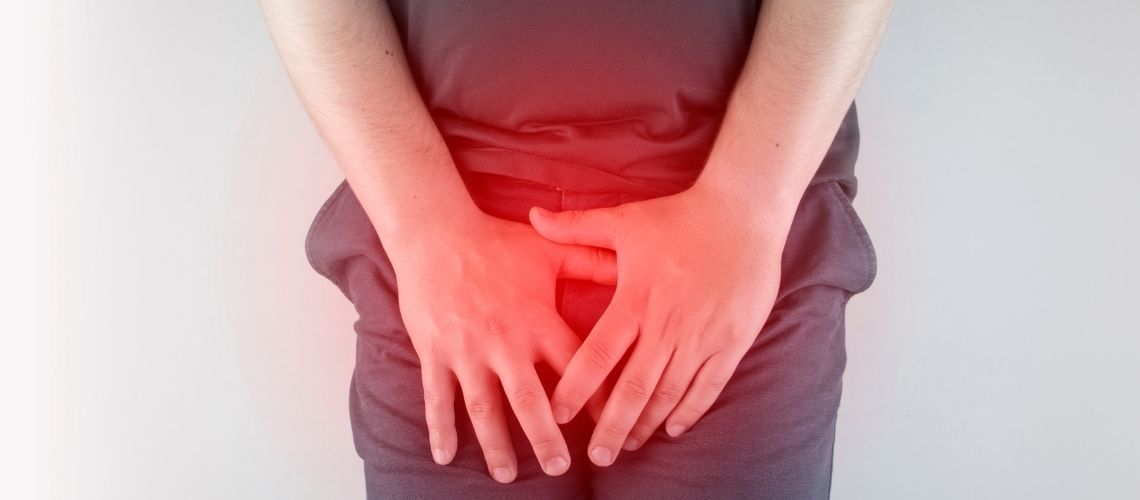


An inguinal hernia occurs when abdominal tissue protrudes through a weak spot in the groin. Symptoms often include a visible bulge, discomfort, or pain during physical activity. Early diagnosis is crucial to prevent complications such as incarceration or strangulation.
The primary causes include increased abdominal pressure, heavy lifting, chronic cough, and genetic predisposition. Men are more commonly affected, although women may also develop this condition. Identifying risk factors allows for timely preventive measures.
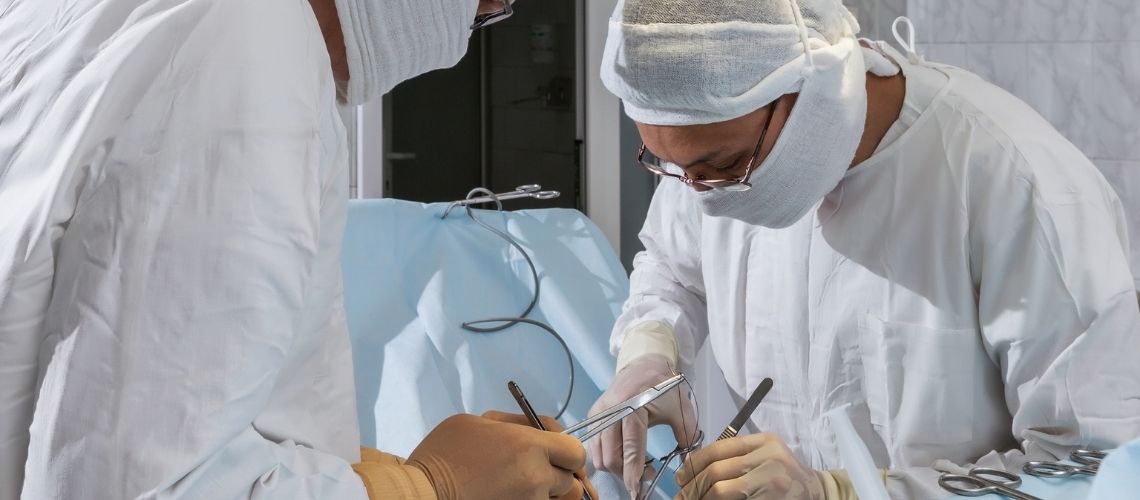
Treatment options vary depending on severity. Small, asymptomatic hernias may be observed, while symptomatic or enlarging cases usually require surgical repair. Surgical techniques include open repair and minimally invasive laparoscopic approaches.
Recovery after hernia surgery is generally rapid with proper care. Patients are advised to avoid heavy lifting and follow medical instructions. Long-term outcomes are favorable, and modern techniques significantly reduce recurrence risks.
İçerik
What Is an Inguinal Hernia?
An inguinal hernia usually occurs when the intestine or fatty tissue protrudes through a weak spot in the abdominal wall. This condition is more common in men than women, creates a noticeable swelling in the groin area, and can eventually lead to discomfort or serious complications. Historically, inguinal hernia has been recognized as a health problem for a long time, with medical literature describing it as far back as ancient Greek and Roman times. Treatment methods have evolved over the centuries, but with Edoardo Bassini’s innovations in surgical techniques at the end of the 19th century, hernia operations have become more successful and recurrence rates have decreased.
What Are the Causes of Inguinal Hernia?
Inguinal hernia occurs as a result of abdominal tissue being pushed out due to weak spots in the lower abdominal wall. There are many factors that contribute to hernia formation, which are related to genetics, lifestyle, and age-related changes.
The main causes include:
- Congenital weakness
- Genetic weakness in connective tissue
- Chronic cough
- Chronic sneezing
- Constipation
- Prostate enlargement
- Frequent heavy lifting
- Obesity
- Pregnancy
- Age-related muscle weakness
- Previous surgeries
In addition, prolonged standing and continuous activities that strain the abdominal muscles can also increase the risk of inguinal hernia. Especially as age advances, weakening of the muscles creates a predisposition for hernia formation in the abdominal wall. If left untreated, this condition can progress and lead to serious complications.
How Common Is Inguinal Hernia?
Inguinal hernias are especially common in men and make up the majority of all abdominal wall hernias. Men are much more likely to develop inguinal hernias than women, and most cases occur in men. In women, the incidence is much lower, but it can still be a significant health problem. Inguinal hernias are diagnosed more frequently with age, and the prevalence increases significantly in older individuals.
Important findings regarding the prevalence of this condition include:
- 27% risk in men
- 3% risk in women
- 95–98% of cases occur in men
- 1.5–5% of cases occur in women
Globally, inguinal hernia repair is a common surgical procedure. Millions of repair surgeries are performed annually, with numbers varying between countries. Occupational factors are also a significant risk for inguinal hernia. Agricultural workers and those with physically demanding jobs are at higher risk due to the increased intra-abdominal pressure from heavy lifting. The rate is especially high among workers and farmers, and many cases are detected in these occupational groups.
Anatomically, inguinal hernias are divided into two main types: indirect and direct. Indirect hernias are especially common in young people and indicate a congenital condition. Direct hernias, on the other hand, arise from weakened areas of the abdominal wall and are generally seen more often in older individuals.
What Is the Process of Inguinal Hernia Formation?
The process of inguinal hernia formation involves complex mechanisms and results from the combination of various structural, biochemical, and genetic factors. These factors lead to the weakening of the connective tissues in the abdominal wall, causing the abdominal contents to protrude through weak points in the inguinal canal.
- Weakness in connective tissue
- Imbalance of type I and type III collagen
- Activity of matrix metalloproteinase (MMP) enzymes
- Lysyl oxidase enzyme disorder
- Increased intra-abdominal pressure
- Heavy lifting
- Chronic cough
- Straining
- Genetic predisposition
- Aging
When these factors combine, stress on naturally weak points in the groin area increases. Anatomical structures such as the inguinal canal weaken under this stress, making it easier for abdominal contents to protrude. Aging leads to changes in the natural structure of connective tissue, predisposing to hernia formation. At the same time, genetic factors can also affect the structure of connective tissues and predispose individuals to inguinal hernia. Defects in collagen and connective tissue metabolism may be hereditary, which plays an important role in hernia development.
What Are the Symptoms of Inguinal Hernia?
Inguinal hernia may present with various symptoms in the groin area. These symptoms generally worsen with physical activity and may become more severe over time. Discomfort and swelling felt in the groin are among the most common symptoms and may present with varying degrees of severity depending on the size or status of the hernia.
- Swelling in the groin
- Pain or discomfort
- Feeling of heaviness or dragging
- Weakness or pressure in the groin
- Pain radiating to the testicles
In some cases, the hernia may not cause significant discomfort but can still develop serious complications. Conditions such as incarceration or strangulation of the inguinal hernia may lead to emergencies requiring urgent intervention. These complications present with severe pain, swelling, and redness in the groin area. If left untreated, a strangulated hernia can cause bowel obstruction and tissue death. Especially in the case of strangulation, the patient’s life may be at risk, and emergency surgical intervention may be necessary.
How Is Inguinal Hernia Diagnosed?
The diagnosis of inguinal hernia usually begins with the patient’s physical examination. The doctor checks for swelling in the patient’s groin area, which often becomes more noticeable when the patient is standing or performing maneuvers that increase intra-abdominal pressure. The Valsalva maneuver is also frequently used to reveal mild hernias.
If the hernia cannot be clearly detected during physical examination, imaging techniques are used:
- Ultrasound
- Magnetic Resonance Imaging (MRI)
- Herniography
Ultrasound is the first-choice imaging method for the diagnosis of inguinal hernia. Small or hidden hernias can be detected by ultrasound, but its sensitivity varies between 33% and 86%, and its specificity between 77% and 90%. Therefore, in some cases, ultrasound may not be sufficient to rule out clinical suspicion.
If ultrasound results are negative but there is still strong clinical suspicion, doctors may use Magnetic Resonance Imaging (MRI). MRI has high sensitivity (91%) and specificity (92%) especially in more complex or recurrent inguinal hernias. This method is preferred to make a clearer diagnosis before surgical intervention.
In some cases, herniography, which provides imaging with contrast material, may be used to better visualize the hernia sac. In rare situations, diagnostic laparoscopy can also be used as a minimally invasive surgical method for definitive diagnosis.
How Is Inguinal Hernia Treated?
Surgical intervention is the primary method in the treatment of inguinal hernia, aiming to repair the hernia and strengthen the abdominal wall. Treatment options are determined according to the patient’s general condition, type of hernia, and the surgeon’s expertise. Basically, two main techniques are preferred: open surgery and minimally invasive methods. While both approaches aim to repair the hernia and reduce the risk of recurrence, the choice depends on the individual needs of the patient.
Open Hernia Repair:
- Lichtenstein technique (tension-free mesh repair)
- Shouldice repair without mesh
- Minimally Invasive Methods:
- Laparoscopic repair (TEP and TAPP)
- Robot-assisted laparoscopy
Open hernia repair is a simple and effective method, and especially with mesh use, it significantly reduces recurrence rates. This technique can be performed in a shorter time and is a commonly preferred approach by surgeons. On the other hand, minimally invasive techniques offer advantages such as faster recovery, less postoperative pain, and a lower risk of infection. Laparoscopic methods stand out, especially in bilateral hernia cases or recurrent hernias.
The application of minimally invasive techniques requires special surgical training and experience. Laparoscopic repair is less invasive than open surgery, enabling patients to return to daily life more quickly. However, these techniques are preferred for more complex cases or more difficult situations depending on previous surgical interventions. The surgeon’s experience is an important factor in determining which method is more appropriate. The best outcomes in the treatment of inguinal hernia are achieved with the correct patient selection and the appropriate combination of surgical techniques.
What Are the Complications of Inguinal Hernia?
If not treated in time, inguinal hernia can lead to a range of complications. These complications may vary depending on the size of the hernia, its location, and the person’s general health condition. The most common complications occur due to constant pressure on the abdominal wall and entrapment of intra-abdominal organs.
The main complications of inguinal hernia are:
- Bowel obstruction
- Incarceration of the hernia sac
- Loss of blood flow to organs in the hernia sac (strangulation)
- Infection in the hernia area
- Severe pain and swelling in the hernia area
Incarceration is a serious condition in which the hernia is trapped and cannot be pushed back. In this situation, intra-abdominal organs can become trapped in the inguinal canal, and the risk of developing gangrene increases over time. Strangulation means complete loss of blood flow to the trapped organ. This complication requires emergency surgical intervention; otherwise, tissue death and more serious health problems may occur.
Surgical methods are widely used in the treatment of inguinal hernia. If surgery is not performed in time, the size of the hernia may increase, and the risk of complications rises. Especially in individuals engaged in heavy physical activity, pain and discomfort in the hernia area can significantly affect quality of life. Therefore, it is very important for people with inguinal hernia to consult a specialist doctor when symptoms appear.
When Can Inguinal Hernia Be Treated?
The treatment of inguinal hernia is determined according to the patient’s symptoms, risk of complications, and general health status. Surgical intervention is usually the primary treatment option for symptomatic patients because there is a risk of serious complications. Surgery should not be delayed in symptomatic patients; otherwise, emergencies such as bowel strangulation may occur. For asymptomatic patients, the “watchful waiting” approach can be considered, but this approach requires careful follow-up.
Symptomatic Hernia:
- Pain
- Discomfort
- Swelling
- Inability to reduce the hernia
These symptoms require surgical intervention because the probability of complications is high. In particular, emergencies such as bowel strangulation may occur and may threaten the patient’s life. In asymptomatic cases, observation may be preferred instead of surgery, but this method requires regular doctor check-ups. While this approach may be applied in men, it is not recommended for women due to the risk of femoral hernia.
Complicated inguinal hernias require emergency surgical intervention. If the hernia is incarcerated or strangulated and not treated in time, blood flow to the intestines is disrupted, which can lead to serious consequences such as necrosis. In pregnant women, hernia repair is usually postponed until after childbirth. Laparoscopic surgery stands out with faster recovery and less pain, but in some cases, open surgery is still an option.
When Can Inguinal Hernia Not Be Treated?
Surgical treatment of inguinal hernia may be postponed or completely contraindicated depending on the patient’s health status and the characteristics of the hernia. Situations where surgery may be risky vary according to patient-specific factors and the surgical approach. There are some important contraindications for both open and laparoscopic surgery.
The main surgical contraindications are:
- Advanced heart failure
- Severe COPD
- Other serious cardiorespiratory diseases
- Bleeding disorders
- Being on anticoagulant therapy
- Immunosuppression
- Severe infections
- Pregnancy
- Old age with minimal symptoms
- Difficulty adhering to postoperative care instructions
These situations may negatively affect the patient’s general health and postoperative recovery, requiring postponement of surgery or the preference of alternative treatment methods. Especially factors such as advanced age, minimal symptoms, or failure to comply with postoperative care instructions highlight a careful watchful waiting approach. When laparoscopic surgery is contraindicated, open surgery may be an option.
One of the most important factors requiring postponement of inguinal hernia surgery is that the patient’s general health status is too poor to tolerate surgery. In addition, as long as the hernia is not incarcerated or strangulated, conservative treatment options should be considered for many patients.
What Is the Recovery Process After Inguinal Hernia Surgery?
The recovery process after inguinal hernia surgery takes place in stages and requires careful care. In the first few days, it is important for patients to manage pain and protect the surgical site. Swelling, bruising, and mild pain are usually experienced in the first two days. During this period, painkillers such as ibuprofen and acetaminophen can be used, and sometimes stronger painkillers may be prescribed.
Within the first week, patients should gradually start physical activities. However, activities such as heavy lifting and strenuous exercise should be avoided for several weeks. Applying ice to the area after surgery can help reduce swelling, and short walks are recommended.
- Painkillers
- Ice application
- Light walks
- Avoiding heavy lifting
- Keeping the wound area clean
The incisions in the surgical area are usually closed with absorbable sutures, which heal on their own. Patients may shower 1–2 days after surgery but should take care to protect the area from water. Activities such as bathing or swimming should be avoided for the first few weeks. If excessive swelling, redness, or bleeding occurs in the wound area, a doctor should be consulted immediately.
Most patients can return to light work after one to two weeks, but those with heavy physical jobs may need a longer rest period for recovery.
How Can Inguinal Hernia Be Prevented?
Preventing inguinal hernia is possible by eliminating risk factors that increase intra-abdominal pressure and cause muscle weakness. It is important to make a number of lifestyle changes and take physical precautions to prevent this condition.
Recommended strategies include:
- Maintaining a healthy weight
- Lifting heavy objects carefully
- Strengthening abdominal muscles
- Preventing constipation
- Quitting smoking
- Treating chronic cough
Placing excessive strain on muscles while lifting increases the risk of hernia. Learning proper lifting techniques is highly beneficial for protecting abdominal muscles. In addition, regular abdominal muscle strengthening exercises can be effective in reducing the risk of hernia. However, if exercises are performed incorrectly, the situation may worsen, so caution is needed.
Diet and lifestyle changes are also effective in reducing hernia risk. Adequate fiber intake and prevention of digestive problems such as constipation help reduce abdominal pressure. Likewise, avoiding smoking and treating chronic respiratory disorders can reduce the stress on the groin area.
For individuals who have undergone surgery, avoiding strenuous activities during the postoperative period is especially important for muscle healing. In this process, following doctor’s recommendations and wearing supportive clothing for the abdominal area can help prevent recurrent hernia formation.

Op. Dr. Ahmet Bekin was born in Istanbul in 1983. He graduated from the Faculty of Medicine at Kocaeli University in 2006 and completed his specialty training in the Department of General Surgery at Istanbul University Çapa Faculty of Medicine in 2011. After his specialization, he worked in the fields of hernia surgery, reflux surgery, obesity surgery, advanced laparoscopic surgery, and robotic surgery. In addition, he received training in endocrine surgery, oncological surgery, and minimally invasive surgery. He is currently accepting patients from Turkey as well as from countries such as Germany and France at his private clinic located in Istanbul.