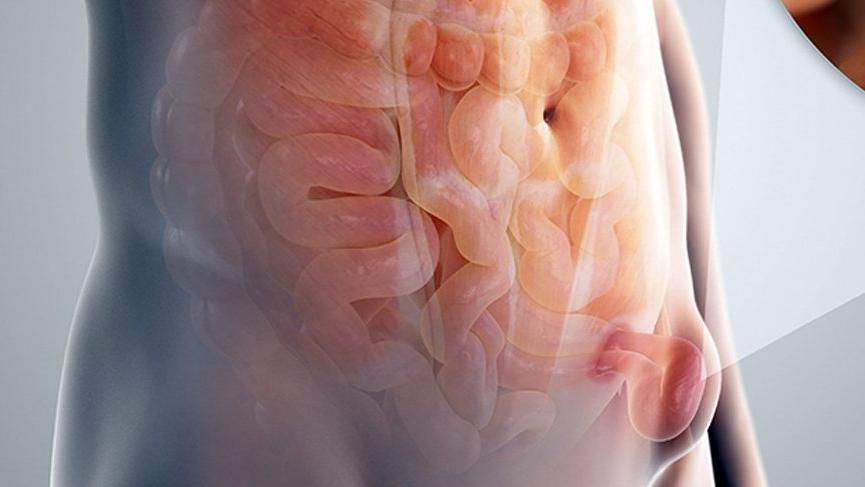


Laparoscopic surgery is a minimally invasive technique that uses small incisions and a camera to perform operations inside the abdomen. It is commonly used for procedures such as gallbladder removal, hernia repair, and appendectomy. Patients benefit from reduced pain, quicker recovery, and smaller scars.
The procedure involves inserting a laparoscope, which provides a magnified view of internal organs. Specialized surgical instruments are used through small ports, allowing precise and safe dissection. This approach minimizes trauma to surrounding tissues compared to open surgery.
Indications for laparoscopic surgery include gallstones, hernias, appendicitis, gynecological conditions, and some cancer operations. Patients with obesity, previous surgeries, or advanced disease may require individualized evaluation before determining surgical eligibility.
Recovery after laparoscopic surgery is typically faster than traditional methods. Patients usually experience less postoperative pain, shorter hospital stays, and quicker return to daily activities. Strict adherence to postoperative care ensures optimal healing and reduces the risk of complications.
| Definition | Laparoscopic surgery is a minimally invasive surgical method performed through small incisions using a camera (laparoscope) and special instruments inserted into the abdominal cavity. |
| Areas of Use | Gallbladder surgery (cholecystectomy), appendectomy, hernia repair, gynecological surgeries, colorectal surgeries, reflux surgeries, bariatric surgery |
| Indications | Specific intra-abdominal organ diseases, unexplained abdominal pain, removal of masses, certain oncologic interventions |
| Advantages | Smaller incisions, less pain, faster recovery, short hospital stay, less scarring, reduced infection risk |
| Disadvantages | Technical challenges, need for advanced equipment, long learning curve, may not be suitable for some patients |
| Contraindications | Extensive intra-abdominal adhesions, advanced obesity, severe heart or respiratory diseases, certain emergencies |
| Complications | Organ injury, bleeding, infection, gas embolism, trocar-site hernia, carbon dioxide retention |
| Anesthesia | Performed under general anesthesia |
| Recovery Process | Typically 1–2 days of hospital stay, return to daily activities within 1–2 weeks, full recovery time may vary depending on the type of surgery |
| Follow-Up and Care | Wound care, activity restrictions, monitoring for signs of complications, scheduled follow-ups |
İçerik
Laparoscopic Surgery: What Is It and How Does It Differ From Traditional Operations?
Laparoscopic surgery is a technique performed using several small incisions instead of one large incision in the abdominal area. In traditional operations, the surgeon aims to view the organs directly through a wide opening. In contrast, laparoscopic surgery employs a small camera-equipped device and long, thin instruments. The image provided by this camera is projected onto a monitor during the operation, allowing detailed inspection and intervention on the internal organs.
The incisions used in this method usually range between 0.5 cm and 1 cm, which keeps tissue damage extremely limited. Small incisions shorten the patient’s recovery time and reduce postoperative pain. Moreover, avoiding a large incision lowers the risks of infection and bleeding. In operations performed with the traditional method, patients may experience intense pain and require a long period of rest. With the laparoscopic method, comparatively less pain, less blood loss, and faster recovery are observed.
Although there are still situations where traditional methods remain valid, laparoscopic surgery continues to be widely adopted in general surgery as well as gynecology, urology, and even certain cardiovascular procedures. Detailed visualization of intra-abdominal organs, the advantages provided by small incisions, and postoperative comfort make this approach increasingly popular.
When Is Laparoscopic Surgery Preferred?
Laparoscopic surgery can be safely applied to a wide variety of health problems involving the abdominal organs. It is especially preferred for procedures such as cholecystectomy (gallbladder removal) due to gallstones and appendectomy, which have been successfully performed laparoscopically for many years.
Disorders of the digestive system can also be treated with this method. Hiatal hernia repairs, anti-reflux procedures, and bariatric surgery (such as sleeve gastrectomy and gastric bypass) are frequently performed laparoscopically. Similarly, the laparoscopic approach can be used safely for removing an intestinal tumor or relieving an intestinal obstruction. In women’s health, myomectomy, cyst operations, and even certain cancer surgeries are also performed laparoscopically.
In urological problems, laparoscopic surgery is commonly considered. Operations involving the kidney, bladder, or prostate can be carried out using a minimally invasive approach. Additionally, laparoscopy is sometimes employed for diagnostic purposes in gynecologic conditions, allowing clear visualization of the organs and, when necessary, treatment in the same session.
The main factors determining whether a condition is suitable for laparoscopic surgery include the patient’s overall health status and the type and stage of the disease. In very complicated cases or in the presence of extensive adhesions, the surgeon may at times choose to convert to the traditional method. Therefore, the most appropriate approach is determined individually for each patient.
How Is Preparation Done Before Laparoscopic Surgery?
Preoperative preparation plays a decisive role in the success of laparoscopic surgery. Patients first undergo a detailed medical evaluation, including blood tests, imaging techniques, and physical examination. The aim is to detect any additional health problems and to plan the surgery in the healthiest possible way.
A thorough discussion with the doctor before the operation is useful. Which medications need to be stopped or continued, the fasting period on the day of surgery, and other precautions are clarified during this meeting. Patients who use blood-thinning medications or have chronic diseases must carefully regulate their existing treatments. Patients are also advised to inform their doctor about any supplements or herbal products, as some can increase bleeding risk.
On the night before surgery it is generally important to eat a light meal and then avoid solid food. Rules regarding fluid intake vary depending on the time of surgery and the patient’s condition. In some cases, bowel cleansing may be required; the doctor decides whether this is necessary. Because smoking adversely affects wound healing, quitting in the preoperative period is highly beneficial. Limiting or completely stopping alcohol consumption is also of great importance for the operation and recovery process.
Preparing physically and mentally for this process contributes to a comfortable postoperative period. Light walks and healthy eating programs are recommended to prepare the body for surgery. These preparations both facilitate the surgeon’s work and speed the patient’s recovery.
What Steps Are Followed During Laparoscopic Surgery?
Laparoscopic surgery begins with the administration of general anesthesia, ensuring that the patient feels no pain or discomfort throughout the procedure. A small incision, usually near the navel, is then made in the abdominal area. Through this incision carbon dioxide gas is introduced via a thin needle or special device, lifting the abdominal wall and providing clearer visualization of the internal organs.
Once the abdomen is adequately insufflated, the laparoscope—a thin tube with a camera—is inserted through the incision into the abdominal cavity. The camera magnifies the internal organs and transmits the image to a monitor. Surgical instruments are inserted through other small incisions to grasp, cut, suture, or cauterize tissues. The long, slender design of these instruments gives the surgeon flexibility to operate in a narrow space.
The image provided by the laparoscope allows the surgeon to monitor every step in detail. Blood vessels and delicate tissues are carefully protected. When necessary, organ or tissue specimens are removed through a small incision in a protective bag. If the procedure cannot proceed as planned, unexpected situations arise, or excessive bleeding occurs, the surgeon may convert to a larger incision and continue the operation by the traditional method.
After the procedure is completed, most of the carbon dioxide gas is released and the small incisions are closed. Closure is usually performed with sutures, special strips, or stapling materials. Although the awakening period varies according to the effect of anesthesia, most patients can be discharged the same day or the following day.
Which Instruments and Their Features Are Used During Laparoscopic Surgery?
Laparoscopic surgery is carried out with specially designed instruments whose long, slender, and sturdy structure allows delicate interventions in narrow spaces. The primary instrument is the laparoscope, a camera-equipped tube whose tip contains a light source and a high-resolution camera. This camera enables the surgeon to view the operative field on a screen with magnification.
Apart from the laparoscope, one of the most frequently used pieces of equipment is the trocar, a sheath inserted through the incisions to allow the passage of surgical instruments. Instruments with various tip designs are used to grasp, cut, suture, or manipulate tissues. Some have smooth, soft jaws to minimize tissue damage, while others are serrated or curved to provide a stronger grip.
Energy-based devices are employed for bleeding control and tissue cutting during surgery. Monopolar or bipolar cautery can seal vessels by coagulating them, and ultrasonic scalpels offer both cutting and hemostasis. Each of these devices is chosen according to the type of surgery and the surgeon’s preference. A special device is also required to deliver carbon dioxide gas, maintaining intra-abdominal pressure at a safe level for the patient and providing adequate working space for the surgeon.
In some surgeries, robotic systems are integrated into laparoscopic procedures. Robotic arms offer the surgeon a broader range of motion, while three-dimensional imaging enhances depth perception. However, the high costs and training requirements of robotic approaches limit their use somewhat. Nevertheless, technological advances are continually pushing this field forward.
What Is the Recovery Process After Laparoscopic Surgery?
The recovery period after laparoscopic surgery is generally faster and more comfortable than after traditional operations. Because the incisions are small, wound care is easier and the risk of infection is lower. Most patients can stand up and take short walks within the first few hours after surgery. This activity regulates blood circulation and reduces the risk of clot formation.
Mild pain at the surgical site or a sense of abdominal tension due to residual gas may be felt. Walking, light exercises, or warm showers can help alleviate this discomfort. During the postoperative period, patients usually have a comfortable recovery with pain relievers. Although the risk of bleeding or infection is low, it is still important to follow the physician’s recommendations carefully.
Wound care is crucial for sustaining surgical success. Keeping the incisions clean and dry, changing dressings regularly, and seeking medical help if redness or discharge occurs are recommended. In terms of nutrition, consuming liquids or soft foods in the first few days may be appropriate, followed by a light and balanced diet to aid the body’s recovery.
It is important to avoid heavy lifting, intense exercise, or movements that strain the abdominal area for a period prescribed by the surgeon, usually a few weeks. During follow-up visits, the surgeon evaluates the stitches and the course of recovery to determine when restrictions can end. Most people return to work and daily routines earlier than expected after laparoscopic surgery, but every case is unique. Attending scheduled follow-up appointments and adhering to advice are critical for a smooth recovery.
What Are the Advantages and Disadvantages of Laparoscopic Surgery?
One of the greatest advantages offered by laparoscopic surgery is that the procedure is performed through small incisions. This results in less scarring after the operation and a shorter recovery time for patients. As hospital stays may also be reduced, comfort increases and costs can decrease. Smaller wounds also lower the risks of infection and bleeding. In most cases, pain is less and cosmetic outcomes are better.
However, there are also some disadvantages. Laparoscopic surgery offers the surgeon a limited field of view and a narrow working space. The lack of good three-dimensional depth perception requires experience. Moreover, the surgeon’s hand movements are more restricted due to the length of the instruments and the small incisions, which can prolong the learning curve. When an operation is more complex or large masses need to be removed, the laparoscopic method can be challenging, and open surgery may at times become unavoidable.
The need for special instruments and technology can increase the cost of laparoscopic surgery. Likewise, robotic systems entail additional training and equipment expenses. Installing such technological facilities can be difficult in some regions or small healthcare centers. Nevertheless, thanks to the comfort it provides to patients and its low complication rates, the laparoscopic approach has become the first choice in many situations.
Which Patients May Not Be Suitable for Laparoscopic Surgery?
Although laparoscopic surgery can be used in a wide range of cases, it may not be suitable for some patients. Those who have undergone numerous abdominal operations in the past may develop extensive adhesions, making the laparoscopic method risky. These adhesions can cause difficulties when placing trocars or visualizing the organs.
Another obstacle can be certain severe heart or lung diseases. Creating pressure in the abdomen by insufflating gas can affect breathing and cardiovascular balance. Therefore, patients with serious respiratory or circulatory problems should be thoroughly evaluated before surgery and risks analyzed meticulously. Additionally, laparoscopic surgery may be inadequate in situations involving large tumors or severe inflammation, where a detailed examination of tissues, extensive cleaning, or removal of large masses is required, making open surgery necessary.
In cases of morbid obesity, although laparoscopic surgery has advantages, the surgeon’s experience and the hospital’s infrastructure are important. Operating in the abdominal area can be more challenging in extremely overweight individuals, and the image quality may sometimes be insufficient. Nevertheless, for experienced teams, the laparoscopic method is often at the forefront even in bariatric surgery.
Frequently Asked Questions
For which conditions is laparoscopic surgery preferred?
Laparoscopic surgery is commonly preferred for gallstones, appendicitis, inguinal hernia, reflux, gynecological disorders, and certain cancer surgeries. It is less invasive and provides faster recovery.
What is the difference between laparoscopic surgery and open surgery?
In open surgery, a large incision is made, whereas in laparoscopic surgery, the procedure is performed through small incisions using a camera and instruments. This method offers less pain, shorter hospital stay, and faster recovery.
Is pain normal after laparoscopic surgery?
Mild to moderate abdominal pain and shoulder pain caused by gas may occur after surgery. These complaints usually decrease within a few days and can be managed with simple painkillers.
Is laparoscopic surgery suitable for everyone?
It is not suitable for every patient. In cases of advanced obesity, extensive intra-abdominal adhesions, or certain severe heart and lung diseases, laparoscopic surgery may not be preferred.
How long does it take to return to work after laparoscopic surgery?
Patients with desk jobs can usually return to work within 1 week. For physically demanding jobs, an average of 3–4 weeks may be required for full recovery.
What are the complications after laparoscopic surgery?
Complications may include bleeding, infection, organ injuries, and rarely gas embolism. When performed by experienced surgeons, the complication rate is quite low and most can be easily managed.
Does laparoscopic surgery provide an aesthetic advantage?
Yes, since it is performed with small incisions, scars are minimal and become almost invisible over time. Therefore, laparoscopic surgery offers a significant aesthetic advantage over open surgery.
How should nutrition be managed after laparoscopic surgery?
On the first day after surgery, liquid foods are started, followed by soft foods. A diet that is easy to digest, high in fiber, and low in fat supports bowel movements and speeds up recovery.
Can another surgery be required after laparoscopic surgery?
In rare cases, conversion to open surgery may be necessary due to complications or technical difficulties. Depending on the type of disease, additional surgery may be required in the future.
When can sports and exercise be resumed after laparoscopic surgery?
Light walking is recommended within a few days. However, heavy exercises that strain the abdominal muscles should be avoided for at least 4–6 weeks. This period may vary depending on the surgeon’s advice.

Op. Dr. Ahmet Bekin was born in Istanbul in 1983. He graduated from the Faculty of Medicine at Kocaeli University in 2006 and completed his specialty training in the Department of General Surgery at Istanbul University Çapa Faculty of Medicine in 2011. After his specialization, he worked in the fields of hernia surgery, reflux surgery, obesity surgery, advanced laparoscopic surgery, and robotic surgery. In addition, he received training in endocrine surgery, oncological surgery, and minimally invasive surgery. He is currently accepting patients from Turkey as well as from countries such as Germany and France at his private clinic located in Istanbul.