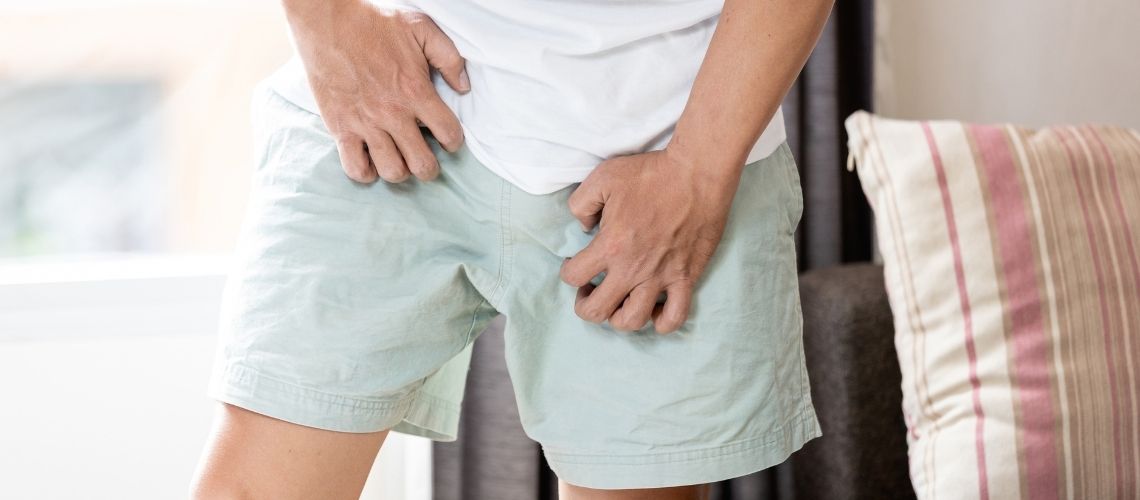


Swelling and hardness after inguinal hernia surgery usually subside within weeks as tissues heal. This is a normal response to surgery and may vary depending on the patient’s age, healing capacity, and activity level. Persistent symptoms may require medical evaluation.
Postoperative swelling after hernia repair is linked to lymphatic and tissue reactions. Patients who rest properly, avoid heavy lifting, and follow prescribed medications typically experience faster recovery and reduced discomfort. Cold compresses and supportive garments can further ease symptoms.
The hardness often represents localized scar tissue or fluid accumulation. Such changes tend to soften over time as the body remodels connective tissue. Monitoring size and sensitivity is essential, since sudden increases in pain, warmth, or redness may indicate infection or recurrence.
Long-term outcomes depend on wound care and lifestyle adjustments. Smoking cessation, balanced nutrition, and gradual return to exercise can promote optimal healing. If swelling or hardness persist beyond three months, further diagnostic imaging may be recommended to rule out complications.
İçerik
What Causes Swelling and Hardness After Inguinal Hernia Surgery?
During inguinal hernia surgery, it is inevitable to come into contact with tissue and sometimes blood vessels in order to repair the hernia. This is similar to setting up a temporary arrangement on a construction site: while pouring cement, there may be some minor mess and piles around. Likewise, the cutting and stitching of tissues during surgery prompts the body to send blood and lymph fluid to the area.
- Natural Inflammation: As the body tries to repair the surgical area, it sends defense cells there. This process can be felt as mild swelling and sometimes hardness.
- Blood or Fluid Accumulation (Hematoma/Seroma): Small blood vessels may be injured during surgery, causing leakage of blood or serum. This leakage can collect in a pocket-like area, resulting in swelling or hardness.
- Foreign Body Reaction (Mesh Use): Modern inguinal hernia surgeries often use mesh. The body creates a tissue response around this foreign material. As this mesh gradually integrates with the tissue, it may initially cause localized hardness or swelling.
How Long Does Swelling Usually Last After Inguinal Hernia Surgery?
The duration of observed swelling depends on many factors, from the surgical technique to the size of the hernia.
- First Days and Week: Swelling is most prominent during the first week after surgery. Like a crowded “team” sent to build the foundation of a new building, swelling is inevitable in this initial phase.
- First Few Weeks: Many patients notice the swelling slowly subsiding from the second or third week onward. During this period, when the tissue is prone to fluid accumulation, mild hardness is a sign that the tissue is “reshaping” itself.
- As Months Go By: Especially with large hernias, a slight remaining swelling can persist for months. This does not mean that internal wound healing is slow; it may simply take longer for the tissues to complete their final touches.
Is Hardness After Inguinal Hernia Surgery Normal and What Does It Mean?
Hardness after surgery is, in most cases, a normal sign of healing. The following analogy can clarify:
- “Plaster During Construction”: The walls of a newly sealed building may initially be rough, hard, and bulging. Over time, the wall settles, the plaster dries, and it becomes smoother. Similarly, the tissues in the surgical area form a sort of “plaster.” The area may harden during the production of collagen and other connective tissues.
- Hardness Due to Hematoma or Seroma: Blood or fluid accumulation may sometimes be felt as a lump the size of a walnut. It may feel slightly pressing to the touch. The body usually absorbs this buildup on its own, but in some cases, medical intervention may be required.
- Sign of Infection or Complication: If the hardness is painful to the touch or continues to grow, possible infection or another complication should be considered and professional help sought.
When Should You Expect Swelling to Resolve After Inguinal Hernia Surgery?
In most people, visible swelling subsides noticeably in the first few weeks after surgery. However, with large hernias or if the tissue was significantly damaged, the process may take longer. In some patients, swelling radiating to the groin or genital area may persist for up to a year during the healing period.
- Average Time Frame: Significant reduction in swelling is expected within the first 2–3 weeks.
- Long-Term Situations: Mild hardness or swelling may persist for six months to a year. This usually does not mean a permanent problem; it may just take time for the tissue to fully regain its elasticity.
What Can You Do to Reduce Swelling After Inguinal Hernia Surgery?
Just as cold therapy is effective for a bumped knee or sprained ankle, similar approaches can help reduce swelling after inguinal hernia surgery.
- Cold or Warm Compresses: Intermittent cold application is recommended in the early days to relieve swelling. Still, direct ice contact with the skin should be avoided.
- Supportive Garments: Especially in male patients, special underwear that supports the groin area or scrotum can help control swelling to some extent.
- Balance of Light Activity and Rest: The body renews itself with movement that boosts circulation and with rest. Remaining immobile for too long or exerting too much effort can both negatively affect swelling.
- Personal Hygiene and Wound Care: Keeping the wound clean reduces the risk of infection. A wound that does not become infected is more likely to have a predictable course regarding swelling or hardness.
Does the Type of Hernia Surgery Affect the Duration of Swelling and Hardness?
Hernia surgery can be performed via open or laparoscopic technique. There may be differences in recovery time and degree of swelling between the two.
- Open Surgery: Because it involves a larger incision, there is a greater area of tissue contact. This can result in more pronounced and longer-lasting swelling. However, open surgery also has its advantages for certain patient groups.
- Laparoscopic Surgery: Performed with small incisions, there is generally less tissue trauma. For this reason, swelling and hardness tend to subside more quickly.
- Mesh Use: Whichever method is preferred, mesh is used in the vast majority of cases. The body’s reaction to this foreign material plays a role in the length of time swelling and hardness persist.
What Warning Signs Suggest Swelling or Hardness After Inguinal Hernia Surgery Is Abnormal?
Not every response from the body is normal. Some symptoms may indicate an unexpected problem after surgery:
- Excessive Pain and Increasing Swelling: If pain is getting worse instead of improving day by day, hematoma or infection may be present.
- Redness, Heat, and Fever: If redness at the wound site is accompanied by overall fever, this may indicate infection.
- Reappearing Hernia-Like Lump: If it feels like a new lump is forming at the surgical site, recurrence (re-herniation) should be considered.
- Foul-Smelling Discharge: A small amount of leakage is expected during the healing process, but colored or foul-smelling discharge should always be evaluated medically.
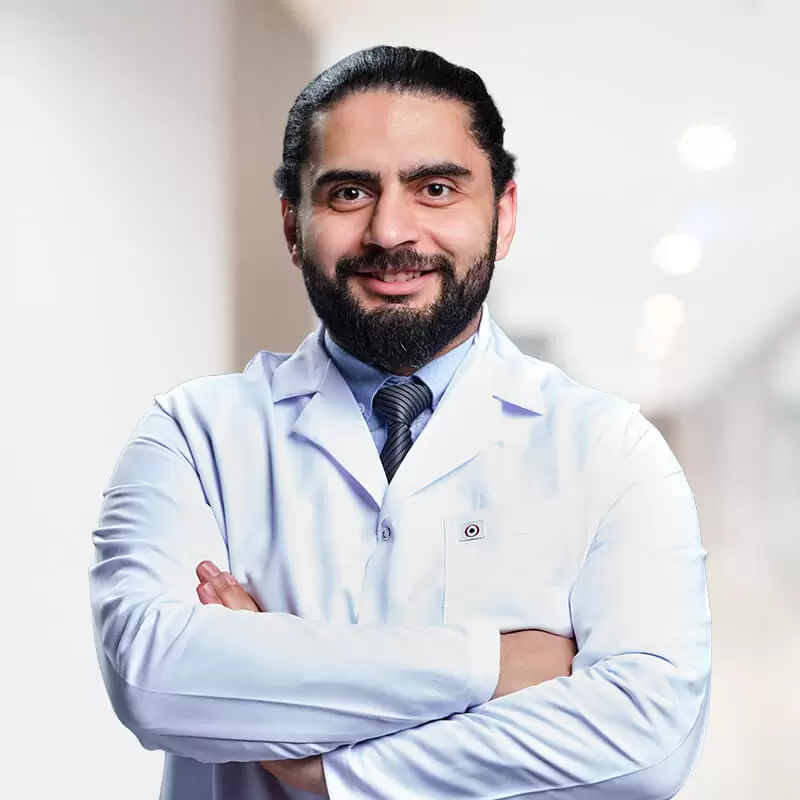
Op. Dr. Ahmet Bekin was born in Istanbul in 1983. He graduated from the Faculty of Medicine at Kocaeli University in 2006 and completed his specialty training in the Department of General Surgery at Istanbul University Çapa Faculty of Medicine in 2011. After his specialization, he worked in the fields of hernia surgery, reflux surgery, obesity surgery, advanced laparoscopic surgery, and robotic surgery. In addition, he received training in endocrine surgery, oncological surgery, and minimally invasive surgery. He is currently accepting patients from Turkey as well as from countries such as Germany and France at his private clinic located in Istanbul.