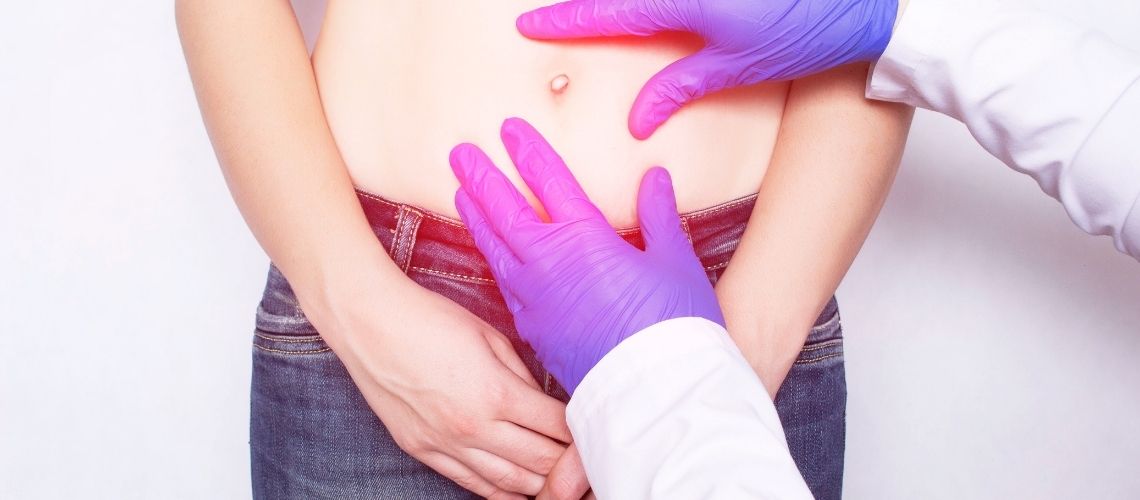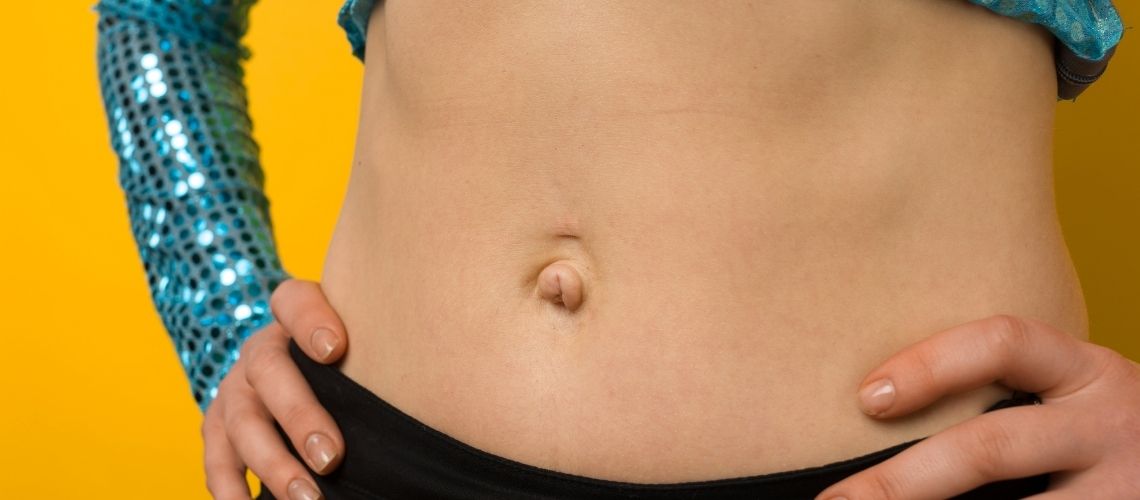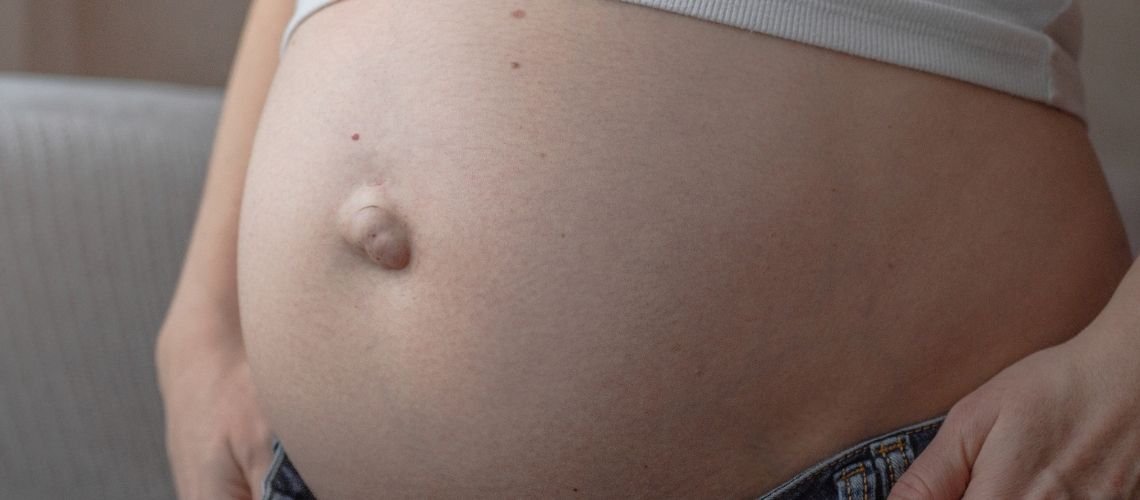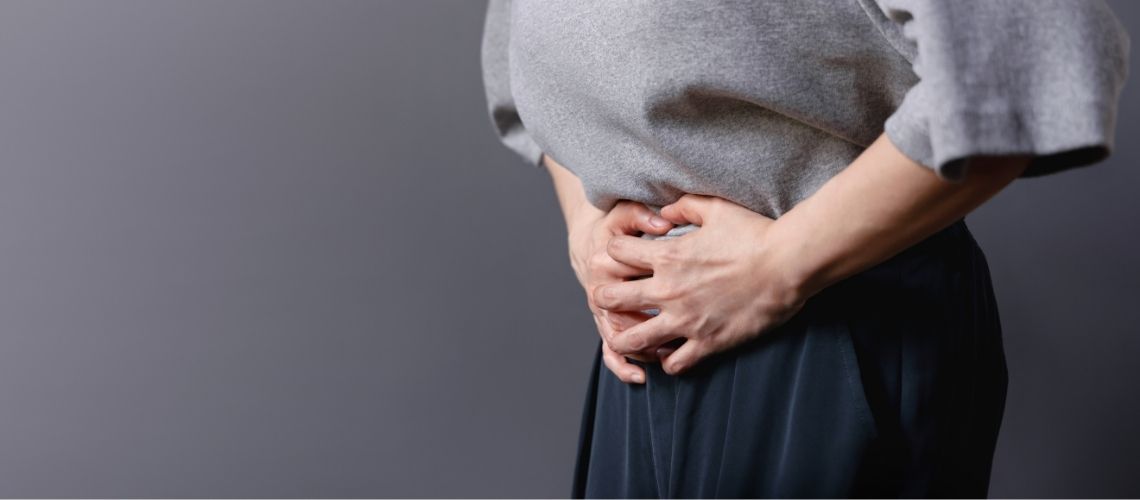


A hernia is a condition where an internal organ or tissue pushes through a weak spot in the muscle or connective tissue. The most common types are inguinal, femoral, umbilical, and incisional hernias. Symptoms vary but often include swelling, pain, and discomfort that worsen with exertion.
Early symptoms of hernia include a visible bulge, heaviness, or aching at the site. Pain may increase when lifting, coughing, or standing for long periods. Some hernias remain painless but can still lead to severe complications if left untreated.
The causes of hernia include congenital muscle weakness, previous surgeries, obesity, pregnancy, and chronic straining. Men are more commonly affected than women, especially in the case of inguinal hernias. Preventive measures include weight management and avoiding heavy physical strain.
Definitive treatment of hernia is surgical repair, which can be performed with open or laparoscopic methods. Mesh reinforcement is often used to strengthen the abdominal wall. Timely surgical intervention prevents progression to incarceration or strangulation, which are life-threatening complications.
İçerik
What Is a Hernia?
At its most basic definition, a hernia is the bulging of an organ or tissue outward through a weakness, tear, or unnatural opening in the muscle or connective tissue (fascia) surrounding it. Organs in our body are located within specific anatomical compartments, and the walls of these compartments consist of muscles, connective tissues, and membranes. Congenital or acquired weak points in these walls, combined with high internal pressure, set the stage for herniation.
The herniated tissue is usually found within a sac. The contents of this sac vary depending on the location and size of the hernia. In abdominal hernias, sections of the intestine or intra-abdominal fat tissue called the omentum are most commonly found inside the sac. Hernias are generally noticed as a swelling or bulge from the outside. This bulge becomes more pronounced when pressure increases (such as coughing, straining, or lifting heavy objects) and may disappear when at rest or when pushed back in (a reducible hernia). However, in some cases the hernia sac contents can become trapped (incarcerated hernia) and cannot be pushed back. This can impair blood flow to the trapped tissue (strangulation), creating a life-threatening emergency that requires urgent surgical intervention. Tissue necrosis (tissue death) may develop in strangulation.
What Causes a Hernia?
Hernia formation basically occurs through the combination of two main factors: 1) an existing weakness or opening in the body wall and 2) increased internal pressure acting on this weak point. Various causes lead to the emergence of these factors:
- Congenital Weaknesses: Some hernias, especially inguinal and umbilical hernias, can develop because anatomical openings present from birth do not fully close or due to structural weaknesses in the muscle wall (congenital hernias).
- Aging: As age advances, muscles and connective tissues naturally weaken and lose elasticity, reducing the body’s resistance to hernia formation.
- Increased Intra-abdominal Pressure: Chronic conditions that increase abdominal pressure play a significant role in hernia development. These include:
- Chronic Cough: Long-term coughing due to causes such as asthma, COPD, or smoking.
- Chronic Constipation and Straining: Constant straining increases the load on the abdominal wall and groin.
- Heavy Lifting: Especially sudden, uncontrolled lifting of weight or jobs that require carrying heavy loads continuously.
- Obesity: Excess weight exerts continuous pressure on the abdominal wall and can contribute to tissue weakness.
- Pregnancy: During pregnancy, the growing uterus increases intra-abdominal pressure and stretches abdominal muscles. Multiple pregnancies or frequent births can raise the risk.
- Abdominal Fluid Accumulation (Ascites): Fluid accumulation in the abdomen, as in liver cirrhosis, also increases pressure.
- Surgical History: Previous surgeries, particularly abdominal operations, carry a risk of hernia developing at the incision site (incisional hernia). The incision line may not be as strong as original tissue.
- Trauma and Injuries: Blows or injuries to the abdomen or groin can lead to weakening of the muscle wall.
- Genetic Predisposition: People with a family history of hernia have a slightly higher risk, suggesting genetic factors related to connective tissue structure may play a role.
- Smoking: Smoking can damage connective tissue structure and increase hernia risk by causing chronic cough.
- Nutritional Disorders: Conditions such as insufficient protein intake can negatively affect tissue repair and strength.
One or more of these factors can come together to pave the way for hernia formation.
What Are the Types of Hernia?
Hernias are classified according to the anatomical region in which they occur. The most common types are:
- Inguinal Hernia (Groin Hernia): The most common type of hernia, much more frequent in men than women, arising from weakness in the inguinal canal. It is divided into direct and indirect types. Swelling and pain are felt in the groin region and may extend to the scrotum in men or the labia in women.
- Abdominal Hernia: A general term for hernias occurring in the abdominal wall, with various subtypes:
- Umbilical Hernia: Arises from weakness around the navel. Common in babies and often closes spontaneously. In adults, it can occur due to obesity, multiple pregnancies, or abdominal fluid accumulation.
- Incisional Hernia: Develops in the incision line of a previous surgery. Problems in wound healing or infection after surgery increase the risk.
- Epigastric Hernia: Occurs in the midline of the abdomen between the navel and the breastbone. Usually small and contains fatty tissue.
- Spigelian Hernia: A rare type that protrudes between the muscles of the lateral abdominal wall. Diagnosis can be more difficult than others.
- Ventral Hernia: A general name for hernias in the anterior abdominal wall excluding inguinal and incisional hernias. Epigastric and umbilical hernias can be included in this group.
- Femoral Hernia: Emerges from the femoral canal in the upper inner thigh, close to an inguinal hernia. More common in women and carries a higher risk of strangulation than inguinal hernias.
- Hiatal Hernia: Occurs when part of the stomach slides upward through the opening (hiatus) in the diaphragm muscle that the esophagus passes through, into the chest cavity. Can cause reflux, burning, and swallowing difficulty.
- Lumbar Disc Herniation: Different from abdominal wall hernias. The jelly-like core inside a disc between the spinal bones slips out through a tear in its outer layer, pressing on spinal nerve roots, causing back and leg pain (sciatica).
- Cervical Disc Herniation: Similar mechanism in the neck area. Causes neck, shoulder, arm, and hand pain, numbness, or weakness.
- Other Rare Hernias: Congenital diaphragmatic hernia, perineal hernia, giant abdominal wall hernia, and others occur less frequently.
- Spinal hernias (lumbar and cervical), in mechanism and affected systems, are completely different from abdominal wall (inguinal, umbilical, incisional, etc.) and hiatal hernias. Although popularly all are called “hernia,” the situation where spinal discs press on nerves and the situation where organs protrude from body cavities must be evaluated separately. The signs, diagnosis, and treatment methods in this article focus mainly on abdominal wall hernias. Spinal hernias are followed by neurosurgery or physical medicine and rehabilitation specialists.
What Are the Symptoms of a Hernia?
Hernia symptoms can vary from person to person depending on the location, size, contents, and whether complications have developed. Some hernias may cause no symptoms and are detected incidentally during a routine examination. The most common symptoms are:
- Visible Swelling or Bulge: A swelling or protrusion in the hernia area, especially evident when standing, coughing, straining, or lifting heavy objects. This swelling may disappear when lying down or when pushed back in (reducible hernia). If it does not disappear (incarcerated hernia) or changes color (bruising, redness), it could be an emergency.
- Pain or Discomfort: A discomfort felt in the hernia area, ranging from a mild ache to sharp, severe pain. Pain usually increases with activity and decreases with rest. It can also be a burning, pulling, or pressure sensation.
- Pressure Sensation: A feeling of pressure or fullness in the hernia area, especially when coughing, sneezing, or straining.
- Muscle Weakness or Heaviness: Weakness or a heavy sensation in the hernia area or the limb affected (for example, the leg in an inguinal hernia).
- Numbness or Tingling: Numbness or tingling (paresthesia) in the hernia area or the area to which it spreads, caused by the hernia sac pressing on nearby nerves.
- Pain or Swelling in the Testicles in Men: In inguinal hernias, pain or discomfort can spread to the testicles, and swelling can sometimes be seen in the scrotum.
- Digestive Problems (Rare): In large abdominal hernias or strangulated hernias, nausea, vomiting, constipation, or inability to pass gas may occur, requiring emergency intervention.
- Hiatal Hernia Symptoms: Heartburn (reflux), burning sensation in the chest, difficulty swallowing, bitter fluid coming into the mouth, belching, hiccups, sometimes chest pain (which can be confused with heart pain).
- Lumbar Hernia Symptoms: Back pain, leg pain (sciatica), numbness, tingling, weakness in the leg, difficulty walking, difficulty controlling urination or bowel movements (emergency).
- Cervical Hernia Symptoms: Neck pain, pain radiating to the arm or hand, numbness, tingling, weakness in the arm or hand, difficulty with fine motor skills.
Strangulated Hernia Symptoms (Emergency!)
If the blood flow to the organ inside the hernia sac is impaired (strangulation), the following symptoms appear and immediate medical help is required:
- Sudden severe pain and hardening of the swelling in the hernia area.
- Inability to push the swelling back in (previously reducible).
- Redness or bruising of the skin over the hernia.
- Severe abdominal pain.
- Nausea and vomiting.
- Inability to pass gas or stool.
- Fever.
How Does Leg-Radiating Hernia Pain Go Away?
Pain radiating to the leg is most typically associated with lumbar disc herniation (sciatica), which occurs when the disk between the vertebrae protrudes and presses on the sciatic nerve. Abdominal wall hernias (inguinal, femoral, etc.) can sometimes cause pain radiating to the leg due to nerve irritation, but it is not as characteristic as sciatic pain.
Methods to alleviate or eliminate leg pain due to lumbar hernia include:
- Rest: Short-term bed rest (usually 1–2 days) during the acute pain period may be recommended. However, prolonged immobility is generally discouraged as it weakens the muscles. Resting in positions that do not increase pain is important.
- Pain Relievers and Anti-inflammatory Drugs: Non-steroidal anti-inflammatory drugs (NSAIDs) or simple pain relievers (such as paracetamol) used under medical supervision can help reduce pain and inflammation. Muscle relaxants may also be prescribed.
- Cold/Hot Application: Applying a cold compress to the painful area (an ice pack wrapped in a towel for 15–20 minutes) in the first 24–48 hours can reduce inflammation and pain. Later, applying heat (heating pad, warm shower) can relax muscles and provide relief.
Physical Therapy and Exercise: After pain is controlled, a personalized exercise program under the guidance of a physiotherapist is very important. This program generally includes:
- Stretching Exercises
- Strengthening Exercises
- Nerve Mobilization Exercises
- Posture Training
Epidural Steroid Injections: In severe pain, injecting cortisone around the nerve root aims to reduce inflammation and pain. The effect may be temporary but can facilitate participation in physical therapy.
- Avoid Heavy Lifting: One of the most important factors triggering back and leg pain is heavy lifting. Avoid sudden lifting from the floor with a bent back. If lifting is necessary, it should be done with knees bent and the back kept straight.
- Weight Control: Excess weight increases the load on the spine and can exacerbate pain. Reaching and maintaining a healthy weight is important.
- Ergonomic Adjustments: Arranging sitting, working, and sleeping positions to place the least load on the back is beneficial.
- Surgical Intervention: Surgical treatment (such as microdiscectomy) may be required in patients who do not respond to conservative (non-surgical) treatments, have progressive weakness, or develop problems controlling urination/bowel movements (cauda equina syndrome, an emergency).
How Is a Hernia Diagnosed?
Hernia diagnosis generally begins with the patient’s complaints and a detailed physical examination. After listening to the patient’s medical history (when complaints started, what increases or decreases them, past surgeries, chronic diseases, etc.), the doctor proceeds to physical examination:
- Physical Examination: The doctor observes (inspection) and palpates (palpation) the suspected hernia area.
- Observation: The doctor checks for swelling, bulging, or asymmetry in the hernia area while the patient is standing and lying down. Changes in skin color (redness, bruising) are important.
- Palpation: The doctor gently examines the suspected area with fingers, evaluating the consistency, size, and tenderness of the swelling. The patient may be asked to cough or strain to see if the hernia becomes more pronounced. The doctor also assesses whether the hernia can be pushed back in (reducibility). In suspected inguinal hernia, the scrotum (testicular sac) is examined in men.
- Auscultation: Sometimes, listening with a stethoscope can reveal bowel sounds in the hernia sac.
- Imaging Methods: Physical examination findings are usually sufficient for diagnosing abdominal wall hernias, but imaging may be used to confirm diagnosis, clarify the hernia type and size, evaluate complications, or when examination findings are unclear:
- Ultrasonography (US): Uses sound waves to image internal organs and soft tissues. Frequently used to diagnose abdominal wall, inguinal, and femoral hernias. It is fast, harmless, and easily accessible. It can provide information about the contents of the hernia sac (intestine, fatty tissue). Dynamic ultrasonography (performed while the patient strains) can show the hernia more clearly.
Computed Tomography (CT): Produces cross-sectional images of the body using X-rays. Preferred in complex hernias, incisional hernias, Spigelian hernias, or when complications (intestinal obstruction, strangulation) are suspected. It clearly shows the anatomical details, contents, and relationship with surrounding tissues.
Magnetic Resonance Imaging (MRI): Obtains detailed soft tissue images using a strong magnetic field and radio waves. It can be useful in distinguishing whether pain in the groin area is due to hernia or another musculoskeletal problem, or in conditions such as sports hernia (athletic pubalgia). It is used less frequently than CT.
- Herniography (Rarely): A radiograph taken after contrast material is introduced into the abdomen. It has largely been replaced by CT and MRI today.
- Hiatal Hernia Diagnosis: Usually established by upper gastrointestinal endoscopy (gastroscopy) or a barium swallow study.
- Lumbar and Cervical Hernia Diagnosis: After neurological examination (reflex, sensation, and muscle strength control), MRI usually provides a definitive diagnosis. CT or EMG (electromyography) can also help.
How Is a Hernia Treated?
The treatment of hernias varies according to the type and size of the hernia, the patient’s age, general health, severity of symptoms, and risk of complications. Not every hernia requires immediate treatment, but most hernias tend to enlarge and develop complications over time, so treatment is usually surgical.
- Observation and Waiting (Watchful Waiting): In some very small, asymptomatic hernias with low complication risk (especially in elderly or high surgical risk patients), follow-up under medical supervision may be an option. However, if the hernia enlarges, becomes painful, or the risk of strangulation increases, surgery is recommended. In asymptomatic male patients with inguinal hernia this approach may be considered, but femoral hernias are usually operated soon due to a high strangulation risk.
- Truss (Hernia Belt): Supportive devices used in the past to apply external pressure to the hernia area and prevent protrusion. They do not treat the hernia, only provide temporary relief and are not recommended for long-term use. They can cause skin problems and do not reduce strangulation risk. They are rarely considered for patients who cannot undergo surgery.
- Surgical Treatment (Hernia Repair): The definitive and most effective treatment for hernias is surgery. The basic goal of surgery is to return the hernia sac and its contents to their normal place and repair the weak spot or opening in the abdominal wall. Repair is generally done by two main methods:
- Primary Tissue Repair (Herniorrhaphy): Closing the weak tissues by approximating them with stitches. Preferred for small hernias or when mesh use is not suitable. However, especially in large hernias or when tissues are under tension, recurrence risk can be higher.
- Mesh Repair (Hernioplasty): The standard method used in most hernia repairs today. A synthetic (usually polypropylene) or biological mesh is placed over or under the weak area to strengthen the wall. The mesh forms a stronger barrier over the body’s own tissues and provides a tension-free repair, significantly reducing recurrence.
Hernia surgeries can be performed by three different approaches:
- Open Surgery: The traditional method in which a single incision is made over the hernia area to directly reach and repair the hernia. The incision size varies according to the location and size of the hernia. Both tissue repair and mesh repair can be performed. It can generally be done under local, spinal, or general anesthesia. It is preferred in very large or complicated hernias, patients who have had previous surgery in the same area, or when laparoscopy is not suitable.
- Laparoscopic Surgery (Keyhole Surgery): Performed through several small (usually 0.5–1 cm) incisions in the abdominal wall using special instruments and a thin tube with a camera (laparoscope). The surgeon performs the operation while watching the camera image on a screen. The abdomen is usually inflated with carbon dioxide gas for better vision. A mesh is generally placed with this method (for example, TAPP or TEP techniques in inguinal hernias). It requires general anesthesia. Advantages include less postoperative pain, smaller scars, faster recovery, and earlier return to normal activities. Especially preferred for bilateral inguinal hernias or recurrent hernias.
- Robotic Surgery: An extension of laparoscopic surgery. The surgeon sits at a console in the operating room, controlling robotic arms. Robotic arms offer greater flexibility and precision than human hands, and the camera provides a three-dimensional, high-resolution image. It can be advantageous for complex abdominal wall reconstructions or hernias in hard-to-reach areas. It has similar advantages to laparoscopy but higher cost and may not be available in every center. General anesthesia is required.
Frequently Asked Questions About Hernias
- How do you know if you have a hernia?
If you notice a swelling or bulge in a specific area of your body (especially the groin, navel, or over an old surgical scar) that usually appears when standing or straining and can be felt by hand, and if you experience pain, discomfort, burning, or pressure in this area, a hernia may be suspected. A definite diagnosis requires seeing a doctor.
- Is a hernia dangerous?
Hernias that are initially small and asymptomatic are generally not an immediate danger, but they can enlarge over time and, most importantly, carry the risk of “strangulation.” A strangulated hernia is when blood flow to the organ inside the hernia sac (usually the intestine) is cut off, creating a life-threatening emergency that requires urgent surgery. Therefore, once a hernia is diagnosed, treatment (surgery) is usually recommended.
- Where does hernia pain spread?
Hernia pain or discomfort is usually concentrated in the region where the hernia is located, but it can spread to surrounding tissues and nerves. For example, pain from an inguinal hernia can spread to the testicles or inner thigh, lumbar hernia pain can spread from the hip down the leg to the foot (sciatica), and cervical hernia pain can spread to the shoulder, arm, and hand. Numbness or tingling can also be seen in the hernia area or its radiation area.
- Can a hernia go away on its own?
Some small umbilical hernias in infancy can close spontaneously within the first few years. However, hernias that develop in adults (inguinal, umbilical, incisional, etc.) or spinal hernias (lumbar, cervical) are not expected to heal on their own. Symptoms may sometimes lessen or fluctuate, but the hernia itself (the anatomical defect) is usually permanent and carries a risk of enlargement or complications if untreated. Therefore, most hernias require surgical intervention.
- Can young people get hernias?
Yes, hernias can occur at any age. They can be seen in infants and children due to congenital weaknesses, and in young adults, especially those who engage in heavy sports, do heavy labor, or have a genetic predisposition, inguinal or other types of hernias can appear. Trauma, sudden weight changes, or previous surgeries can also cause hernias in young people. Spinal hernias (lumbar and cervical) are also common in young and active individuals.

Op. Dr. Ahmet Bekin was born in Istanbul in 1983. He graduated from the Faculty of Medicine at Kocaeli University in 2006 and completed his specialty training in the Department of General Surgery at Istanbul University Çapa Faculty of Medicine in 2011. After his specialization, he worked in the fields of hernia surgery, reflux surgery, obesity surgery, advanced laparoscopic surgery, and robotic surgery. In addition, he received training in endocrine surgery, oncological surgery, and minimally invasive surgery. He is currently accepting patients from Turkey as well as from countries such as Germany and France at his private clinic located in Istanbul.