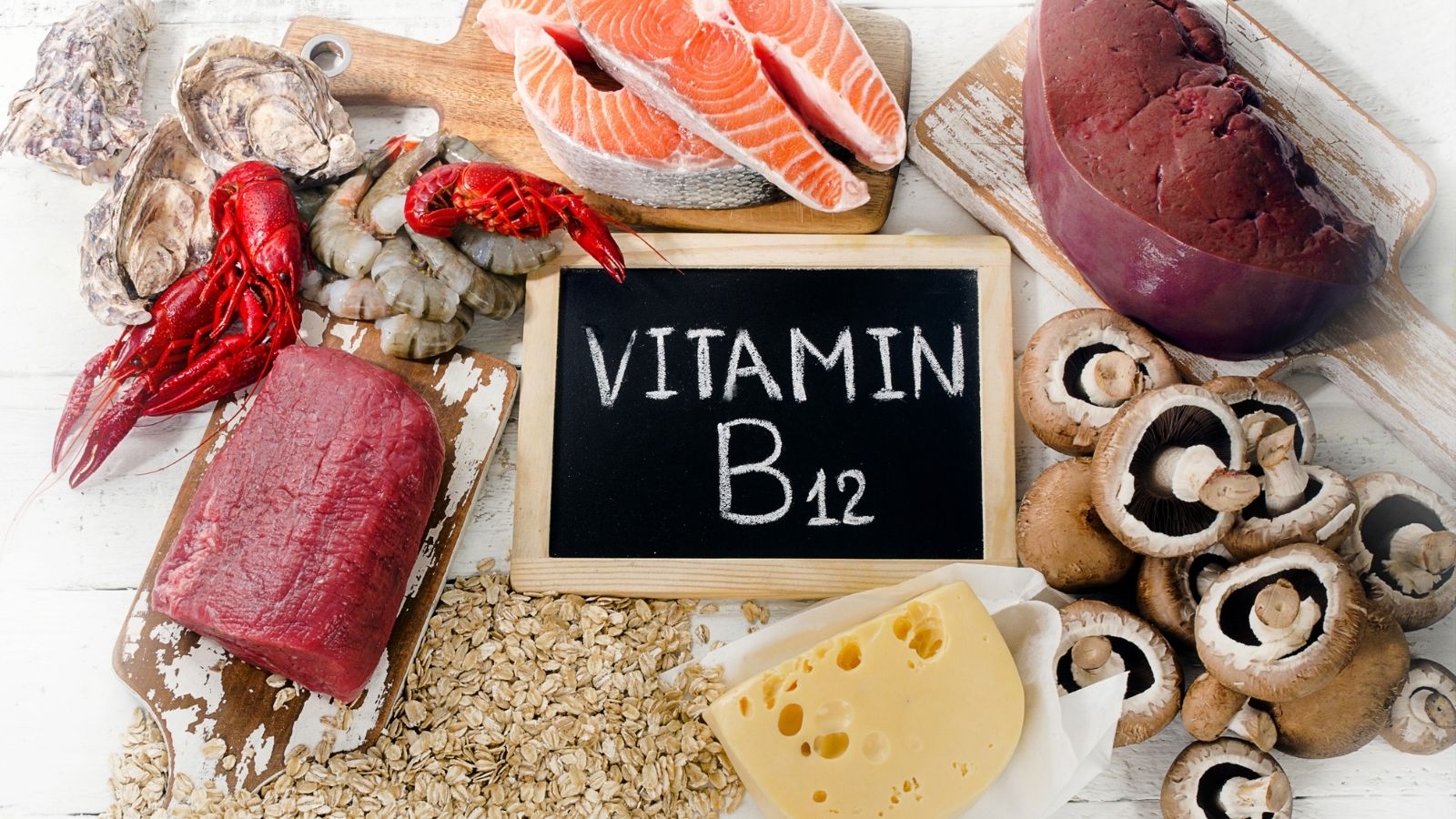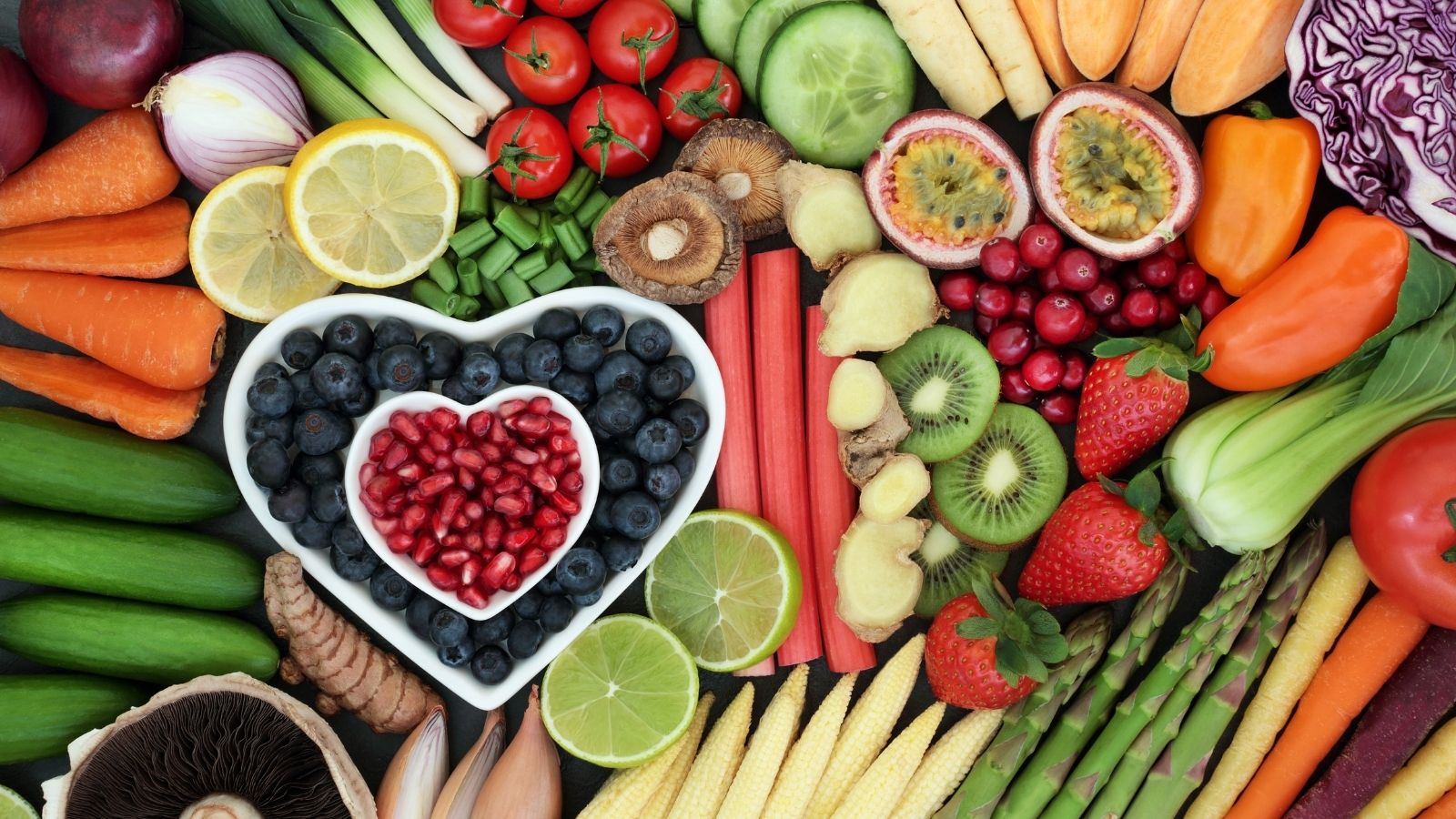


Foods rich in healthy fats are foods that contain high levels of unsaturated fatty acids, which support the body’s energy production and contribute to maintaining cellular functions. These foods especially help protect cardiovascular health, reduce inflammation, and maintain metabolic balance.
Foods containing omega-3 and monounsaturated fatty acids include olive oil, avocado, walnuts, almonds, and fatty fish. These foods contribute to balancing LDL cholesterol levels while supporting the maintenance of HDL cholesterol and may help reduce cardiovascular risk factors when consumed regularly.
Fatty fish such as salmon, mackerel, and sardines hold an important place among healthy fat sources that support heart and vascular health. Plant-based sources such as flaxseeds, chia seeds, and hazelnuts are also rich in essential fatty acids and contribute to cellular repair processes.
Regular consumption of foods containing healthy fats in a balanced diet plays an important role in hormone production, nervous system functions, and vitamin absorption. In particular, the bioavailability of vitamins A, D, E, and K increases in the presence of fat, which supports the maintenance of overall metabolic health.
İçerik
The Role of Healthy Fats in Our Body
Healthy fats play an indispensable role in the proper functioning of our body, far beyond simply being a source of energy. They actively participate in many essential physiological processes. These nutrients are among the basic building blocks of our cell membranes. These membranes, which form the outer layer of our cells, allow cells to communicate with their surroundings, take in nutrients, and eliminate waste. Healthy fats help cellular functions operate at an optimal level by preserving the flexibility and permeability of these membranes.
We also need fats for the absorption of fat-soluble vitamins (A, D, E, and K). These vitamins perform many critical functions, from the immune system and bone health to vision and blood clotting. If our diet does not contain sufficient amounts of healthy fats, our body cannot use these vitamins effectively, regardless of how much we consume. This may lead to serious health problems in the long term.
Brain health is also closely related to healthy fats. Approximately 60% of our brain consists of fat, and a large portion of these fats are unsaturated fats, especially omega-3 fatty acids. These fats are essential for the production and function of neurotransmitters, which enable communication between brain cells. Omega-3s have positive effects on memory, learning, mood regulation, and overall cognitive functions.
Hormone production and balance are also important functions of fats. Many hormones in our body are synthesized from cholesterol, and cholesterol is a type of fat. These hormones regulate many processes, including growth, development, metabolism, reproduction, and the stress response. Healthy fats contribute to the balanced production and secretion of these hormones.
Finally, healthy fats also play a role in regulating body temperature and protecting organs. Fat tissue helps maintain a stable body temperature by forming an insulating layer. At the same time, it surrounds the liver, kidneys, and other sensitive organs, acting as a protective shield against trauma. Considering these versatile roles, choosing the right sources and consuming them in balance is a much wiser approach than eliminating healthy fats from our diet.
Types of Healthy Fats
When healthy fats are mentioned, unsaturated fats are the first group that comes to mind. Due to the double bonds in their chemical structure, these fats are generally liquid at room temperature. Unsaturated fats are divided into two main categories: monounsaturated fats and polyunsaturated fats. Both are vital for our body and provide different benefits.
Monounsaturated Fats
Monounsaturated fats are fatty acids containing a single double bond. This type of fat is especially known for its heart-health-supporting effects. While helping reduce levels of “bad” cholesterol (LDL) in the body, it may maintain or increase levels of “good” cholesterol (HDL). This balance is critically important for vascular health and helps reduce the risk of heart disease.
Monounsaturated fats may also help the body fight inflammation. Chronic inflammation is an underlying factor in many chronic diseases. The anti-inflammatory properties of these fats contribute to improving overall health and increasing resistance to disease.
Olive oil is one of the richest sources of these fats. Extra virgin olive oil in particular is packed not only with monounsaturated fats but also with powerful antioxidants. Other important sources include avocado, almonds, hazelnuts, peanuts, and canola oil. A small amount of olive oil added to your salads or a handful of almonds consumed as a snack may help meet your daily monounsaturated fat requirements.
Polyunsaturated Fats: Omega-3 and Omega-6
Polyunsaturated fats are fatty acids containing more than one double bond. This category includes omega-3 and omega-6 fatty acids in particular. Since these fatty acids cannot be produced by our body, they are called essential fatty acids, meaning they must be obtained through diet.
Omega-3 Fatty Acids: Essential for the Brain and Heart
Omega-3 fatty acids are among the most notable types of fat because of their exceptional health benefits. There are three main types:
- ALA (Alpha-linolenic acid): It is found in plant-based sources and can be converted by the body into EPA and DHA, but the conversion rate is low.
- EPA (Eicosapentaenoic acid): It is found especially in seafood and has powerful anti-inflammatory properties.
- DHA (Docosahexaenoic acid): It is critically important for brain and eye health and is also abundant in seafood.
Omega-3s support heart health, help lower blood pressure, reduce triglyceride levels, and may help prevent blood clotting. They have positive effects on brain function, memory, and learning ability. They may also play a role in the management of mental health conditions such as depression and anxiety. They play a critical role in infant brain development as well, making adequate intake important during pregnancy and breastfeeding.
The best sources of omega-3s include fatty fish such as salmon, mackerel, and sardines. Plant-based sources include flaxseeds, chia seeds, walnuts, and canola oil.
Omega-6 Fatty Acids
Omega-6 fatty acids are also necessary for our body, but they are generally consumed in excessive amounts in modern diets. Omega-6 fatty acids also play a role in the inflammatory process, but excessive intake may trigger inflammation in the body. Therefore, the balance between omega-6 and omega-3 fatty acids is critically important. The ideal ratio is generally between 1:1 and 4:1 (omega-6:omega-3). However, in modern Western diets, this ratio may rise to 10:1 or even 20:1.
The most common sources of omega-6 include sunflower oil, corn oil, soybean oil, safflower oil, and other vegetable oils used in processed foods. Rather than eliminating these oils completely, reducing their consumption and increasing omega-3 sources is a healthier approach.
Foods That Are Sources of Healthy Fats
There are many delicious and nutritious foods that should be included generously in our kitchens to meet the healthy fat needs of our body. These foods are rich not only in fat but also in vitamins, minerals, and antioxidants, making them excellent choices for overall health.
Avocado
Avocado is one of the richest and most delicious sources of monounsaturated fats. Approximately 75% of a ripe avocado consists of fat, and the vast majority of this fat is oleic acid, which is a monounsaturated fatty acid. In addition to supporting heart health, this fat helps the body fight inflammation. Avocado is also rich in important nutrients such as fiber, potassium, magnesium, vitamin K, vitamin C, vitamin E, and B vitamins.
You can use avocado in salads, sandwiches, and smoothies or consume it on its own. Making guacamole is also a popular option. The creamy texture of avocado adds wonderful flavor and richness to meals.
Olive Oil
Extra virgin olive oil in particular is incredibly rich in monounsaturated fats and antioxidants, especially polyphenols. Polyphenols have powerful anti-inflammatory and antioxidant effects, transforming olive oil from simply a fat into something resembling a health elixir. Regular olive oil consumption may help reduce the risk of heart disease, balance blood pressure, and even provide protection against certain types of cancer.
You can use extra virgin olive oil as a dressing in salads, drizzle it over meals after cooking, or use it for dipping bread. Refined olive oils may be preferred for cooking methods that require higher heat, but using extra virgin olive oil at low or moderate heat is recommended to preserve its nutritional value.
Fatty Fish
Fatty fish such as salmon, mackerel, sardines, and anchovies are the most bioavailable sources of EPA and DHA, essential omega-3 fatty acids that our body cannot produce on its own. These fatty acids support brain health, improve cognitive functions, reduce inflammation, and protect heart health. Consuming at least two portions of fatty fish per week is an excellent way to benefit from these effects.
Baking, grilling, or steaming fish are among the best ways to preserve its nutritional value. Canned salmon or sardines may also be practical and nutritious alternatives, but it is important to pay attention to their salt content.
Nuts
Nuts such as almonds, walnuts, hazelnuts, and cashews are rich in healthy fats, including monounsaturated and polyunsaturated fats, as well as protein, fiber, vitamins, especially vitamin E, and minerals.
- Walnuts: They stand out especially for their omega-3 (ALA) content. They may be described as a “natural pill” for brain health.
- Almonds: They are rich in monounsaturated fats, fiber, and vitamin E. They may help with blood sugar control.
- Hazelnuts: They contain monounsaturated fats, magnesium, and folate. They are beneficial for heart health.
You can consume nuts as a snack, add them to salads, or mix them with oatmeal. However, portion control is important because they are calorie-dense. One handful per day, approximately 30 grams, is generally sufficient.
Seeds
Seeds such as chia seeds, flaxseeds, pumpkin seeds, and sunflower seeds are also packed with healthy fats, fiber, protein, and various minerals.
- Flaxseeds: They are rich in both omega-3 (ALA) and fiber. They support digestive health and may help lower cholesterol. Ground flaxseeds are absorbed better by the body.
- Chia Seeds: They contain omega-3 (ALA), fiber, and antioxidants. When they come into contact with liquid, they develop a gel-like texture that increases the feeling of fullness. You can add them to smoothies, yogurt, or puddings.
- Pumpkin Seeds: They are a good source of magnesium, zinc, and healthy fats.
You can sprinkle seeds over salads, add them to smoothies, or mix them with yogurt.
Canola Oil
Canola oil has a balanced profile of both monounsaturated and polyunsaturated fats. It also contains omega-3 (ALA) and omega-6 fatty acids. Due to its low saturated fat content and high smoke point, it may be suitable for various cooking methods. However, choosing unprocessed or cold-pressed canola oils will better preserve their nutritional value.
Soybeans and Soy Products
Soybeans are a rich source of both plant-based protein and healthy fats, particularly polyunsaturated fats and omega-6. Soy products such as tofu, tempeh, and edamame are excellent options for vegetarian and vegan diets. Soybeans also contain minerals such as fiber, iron, and calcium.
Guide to Including Healthy Fats in Your Diet
Integrating healthy fats into your diet does not have to be complicated. With simple changes, you can make the most of the benefits of these nutrients. The key is to increase sources of unsaturated fats while reducing processed and saturated fats.
Healthy Fats at Breakfast
Including healthy fats at the start of the day may help you remain energetic throughout the day and increase your feeling of fullness.
- Oatmeal: After cooking your oatmeal with water or milk, add some walnuts, flaxseeds, or chia seeds. A few slices of avocado may also add an interesting flavor.
- Whole-Grain Bread: Spread mashed avocado on your whole-grain bread and sprinkle red pepper flakes on top. You can create a balanced meal with a boiled egg on the side.
- Smoothie: You can increase the fat content of your smoothie by adding one tablespoon of flaxseeds, a handful of walnuts, or a few slices of avocado.
Healthy Fats at Lunch and Dinner
Using healthy fats in main meals enhances flavor and provides satiety.
- Salads: Add plenty of olive-oil-based dressing to your salads. Include a handful of nuts, such as almonds, walnuts, or hazelnuts, or slices of avocado.
- Main Dishes: Drizzle a little extra virgin olive oil over baked or grilled fish or chicken before serving. Use olive oil or canola oil to sauté your vegetables.
- Legume Dishes: Adding a small amount of olive oil to dishes containing legumes such as lentils and chickpeas after cooking will enhance their flavor and nutritional value.
Healthy Fats in Snacks
Snacks are excellent opportunities to balance blood sugar and prevent overeating during main meals.
- Nuts: A handful of almonds, walnuts, or hazelnuts provides both healthy fats and protein.
- Seeds: Roasted pumpkin seeds or sunflower seeds are good options.
- Avocado: You can consume half an avocado plain or sprinkle it with a little salt and black pepper.
- Mustard and Olive Oil: A mixture of mustard and olive oil served with whole-grain crackers is also a delicious alternative.
Cooking Methods and Oil Selection
It is important to know which oil is suitable for which cooking method.
- Cold Use (Salads, Sauces): Oils such as extra virgin olive oil, walnut oil, and flaxseed oil are sensitive to heat and should be consumed in salads, sauces, or drizzled over meals.
- Medium-Heat Cooking (Sautéing, Baking): Oils such as olive oil, excluding extra virgin varieties, canola oil, and avocado oil are suitable for medium-heat cooking methods.
- High-Heat Cooking (Frying): Oils with a high smoke point, such as avocado oil and high-oleic sunflower oil, may be preferred for cooking methods requiring high heat. However, avoiding deep frying is better for overall health.
What You Should Know About Healthy Fats
When including healthy fats in your diet, it is also extremely important to recognize the types of fat that may harm our body and avoid them as much as possible. Saturated fats and especially trans fats are at the top of this list.
Saturated Fats
Saturated fats are fatty acids with no double bonds in their chemical structure and are generally solid at room temperature. Although these fats are not completely harmful to our body, they may raise cholesterol levels and increase the risk of heart disease when consumed excessively.
The main sources of saturated fats are:
- Red meat and processed meat products, such as sausage and salami
- Butter and full-fat dairy products, including cheese, yogurt, and cream
- Tropical oils, such as coconut oil and palm oil
- Baked and fried foods
Health authorities recommend that no more than 10% of total daily calorie intake should come from saturated fats. This does not mean eliminating saturated fats completely, but it is important to maintain balanced consumption by making conscious choices and controlling portions. For example, choosing lean meats or low-fat dairy products may help reduce saturated fat intake.
Trans Fats
Trans fats are among the most harmful types of fat and should be eliminated from the diet as much as possible. These fats may occur naturally in small amounts in animal products or be produced industrially during the solidification, or hydrogenation, of liquid vegetable oils.
Industrial trans fats are especially abundant in the following foods:
- Margarines, especially solid varieties
- Packaged biscuits, cakes, and cookies
- Crackers and snacks
- Instant soups and sauces
- Fried fast-food products, such as French fries and fried chicken
Trans fats both raise LDL (“bad”) cholesterol and lower HDL (“good”) cholesterol. This combined effect significantly increases the risk of heart disease. They also trigger inflammation, increase the risk of diabetes, and have negative effects on overall health.
Many countries have introduced legal regulations to limit the trans fat content of foods. It is important to read product labels and avoid products containing “hydrogenated vegetable oil” or “partially hydrogenated oil.”
Frequently Asked Questions
What foods are rich in healthy fats?
Olive oil, avocado, walnuts, almonds, hazelnuts, chia seeds, flaxseeds, and fatty fish are among the sources of healthy fats. These foods may be an important part of a balanced diet.
Why are healthy fats important for the body?
Healthy fats contribute to energy production, help preserve cellular structure, and support the absorption of certain vitamins. They may also play an important role in protecting heart and vascular health.
Which foods are rich in omega-3?
Fatty fish such as salmon, sardines, and mackerel, as well as walnuts, flaxseeds, and chia seeds, are foods rich in omega-3. These fatty acids may have positive effects on overall health.
Why does olive oil stand out among healthy fats?
Olive oil is especially rich in monounsaturated fatty acids. When consumed regularly and in balance, it may support cardiovascular health and be an important part of healthy nutrition plans.
How is avocado evaluated as a source of healthy fats?
Avocado contains monounsaturated fats and various nutrients. When consumed in balance, it may contribute to the feeling of fullness and is frequently preferred in heart-friendly eating patterns.
Are nuts rich in healthy fats?
Yes. Nuts such as walnuts, almonds, hazelnuts, and pistachios contain healthy fats. They are also among the valuable food sources of fiber, vitamins, and minerals.
What is the difference between saturated fats and healthy fats?
Healthy fats are generally rich in unsaturated fatty acids, while saturated fats are found at higher levels in certain animal-based sources. Including more healthy fat sources in a balanced diet may be recommended.
Do healthy fats cause weight gain?
All fats are high in energy. However, when consumed in balanced amounts, healthy fats may contribute to dietary quality. Excessive consumption may increase total calorie intake.
Which fat sources should be preferred for heart health?
Olive oil, fatty fish, avocado, and various nuts are healthy fat sources frequently preferred in heart-friendly nutrition plans. The amount consumed should be adjusted according to individual needs.
How can healthy fat consumption be increased in the daily diet?
Using olive oil in salads, consuming nuts as snacks, choosing fatty fish several times a week, and limiting processed fat sources may help increase healthy fat intake.

Op. Dr. Ahmet Bekin was born in Istanbul in 1983. He graduated from the Faculty of Medicine at Kocaeli University in 2006 and completed his specialty training in the Department of General Surgery at Istanbul University Çapa Faculty of Medicine in 2011. After his specialization, he worked in the fields of hernia surgery, reflux surgery, obesity surgery, advanced laparoscopic surgery, and robotic surgery. In addition, he received training in endocrine surgery, oncological surgery, and minimally invasive surgery. He is currently accepting patients from Turkey as well as from countries such as Germany and France at his private clinic located in Istanbul.