

Ways to boost metabolism include scientifically based methods involving an eating pattern that increases energy expenditure, regular physical activity, adequate water consumption, and lifestyle habits that support hormonal balance. These strategies support basal metabolic rate and help the body use calories more efficiently.
Boosting metabolism naturally is possible through a balanced protein intake, a meal pattern distributed throughout the day, and adequate fluid consumption. The thermic effect of protein increases energy expenditure during digestion and helps sustainably enhance metabolic activity by supporting the preservation of muscle tissue.
Regular exercise and increasing muscle mass are among the fundamental physiological factors involved in raising metabolic rate. Resistance exercises in particular develop muscle tissue and contribute to an increase in basal metabolic rate by allowing muscles to expend more energy even at rest.
Sleep patterns, stress management, and hormonal balance have a determining effect on metabolic rate. Insufficient sleep and chronic stress may increase cortisol levels and negatively affect energy metabolism. Regular sleep and balanced lifestyle habits support the healthy functioning of metabolic processes.
İçerik
What Is Metabolism and Why Is It Important?
Metabolism is the process through which our body converts food into energy in order to sustain life. This complex chain of chemical reactions includes everything from breathing and cell renewal to thinking and physical activity. The speed of metabolism, meaning how much energy we expend per unit of time, plays a key role in controlling body weight. A high metabolic rate allows more calories to be burned even at rest. This provides an important advantage when trying to lose weight or maintain a healthy weight. A low metabolic rate, on the other hand, may make it easier to gain weight while consuming the same amount of food. Therefore, efficient metabolic function is a fundamental element of overall health and well-being.
Metabolism consists of two main components:
- Anabolism: Processes in which the body uses energy to create more complex molecules. Building muscle is an example.
- Catabolism: Processes in which the body produces energy by breaking substances down into simpler molecules. Digestion of food is part of catabolism.
Our metabolic rate is largely determined by our basal metabolic rate (BMR). BMR is the minimum amount of energy the body needs at rest to maintain vital functions such as breathing, heartbeat, and brain function. It generally accounts for 60–75% of a person’s total daily energy expenditure. The remaining energy is expended through physical activity and the digestion of food, known as the thermic effect.
Factors affecting metabolic rate include:
- Age: Metabolic rate generally slows with advancing age.
- Gender: Men generally have a higher metabolic rate because they usually have more muscle mass than women.
- Genetics: Family history may affect your metabolic rate.
- Body Composition: Muscle tissue burns more calories than fat tissue. Therefore, having more muscle mass increases metabolic rate.
- Hormones: Certain hormones, such as thyroid hormones, directly affect metabolic rate.
- Activity Level: People who exercise regularly tend to have a faster metabolism.
- Nutrition: Adequate protein intake and certain nutrients may support metabolism.
Understanding the importance of metabolism is the first step toward optimizing it. This is not only related to weight control but is also directly connected to your energy levels, mood, and overall health.
Scientific Strategies for Boosting Metabolism
Boosting metabolism does not happen through a miracle pill or a single magical formula. It requires a multidimensional approach involving a combination of lifestyle choices. Scientific research shows that certain strategies may support metabolism. These strategies include:
Maximize Calorie Burning with High-Intensity Interval Training (HIIT)
High-intensity interval training (HIIT) is a form of exercise that involves short bursts of intense activity followed by brief periods of rest or low-intensity movement. This method may significantly increase metabolism by triggering a process known as the “afterburn effect” or EPOC (Excess Post-exercise Oxygen Consumption) both during and after exercise. EPOC means that the body consumes more oxygen during post-exercise recovery and therefore burns more calories.
Effects of HIIT:
- Increased Calorie Burning: HIIT sessions may burn more calories in a shorter period than traditional steady-state cardio workouts. One study found that a 45-minute HIIT workout produced a greater EPOC effect than a steady-state cardio session of the same duration. This means your body continues to expend more energy even after the workout has ended.
- Preserving or Increasing Muscle Mass: HIIT may help preserve or even increase muscle mass, especially when combined with resistance exercise. Since muscle burns more calories at rest than fat tissue, greater muscle mass means a higher basal metabolic rate.
- Improved Cardiovascular Health: Regular HIIT improves overall cardiovascular health by increasing the efficiency of your heart and lungs.
How Is HIIT Performed?
- Duration: It generally lasts 20–30 minutes.
- Intensity: During exercise intervals, the aim is for your heart rate to reach 80–90% of its maximum capacity. This is an intensity at which you become breathless and find it difficult to speak.
- Rest: Rest periods should be short, usually half or one-third the duration of the exercise interval. This may involve active recovery, such as slow walking, or complete rest.
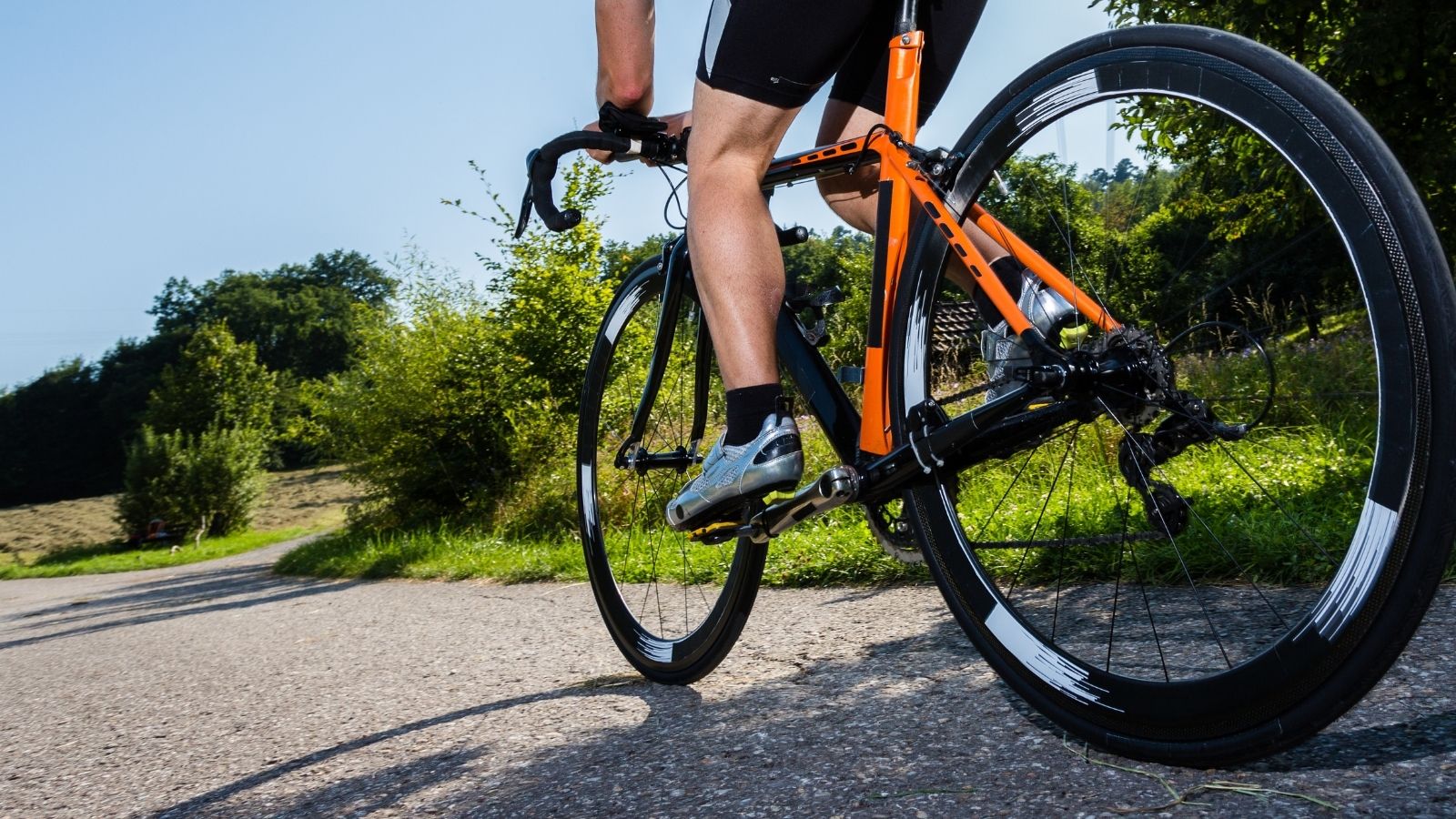
- Examples: Sprinting, cycling, rowing, burpees, and jumping jacks can be used in HIIT protocols. For example, you can sprint at maximum effort for 30 seconds and then walk slowly for 60 seconds. Repeat this cycle.
- Frequency: It is recommended to perform HIIT 2–3 times per week with rest days in between. Allowing the body to recover is important.
HIIT is a powerful tool for stimulating metabolism, but it should be performed with proper form and without exceeding your body’s limits.
Increase Muscle Mass with Resistance Training
Resistance training consists of exercises designed to strengthen muscles by applying force against them. It includes methods such as weightlifting, bodyweight exercises such as push-ups, squats, and pull-ups, and using resistance bands. Its role in increasing metabolic rate mainly comes from its potential to increase muscle mass.
Effects of Resistance Training:
- Increased Basal Metabolic Rate (BMR): Muscle tissue is much more metabolically active than fat tissue. One kilogram of muscle burns more calories per day than one kilogram of fat. Resistance training increases your BMR by increasing muscle mass. This means you burn more calories 24 hours a day, even while resting.
- EPOC Effect: Resistance training also produces an EPOC effect like HIIT. Although it is generally less intense than HIIT, it still increases post-workout calorie burning.
- Improved Body Composition: It provides a fitter appearance by reducing body fat while increasing muscle mass. This is important not only aesthetically but also for health.
- Improved Bone Health: It increases bone density and reduces the risk of osteoporosis.
- Increased Functional Strength: It helps you perform daily activities more easily.
How Is Resistance Training Performed?
- Focus on Large Muscle Groups: Compound exercises such as squats, deadlifts, bench presses, overhead presses, and rows work multiple muscle groups simultaneously, expend more energy, and stimulate metabolism more effectively.
- Progressive Overload: You need to continually challenge your muscles by increasing the weights or repetitions over time. Update your workout program regularly to prevent muscle adaptation.
- Repetitions and Sets: For muscle development, 8–12 repetitions per set and 3–4 sets are generally recommended. Lower repetitions (4–6) with heavier weights may be used for strength, while higher repetitions (15+) with lighter weights may be used for endurance.
- Frequency: It may be performed 2–3 days per week by focusing on different muscle groups or completing full-body workouts. Rest days should be included between sessions to allow muscle repair and growth.
Resistance training is one of the most effective ways to increase your metabolism in the long term. By building muscle, you turn your body into a calorie-burning machine.
Consuming Adequate Protein
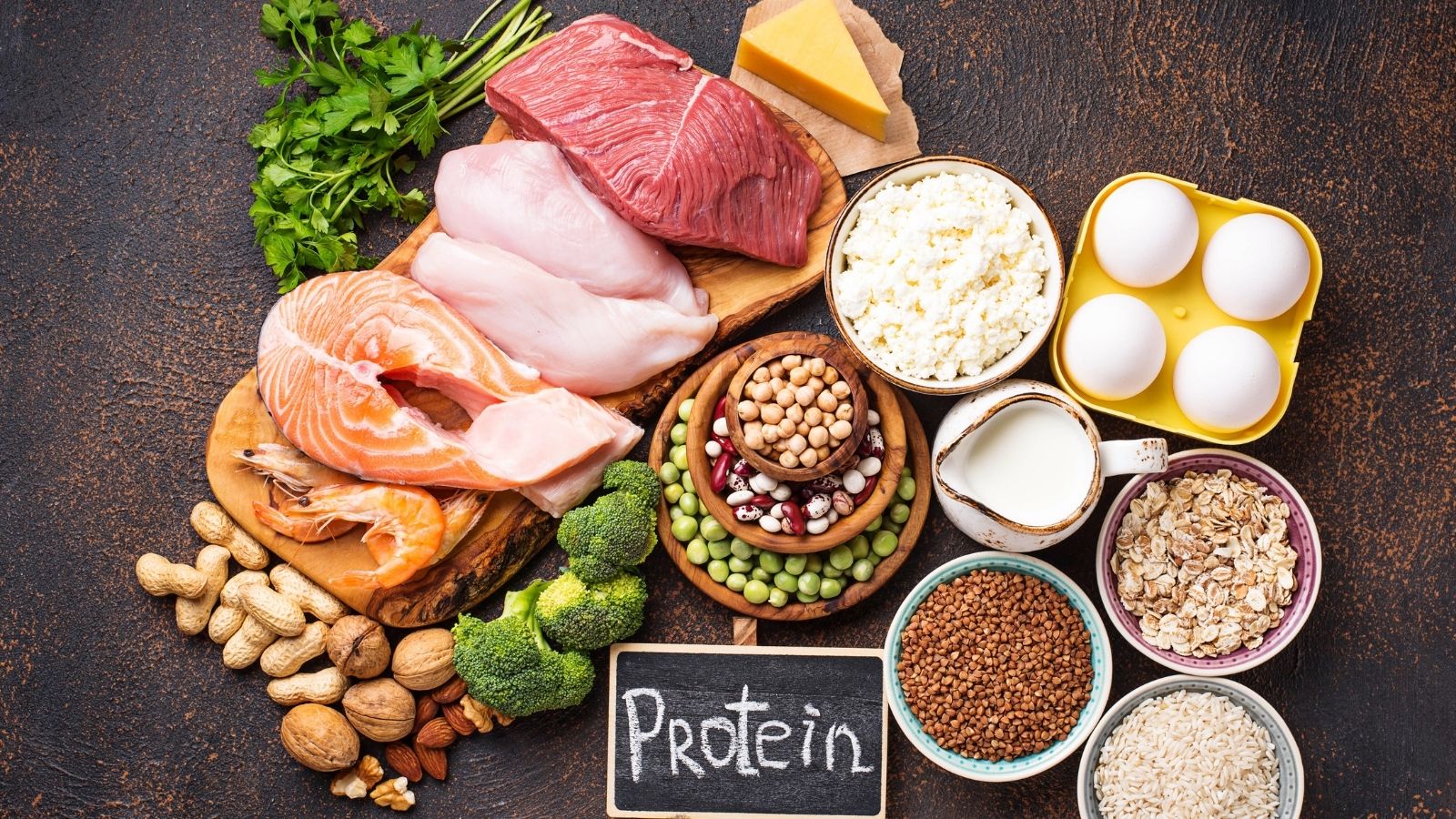
Protein is an essential macronutrient for our body. It plays a role in many critical functions, from building and repairing muscles to producing enzymes and hormones. Its role in increasing metabolism is based on two main mechanisms: its thermic effect and its support of muscle mass.
Protein and the Thermic Effect:
Our body expends energy to digest, absorb, and process the foods we eat. This process is called the thermic effect of food (TEF) or the specific dynamic action of food. Different macronutrients have different thermic effects:
- Carbohydrates: Approximately 5–10% of calories are expended.
- Fats: Approximately 0–3% of calories are expended.
- Proteins: Approximately 20–30% of calories are expended.
This means that protein causes more calories to be burned than the same amount of carbohydrates or fat. For example, a 500-calorie protein meal may expend approximately 100–150 calories during digestion and processing, while a 500-calorie carbohydrate meal may expend approximately 25–50 calories, and a 500-calorie fat meal expends almost none. This additional calorie expenditure keeps metabolism more active throughout the day.
Protein and Muscle Mass:
As mentioned previously, muscle mass is directly associated with a higher metabolic rate. Protein is the building block of muscle tissue. Adequate protein intake, particularly when combined with resistance training, supports muscle repair and growth and helps preserve or increase muscle mass. This helps keep BMR elevated in the long term.
How Much Protein Should Be Consumed?
The recommended daily protein intake for general health is 0.8 grams per kilogram of body weight. However, this amount may be higher for individuals who want to increase metabolism, lose weight, or gain muscle mass:
- Active Individuals and Athletes: 1.2–2.2 grams of protein per kilogram.
- Individuals Aiming to Lose Weight: 1.6–2.2 grams of protein per kilogram, which increases satiety and helps prevent muscle loss.
Protein Sources:
- Animal Sources: Chicken, turkey, fish, red meat, eggs, and dairy products such as yogurt, cheese, and milk.
- Plant Sources: Lentils, chickpeas, beans, tofu, tempeh, quinoa, nuts, and seeds.
Tips for Protein Consumption:
- Add Protein to Every Meal: For example, eggs or yogurt at breakfast, chicken or lentils at lunch, and fish or tofu at dinner.
- Protein in Snacks: Options such as yogurt, a handful of nuts, or a protein shake prolong satiety and help prevent overeating.
- Post-Workout Protein: Protein intake is important for supporting muscle repair after exercise.
Adequate and balanced protein consumption is a smart way to increase metabolism through its short-term thermic effect and long-term support of muscle mass.
Getting Adequate Sleep
Sleep is a critical physiological process that is often overlooked despite its profound effects on metabolism. Insufficient or poor-quality sleep may disrupt the balance of hormones that regulate metabolism, leading to weight gain and metabolic health problems.
Effects of Sleep Deprivation on Metabolism:
- Disruption of Ghrelin and Leptin Hormones: Ghrelin is known as the “hunger hormone,” while leptin is known as the “satiety hormone.” Insufficient sleep increases ghrelin levels while decreasing leptin levels. This hormonal change increases appetite, particularly cravings for high-calorie foods rich in carbohydrates and fat.
- Increased Insulin Resistance: Chronic sleep deprivation may impair the body’s response to insulin and increase insulin resistance. Insulin resistance means that blood glucose cannot effectively enter cells, which increases the risk of type 2 diabetes. The body also attempts to produce more insulin, which may promote fat storage.
- Increased Cortisol Levels: Cortisol is known as the stress hormone, and sleep deprivation may increase cortisol levels. High cortisol levels may promote fat storage, particularly around the abdomen, and increase muscle breakdown.
- Reduced Growth Hormone Production: Growth hormone is important for muscle development and fat metabolism. It is primarily released during sleep. Insufficient sleep may reduce growth hormone production, contributing to decreased muscle mass and a slower metabolism.
- Reduced Energy Expenditure: When you are sleep-deprived, you are generally less active, and spontaneous thermogenesis, meaning calories burned through unconscious movement, decreases. This reduces total daily energy expenditure.
Tips for Adequate and Quality Sleep:
- Sleep Duration: Most adults are advised to get 7–9 hours of quality sleep per night.
- Regular Sleep Schedule: Try to go to bed and wake up at the same time every day, even on weekends. This helps regulate your body’s internal clock, or circadian rhythm.
- Suitable Sleep Environment: Make sure your bedroom is cool, dark, and quiet.
- Pre-Sleep Routine: Create a relaxing routine before bed, such as reading a book, taking a warm shower, or meditating.
- Avoid Electronic Devices: Stay away from blue-light-emitting devices such as phones, tablets, and computers for at least one hour before bed. Blue light may suppress the production of melatonin, the sleep hormone.
- Limit Caffeine and Alcohol Consumption: Limit caffeine intake, particularly in the afternoon and evening. Although alcohol may make it easier to fall asleep, it reduces sleep quality.
- Regular Exercise: Regular exercise during the day may improve sleep quality, but avoid intense exercise too close to bedtime.
Adequate and quality sleep is a fundamental requirement for proper metabolic function. It naturally supports metabolism by maintaining hormonal balance, controlling appetite, and keeping energy levels high.
Drinking Plenty of Water
Water is the foundation of life and is necessary for almost every physiological process in our body. Adequate water intake is critical for efficient metabolic function. Water plays a role in many functions, from regulating body temperature to transporting nutrients and removing waste products.
Effects of Water on Metabolism:
- Thermogenesis (Heat Production): Drinking cold water causes the body to expend extra energy to warm it. This effect is called water-induced thermogenesis. One study showed that drinking approximately 0.5 liters (17 ounces) of water may increase metabolic rate by 24–30% for a short period. Although this effect is temporary, drinking adequate water throughout the day may contribute to total calorie expenditure.
- Transport of Nutrients and Oxygen: A large proportion of our blood consists of water. Adequate water intake optimizes circulation and facilitates the transport of nutrients and oxygen to cells. This allows metabolic processes to function more efficiently.
- Waste Removal: Water helps the kidneys filter toxins and waste products from the blood and eliminate them through urine. This detoxification process prevents the accumulation of metabolic waste and allows the body to function more efficiently.
- Fat Breakdown (Lipolysis): The body requires water to use fat for energy. Insufficient water intake may slow the lipolysis process.
- Performance and Energy Levels: Even mild dehydration may cause fatigue, headaches, and reduced cognitive function. This negatively affects physical activity and therefore calorie expenditure.
How Much Water Should Be Consumed?
It is generally recommended to drink 8 glasses of water per day, equivalent to approximately 2 liters. However, this amount may vary according to your activity level, climate conditions, overall health, and diet.
- Active Individuals: They require more water to replace the fluid lost during exercise.
- Hot Climates: Greater water consumption is necessary because more fluid is lost through sweating.
- Pregnant or Breastfeeding Women: They require more fluids.
The color of your urine is a good indicator of whether you are consuming enough fluids. Pale yellow or colorless urine generally indicates adequate hydration. Dark yellow urine may indicate that you need to drink more water.
Other Sources of Hydration Besides Water:
- Herbal teas without sugar
- Mineral water
- Fruits and vegetables with high water content, such as watermelon, cucumber, and oranges
Drinking water is a simple yet incredibly powerful way to support metabolism. By helping every cell in your body function optimally, it supports your overall health and energy levels.
The Role of Beverages Such as Green Tea and Coffee
Certain beverages have the potential to temporarily increase metabolism through the bioactive compounds they contain. Green tea and coffee are the most extensively studied beverages in this regard.
Effects of Green Tea:
Green tea may support metabolism, particularly due to its catechin content, especially epigallocatechin gallate (EGCG), and caffeine. However, it is not recommended for patients who have undergone stomach Botox.
- Catechins: These powerful antioxidants may stimulate thermogenesis, which can enhance the body’s ability to burn fat and slightly increase metabolic rate. EGCG may support thermogenesis by slowing the breakdown of a hormone called norepinephrine.
- Caffeine: Caffeine stimulates the central nervous system and may temporarily increase metabolic rate. It may also improve physical performance, helping you exercise more intensely.
Effects of Coffee:
Coffee is primarily known for its caffeine content.
- Increasing Metabolic Rate: Caffeine may increase metabolic rate by 3–11% and accelerate fat burning by 10–29%. These effects may vary from person to person and may decrease as tolerance to caffeine develops.
- Improving Physical Performance: When consumed before exercise, caffeine may improve endurance and performance, allowing you to burn more calories.
Important Notes:
- Temporary Effect: The metabolism-boosting effects of both green tea and coffee are generally temporary and should not be exaggerated. They do not replace a healthy lifestyle.
- Do Not Add Sugar or Milk: To benefit fully from their metabolism-supporting effects, it is important to consume green tea and coffee without sugar and with minimal milk. Added sugar and cream may outweigh the benefits because of their additional calories.
- Individual Tolerance: Sensitivity to caffeine varies from person to person. Some people may experience adverse reactions such as nervousness, sleep problems, or palpitations.
- Avoid Excessive Consumption: Excessive caffeine intake may cause side effects such as anxiety, insomnia, and heart rhythm disturbances.
Green tea and coffee are natural beverages that may support metabolism when consumed consciously, but balance and moderation are essential.
Spicy Foods
Capsaicin, a compound found in peppers, may slightly increase metabolism and enhance satiety.
Effects of Capsaicin:
- Increasing Thermogenesis: Capsaicin may increase the body’s heat production, or thermogenesis, leading to additional calorie expenditure. This effect is generally small, but regular consumption may provide a cumulative benefit over time.
- Reducing Appetite: Some studies suggest that capsaicin may reduce total calorie intake by increasing satiety and reducing hunger hormones.
What Are Spicy Foods?
- Hot peppers such as jalapeño, Thai chili, and habanero
- Crushed red pepper and red pepper flakes
- Hot sauces
- Other spices such as ginger and turmeric may also have metabolism-supporting properties.
Important Notes:
- Individual Tolerance: Not everyone responds to spicy foods in the same way. Some people may experience stomach discomfort, burning, or digestive problems.
- Small Effect: The effect of capsaicin on metabolism is generally modest. It should not be viewed as a miracle solution.
- Balanced Nutrition: Spicy foods should be consumed as part of a balanced and healthy nutrition plan.
In addition to adding flavor, spicy foods may provide a small but positive contribution to metabolism.
Consuming Fiber-Rich Foods
Fiber is a type of indigestible carbohydrate that provides many benefits to the body. Its effects on metabolism occur by slowing digestion, increasing satiety, and supporting intestinal health.
Effects of Fiber on Metabolism:
- Increasing Satiety: Fiber-rich foods help you stay full for longer. They expand in the stomach, occupy volume, and slow digestion, which contributes to consuming fewer calories. This is an important factor in weight control.
- Balancing Blood Sugar: Soluble fiber slows glucose absorption during digestion and prevents sudden increases in blood sugar levels. This balances insulin release and may help reduce fat storage.
- Gut Health: Fiber is a food source for beneficial bacteria in the intestines and acts as a prebiotic. A healthy gut microbiota is associated with overall metabolic health and reduced inflammation.
- Thermic Effect of Digestion: Digesting fiber may require more energy than other macronutrients, although this effect is not as pronounced as that of protein.
Fiber-Rich Foods:
- Whole Grains: Oatmeal, brown rice, quinoa, whole-wheat bread, and whole-wheat pasta.
- Fruits: Apples, pears, strawberries, raspberries, and blackberries, especially those eaten with their skins and seeds.
- Vegetables: Broccoli, spinach, cabbage, carrots, peas, lentils, and beans.
- Nuts and Seeds: Almonds, walnuts, chia seeds, and flaxseeds.
Tips for Increasing Fiber Intake:
- Add fiber-rich fruits to oatmeal or whole-grain cereal at breakfast.
- Add plenty of vegetables to salads or main meals at lunch and dinner.
- Choose fruit, nuts, or yogurt as snacks.
- Use whole-wheat bread instead of white bread.
- Include legumes such as lentils and beans in your weekly diet.
Common Misconceptions and Myths About Boosting Metabolism
There are many urban legends and misconceptions about boosting metabolism. Distinguishing these myths helps you focus on effective and scientifically based strategies.
- “A certain food miraculously boosts metabolism”: No single food or supplement creates a dramatic and permanent effect on metabolism. Metabolism is influenced by lifestyle choices as a whole.
- “Eating frequent small meals boosts metabolism”: Scientific support for this common belief is limited. Research shows that total calorie intake and macronutrient distribution are more important than the number of meals. The important point is to consume an adequate and balanced diet throughout the day.
- “Detox teas and diets boost metabolism”: Most “detox” products merely cause temporary water loss through a laxative effect. They do not permanently increase metabolism and may even be harmful. The body’s natural detoxification organs, the liver and kidneys, already perform this function.
- “Cardio alone is enough to boost metabolism”: Cardio is important, but because it does not increase muscle mass, it is not as effective as resistance training for increasing metabolism in the long term. Muscle mass allows more calories to be burned at rest.
- “You must suffer to boost metabolism”: You do not need to exercise excessively or starve yourself to increase metabolism. Sustainable and healthy lifestyle changes provide the best results.
Avoiding these myths and focusing on scientific facts will help you optimize your metabolism effectively.
Frequently Asked Questions
What are the ways to boost metabolism, and how does metabolism work?
Metabolism is the combination of chemical processes the body performs to produce energy and maintain vital functions. Regular exercise, balanced nutrition, adequate sleep, and an active lifestyle may support metabolism.
Does regular exercise boost metabolism?
Yes. Resistance exercises and activities that increase muscle mass may raise energy expenditure. Regular physical activity may increase both resting metabolic rate and daily calorie expenditure.
How does protein consumption affect metabolism?
The body expends more energy while digesting protein. This is known as the thermic effect and may contribute to a temporary increase in metabolic activity.
Does drinking water help boost metabolism?
Adequate water consumption supports the healthy functioning of the body’s metabolic processes. Dehydration may negatively affect metabolic activity and cause reduced energy levels.
Does sleep pattern affect metabolic rate?
Yes. Insufficient sleep may disrupt hormonal balance and negatively affect energy use. Regular, high-quality sleep plays an important role in maintaining healthy metabolic function.
Does metabolism speed up as muscle mass increases?
Muscle tissue is active tissue that consumes energy. Increasing muscle mass may positively affect metabolic rate by contributing to greater calorie expenditure even at rest.
Does eating frequent meals boost metabolism?
The effect of meal frequency on metabolism may vary from person to person. The main priority is meeting daily energy and nutrient requirements in a balanced way. Eating frequently alone may not significantly increase metabolism.
Can green tea and coffee boost metabolism?
Certain compounds in green tea and coffee may provide a short-term increase in energy expenditure. However, this effect is limited and does not replace healthy lifestyle habits.
How can you tell if your metabolism is slow?
Difficulty losing weight, low energy levels, feeling cold, and fatigue may be associated with metabolic problems in some individuals. A healthcare professional should be consulted for an accurate evaluation.
What should be considered in daily life to boost metabolism?
Regular exercise, adequate protein intake, drinking plenty of water, getting quality sleep, avoiding prolonged inactivity, and maintaining a balanced diet may help metabolism function more efficiently.

Op. Dr. Ahmet Bekin was born in Istanbul in 1983. He graduated from the Faculty of Medicine at Kocaeli University in 2006 and completed his specialty training in the Department of General Surgery at Istanbul University Çapa Faculty of Medicine in 2011. After his specialization, he worked in the fields of hernia surgery, reflux surgery, obesity surgery, advanced laparoscopic surgery, and robotic surgery. In addition, he received training in endocrine surgery, oncological surgery, and minimally invasive surgery. He is currently accepting patients from Turkey as well as from countries such as Germany and France at his private clinic located in Istanbul.